Meeting Annual Consider With Example In Suffolk
Description
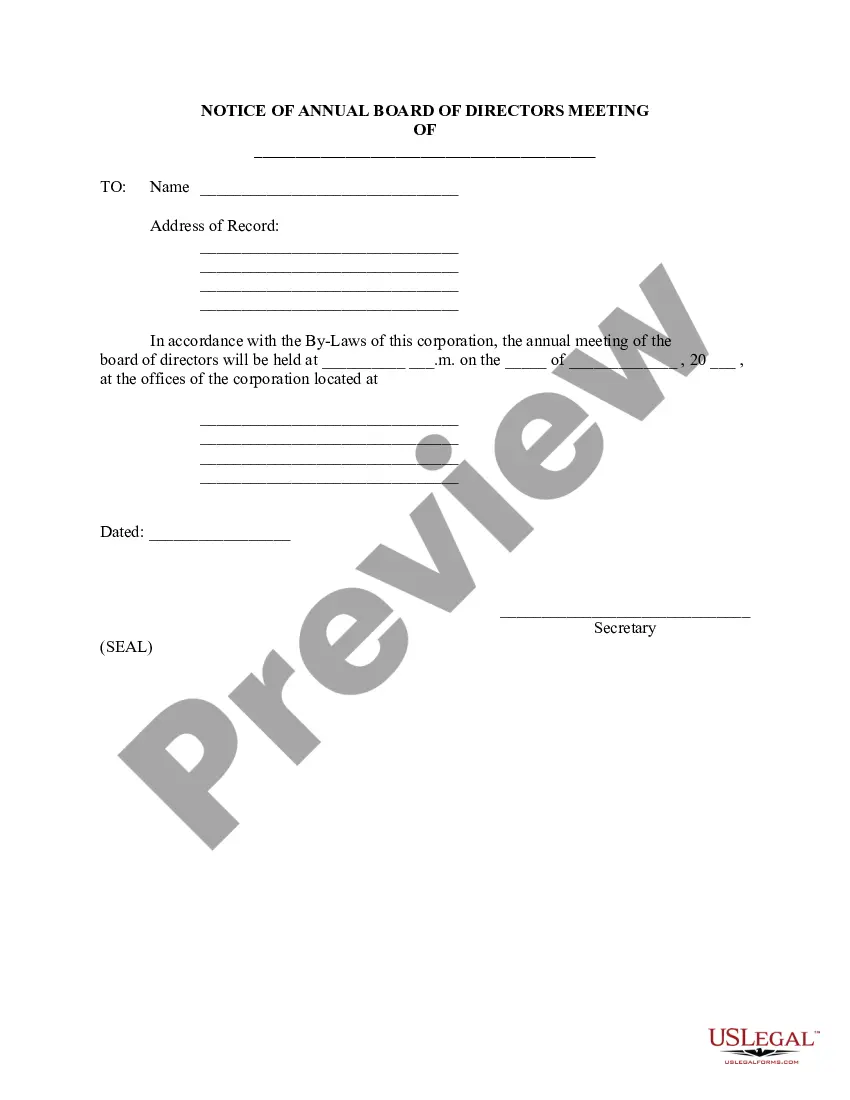


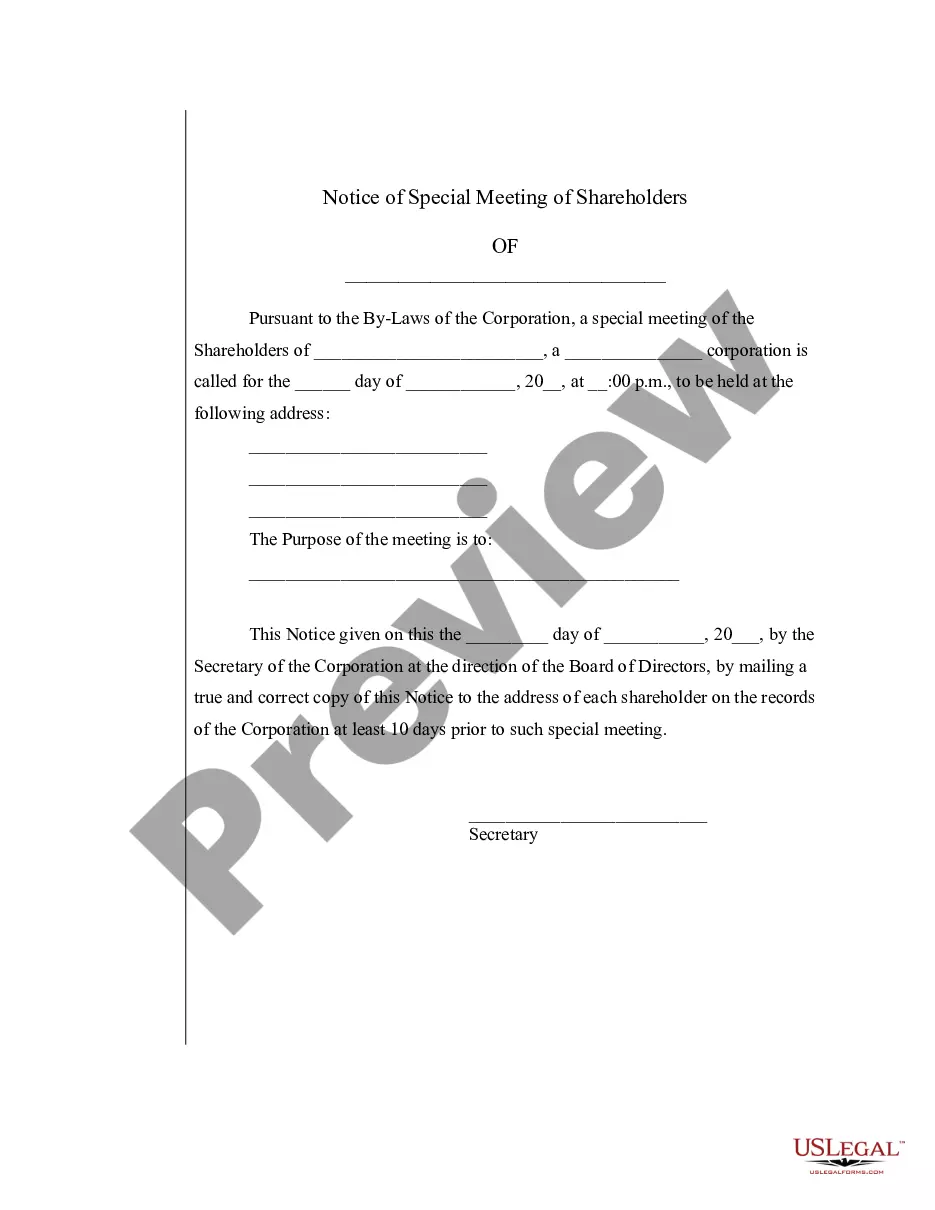
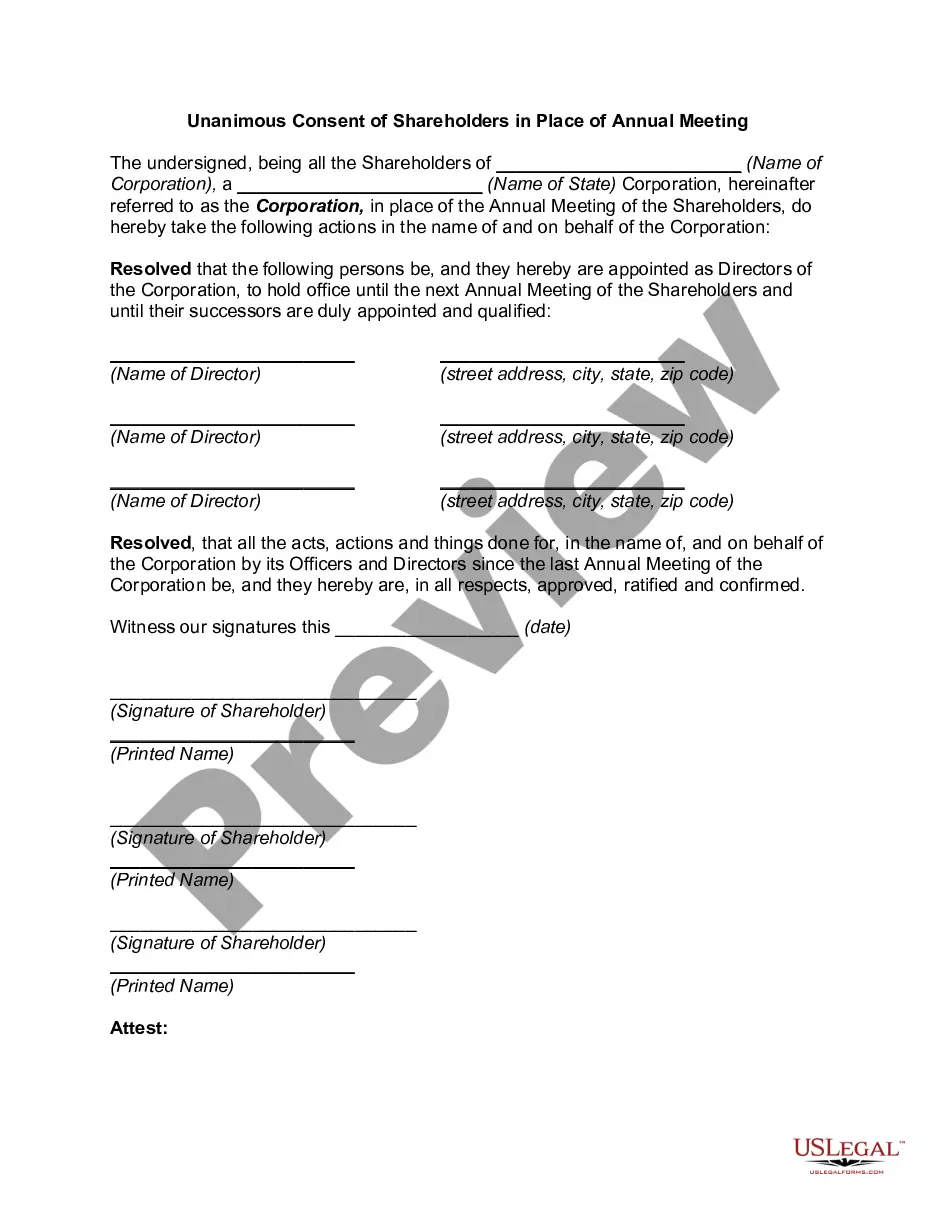
Get your form ready online
Our built-in tools help you complete, sign, share, and store your documents in one place.
Make edits, fill in missing information, and update formatting in US Legal Forms—just like you would in MS Word.
Download a copy, print it, send it by email, or mail it via USPS—whatever works best for your next step.
Sign and collect signatures with our SignNow integration. Send to multiple recipients, set reminders, and more. Go Premium to unlock E-Sign.
If this form requires notarization, complete it online through a secure video call—no need to meet a notary in person or wait for an appointment.
We protect your documents and personal data by following strict security and privacy standards.

Make edits, fill in missing information, and update formatting in US Legal Forms—just like you would in MS Word.

Download a copy, print it, send it by email, or mail it via USPS—whatever works best for your next step.

Sign and collect signatures with our SignNow integration. Send to multiple recipients, set reminders, and more. Go Premium to unlock E-Sign.

If this form requires notarization, complete it online through a secure video call—no need to meet a notary in person or wait for an appointment.

We protect your documents and personal data by following strict security and privacy standards.
Looking for another form?



Form popularity
FAQ
The Open Meetings Act (Government Code, Chapter 551) provides that meetings of governmental bodies must be open to the public (except for expressly authorized executive sessions).
If you cannot find what you are looking for, please contact us at 617-963-2540 or at openmeeting@state.ma.
Common types of nonprofits that are subject to open meeting laws are: State, local and federal boards, commissions and authorities. State educational institutions. Private entities receiving public funds.
(f) After notifying the chair of the public body, any person may make a video or audio recording of an open session of a meeting of a public body, or may transmit the meeting through any medium, subject to reasonable requirements of the chair as to the number, placement and operation of equipment used so as not to ...
A public meeting refers to a meeting that is open to the public. A public hearing is open to the public but is regarding a specific proposal/project.
Under the Open Meeting Law, the public is permitted to attend meetings of public bodies but is excluded from an executive session that is called for a valid purpose listed in the law. While the public is permitted to attend an open meeting, an individual may not address the public body without permission of the chair.
A member of a governing body commits a crime if he or she participates in a closed meeting if they know that a certified agenda or tape recording of the closed meeting is not being made. This is a Class C misdemeanor punishable by a fine up to $500.
Upon finding a violation of the Open Meeting Law, the Attorney General may impose a civil penalty upon a public body of not more than $1,000 for each intentional violation.

