Invitation Letter With Seminar In Suffolk
Description
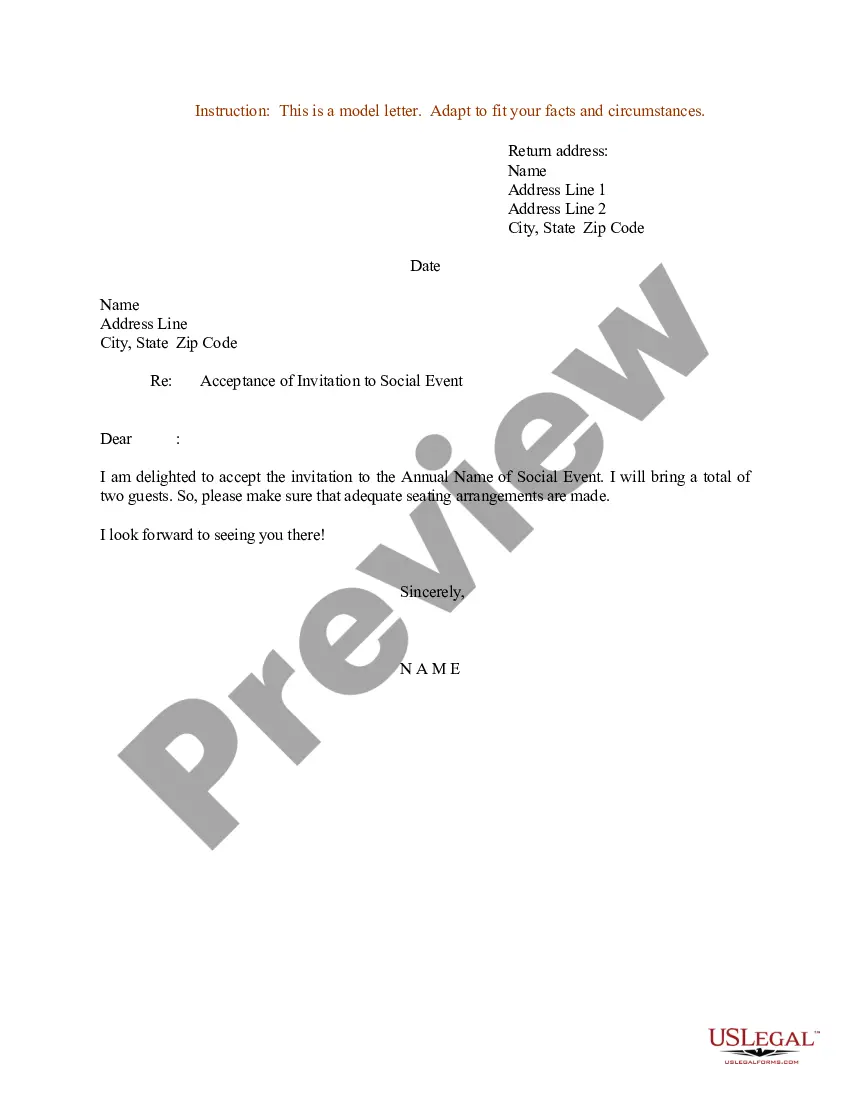
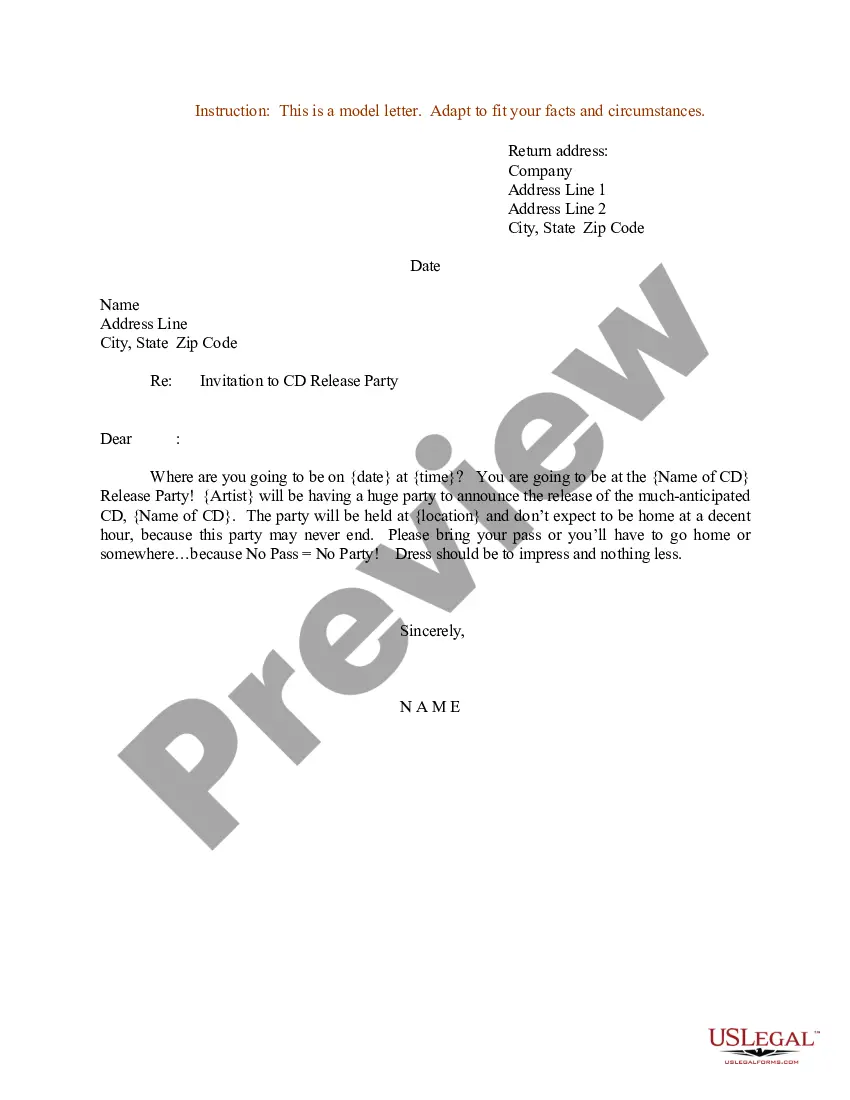
Get your form ready online
Our built-in tools help you complete, sign, share, and store your documents in one place.
Make edits, fill in missing information, and update formatting in US Legal Forms—just like you would in MS Word.
Download a copy, print it, send it by email, or mail it via USPS—whatever works best for your next step.
Sign and collect signatures with our SignNow integration. Send to multiple recipients, set reminders, and more. Go Premium to unlock E-Sign.
If this form requires notarization, complete it online through a secure video call—no need to meet a notary in person or wait for an appointment.
We protect your documents and personal data by following strict security and privacy standards.

Make edits, fill in missing information, and update formatting in US Legal Forms—just like you would in MS Word.

Download a copy, print it, send it by email, or mail it via USPS—whatever works best for your next step.

Sign and collect signatures with our SignNow integration. Send to multiple recipients, set reminders, and more. Go Premium to unlock E-Sign.

If this form requires notarization, complete it online through a secure video call—no need to meet a notary in person or wait for an appointment.

We protect your documents and personal data by following strict security and privacy standards.
Looking for another form?
Form popularity
FAQ
Elements of an Invitation Letter Guest's Information: Full name, passport number, date of birth, and contact information. Purpose of Visit and Event Details: Clearly state why the guest is coming and what they will be doing during their stay. Include event details such as date, time, location, and logistics.
What should the letter say? Name and contact information for the host. Host's immigration status (for example, “U.S. citizen”) Relationship between the host and the visa applicant. Visa applicant's full name and address. Purpose of the trip. Exact dates of the trip. Host's signature.
Visitors may use the B-1 visa for brief stays, usually less than six months, to participate in scientific, educational, professional or business conventions, conferences, or seminars.
Example: Dear Recipient's Name, I am pleased to invite you to Event Name, which will take place on Event Date at Event Time at Event Venue. The purpose of this event is to briefly describe the purpose or agenda of the event.
Guidelines for writing invitations: Name of the conference and the sponsoring organization; Date, time, place of the conference and speech; Type of audience; The type of speech, topic, and how long the speech should be; Any accommodations that will be made, including lodging, meals, and transportation;
Details: Mention the date and time of your celebration. Indicate the location (your home, a community center, etc.). (Optional) Briefly mention any activities planned (feast, music, performances). Invitation: ``We would be delighted if you could join us for this festive occasion.''
Make sure it contains the name of the conference, the dates, the location, who organises it, your name, the university you are from, the paper you will present and when, and that it includes contact info for the organizers if the consular officer wants to check. Print on letterhead paper, sign, scan, send.
Dear Recipient's Name, I am pleased to invite you to Sender's Company Name's Annual Business Seminar, scheduled to be held on Date at Venue. The seminar will commence at Beginning Time and end by End Time.
Register for the Conference Once your registration is confirmed, most organizers will provide an invitation letter upon request. This letter typically includes essential details like your name, the event dates, the venue, and a confirmation of your participation.
Dear Recipient's Name, I am pleased to invite you to Sender's Company Name's Annual Business Seminar, scheduled to be held on Date at Venue. The seminar will commence at Beginning Time and end by End Time.

