Church Invitation Letter Format In Salt Lake
Description
Get your form ready online
Our built-in tools help you complete, sign, share, and store your documents in one place.
Make edits, fill in missing information, and update formatting in US Legal Forms—just like you would in MS Word.
Download a copy, print it, send it by email, or mail it via USPS—whatever works best for your next step.
Sign and collect signatures with our SignNow integration. Send to multiple recipients, set reminders, and more. Go Premium to unlock E-Sign.
If this form requires notarization, complete it online through a secure video call—no need to meet a notary in person or wait for an appointment.
We protect your documents and personal data by following strict security and privacy standards.

Make edits, fill in missing information, and update formatting in US Legal Forms—just like you would in MS Word.

Download a copy, print it, send it by email, or mail it via USPS—whatever works best for your next step.

Sign and collect signatures with our SignNow integration. Send to multiple recipients, set reminders, and more. Go Premium to unlock E-Sign.

If this form requires notarization, complete it online through a secure video call—no need to meet a notary in person or wait for an appointment.

We protect your documents and personal data by following strict security and privacy standards.
Looking for another form?



Form popularity
FAQ
Start with a warm greeting and introduction. Thank the recipient for their involvement in the church and let them know you're writing to invite them to an upcoming event. Clearly state the name, date, time, and location of the event. Explain the purpose and theme of the event. Emphas
“Grace and peace to you in the name of Jesus Christ” was beloved by Paul for both openings and closings; “In grace & peace” tends to be my default sign-off, although I've used “Shalom” and a few other churchly signifiers.
Examples of Effective Church Visitor Letters Dear Visitor's Name, We are delighted that you chose to worship with us at Church Name on Date. Your presence was greatly appreciated, and we hope that you felt welcomed and inspired during your time with us.
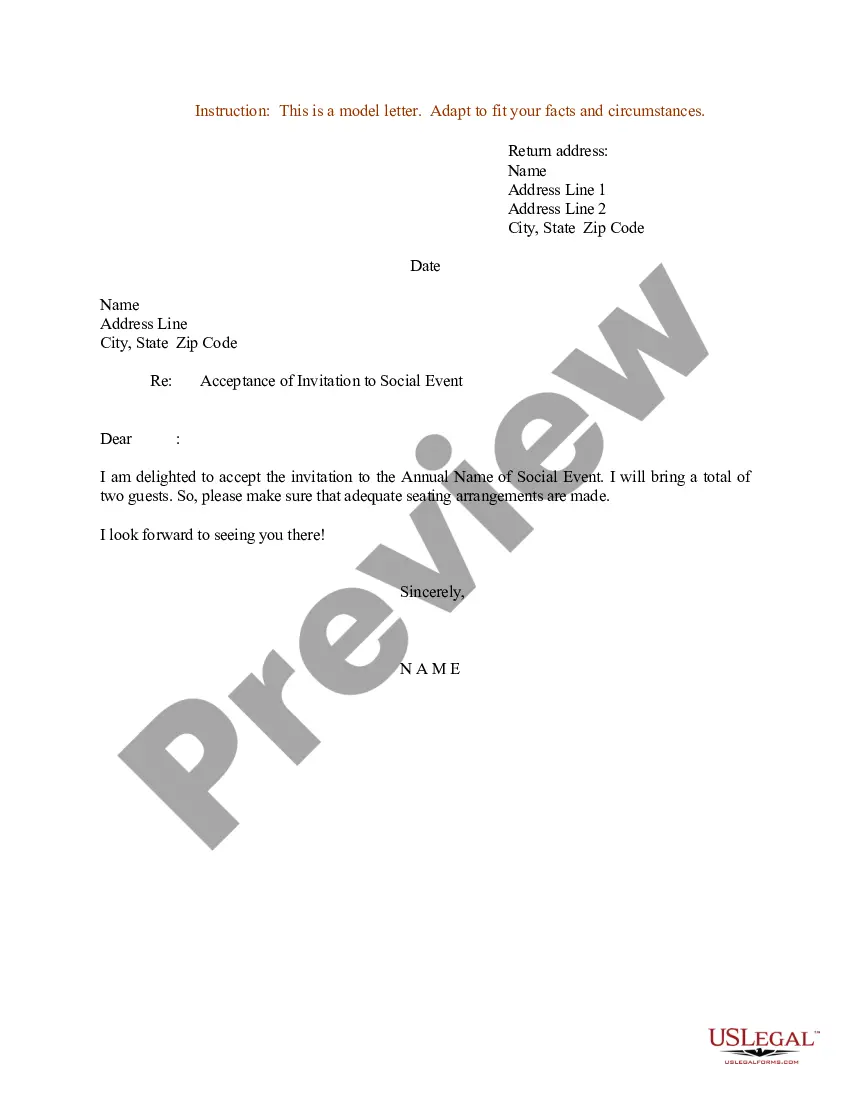
Informal Invitation Letter – Guidelines and Tips It is written in the first person (I/we). The sender's address is written as usual but the receiver's address is not mentioned. The date of writing the invitation is given but there is no need to write the year. The salutation is Dear + name.
You can end your church letters on a meaningful note by having your pastor or a member of your church's leadership sign your ending sincerely. This adds a special touch to handwritten letters and allows the recipient to see the thought and effort that goes into each and every one.
Using Proper Salutations and Closings Begin your letter with a formal greeting such as “Dear Church Members”. End your letter with a blessing or prayer, such as “May God Bless You” or “In Christ's Love”.
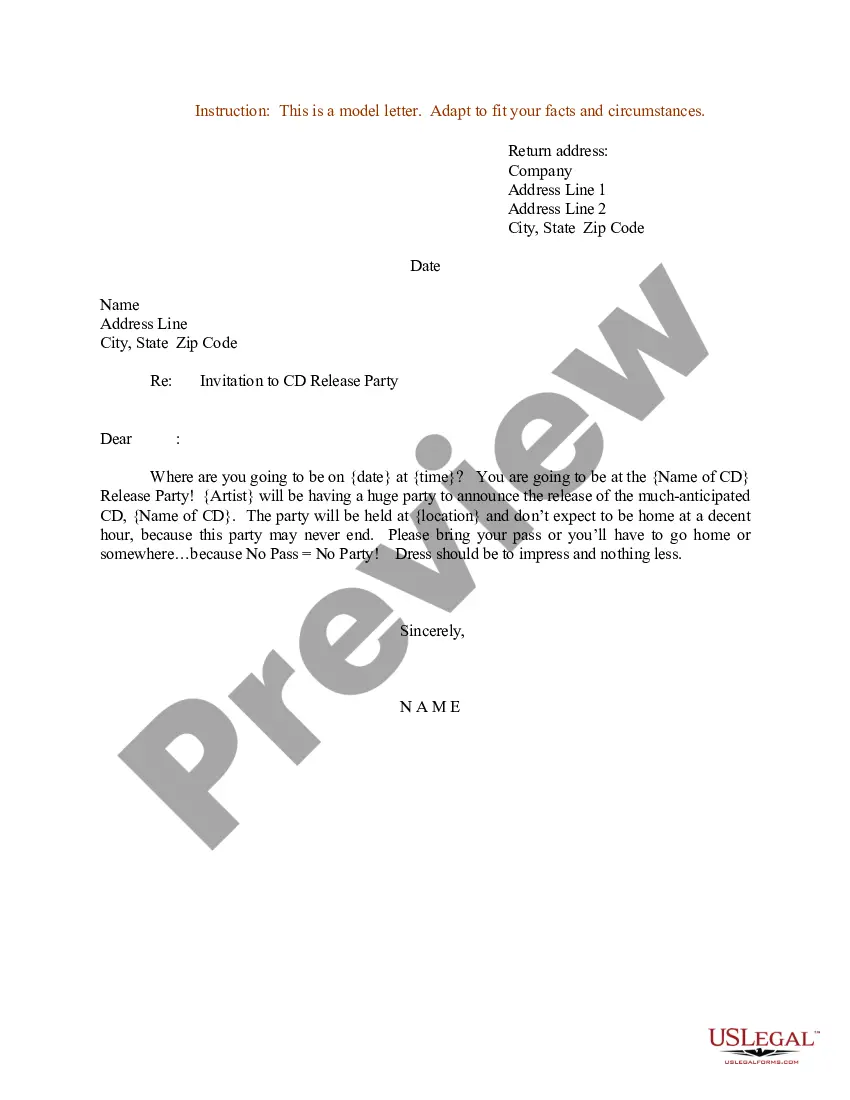
How to Write a Church Invitation Start Your Church Invitation by Addressing the Person by Name. Write a Sentence or Two About Why You Are Inviting Them to Church. Include the Day, Time and Location of the Service. Thank Them for Their Time and Say You Hope To See Them Soon. Sign Your Name at the Bottom of the Invitation.
You can address the recipient by starting with "Dear" followed by a personal title, such as "Mr." or "Ms." If you have the full name of the recipient of your business letter, you can enhance the formal nature of the letter by starting with "Dear" followed by a personal salutation, such as "Dear Ms. Levatson."
A good church invitation letter should be warm, welcoming, and to the point. It should include details about the event, any special guests or activities, and a call to action (e.g., RSVP). Remember to keep it concise and use positive language to encourage people to join in on the festivities.
Full Name and identification of invitee Full name and identification of person inviting. Capacity of person inviting - relative, friend, business manager... Reason and duration of visit, and visit dates Who will be responsible for the invitee - including expenses

