Invitation Letter With Presentation In Middlesex
Description
Get your form ready online
Our built-in tools help you complete, sign, share, and store your documents in one place.
Make edits, fill in missing information, and update formatting in US Legal Forms—just like you would in MS Word.
Download a copy, print it, send it by email, or mail it via USPS—whatever works best for your next step.
Sign and collect signatures with our SignNow integration. Send to multiple recipients, set reminders, and more. Go Premium to unlock E-Sign.
If this form requires notarization, complete it online through a secure video call—no need to meet a notary in person or wait for an appointment.
We protect your documents and personal data by following strict security and privacy standards.

Make edits, fill in missing information, and update formatting in US Legal Forms—just like you would in MS Word.

Download a copy, print it, send it by email, or mail it via USPS—whatever works best for your next step.

Sign and collect signatures with our SignNow integration. Send to multiple recipients, set reminders, and more. Go Premium to unlock E-Sign.

If this form requires notarization, complete it online through a secure video call—no need to meet a notary in person or wait for an appointment.

We protect your documents and personal data by following strict security and privacy standards.
Looking for another form?






Form popularity
FAQ
Guidelines for writing invitations: Name of the conference and the sponsoring organization; Date, time, place of the conference and speech; Type of audience; The type of speech, topic, and how long the speech should be; Any accommodations that will be made, including lodging, meals, and transportation;
Informal Invitation Letter – Guidelines and Tips It is written in the first person (I/we). The sender's address is written as usual but the receiver's address is not mentioned. The date of writing the invitation is given but there is no need to write the year. The salutation is Dear + name.
While writing the letter, we have to first introduce ourselves, then mention all about the event which is being organized and give the proper venue for the event. Moving forward, we would appreciate the presence of such special guests. End the letter by expecting a positive reply from their side.
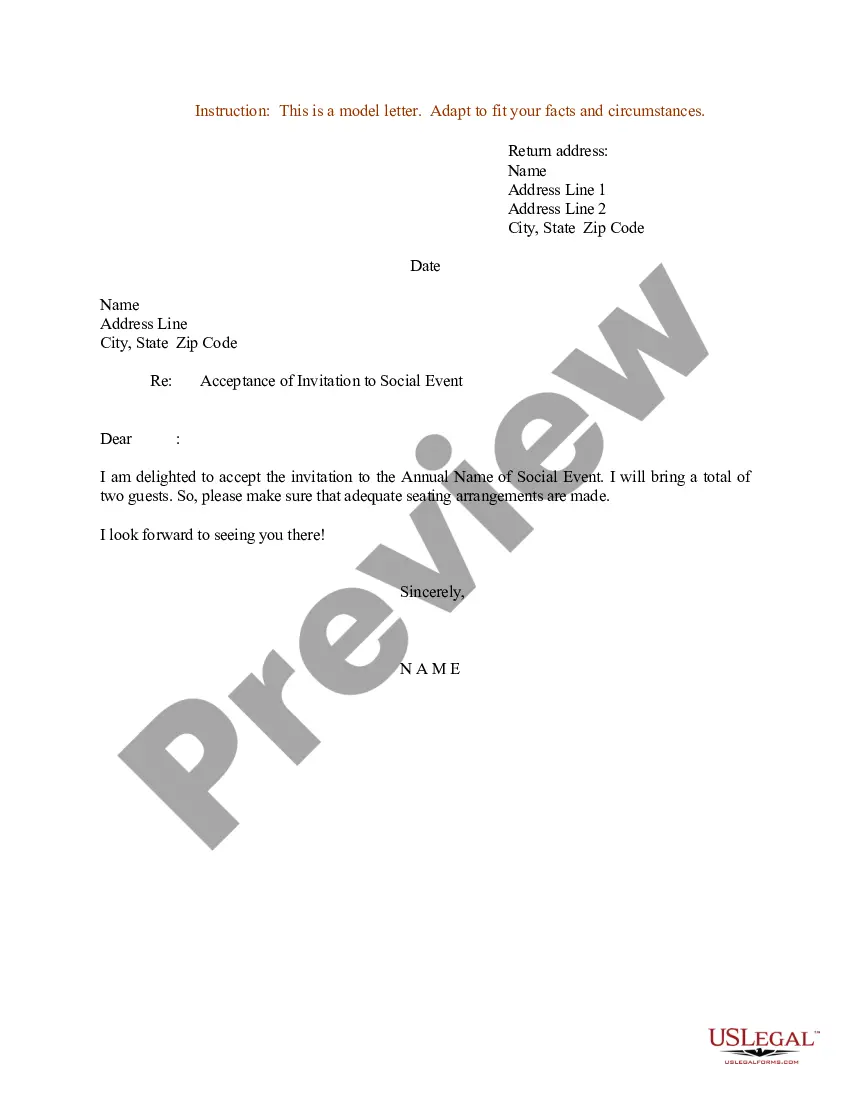
Dear Recipient's Name, I am pleased to invite you to Sender's Company Name's Annual Business Seminar, scheduled to be held on Date at Venue. The seminar will commence at Beginning Time and end by End Time.
1. Use catchy invitation phrases. Catchy invitation phrases will captivate your audience right from the start! Using phrases such as “Don't Miss Out!” or “Are You Ready?” will be intriguing for your audience; they will want to click on the invitation to see what your event is about!
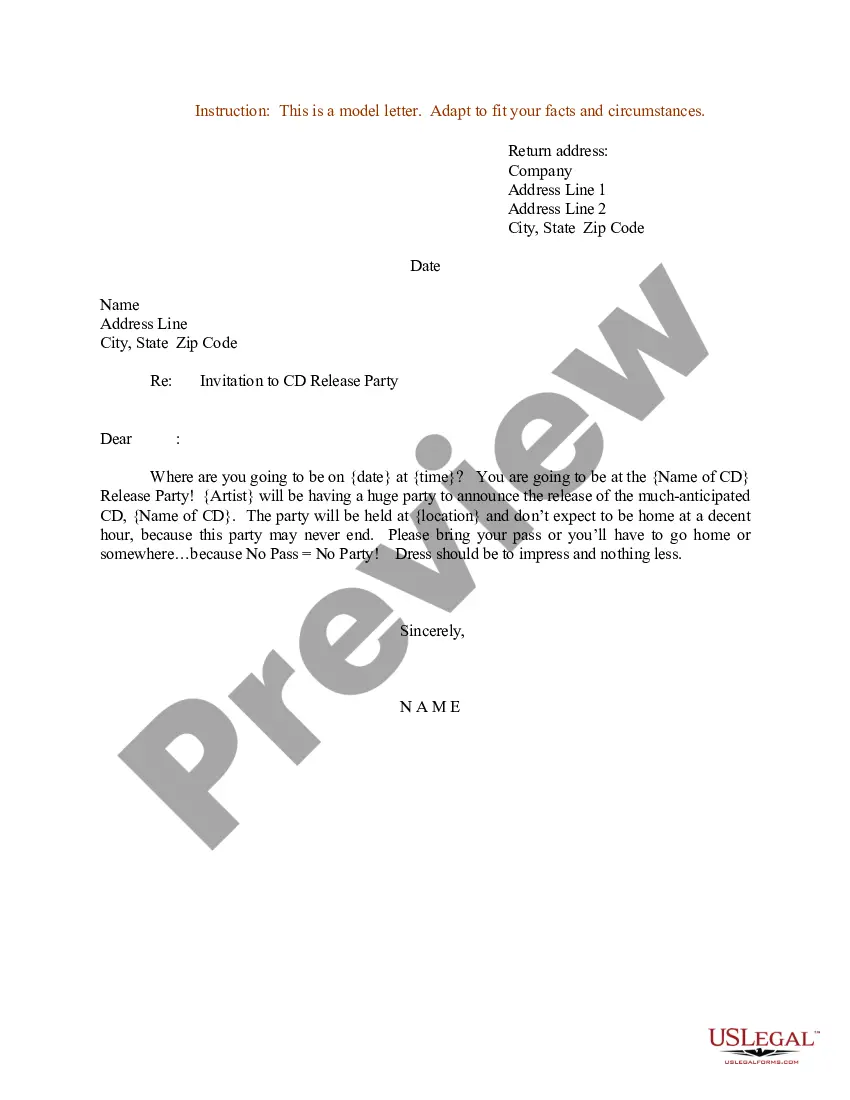
We're throwing a bash on (Date) at (Time) at (Location), and we'd love for you to join the fun. This party is all about (Theme of party). Think (Highlights of the party): (Exciting activity/entertainment) (Delicious food/drinks) (Fun party favors) (Great music/ambiance)
Tips for Writing an Effective Presentation Letter Personalize your letter. Avoid using generic templates and make an effort to tailor your letter to the specific company and position you are applying for. Keep it concise and focused. Use a conversational tone. Showcase your achievements. Proofread and edit.
Example: Dear Recipient's Name, I am pleased to invite you to Event Name, which will take place on Event Date at Event Time at Event Venue. The purpose of this event is to briefly describe the purpose or agenda of the event.
Make your written request concise and clear. Specify the date first (it may be impossible, whatever comes next). Then describe the audience, purpose, topic, and what a tremendous difference you hope that speech will make in the world. Then the financial arrangements.
What should the letter say? Name and contact information for the host. Host's immigration status (for example, “U.S. citizen”) Relationship between the host and the visa applicant. Visa applicant's full name and address. Purpose of the trip. Exact dates of the trip. Host's signature.

