Letter Invitation For Visa In Contra Costa
Description
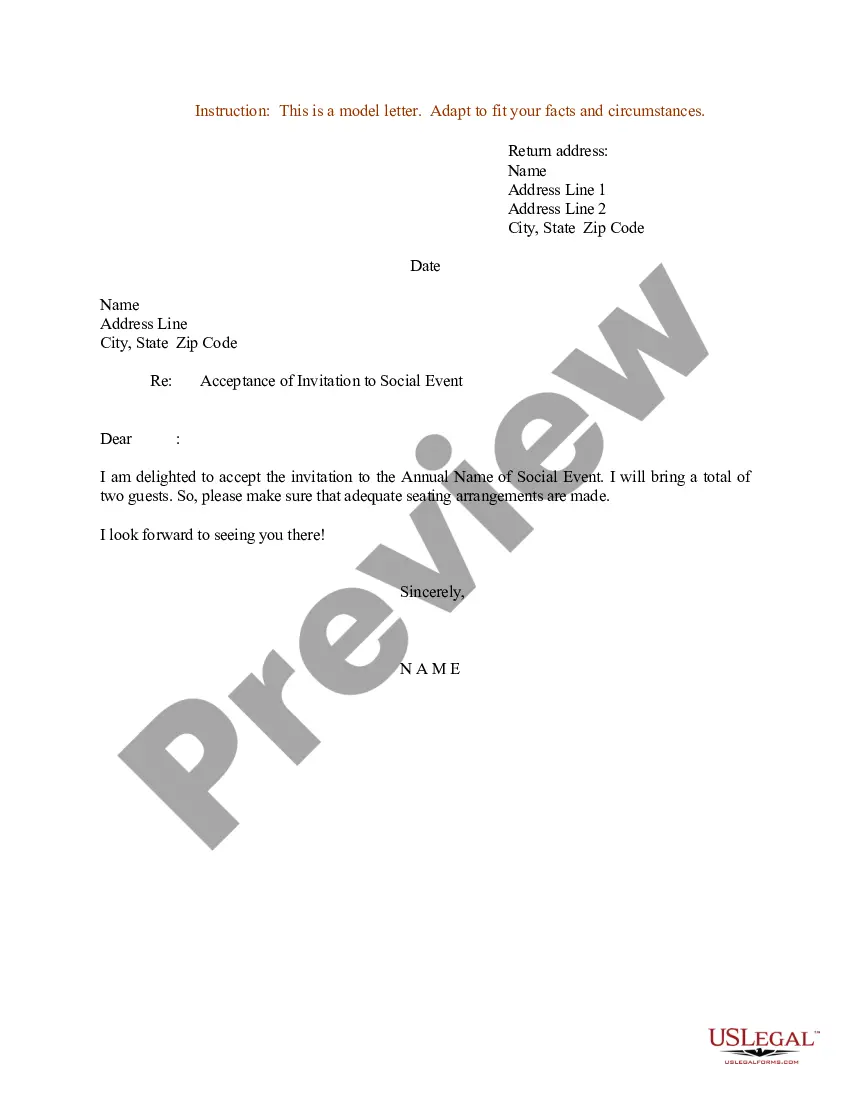
Get your form ready online
Our built-in tools help you complete, sign, share, and store your documents in one place.
Make edits, fill in missing information, and update formatting in US Legal Forms—just like you would in MS Word.
Download a copy, print it, send it by email, or mail it via USPS—whatever works best for your next step.
Sign and collect signatures with our SignNow integration. Send to multiple recipients, set reminders, and more. Go Premium to unlock E-Sign.
If this form requires notarization, complete it online through a secure video call—no need to meet a notary in person or wait for an appointment.
We protect your documents and personal data by following strict security and privacy standards.

Make edits, fill in missing information, and update formatting in US Legal Forms—just like you would in MS Word.

Download a copy, print it, send it by email, or mail it via USPS—whatever works best for your next step.

Sign and collect signatures with our SignNow integration. Send to multiple recipients, set reminders, and more. Go Premium to unlock E-Sign.

If this form requires notarization, complete it online through a secure video call—no need to meet a notary in person or wait for an appointment.

We protect your documents and personal data by following strict security and privacy standards.
Looking for another form?









Form popularity
FAQ
What should the letter say? Name and contact information for the host. Host's immigration status (for example, “U.S. citizen”) Relationship between the host and the visa applicant. Visa applicant's full name and address. Purpose of the trip. Exact dates of the trip. Host's signature.
A letter of invitation for a B-1/B-2 travel visa should include the following information: Name and contact information for the host. Host's immigration status (for example, “U.S. citizen”) Relationship between the host and the visa applicant. Visa applicant's full name and address. Purpose of the trip.
Addressing the Letter: Address the invitation letter to the correct authority, e.g. “Consulate General of Country” or “Embassy of Country”. This will make sure it reaches the right department. Host's Contact Details: Include the host's information in the letter, name, address, and phone number.
Write all the needed details The date that the letter was composed. The Embassy name. Embassy contact info (contact number and address). Opening salutations and declarations. Inviting individual's full name. Inviting individual's property status in Philippines (eg: citizen or permanent resident).
A formal invitation letter must follow the general structure of a formal letter. It should include key details such as the event's date, time, venue, and purpose. Use a professional tone and clear language to ensure the information is communicated effectively. Avoid using casual language or personal anecdotes.
Some visa offices may need these letters to be notarized. Contact the Canadian visa office of your visitor's country to find out if this is required. If your Canadian company is inviting a visitor, a representative of the company should write the letter. Some firms have specific people who sign letters of invitation.
I, Host Name, residing at Host Address, am writing to invite my Relation, e.g., mother, Visitor's Name, to visit me in Host Country for a period of Duration, e.g., 3 months starting from Date. During this time, Visitor's Name will stay with me, and I will cover their accommodation and expenses.
A Letter of invitation (original) from inviting party in the Philippines, notarized and authenticated by Department of Foreign Affairs, Philippines, indicating complete address and telephone number along with the passport copy of the invitee or ID bearing picture and signature of the invitee, attesting to guarantee all ...
Invitation letter for tourist visa Complete name. Date of birth. The applicant's address and telephone number. Your relationship to the applicant being invited (friend, sister, brother, parent, niece, uncle, etc). The purpose of the trip (vacation, business visitor, seminar, event).

