Letter Invitation For Visa Usa In Broward
Description
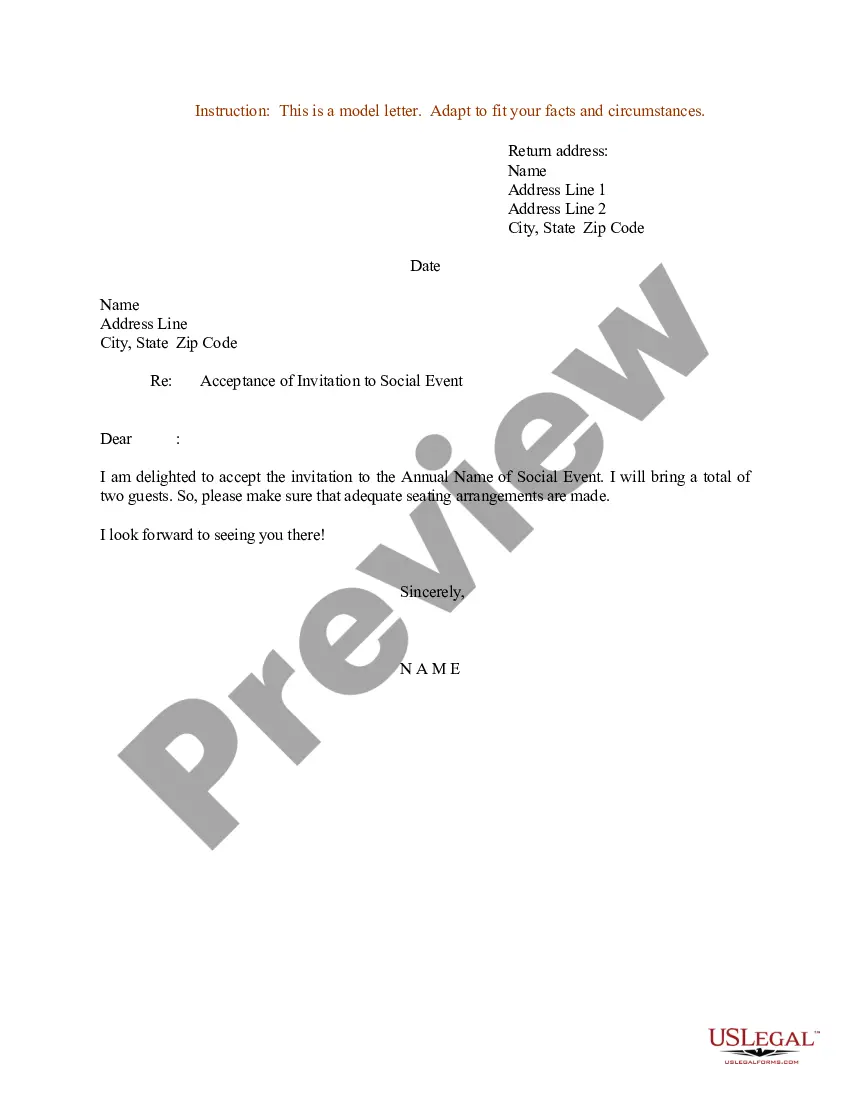
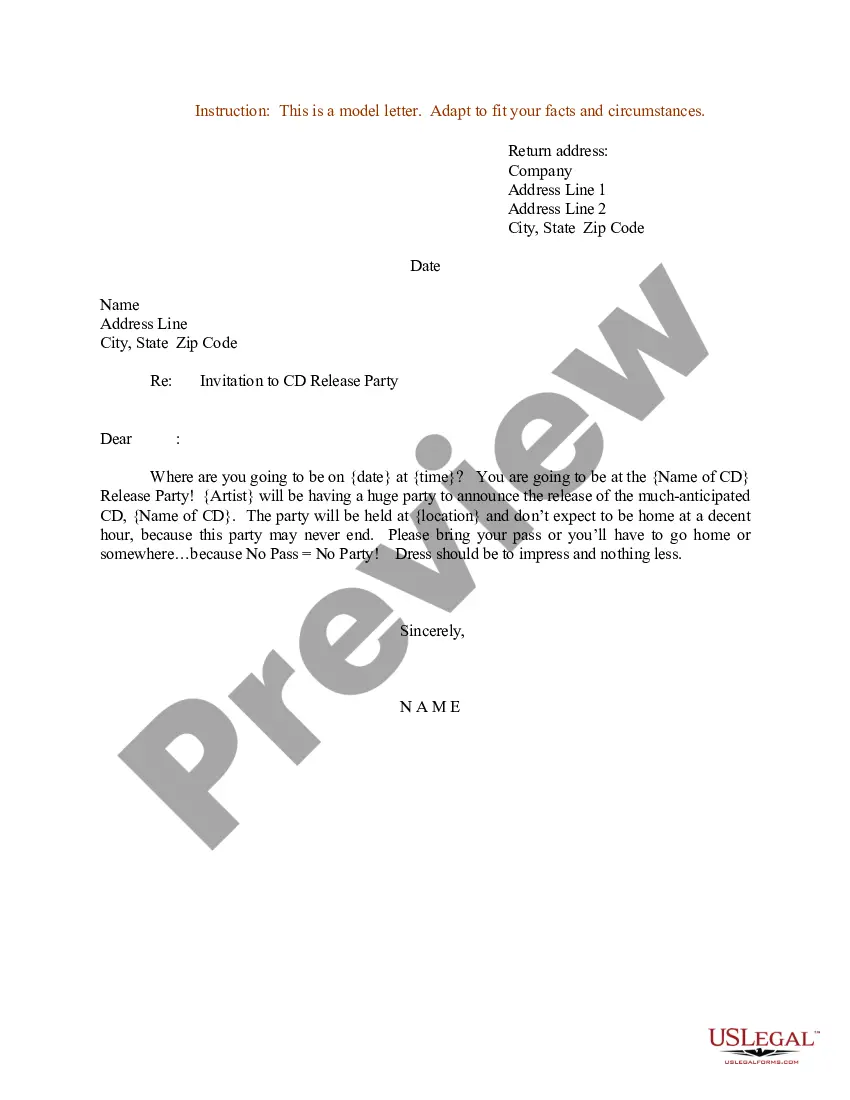
Get your form ready online
Our built-in tools help you complete, sign, share, and store your documents in one place.
Make edits, fill in missing information, and update formatting in US Legal Forms—just like you would in MS Word.
Download a copy, print it, send it by email, or mail it via USPS—whatever works best for your next step.
Sign and collect signatures with our SignNow integration. Send to multiple recipients, set reminders, and more. Go Premium to unlock E-Sign.
If this form requires notarization, complete it online through a secure video call—no need to meet a notary in person or wait for an appointment.
We protect your documents and personal data by following strict security and privacy standards.

Make edits, fill in missing information, and update formatting in US Legal Forms—just like you would in MS Word.

Download a copy, print it, send it by email, or mail it via USPS—whatever works best for your next step.

Sign and collect signatures with our SignNow integration. Send to multiple recipients, set reminders, and more. Go Premium to unlock E-Sign.

If this form requires notarization, complete it online through a secure video call—no need to meet a notary in person or wait for an appointment.

We protect your documents and personal data by following strict security and privacy standards.
Looking for another form?










Form popularity
FAQ
To address a letter to an embassy, start by putting the date in the top left-hand corner of the page. Then, below the date, include the formal title and name of the person you're addressing at the embassy, followed by the embassy's full address.
What is included in a visa support letter? The applicant's full name, job title, and country of origin. Your name and contact information. The company's registered name and address. Confirmation of a valid job offer sent to the applicant (relationship) Your reasoning for why the applicant should be granted a visa.
Include the full address and contact details of the embassy. In the opening paragraph, introduce yourself and state the purpose of the letter. Be clear and concise in explaining the reason for writing the letter. Provide your personal information, including your full name, address, contact number, and email address.
Your cover letter should include your personal information, the purpose of your visit, the duration of your stay, your travel itinerary, proof of financial means, and any ties to your home country that show you will return after your visit. It should also have a polite closing, requesting visa approval. 4.
Paragraph. This could be something like I am writing to support applicant's name application forMoreParagraph. This could be something like I am writing to support applicant's name application for residency. Or I am writing to request an update on my visa.
The letter must include the name of the inviting person or the full name of the organization, address, email, website address, residential status of the inviting person, passport numbers, purpose, duration and dates of the planned stay in the United States, address of the intended residence.
A letter of invitation for a B-1/B-2 travel visa should include the following information: Name and contact information for the host. Host's immigration status (for example, “U.S. citizen”) Relationship between the host and the visa applicant. Visa applicant's full name and address. Purpose of the trip.
It could be a family member, friend, or employer. The key is that the person writing the invitation letter should have a genuine relationship with the visa applicant and be willing to host them during their visit to the United States.
Most visitors should apply for a B-2 visitor visa at the U.S. Embassy/Consulate in order to enter the U.S. as a tourist. Review the Department of State site for more information on this type of visa. However, some individuals may be eligible to enter the U.S. on the Visa Waiver Program (see below) instead.
To sponsor your family member, submit a United States Citizenship and Immigration Services (USCIS) Form I-130. Each person you sponsor needs a separate Form I-130. You can submit the form online or by mail.

