Release With Prejudice Without A Lawyer In Georgia
Description

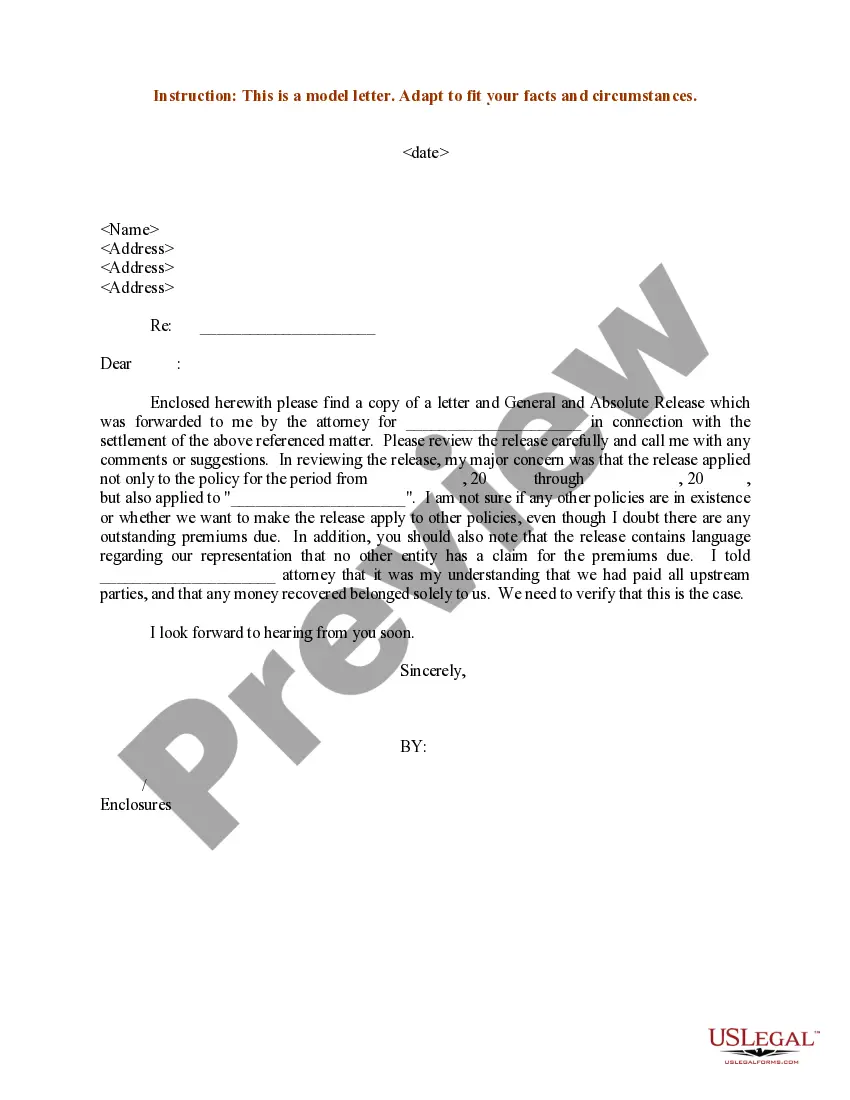
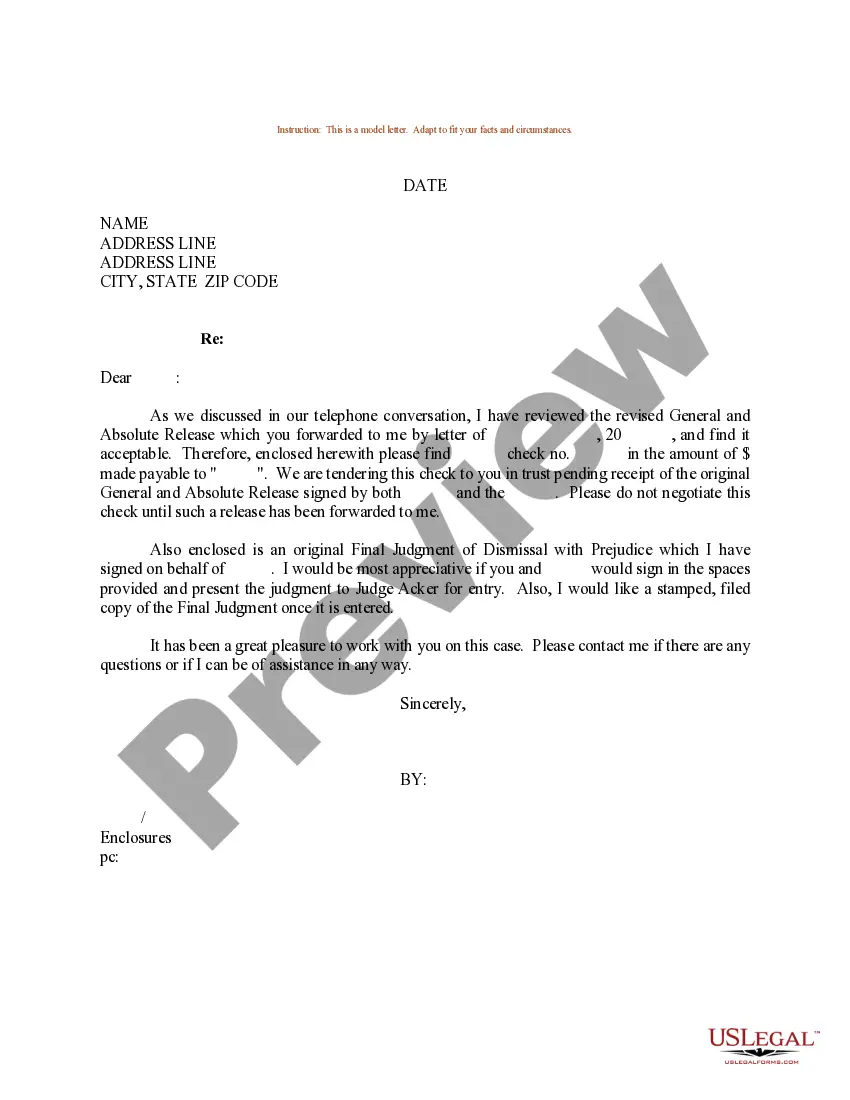
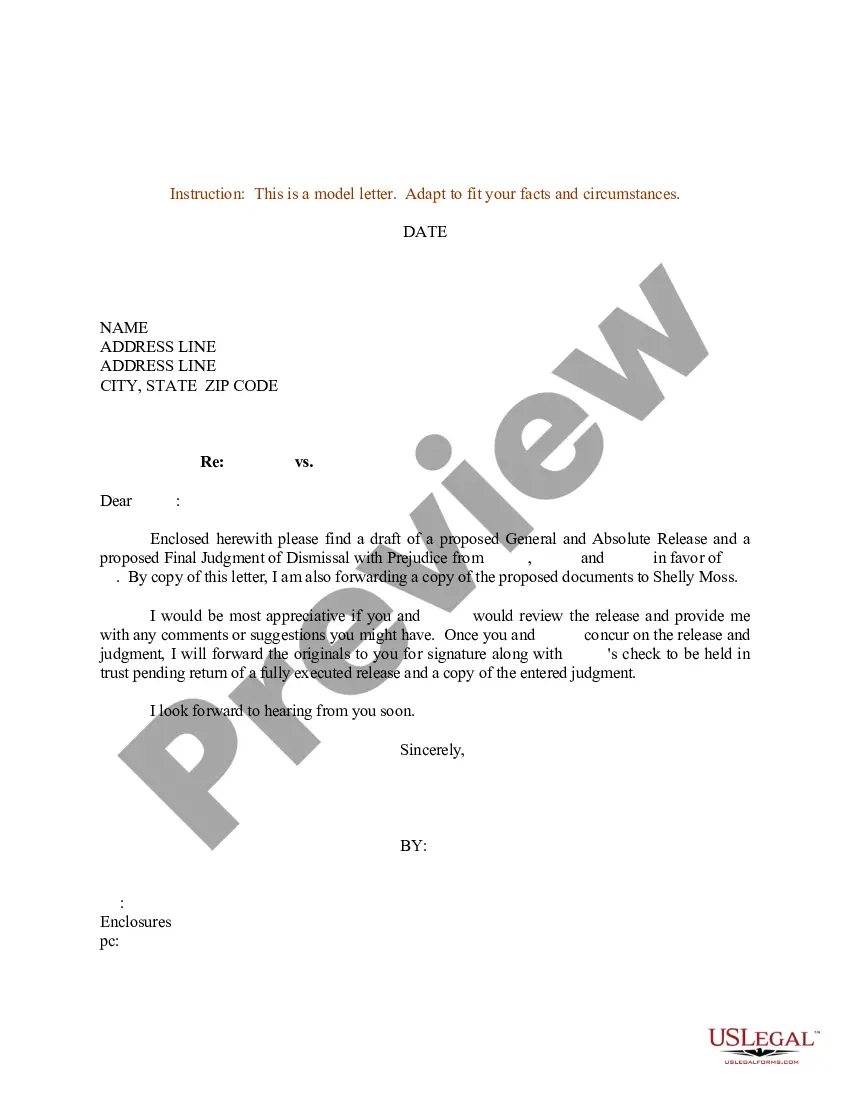
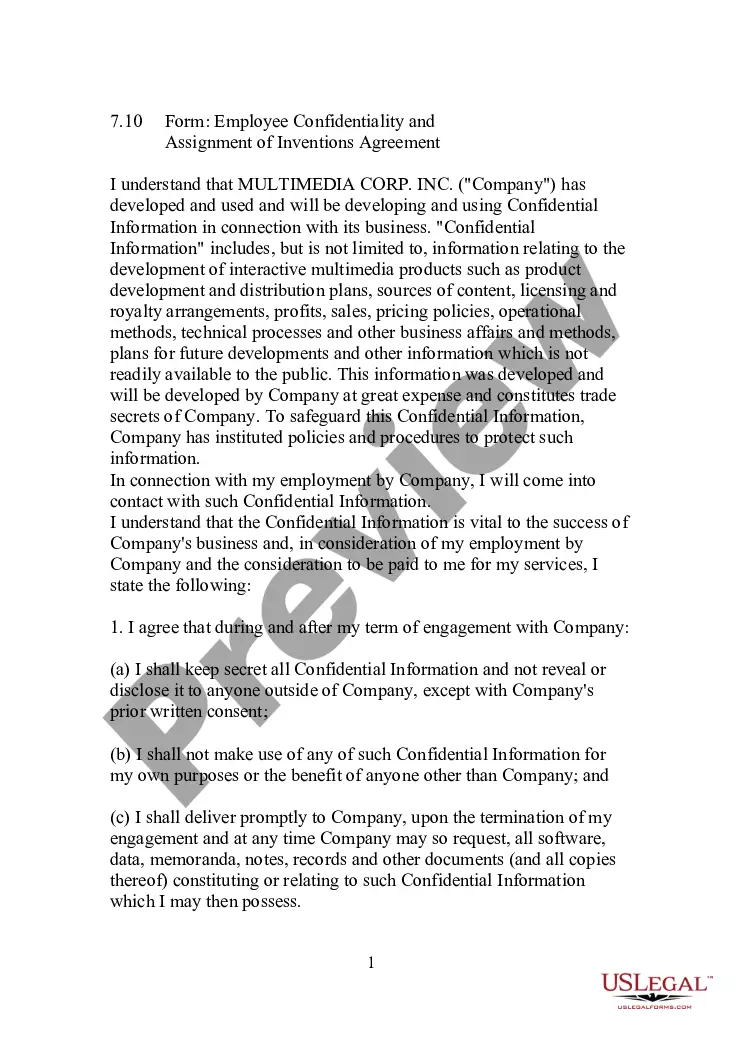
Get your form ready online
Our built-in tools help you complete, sign, share, and store your documents in one place.
Make edits, fill in missing information, and update formatting in US Legal Forms—just like you would in MS Word.
Download a copy, print it, send it by email, or mail it via USPS—whatever works best for your next step.
Sign and collect signatures with our SignNow integration. Send to multiple recipients, set reminders, and more. Go Premium to unlock E-Sign.
If this form requires notarization, complete it online through a secure video call—no need to meet a notary in person or wait for an appointment.
We protect your documents and personal data by following strict security and privacy standards.

Make edits, fill in missing information, and update formatting in US Legal Forms—just like you would in MS Word.

Download a copy, print it, send it by email, or mail it via USPS—whatever works best for your next step.

Sign and collect signatures with our SignNow integration. Send to multiple recipients, set reminders, and more. Go Premium to unlock E-Sign.

If this form requires notarization, complete it online through a secure video call—no need to meet a notary in person or wait for an appointment.

We protect your documents and personal data by following strict security and privacy standards.
Looking for another form?







Form popularity
FAQ
Any action or other proceeding filed in any of the courts of this state in which no written order is taken for a period of five years shall automatically stand dismissed with costs to be taxed against the party plaintiff.
Tell the court and the parties that you do not want to go forward with the case. You also need to use Notice of Entry of Dismissal and Proof of Service (form CIV-120).
A dismissal with prejudice means that the case is closed permanently. Once a case is dismissed with prejudice, the plaintiff is barred from filing another lawsuit on the same grounds. It's equivalent to a final judgment against the plaintiff and means victory for the defendant.
District Courts may dismiss with prejudice where the plaintiff acted irresponsibly or in bad faith, or where rehearing the claim would burden the court system.
A case dismissed with prejudice is over and done with, once and for all, and can't be brought back to court. A case dismissed without prejudice means the opposite. It's not dismissed forever. The person whose case it is can try again.
What Are Common Reasons for a Case Dismissed? The statute of limitations has expired. The defendant's constitutional right to a speedy trial has been violated. Prosecutorial misconduct. Witnesses are uncooperative or the victim recants. Scientific analysis, such as DNA test results, reveals new information.
District Courts may dismiss with prejudice where the plaintiff acted irresponsibly or in bad faith, or where rehearing the claim would burden the court system.
In the formal legal world, a court case that is dismissed with prejudice means that it is dismissed permanently. A case dismissed with prejudice is over and done with, once and for all, and can't be brought back to court. A case dismissed without prejudice means the opposite. It's not dismissed forever.
In the formal legal world, a court case that is dismissed with prejudice means that it is dismissed permanently. A case dismissed with prejudice is over and done with, once and for all, and can't be brought back to court. A case dismissed without prejudice means the opposite. It's not dismissed forever.
O.C.G.A. § 9-11-41 states that an “action may be dismissed by the plaintiff, without order or permission of court… by filing a written notice of dismissal at any time before the first witness is sworn.” However, filing a “second notice of dismissal operates as an adjudication upon the merits.”

