Consumer Investigative Release With Example In King
Description
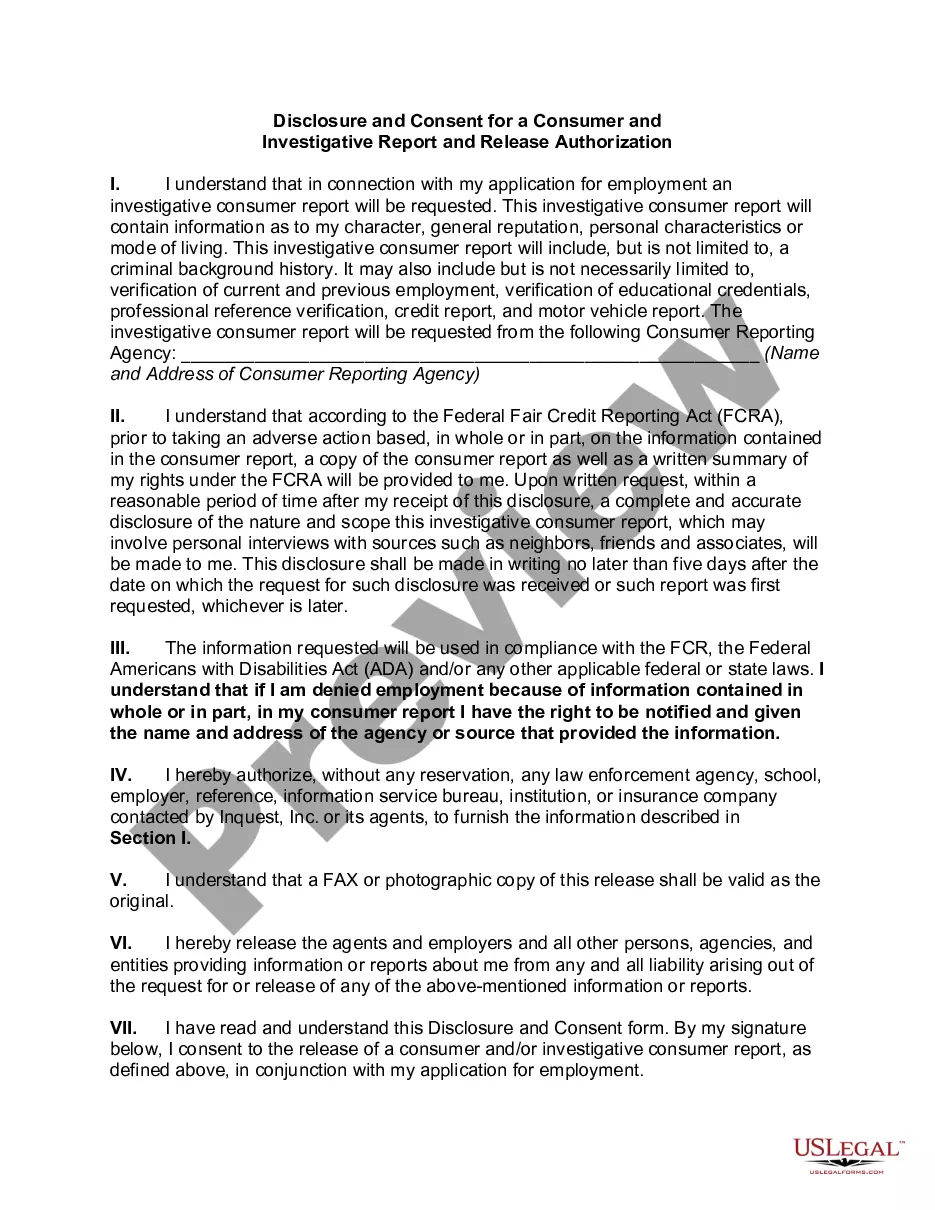
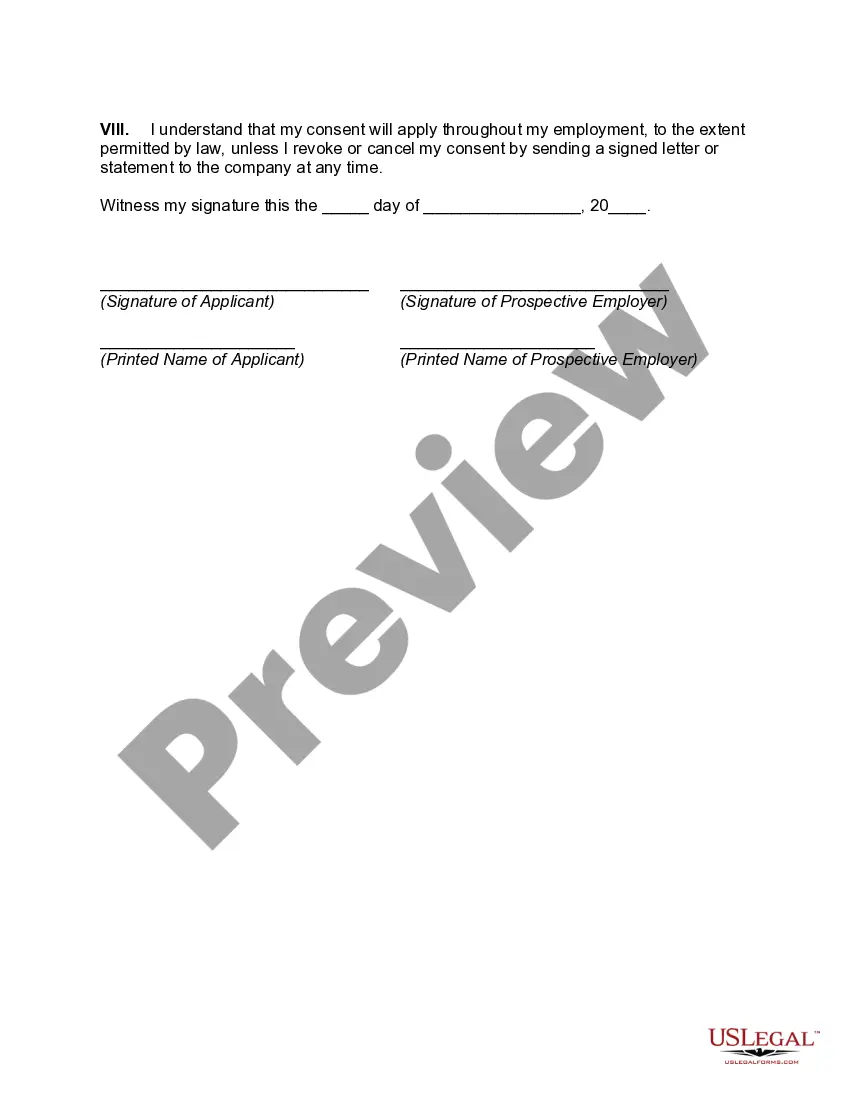
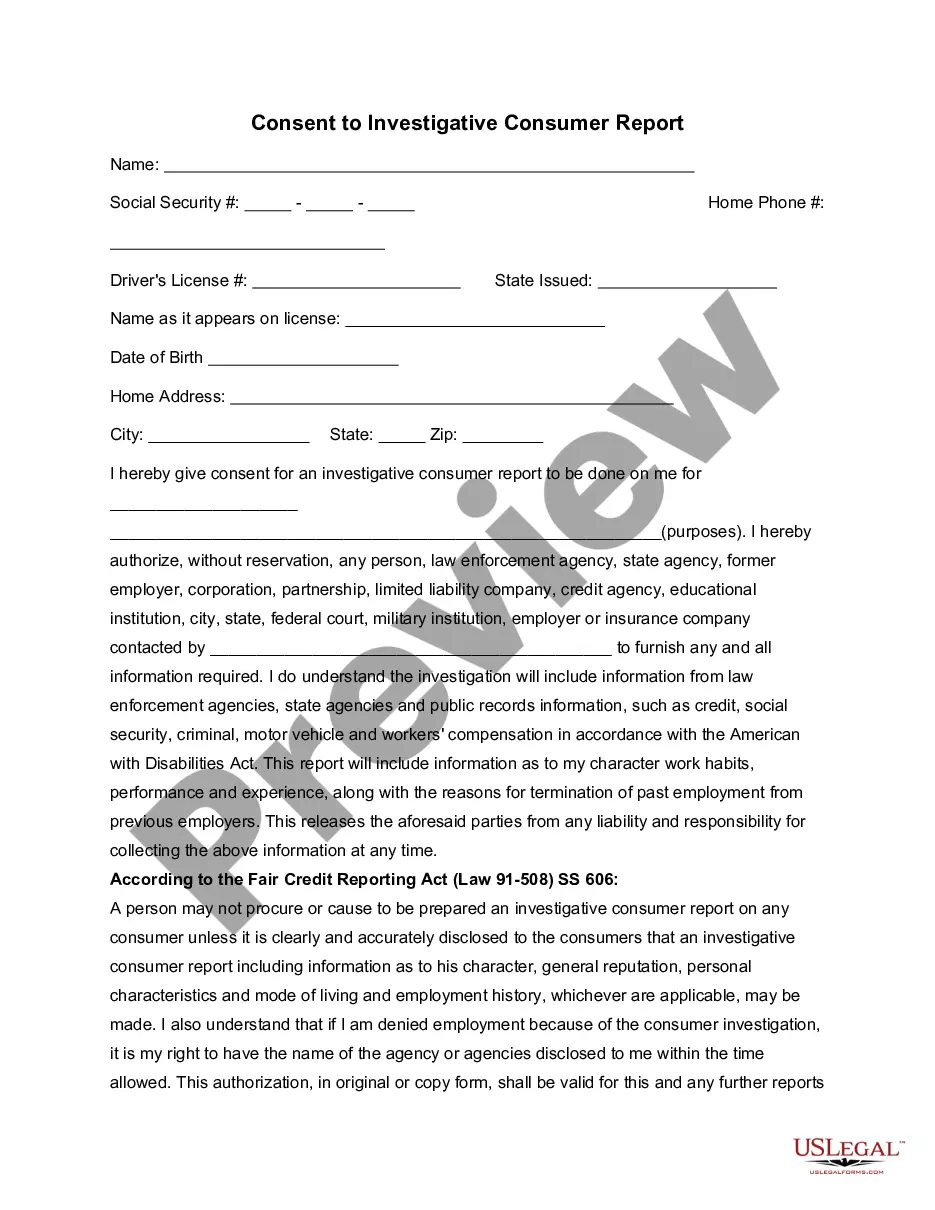
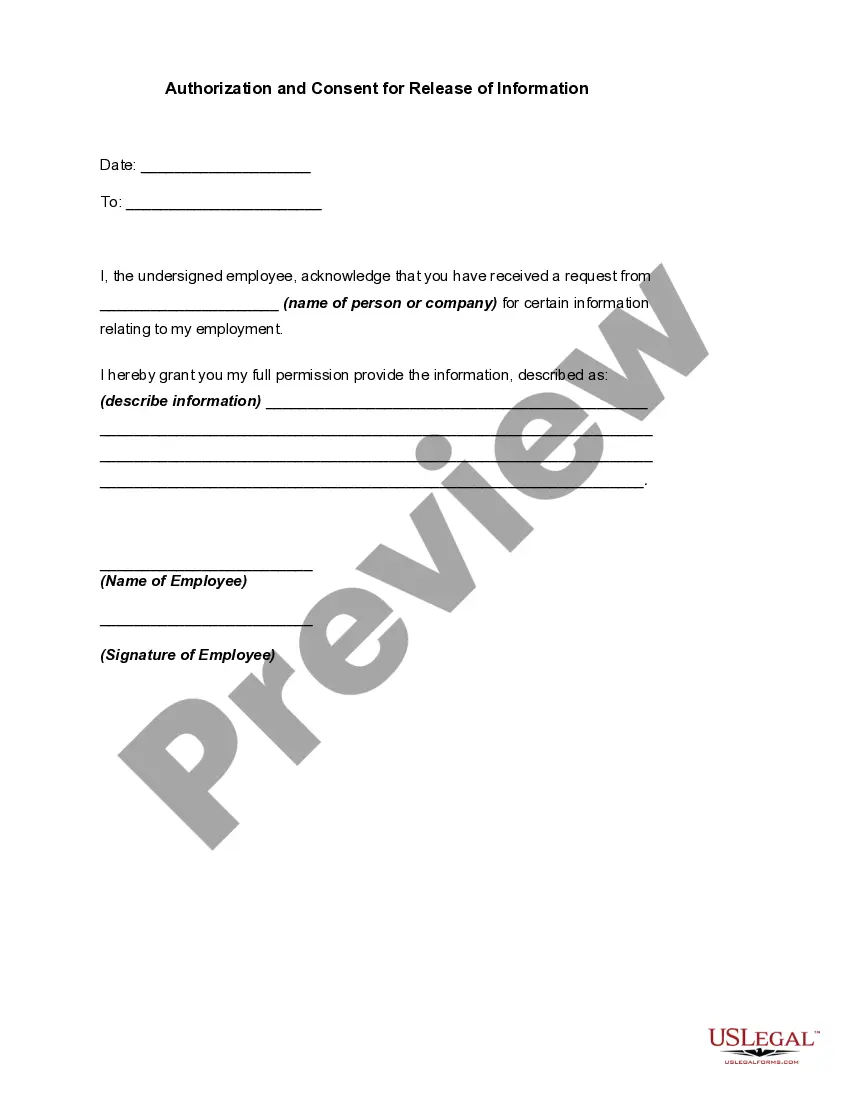
Get your form ready online
Our built-in tools help you complete, sign, share, and store your documents in one place.
Make edits, fill in missing information, and update formatting in US Legal Forms—just like you would in MS Word.
Download a copy, print it, send it by email, or mail it via USPS—whatever works best for your next step.
Sign and collect signatures with our SignNow integration. Send to multiple recipients, set reminders, and more. Go Premium to unlock E-Sign.
If this form requires notarization, complete it online through a secure video call—no need to meet a notary in person or wait for an appointment.
We protect your documents and personal data by following strict security and privacy standards.

Make edits, fill in missing information, and update formatting in US Legal Forms—just like you would in MS Word.

Download a copy, print it, send it by email, or mail it via USPS—whatever works best for your next step.

Sign and collect signatures with our SignNow integration. Send to multiple recipients, set reminders, and more. Go Premium to unlock E-Sign.

If this form requires notarization, complete it online through a secure video call—no need to meet a notary in person or wait for an appointment.

We protect your documents and personal data by following strict security and privacy standards.
Looking for another form?

Form popularity
FAQ
Start with a proper apology and avoid burying it at the end of lengthy letters. If you've made a mistake say 'sorry' without caveats and conditions. Justifying what has happened can play to customers' fears that the complaint handling stage will be subject to the same negativity as the original transaction.
Explanation: The first step you should take before contacting a government consumer agency with a complaint is to write a complaint letter to the company. This allows the company a chance to address and resolve the issue internally before involving external parties.
8 steps for handling customer complaints Listen to the customer. If a customer has complained, it means that they want their unique problem to be heard. Show empathy. Apologize. Ask thorough questions. Loop in necessary parties. Find a swift solution. Follow up. Create a record.
Your procedure could include the following steps. Listen to the complaint. Thank the customer for bringing the matter to your attention. Record details of the complaint. Get all the facts. Discuss options for fixing the problem. Act quickly. Keep your promises. Follow up.
The first step in resolving a consumer problem is to contact the business that sold the product or performed the service. A letter to the manager can be the most effective method. The letter should clearly outline the product purchased, explain the problem and state the resolution you're seeking.
Before you make a complaint, gather any documentation about the sale of the product or service first. These documents can include: Sales receipts. Warranties.
First contact the seller. If that does not work, contact a consumer complaint agency. If that does not bring satisfaction, consider other options, such as arbitration or filing a lawsuit.