Consumer Investigative Release With Case Laws In Florida
Description
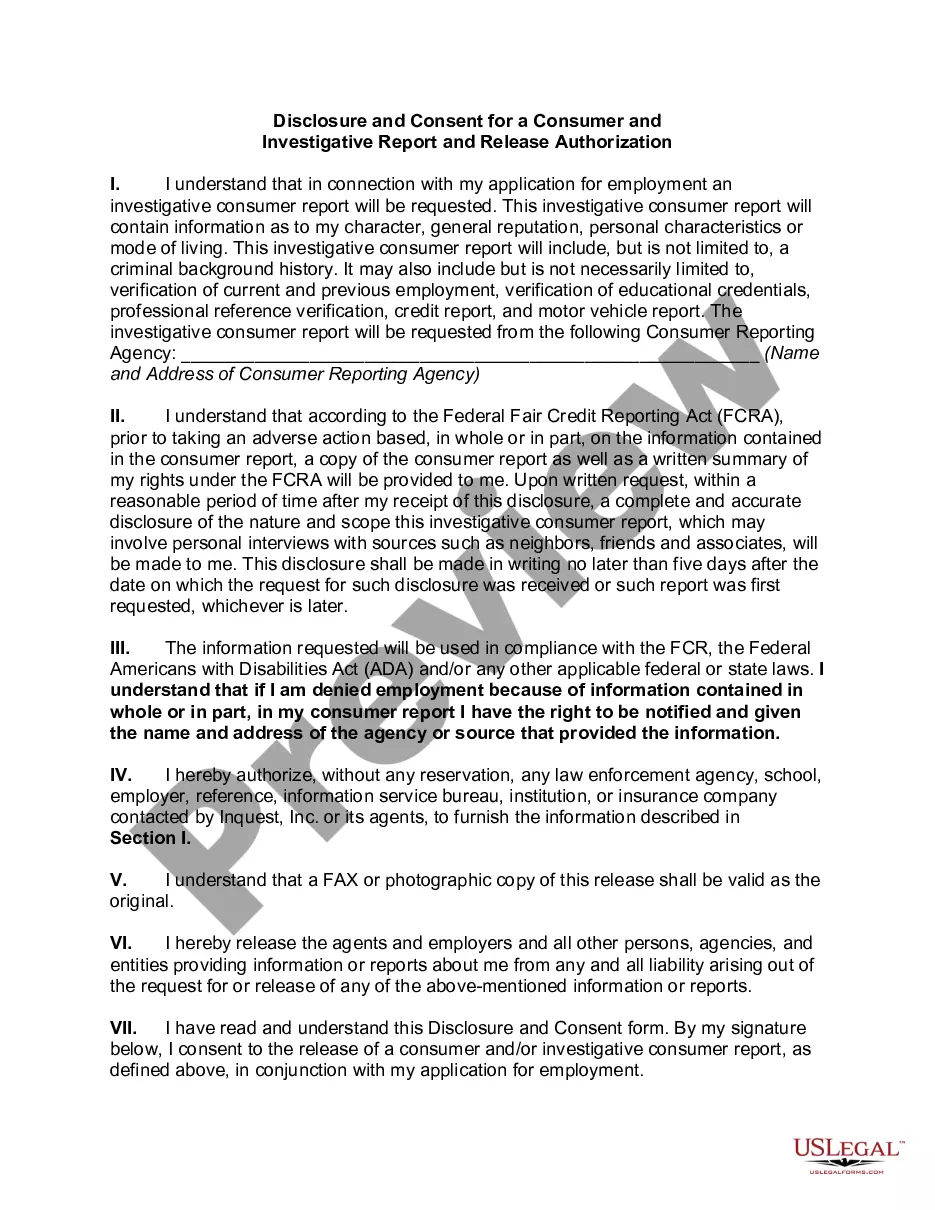
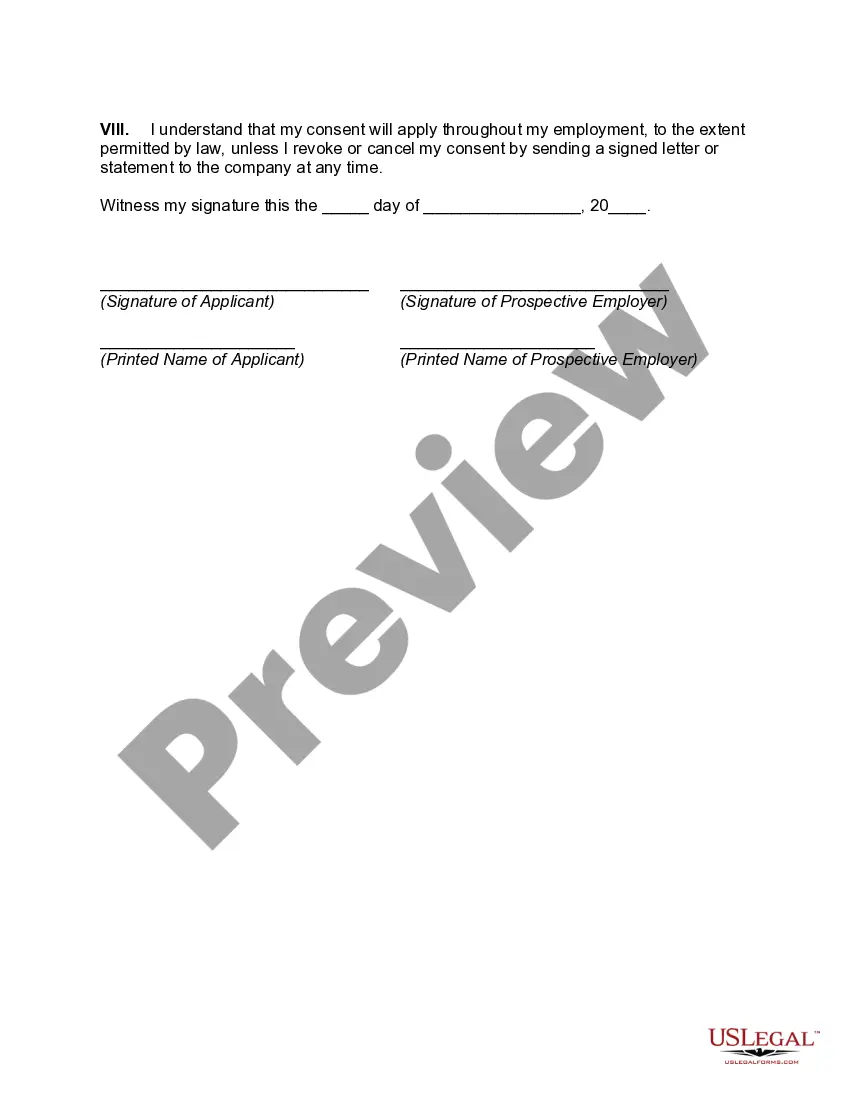
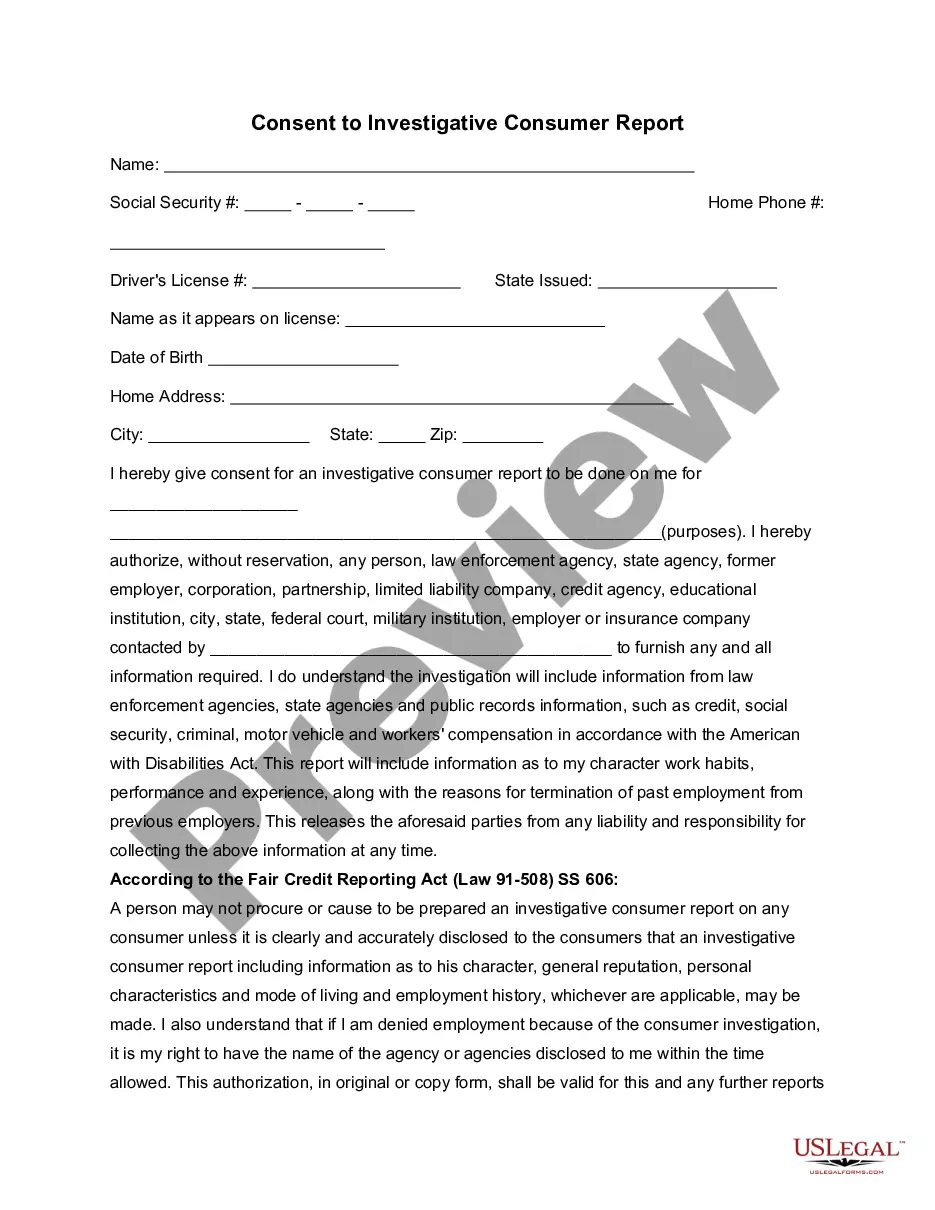
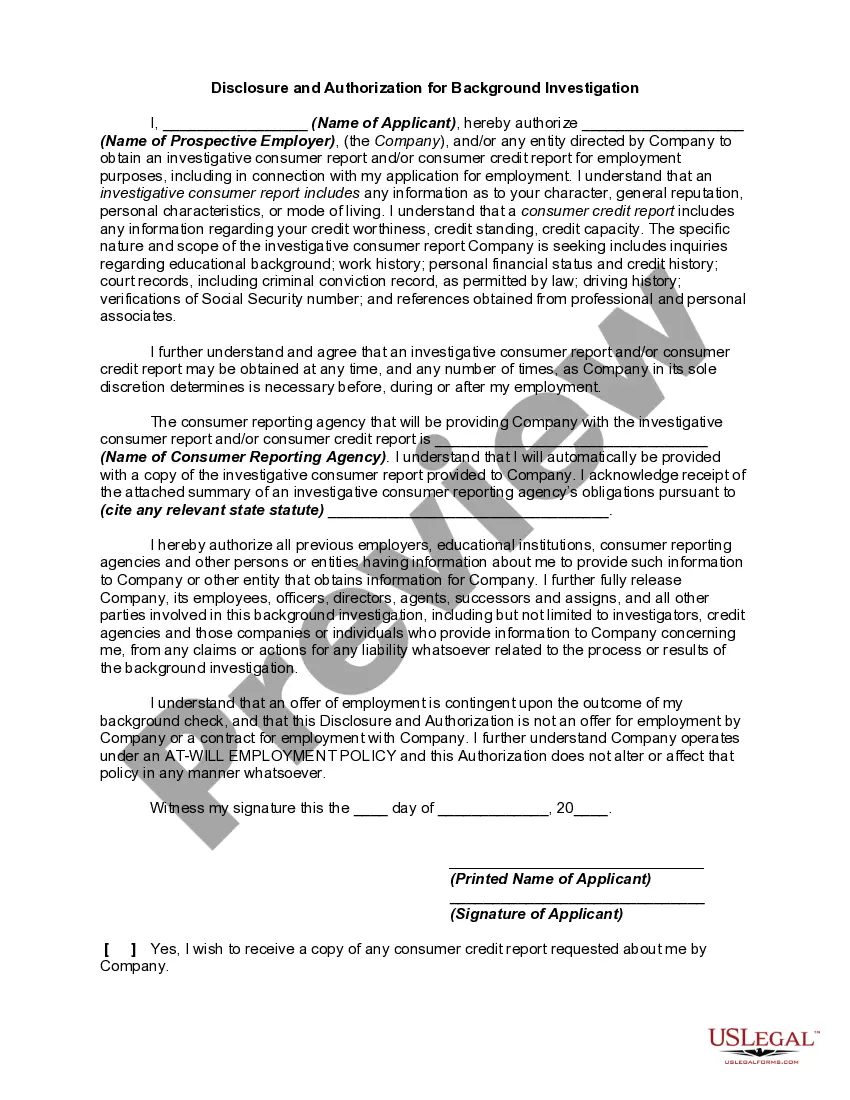
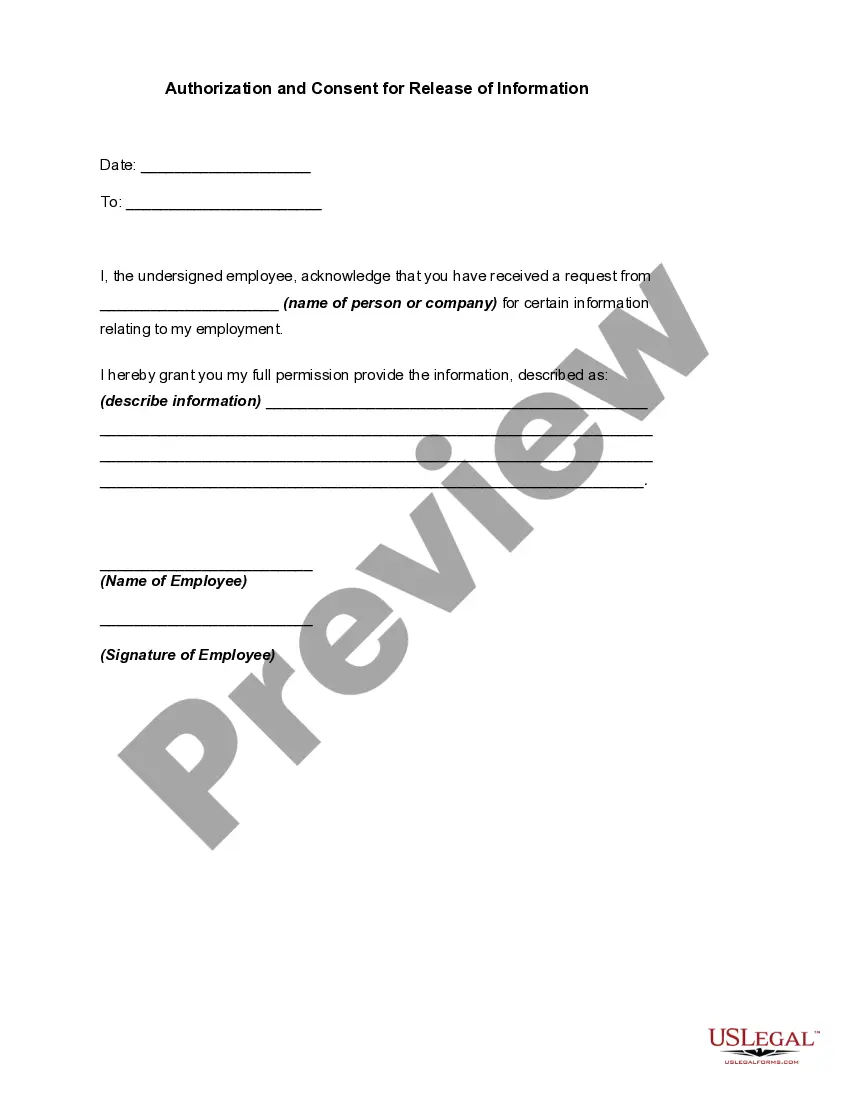
Get your form ready online
Our built-in tools help you complete, sign, share, and store your documents in one place.
Make edits, fill in missing information, and update formatting in US Legal Forms—just like you would in MS Word.
Download a copy, print it, send it by email, or mail it via USPS—whatever works best for your next step.
Sign and collect signatures with our SignNow integration. Send to multiple recipients, set reminders, and more. Go Premium to unlock E-Sign.
If this form requires notarization, complete it online through a secure video call—no need to meet a notary in person or wait for an appointment.
We protect your documents and personal data by following strict security and privacy standards.

Make edits, fill in missing information, and update formatting in US Legal Forms—just like you would in MS Word.

Download a copy, print it, send it by email, or mail it via USPS—whatever works best for your next step.

Sign and collect signatures with our SignNow integration. Send to multiple recipients, set reminders, and more. Go Premium to unlock E-Sign.

If this form requires notarization, complete it online through a secure video call—no need to meet a notary in person or wait for an appointment.

We protect your documents and personal data by following strict security and privacy standards.
Looking for another form?










Form popularity
FAQ
The FTC's Bureau of Consumer Protection stops unfair, deceptive and fraudulent business practices by collecting reports from consumers and conducting investigations, suing companies and people that break the law, developing rules to maintain a fair marketplace, and educating consumers and businesses about their rights ...
File a complaint with your local consumer protection office or the state agency that regulates the company. Notify the Better Business Bureau (BBB) in your area about your problem. The BBB tries to resolve your complaints against companies.
The Division protects consumers by pursuing individuals and entities that engage in unfair methods of competition or unconscionable, deceptive and unfair practices in trade or commerce. The Division also partners with other state attorneys general as well as state and federal agencies in joint enforcement efforts.
Consistent with applicable law, we securely share complaints with other state and federal agencies to, among other things, facilitate: supervision activities, enforcement activities, and. monitor the market for consumer financial products and services.
The Division of Consumer Services strives to ensure you are knowledgeable on various consumer issues that may impact you and your family. The resources and information below will help you gain a better understanding of these topics and assist you in making informed insurance and financial decisions.
Citizens with general inquiries, or who want to file a consumer complaint, should contact the Office of Citizens Services by calling (866) 966-7226, (850) 414-3990 or filing out an online form here.
Filing a Complaint Department of Consumer Affairs. File a complaint online at .dca.ca or call 800.952. 5210 to have a complaint form mailed to you. California Attorney General's Office.
Telling the Federal Trade Commission helps us stop ripoffs, scams, and fraudsters. Your complaints matter here. To file a complaint, just go to ftc/complaint, and answer the questions. Or call That's all there is to it.
Unlike parole, conditional release is not discretionary release. Upon release from prison, inmates who are subject to conditional release are supervised for a period of time equal to the gain-time that they received in prison.
§ 119.0725. Section 119.0725 - Agency cybersecurity information; public records exemption; public meetings exemption (1) As used in this section, the term: (a) "Breach" means unauthorized access of data in electronic form containing personal information.
