Consumer Investigative Release With Example In Florida
Description
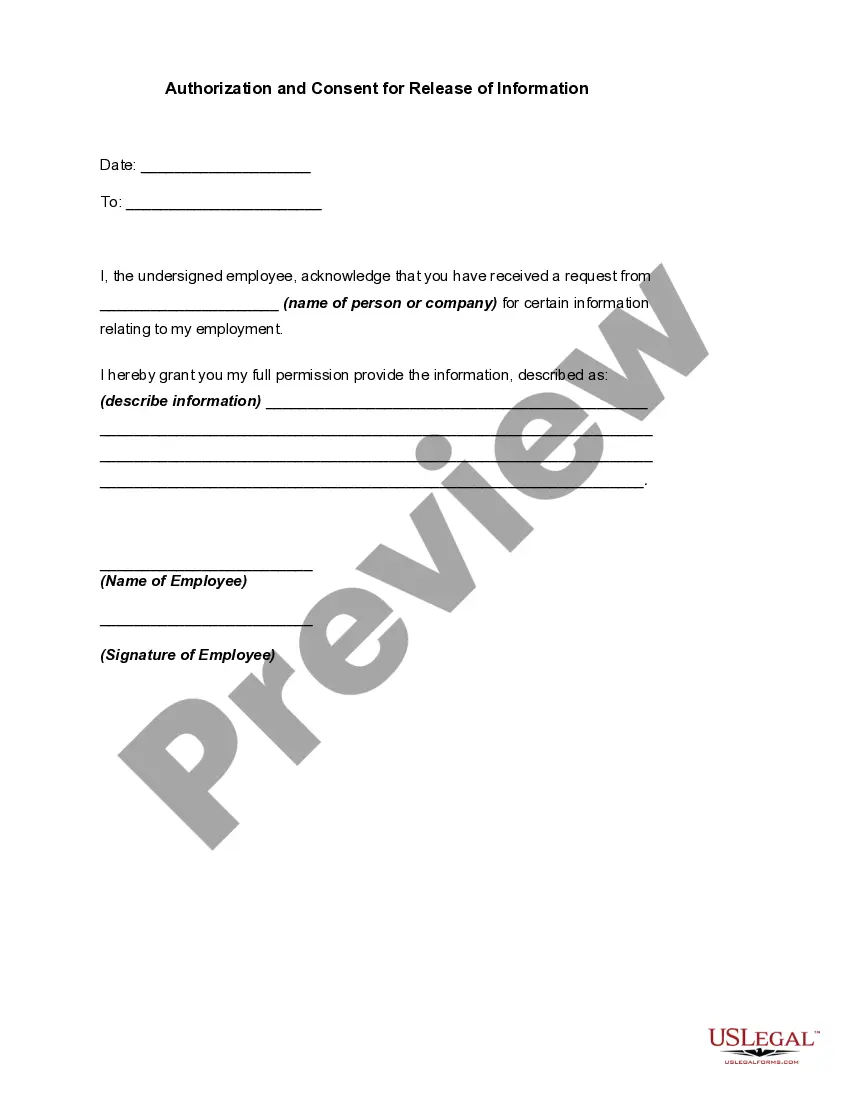
Get your form ready online
Our built-in tools help you complete, sign, share, and store your documents in one place.
Make edits, fill in missing information, and update formatting in US Legal Forms—just like you would in MS Word.
Download a copy, print it, send it by email, or mail it via USPS—whatever works best for your next step.
Sign and collect signatures with our SignNow integration. Send to multiple recipients, set reminders, and more. Go Premium to unlock E-Sign.
If this form requires notarization, complete it online through a secure video call—no need to meet a notary in person or wait for an appointment.
We protect your documents and personal data by following strict security and privacy standards.

Make edits, fill in missing information, and update formatting in US Legal Forms—just like you would in MS Word.

Download a copy, print it, send it by email, or mail it via USPS—whatever works best for your next step.

Sign and collect signatures with our SignNow integration. Send to multiple recipients, set reminders, and more. Go Premium to unlock E-Sign.

If this form requires notarization, complete it online through a secure video call—no need to meet a notary in person or wait for an appointment.

We protect your documents and personal data by following strict security and privacy standards.
Looking for another form?





Form popularity
FAQ
Violations by the title insurance industry can be reported to Title@MyFloridaCFO. Please email or forward as much information as you can.
Title agents and title companies in Florida are governed by state laws and administrative orders and is overseen by the Florida Department of Financial Services which supervises the licensing and regulation of title agents.
File a complaint with government or consumer programs File a complaint with your local consumer protection office. Notify the Better Business Bureau (BBB) in your area about your problem. Report scams and suspicious communications to the Federal Trade Commission.
Department of Business and Professional Regulation (DBPR): The DBPR is the state agency responsible for regulating real estate professionals in Florida. If you believe the property management company has violated state laws or regulations, you can file a complaint with the DBPR.
The bank must identify itself and certify to the reporting agency (consumer reporting agency) the purposes for which the information is sought. It must also certify that the information will be used for no other purpose (16 CFR 607).
Section 607(e) requires any person who obtains a consumer report for resale to take the following steps: Disclose the identity of the end-user to the source CRA. Identify to the source CRA each permissible purpose for which the report will be furnished to the end-user.
A consumer report may contain information such as a person's credit characteristics, rental history, or criminal history. These reports are covered by the FCRA.
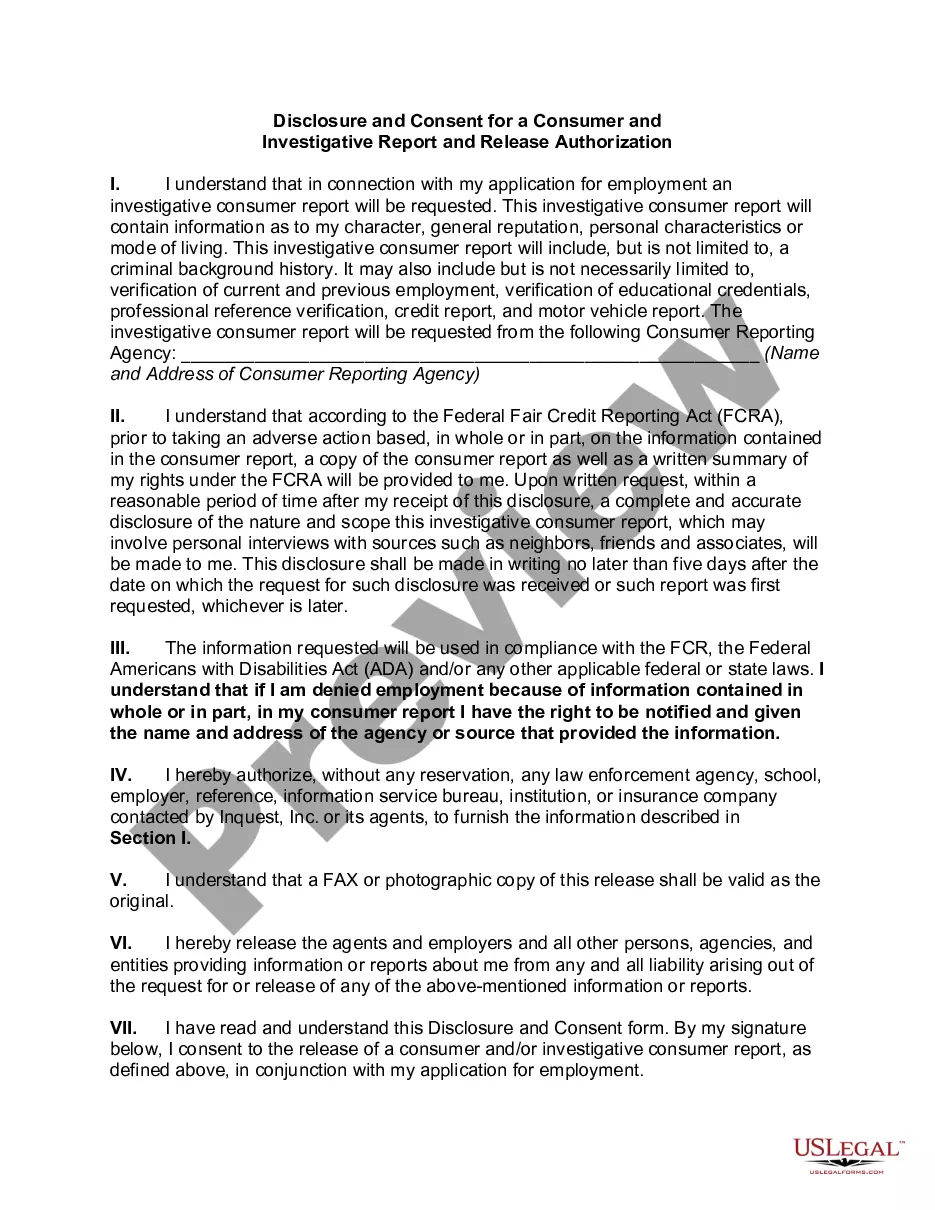
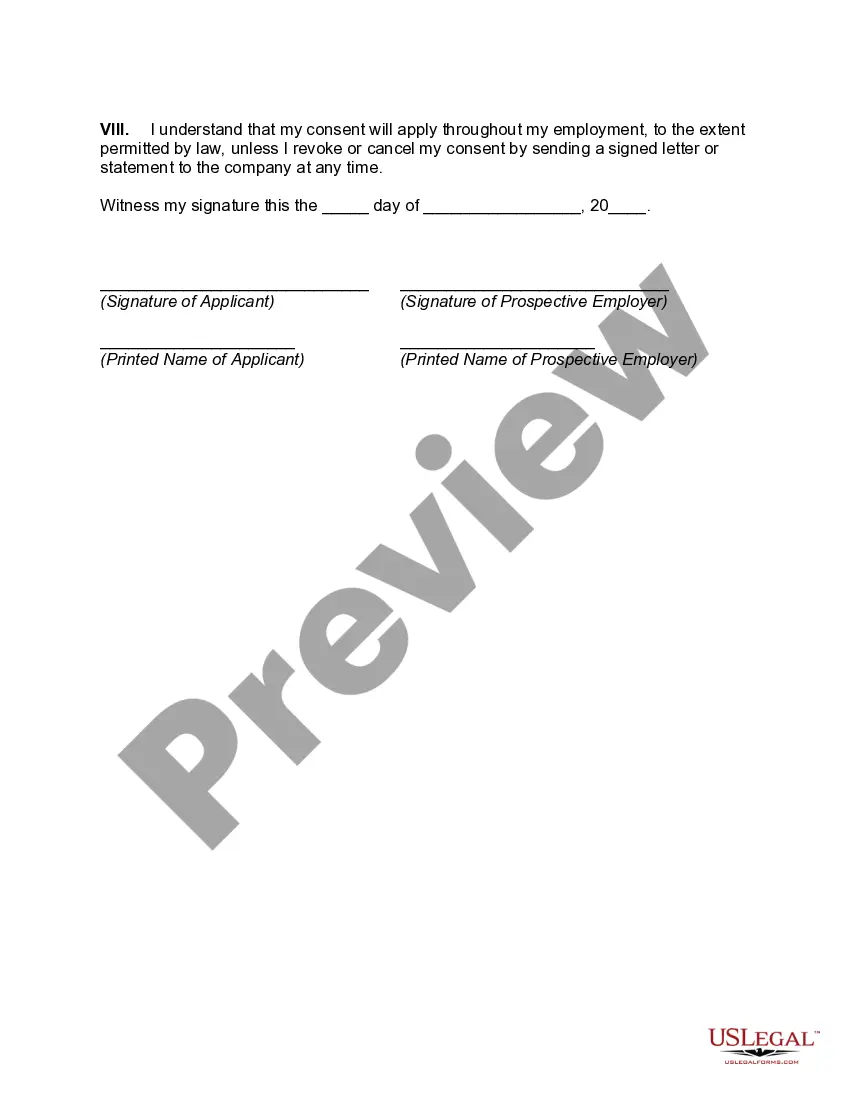
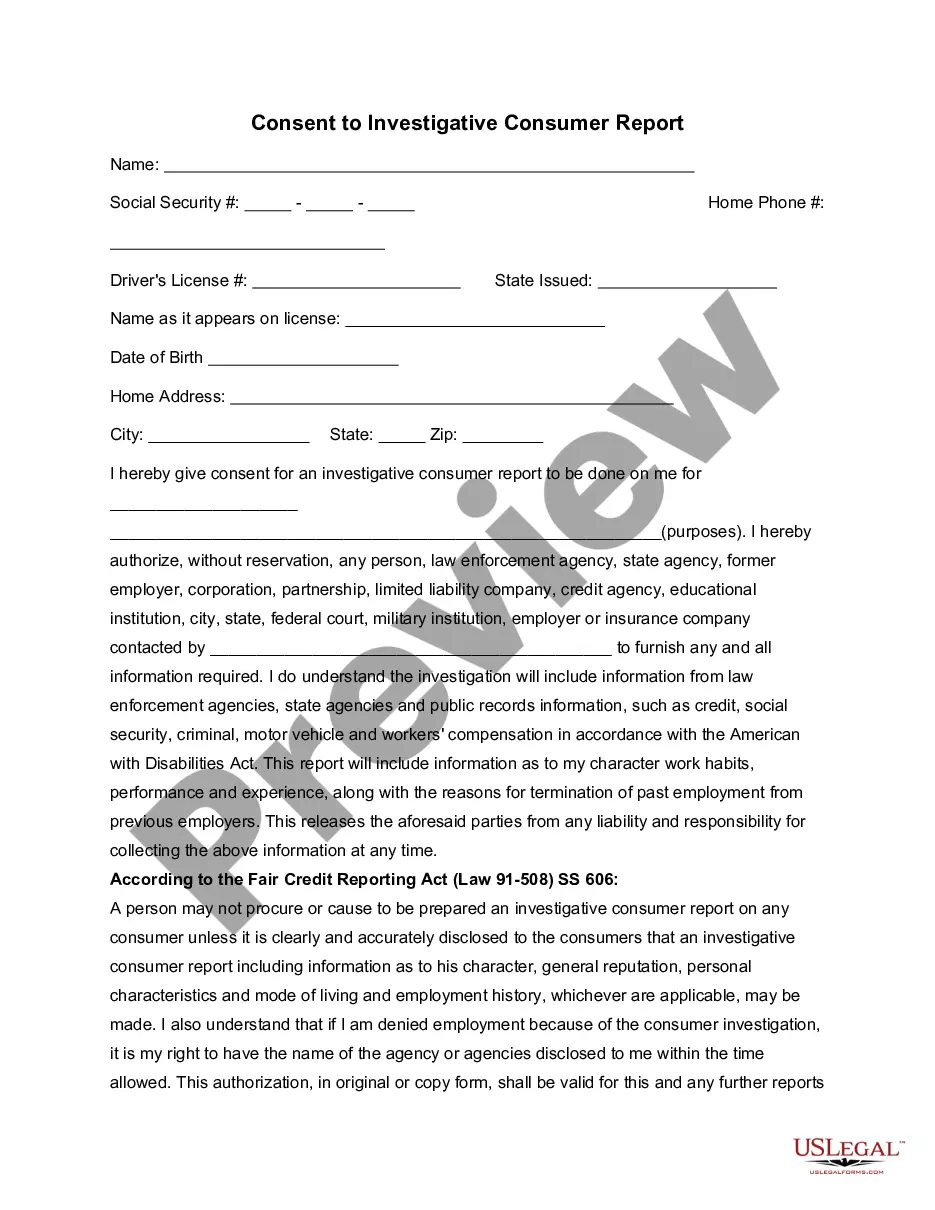
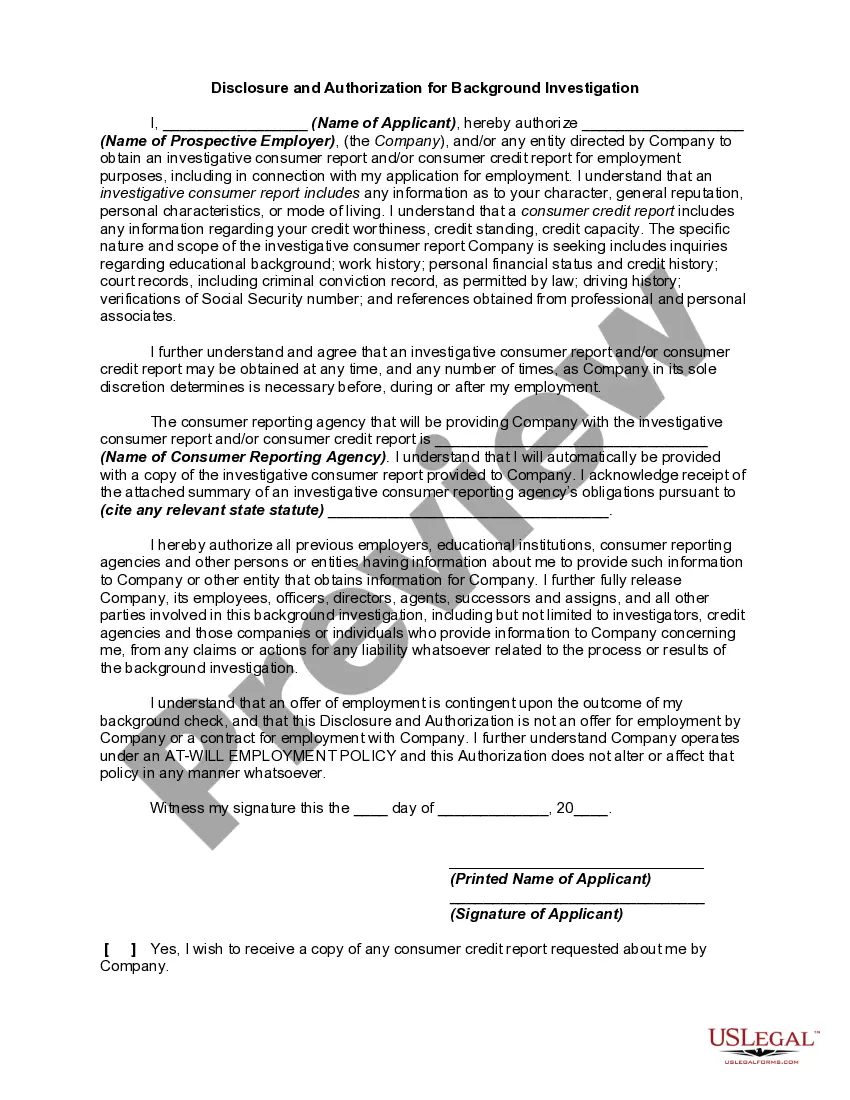
You must: Tell the applicant or employee that you might use information in their consumer report for decisions related to their employment. Get written permission from the applicant or employee. Certify compliance to the company from which you are getting the applicant or employee's information.
Except as otherwise provided in section 1681k of this title, a consumer reporting agency shall not furnish an investigative consumer report that includes information that is a matter of public record and that relates to an arrest, indictment, conviction, civil judicial action, tax lien, or outstanding judgment, unless ...
The FTC does clarify that obtaining information from a former employer beyond “fact-checking” could constitute an interview and be considered an Investigative Consumer Report. This could include, but is not limited to, asking a candidate's former employer about: Discipline actions against the candidate.
