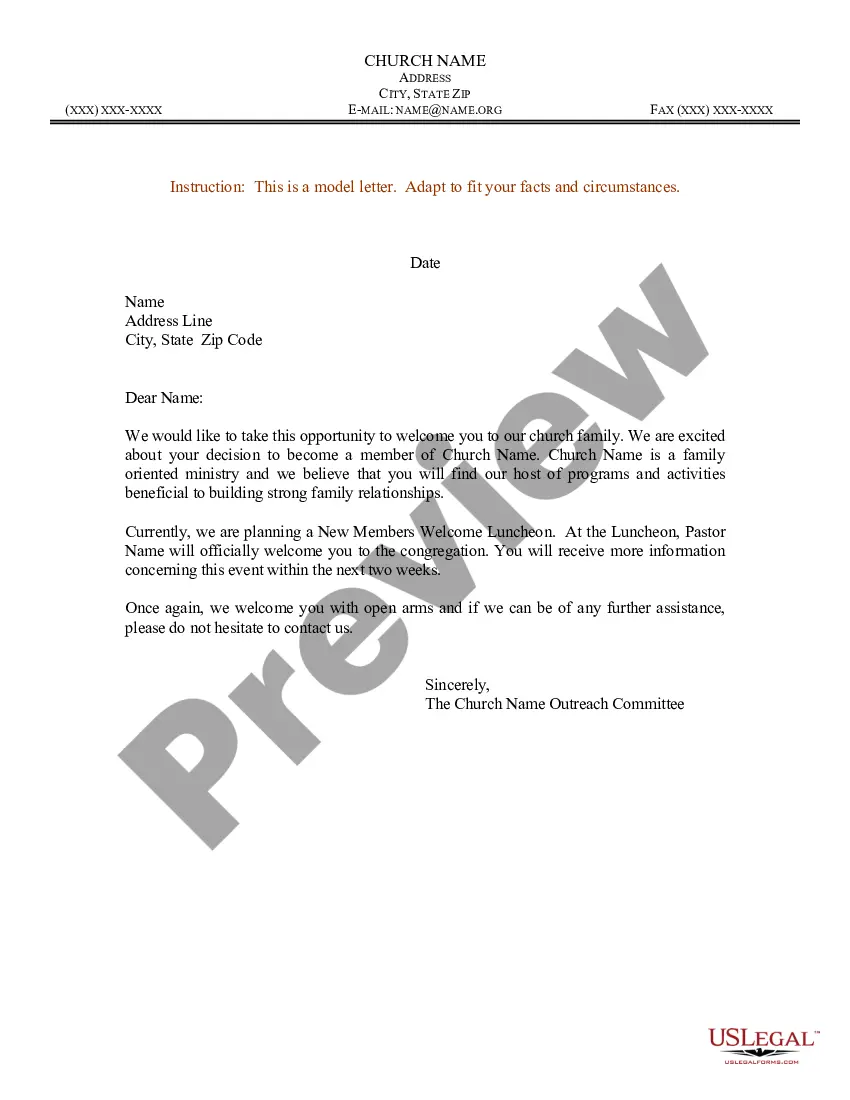
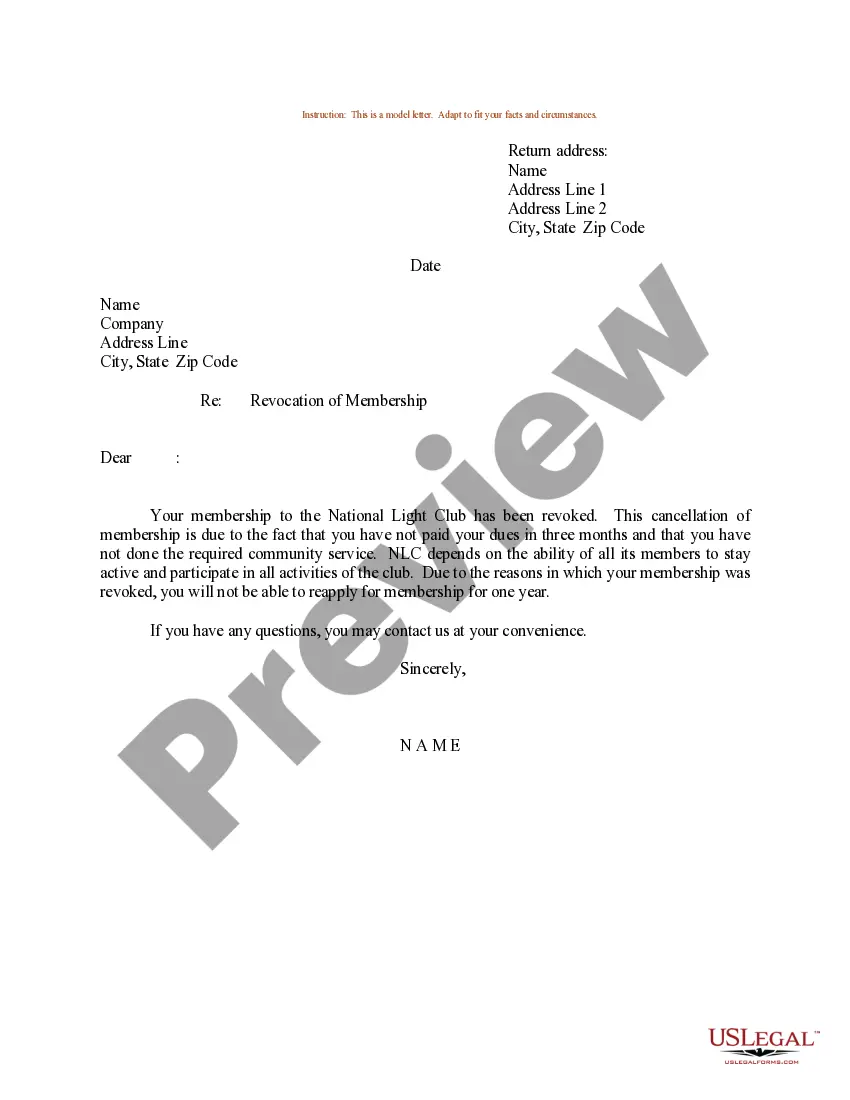
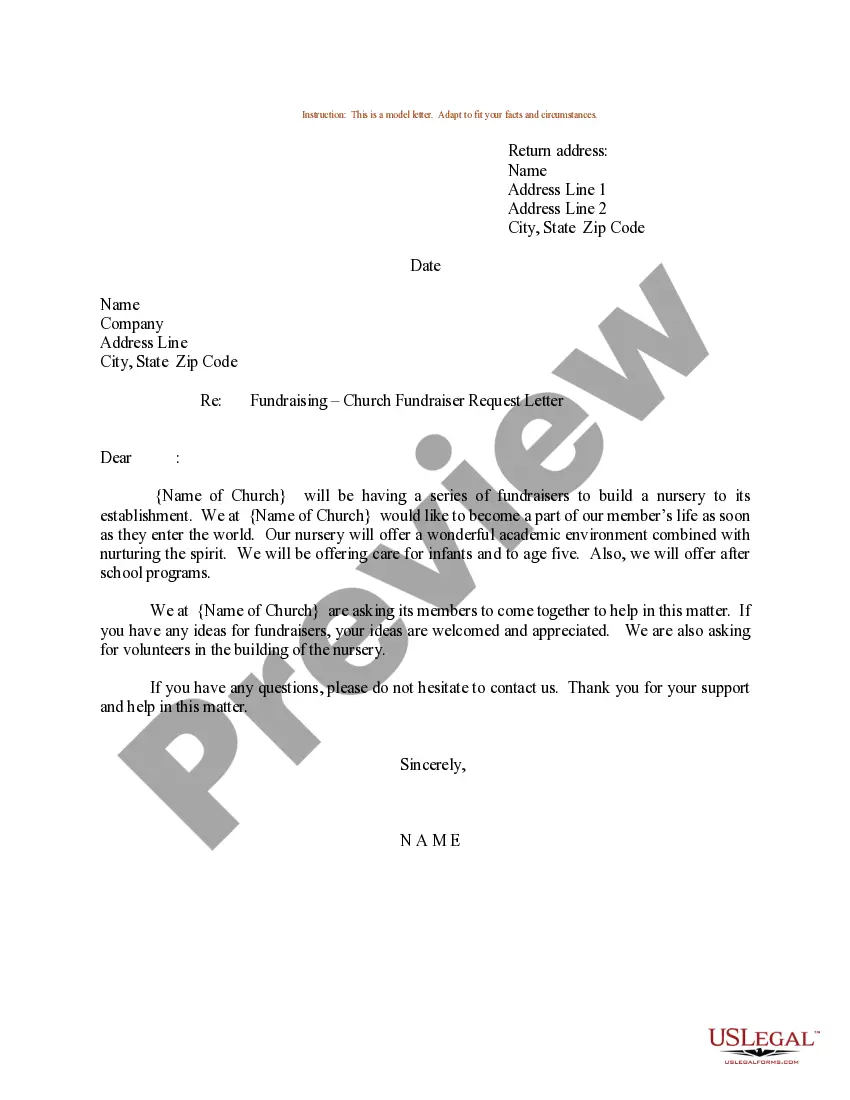
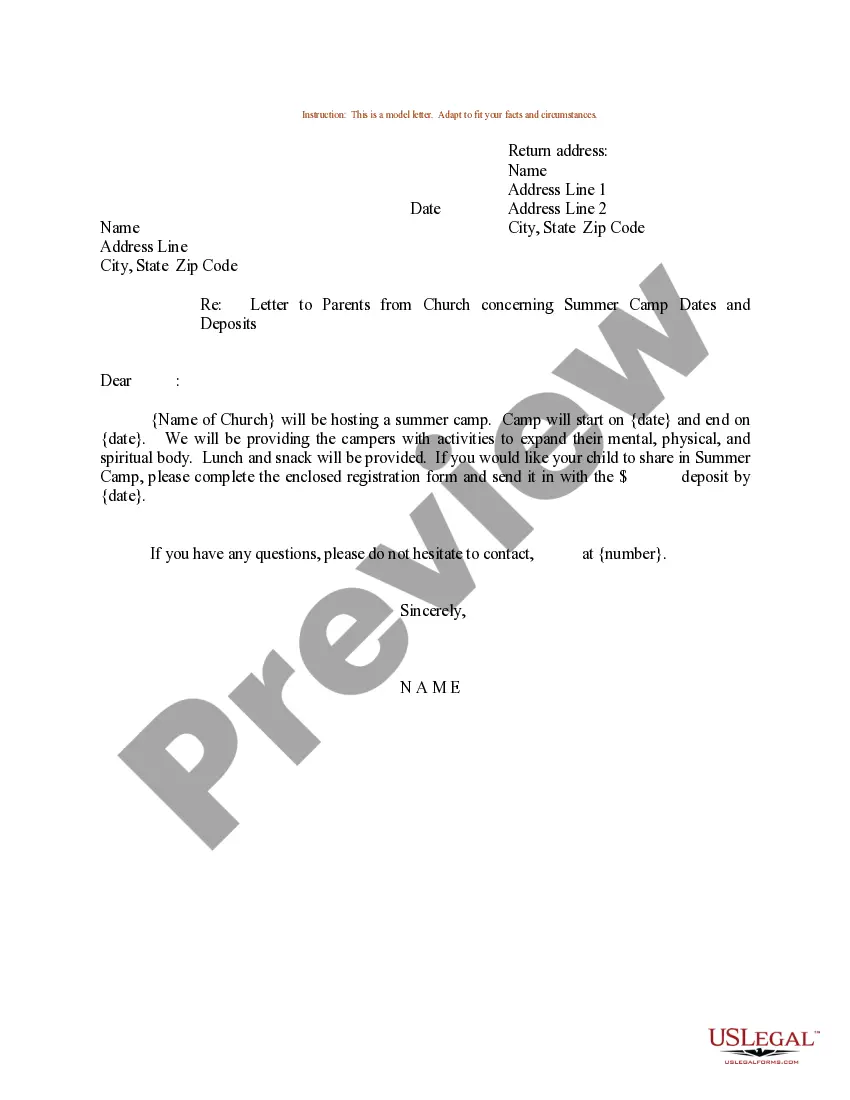
Church Membership Request Letter With Tax Id Number In Wayne
Description

Get your form ready online
Our built-in tools help you complete, sign, share, and store your documents in one place.
Make edits, fill in missing information, and update formatting in US Legal Forms—just like you would in MS Word.
Download a copy, print it, send it by email, or mail it via USPS—whatever works best for your next step.
Sign and collect signatures with our SignNow integration. Send to multiple recipients, set reminders, and more. Go Premium to unlock E-Sign.
If this form requires notarization, complete it online through a secure video call—no need to meet a notary in person or wait for an appointment.
We protect your documents and personal data by following strict security and privacy standards.

Make edits, fill in missing information, and update formatting in US Legal Forms—just like you would in MS Word.

Download a copy, print it, send it by email, or mail it via USPS—whatever works best for your next step.

Sign and collect signatures with our SignNow integration. Send to multiple recipients, set reminders, and more. Go Premium to unlock E-Sign.

If this form requires notarization, complete it online through a secure video call—no need to meet a notary in person or wait for an appointment.

We protect your documents and personal data by following strict security and privacy standards.
Looking for another form?
Form popularity
FAQ
An Employer Identification Number (EIN) is also known as a federal tax identification number, and is used to identify a business entity. It is also used by estates and trusts which have income which is required to be reported on Form 1041, U.S. Income Tax Return for Estates and Trusts.
What Is a Nonprofit Tax ID Number? Many people are confused because they hear the term "tax ID," and then they hear about an "EIN," and they aren't sure what the difference is. Those two terms are referring to the same exact number.
The primary difference between these tax identification numbers and Employer Identification numbers is that a TIN is used to identify people who can be taxed within the United States, while the EIN is used to identify companies. Therefore, the difference is in the way the EIN and tax ID numbers can be used.
To get a tax ID number for a church organization, you can use a tax ID service. A tax ID service will tell you all the information that you need to file for a tax ID number, and then you can send that information in for a tax ID.
Employer Identification Number (EIN) Every tax-exempt organization, including a church, should have an employer iden- tification number whether or not the organization has any employees. There are many instances in which an EIN is necessary.
Your previously filed return should be notated with your EIN. Ask the IRS to search for your EIN by calling the Business & Specialty Tax Line at 800-829-4933. The hours of operation are 7 a.m. - 7 p.m. local time, Monday through Friday.
Churches (including integrated auxiliaries and conventions or associations of churches) that meet the requirements of section 501(c)(3) of the Internal Revenue Code are automatically considered tax exempt and are not required to apply for and obtain recognition of exempt status from the IRS.
Employer Identification Number (EIN) Every tax-exempt organization, including a church, should have an employer iden- tification number whether or not the organization has any employees. There are many instances in which an EIN is necessary.
Sole proprietors: If you run your business as a sole proprietor and you don't have any employees, the IRS generally allows you to use your individual tax ID (e.g., SSN) as your FEIN.
To get a tax ID number for a church organization, you can use a tax ID service. A tax ID service will tell you all the information that you need to file for a tax ID number, and then you can send that information in for a tax ID.

