Removal Request Letter Format Example In Washington
Description

Get your form ready online
Our built-in tools help you complete, sign, share, and store your documents in one place.
Make edits, fill in missing information, and update formatting in US Legal Forms—just like you would in MS Word.
Download a copy, print it, send it by email, or mail it via USPS—whatever works best for your next step.
Sign and collect signatures with our SignNow integration. Send to multiple recipients, set reminders, and more. Go Premium to unlock E-Sign.
If this form requires notarization, complete it online through a secure video call—no need to meet a notary in person or wait for an appointment.
We protect your documents and personal data by following strict security and privacy standards.

Make edits, fill in missing information, and update formatting in US Legal Forms—just like you would in MS Word.

Download a copy, print it, send it by email, or mail it via USPS—whatever works best for your next step.

Sign and collect signatures with our SignNow integration. Send to multiple recipients, set reminders, and more. Go Premium to unlock E-Sign.

If this form requires notarization, complete it online through a secure video call—no need to meet a notary in person or wait for an appointment.

We protect your documents and personal data by following strict security and privacy standards.
Looking for another form?


Form popularity
FAQ
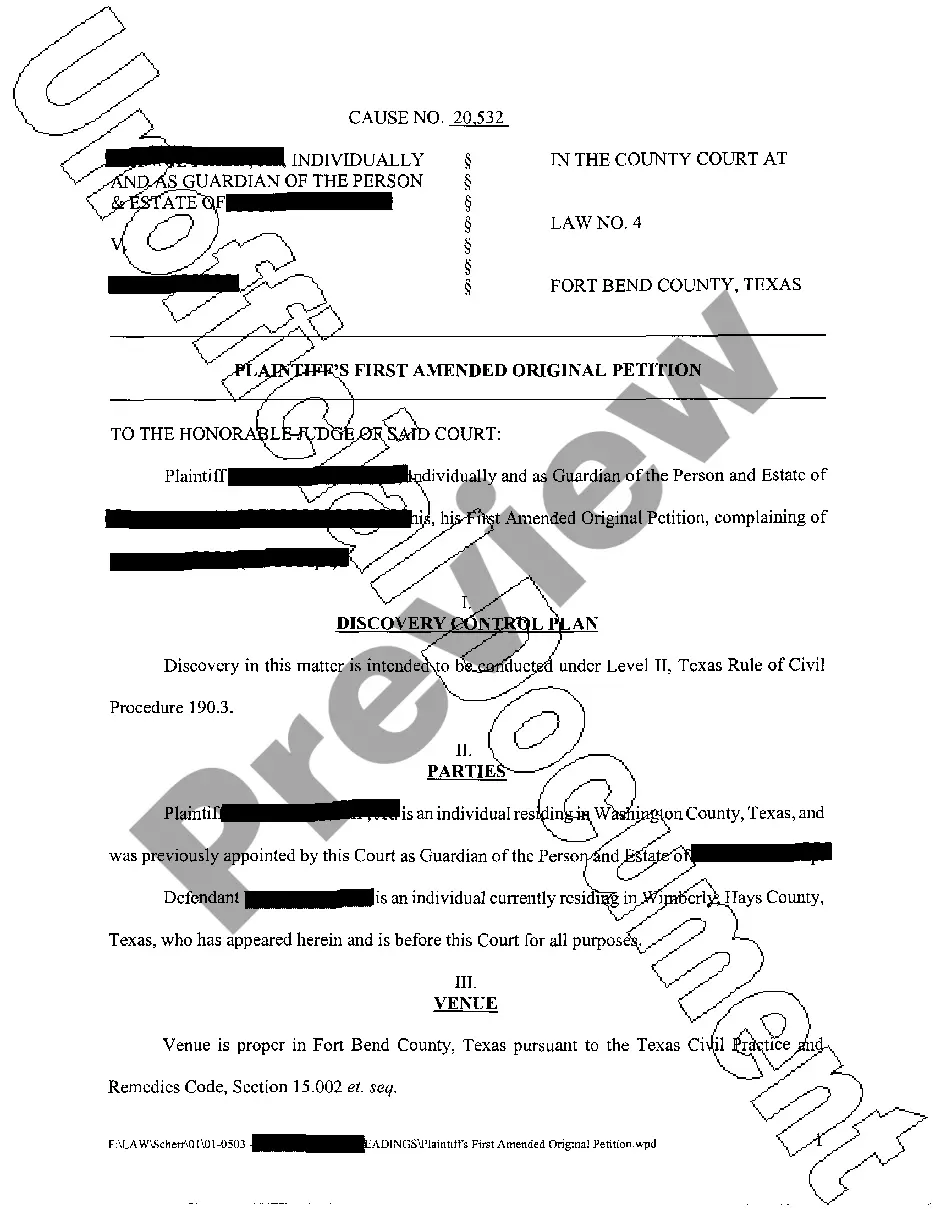
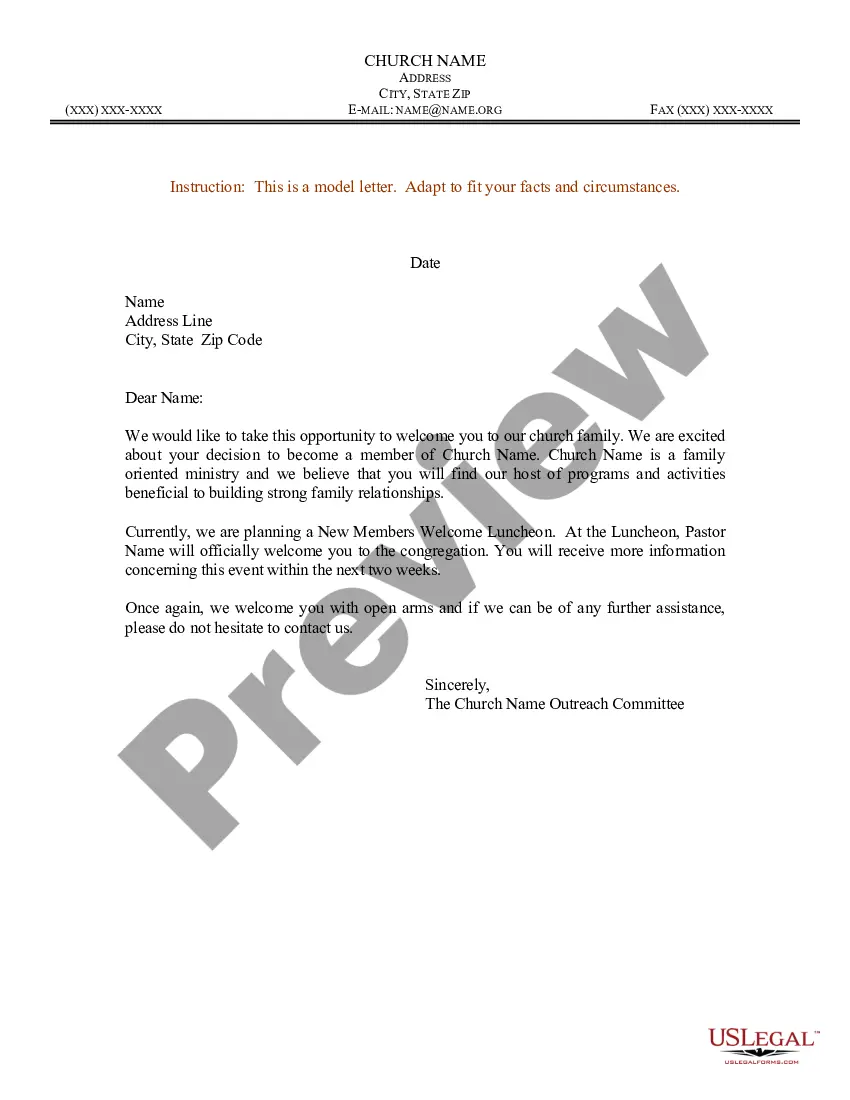
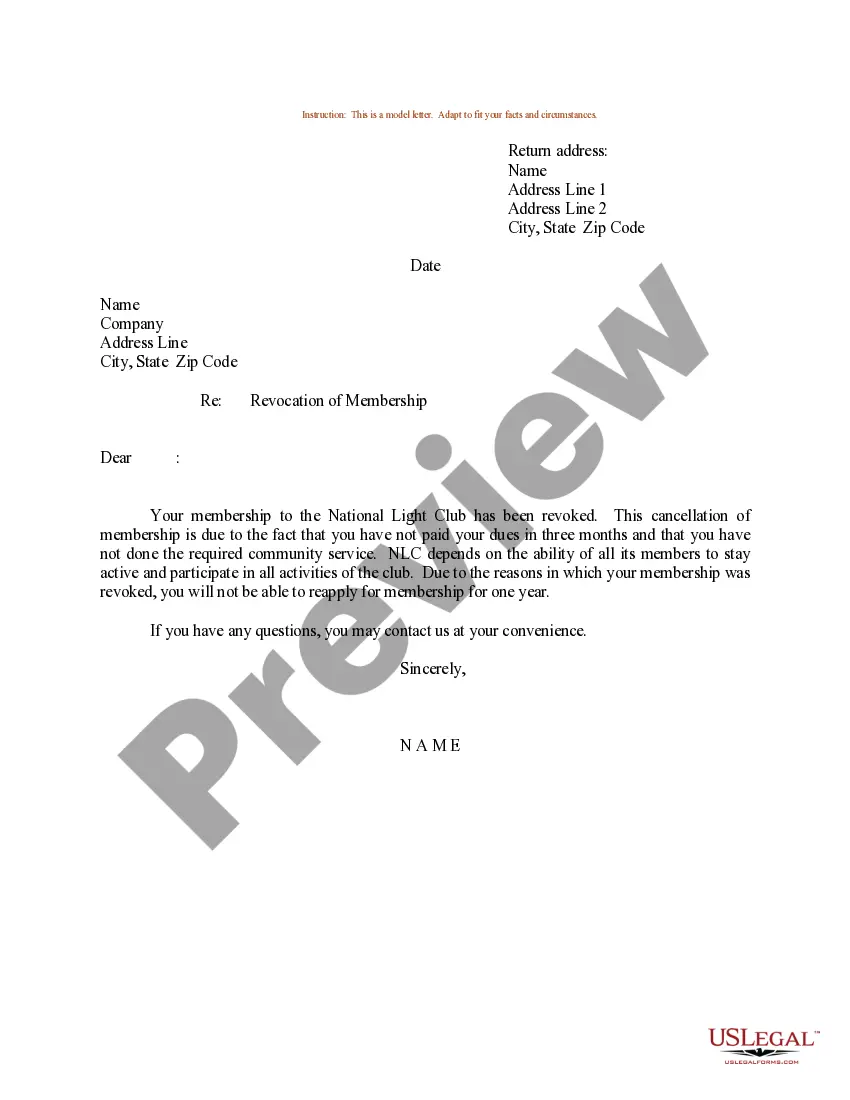
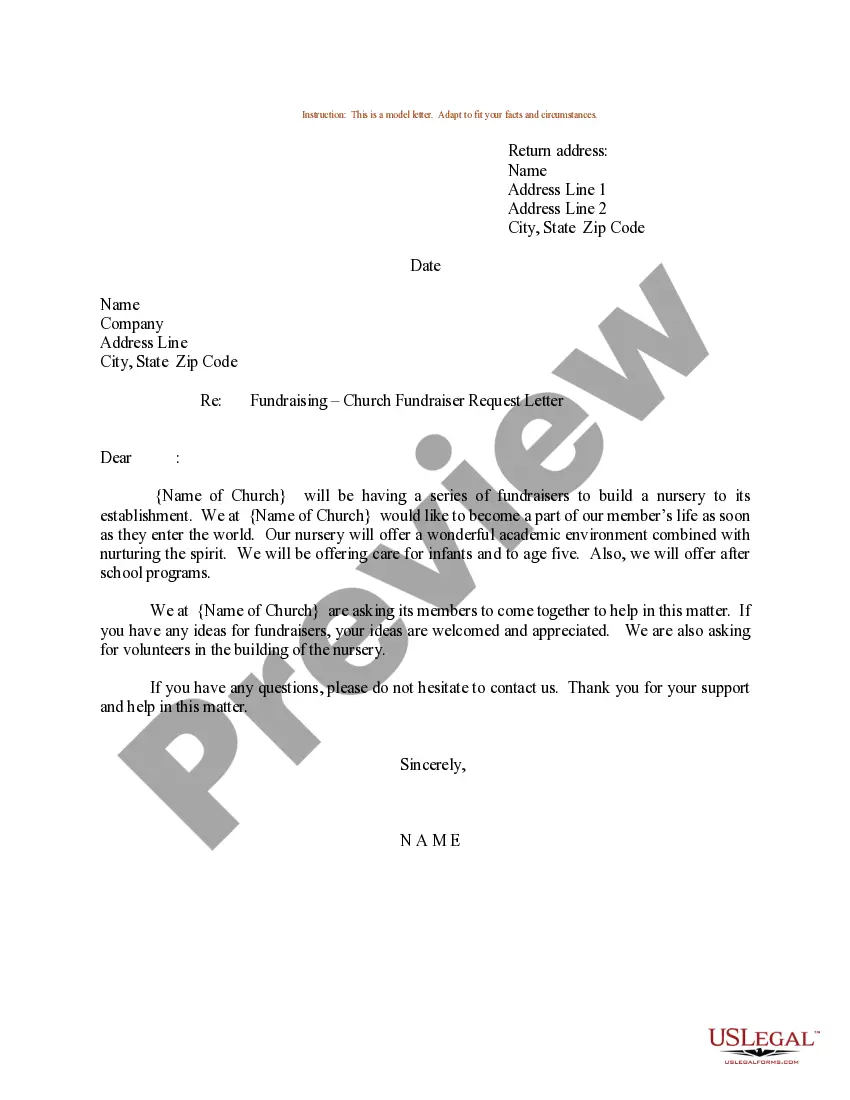
Format full mailing address of the sender. date on which letter is written. address of person to whom letter is addressed. subject line. salutation. body (the main message) complimentary closing. signature line (be sure to sign your letter)
Frequently Asked Questions (FAQ) Type your letter. Concisely review the main facts. Be polite. Write with your goal in mind. Ask for exactly what you want. Set a deadline. End the letter by stating you will promptly pursue legal remedies if the other party does not meet your demand. Make and keep copies.
How to write a letter of request. Gather information. Before you write your letter of request, you're probably going to need to do some research. Plan your content. Introduce yourself. Detail your request. Explain why. Conclude the letter.
The greeting, or salutation, is the opening of a legal letter and is located two lines below the reference or subject line. Because legal letters are professional documents, the greetings you write should be professional. If you don't know the name of person to whom you're writing, make an ef- fort to find it.
You can write it yourself. A demand letter is literally what it says, letter that demands something. It's not legally significant. Most people don't take them seriously unless they're from a lawyer, though.
If you've received a notice of proposed removal, that's the notice that your employer intends to terminate you.
The right thing to do when someone receives a demand letter is to contact a lawyer. The lawyer may evaluate the letter and the matter to help assess the risk of litigation and the risk of exposure to liability.
When writing a demand letter, you must: Indicate that the letter is sent WITHOUT PREJUDICE. This is important to facilitate possible settlement conversations. Inform the opposing party that you are retained with respect to the matter.
However, sending a letter of demand can have its disadvantages. Depending on the situation, the other party may feel threatened and respond negatively, or they may not respond at all. They might engage a lawyer, or they might even start legal action against you.
Demand Letter Components Facts of the case. An outline of what happened. Statement of the issue. A brief description of the problem. Demand. The dollar amount or action necessary to resolve the case. Response deadline. The date by which the recipient must respond. Noncompliance consequences.