Removal Request Letter For Leave In Queens
Description

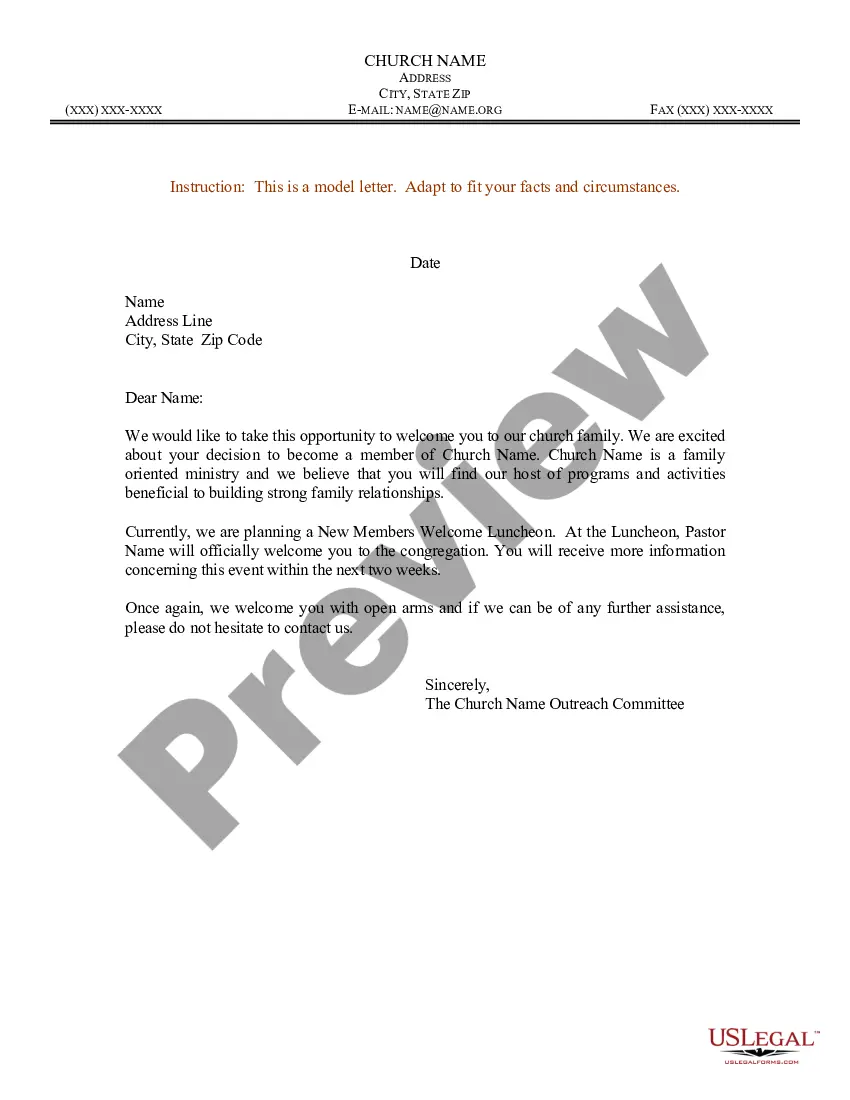
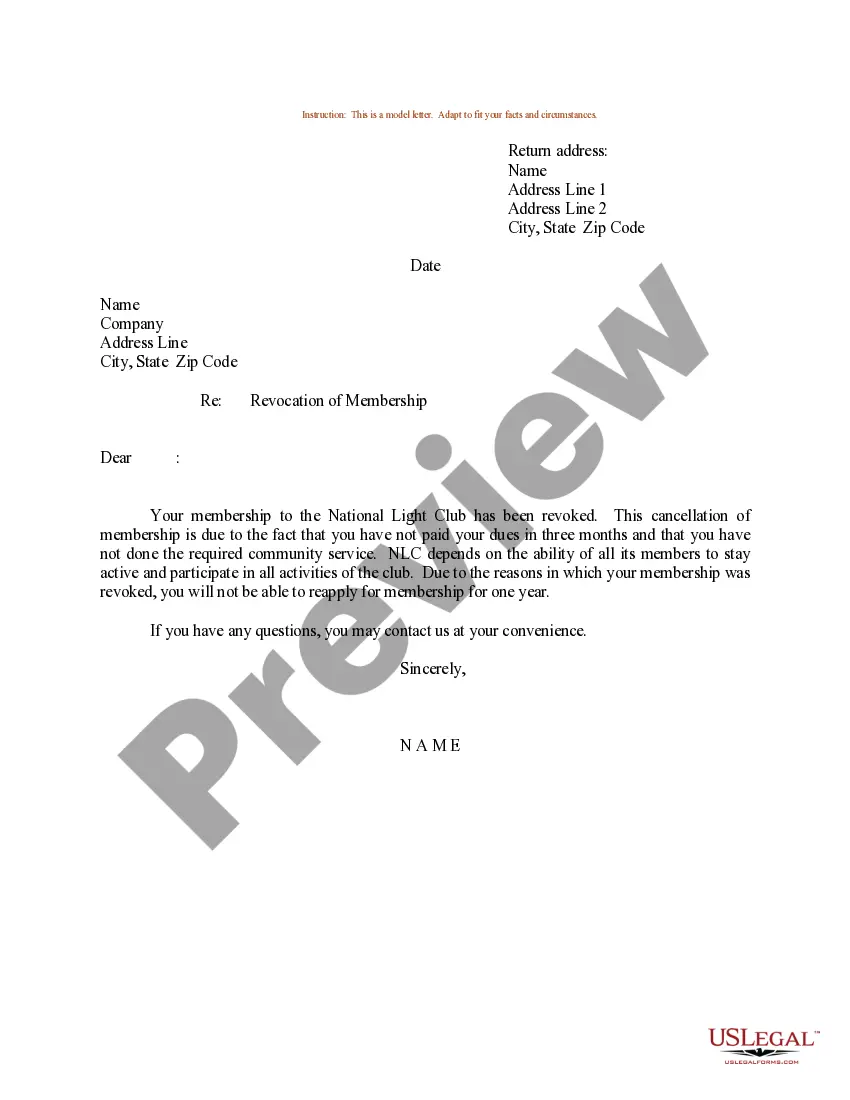
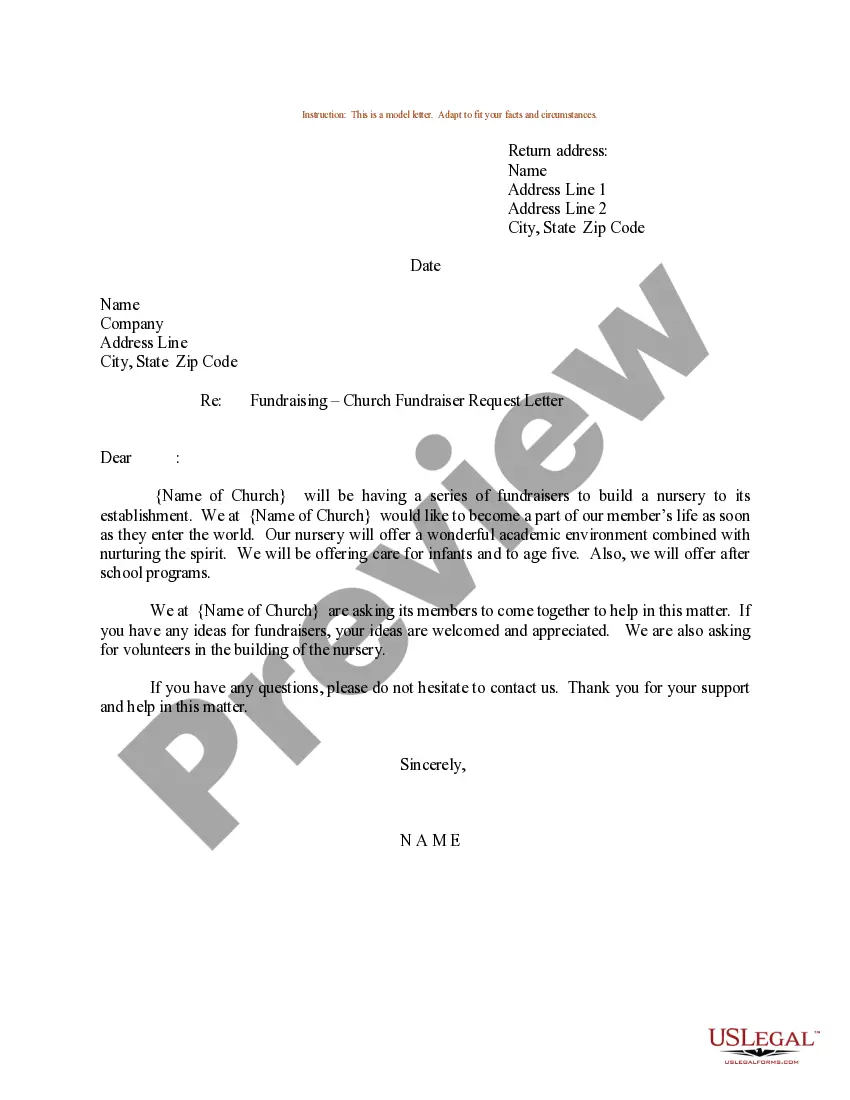
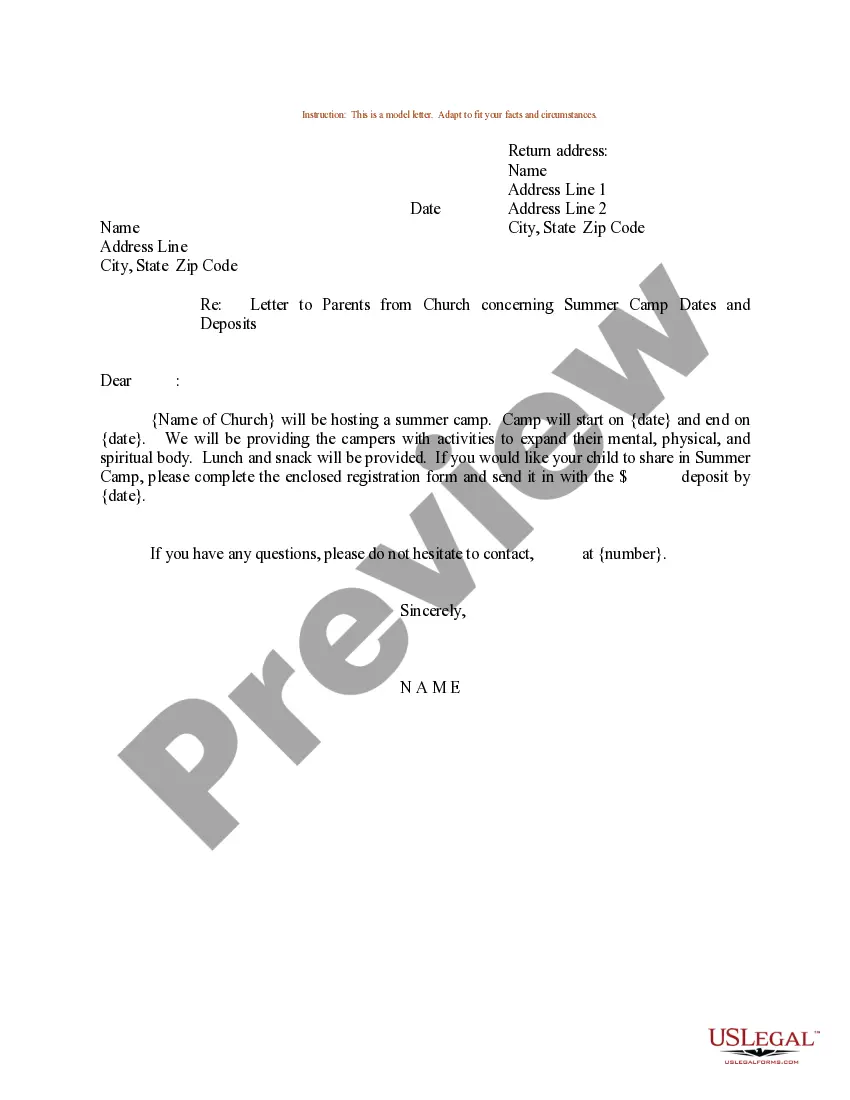
Get your form ready online
Our built-in tools help you complete, sign, share, and store your documents in one place.
Make edits, fill in missing information, and update formatting in US Legal Forms—just like you would in MS Word.
Download a copy, print it, send it by email, or mail it via USPS—whatever works best for your next step.
Sign and collect signatures with our SignNow integration. Send to multiple recipients, set reminders, and more. Go Premium to unlock E-Sign.
If this form requires notarization, complete it online through a secure video call—no need to meet a notary in person or wait for an appointment.
We protect your documents and personal data by following strict security and privacy standards.

Make edits, fill in missing information, and update formatting in US Legal Forms—just like you would in MS Word.

Download a copy, print it, send it by email, or mail it via USPS—whatever works best for your next step.

Sign and collect signatures with our SignNow integration. Send to multiple recipients, set reminders, and more. Go Premium to unlock E-Sign.

If this form requires notarization, complete it online through a secure video call—no need to meet a notary in person or wait for an appointment.

We protect your documents and personal data by following strict security and privacy standards.
Looking for another form?

Form popularity
FAQ
A Motion to Set Aside (Cancel) Order for Summary Eviction allows the tenant to ask the court to "set aside" (annul or do away with) the eviction order based upon some legal reason why the order should never have been issued in the first place or has been satisfied.
Good Cause Eviction is a New York State law that went into effect on April 20, 2024. It gives some tenants of unregulated (also known as “market rate”) homes in New York City new protections.
Bring the notice and any other papers that you have received from your landlord, including any rent receipts, to the court. To find out where to go in your county to try to stop or delay your eviction, refer to Locations. At the courthouse you will fill out an affidavit in support of an Order to Show Cause.
In New York State, an eviction of a tenant is lawful only if an owner has brought a court proceeding and obtained a judgment of possession from the court. A sheriff, marshal or constable can carry out a court ordered eviction. An owner may not evict a tenant by use of force or unlawful means.
New York Eviction Time Estimates ActionDuration Maximum continuance 14 days Issuance of warrant of possession Unspecified Time to quit after writ is posted 14 days Total 1-5 months4 more rows •
Q: Do I, as a tenant, have any recourse to prevent a marshal from carrying out an eviction? A: The tenant may ask a court to issue an Order to Show Cause (OSC) and a Stay, an order staying, or delaying, the eviction until the issues raised by the tenant are addressed on a hearing date set by the court.
You may have to wait in the clerk's office or to go to the courtroom where your papers have been sent. The Judge may sign your order to show cause and stop the eviction until the case can be heard. In some situations, the judge may sign the order but not stop the eviction.
The 14-day notice to vacate must be written clearly and follow strict New York law. This notice must also be served personally to the tenant and state the reason for eviction, the rent due, and the departure date.
The eviction process in NYC can take anywhere from a few weeks to several months, depending on the circumstances. After serving the initial notice, landlords must wait for the notice period to expire before filing with the court. Once in court, delays can occur due to adjournments or appeals.
Under the new Good Cause Eviction law, New Yorkers have the right to continue living in their homes without fear of unreasonable eviction or extreme rent increases. In many situations, tenants of market rate housing will now be covered by more expansive protections. Read below for details.
