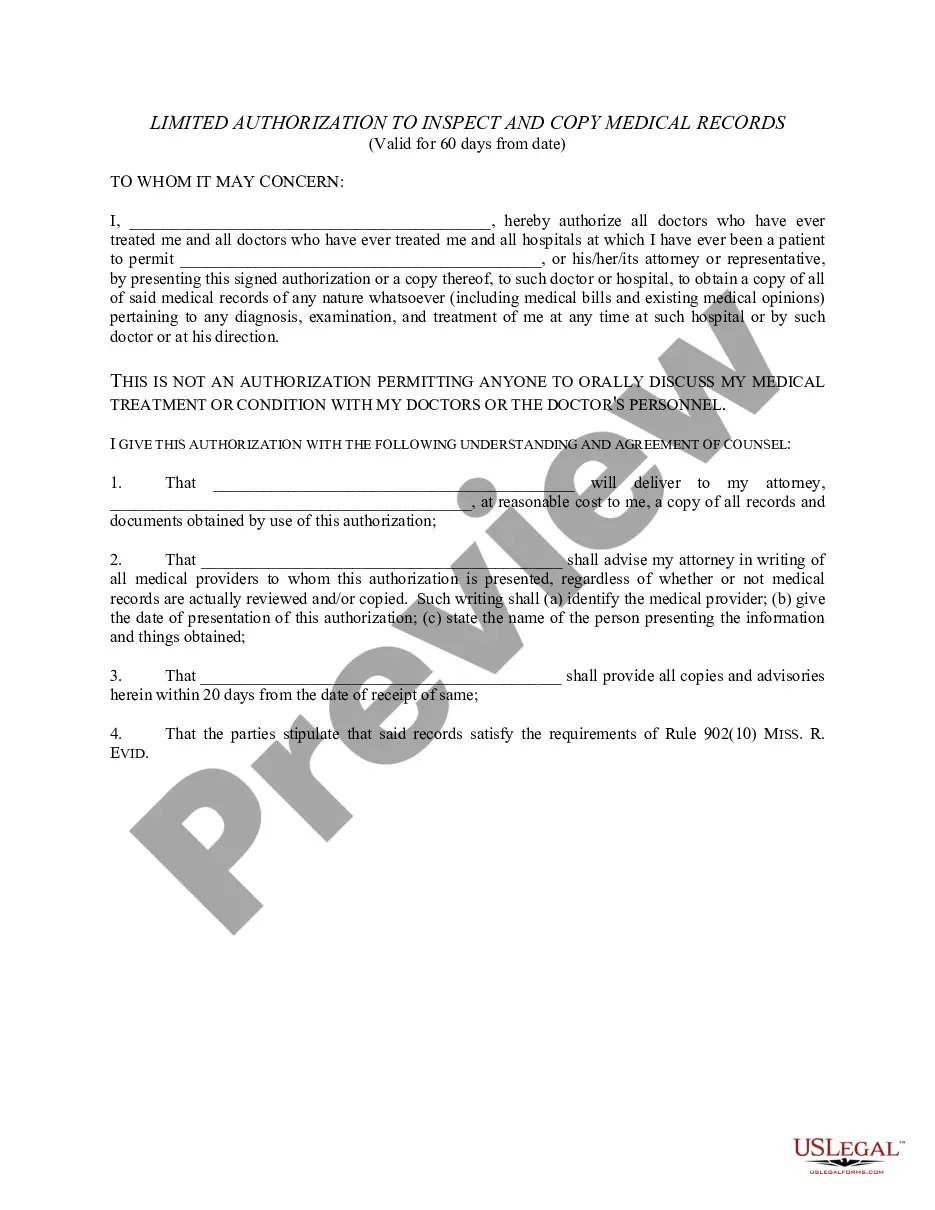
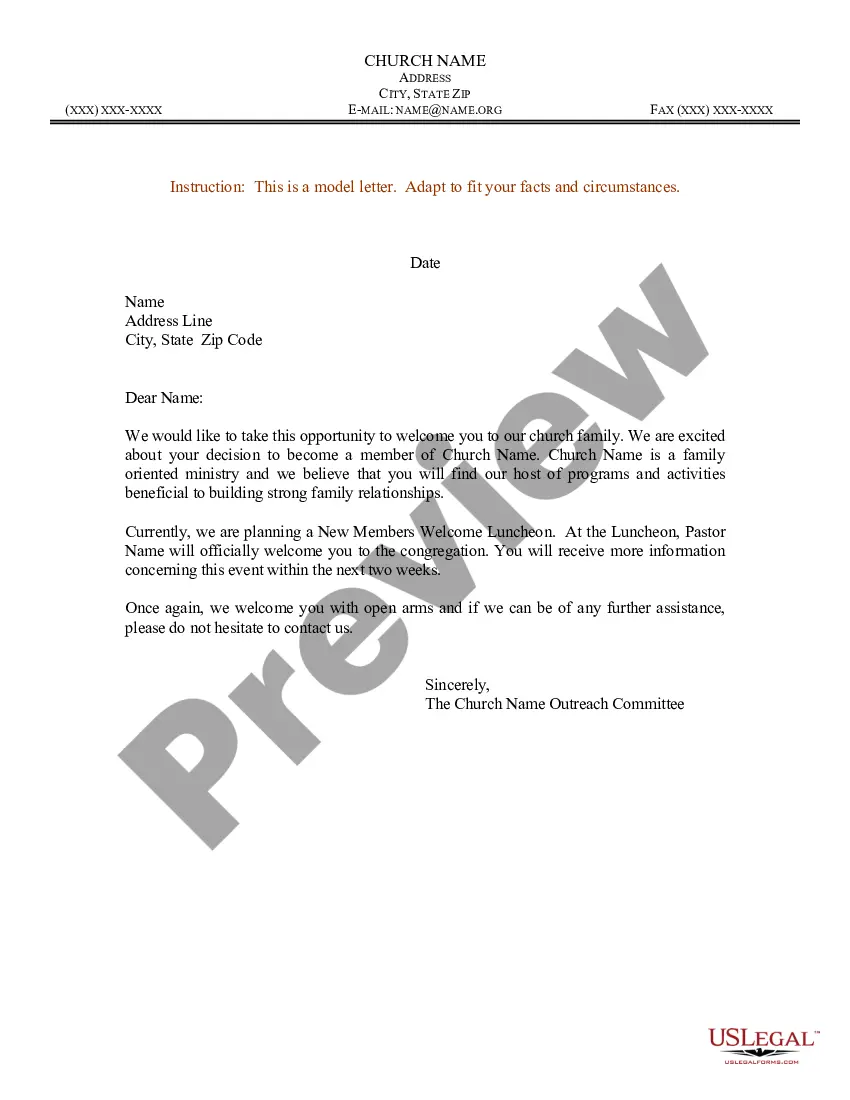
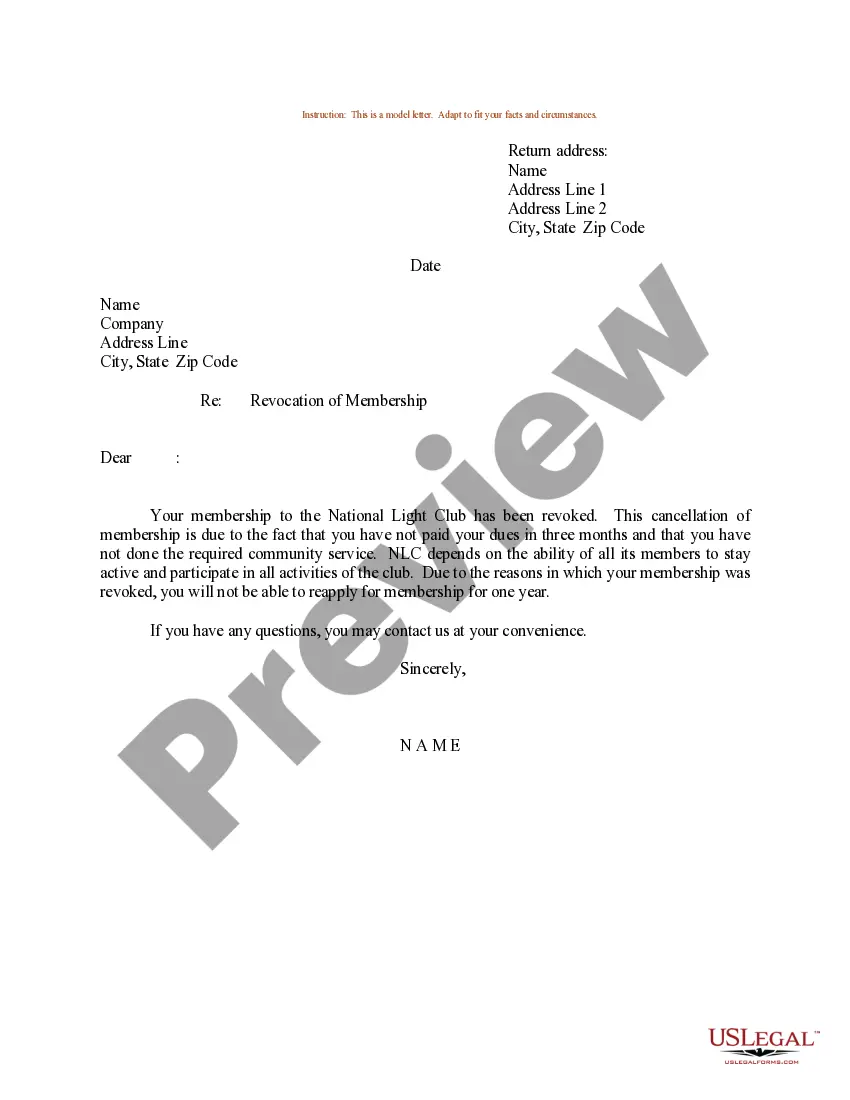
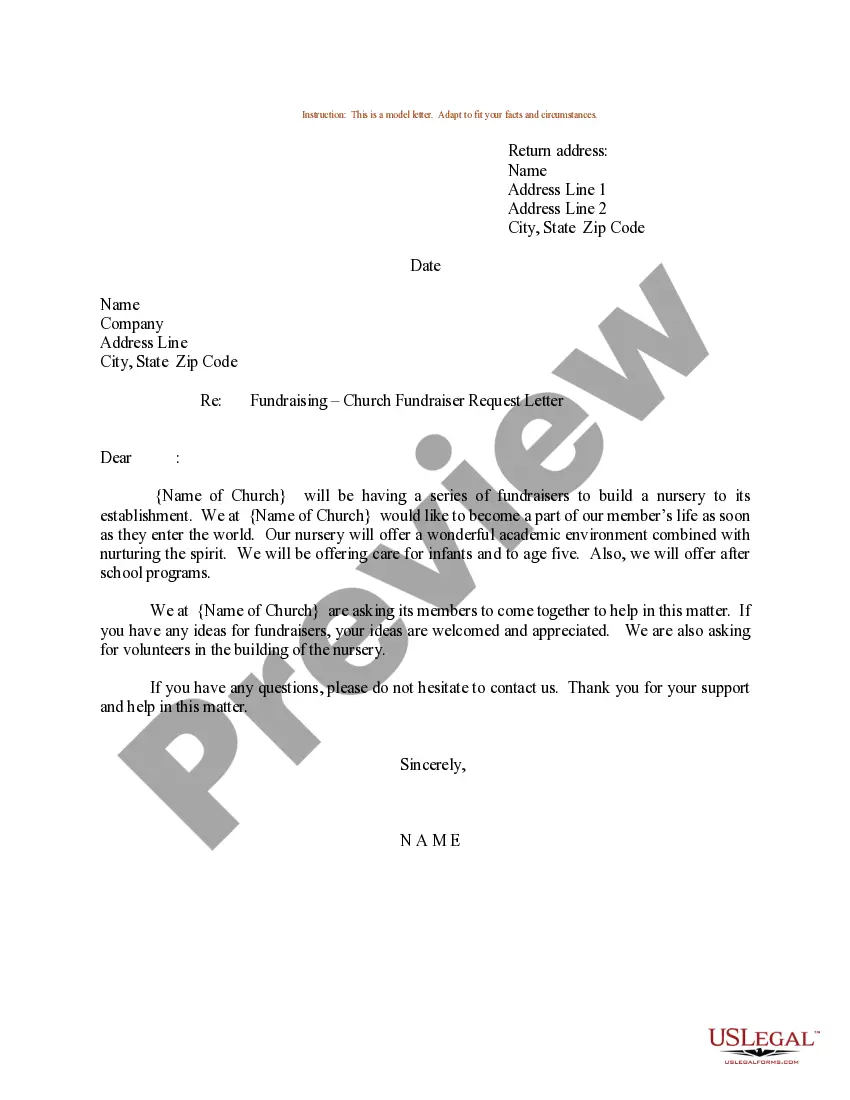
Removal Request Letter Format In Orange
Description

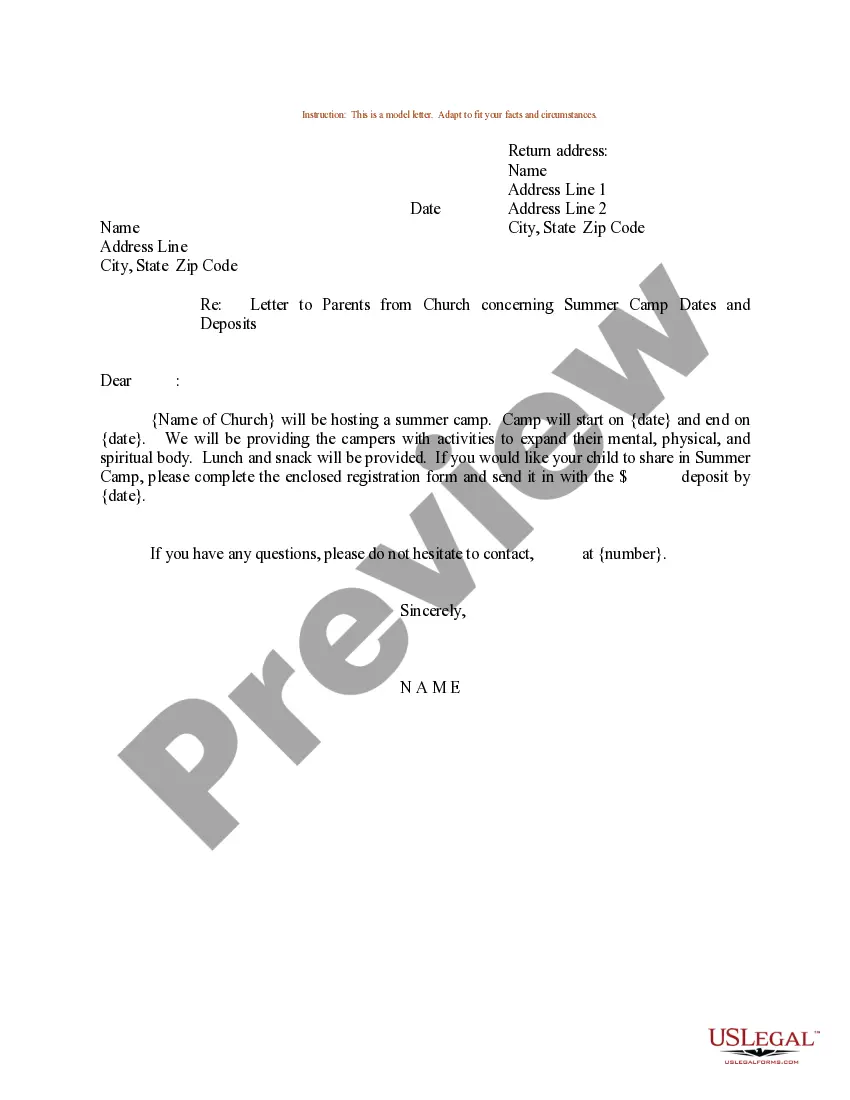
Get your form ready online
Our built-in tools help you complete, sign, share, and store your documents in one place.
Make edits, fill in missing information, and update formatting in US Legal Forms—just like you would in MS Word.
Download a copy, print it, send it by email, or mail it via USPS—whatever works best for your next step.
Sign and collect signatures with our SignNow integration. Send to multiple recipients, set reminders, and more. Go Premium to unlock E-Sign.
If this form requires notarization, complete it online through a secure video call—no need to meet a notary in person or wait for an appointment.
We protect your documents and personal data by following strict security and privacy standards.

Make edits, fill in missing information, and update formatting in US Legal Forms—just like you would in MS Word.

Download a copy, print it, send it by email, or mail it via USPS—whatever works best for your next step.

Sign and collect signatures with our SignNow integration. Send to multiple recipients, set reminders, and more. Go Premium to unlock E-Sign.

If this form requires notarization, complete it online through a secure video call—no need to meet a notary in person or wait for an appointment.

We protect your documents and personal data by following strict security and privacy standards.
Looking for another form?
Form popularity
FAQ
SAN DIEGO — California has passed Assembly Bill 2347 (AB 2347), extending the time tenants must respond to eviction notices. Governor Gavin Newsom signed the bill into law on September 24, 2024, and it will take effect on January 1, 2025. The bill will substantially change the state's eviction process.
Eviction Process The landlord must file suit in the Clerk's Office in the county where the dwelling is located. The tenant then has five days (excluding weekends and legal holidays) to respond, in writing, to the court. If there is no response from the tenant, a judgment is entered against the tenant.
If you lose your eviction case, you need to move out (at the latest) 5 days after the sheriff posts a Notice to Vacate on your door. If you need more time to move, you can ask the court for a stay of execution.
To write an eviction notice, you need to include specific information such as addresses, tenant names, lease status and date, reasons for eviction, the date the tenant must leave the property, and record of delivery. Make sure to follow your state's laws regarding notice requirements and timeline for eviction.
The eviction process can take 30 - 45 days, or longer. The time starts from when you have eviction court forms delivered to your tenant to the time they must move out. Choose any box, below, to learn more about the eviction process and get step-by-step instructions.
A landlord uses a 30-day Notice to Quit (move out) to end a month-to-month tenancy if the tenant has been renting for less than 1 year. A landlord uses a 60-day Notice to Quit if their tenant has been renting for 1 year or more.
If you don't do what your landlord asks, they can start an eviction case to ask the judge to order you to move out. After the landlord gives you the Notice it can take 30-45 days, or longer, for the eviction case to end. If you lose the case, the judge can order you to move out of your home.
In California, accepting rent after issuing an eviction notice can complicate the eviction process and may require the landlord to restart the process. This is because accepting rent could be interpreted as an acknowledgment of the tenant's continued tenancy, effectively canceling the eviction notice.