Removal Request Letter For Leave In Michigan
Description

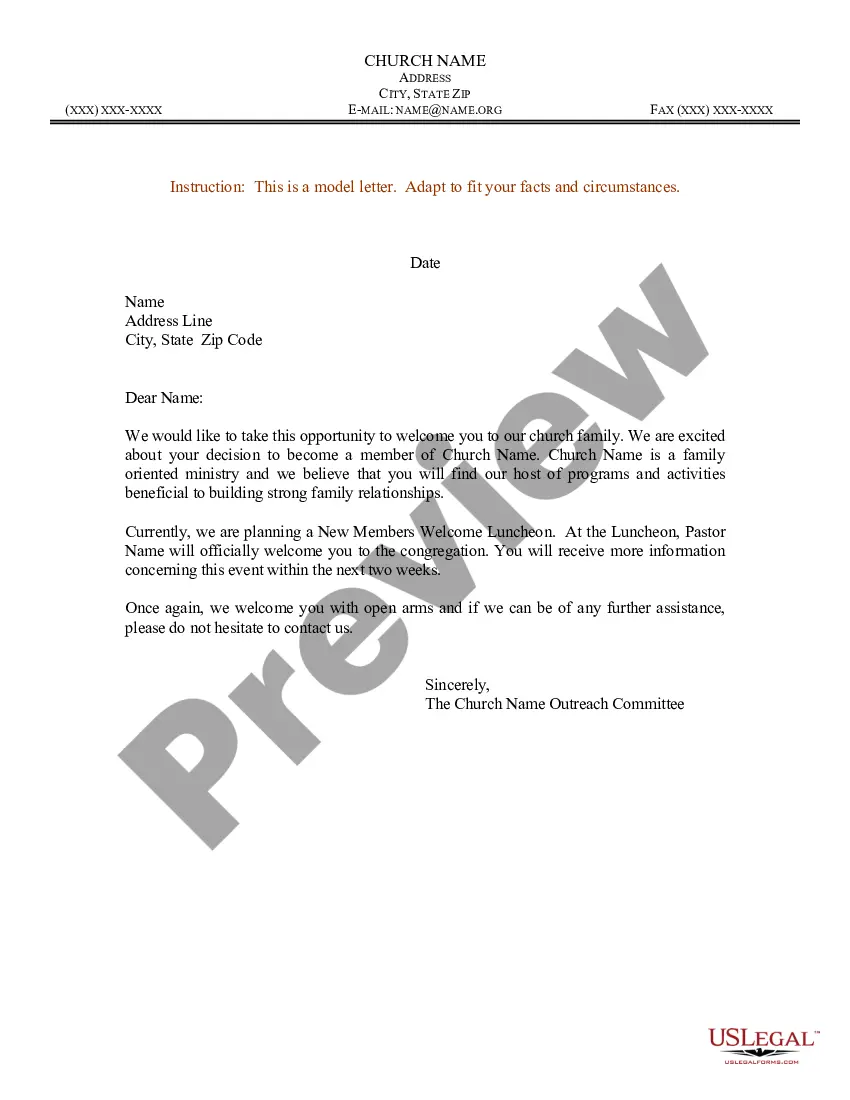
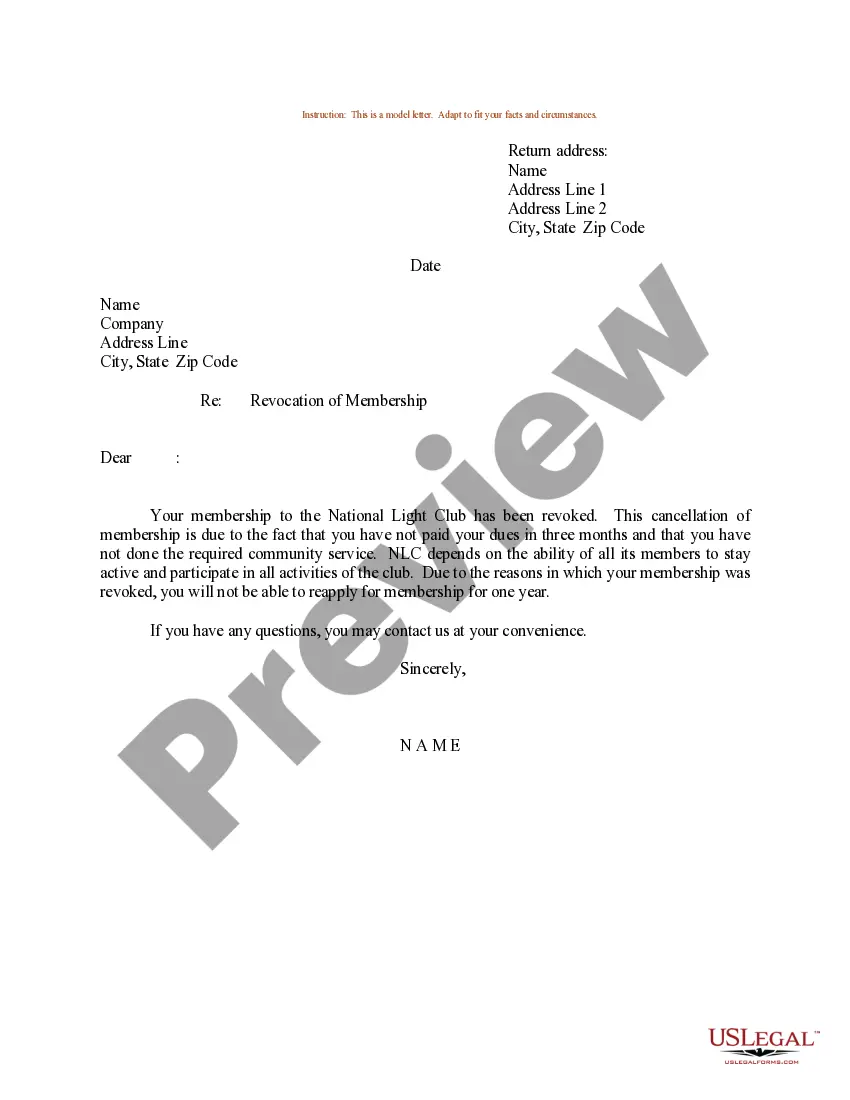
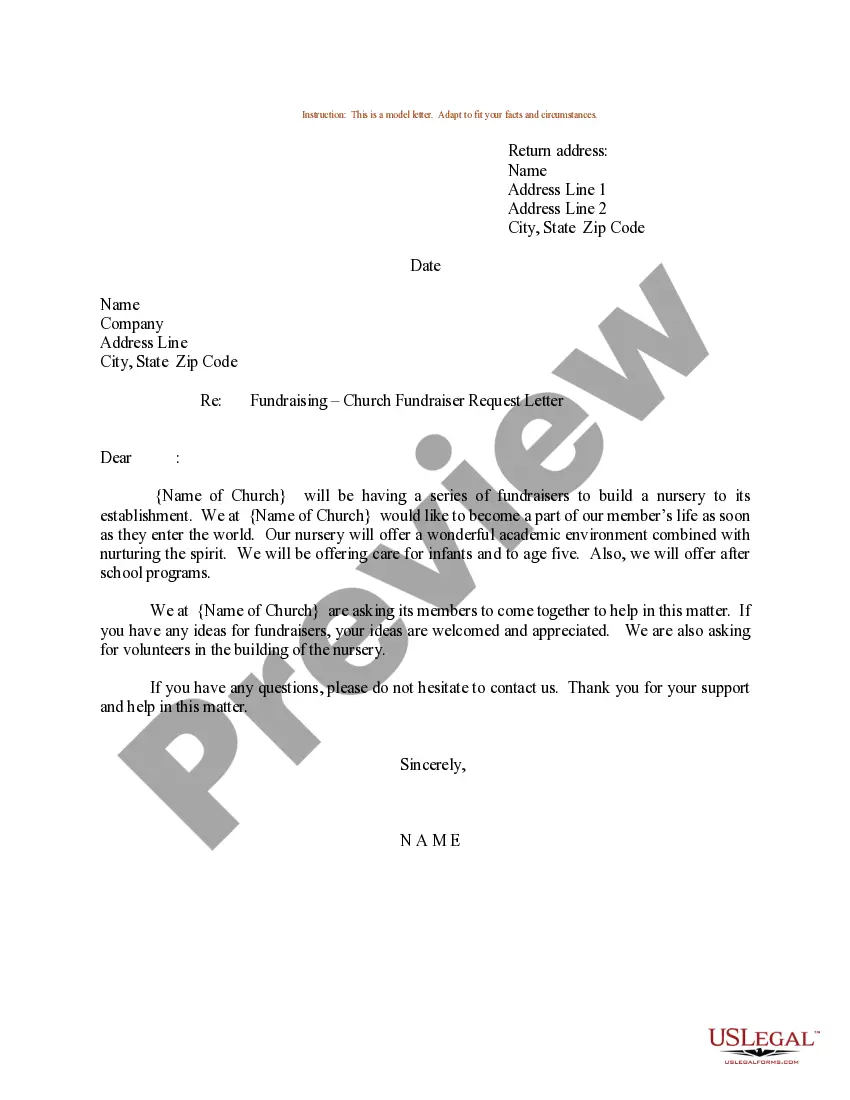
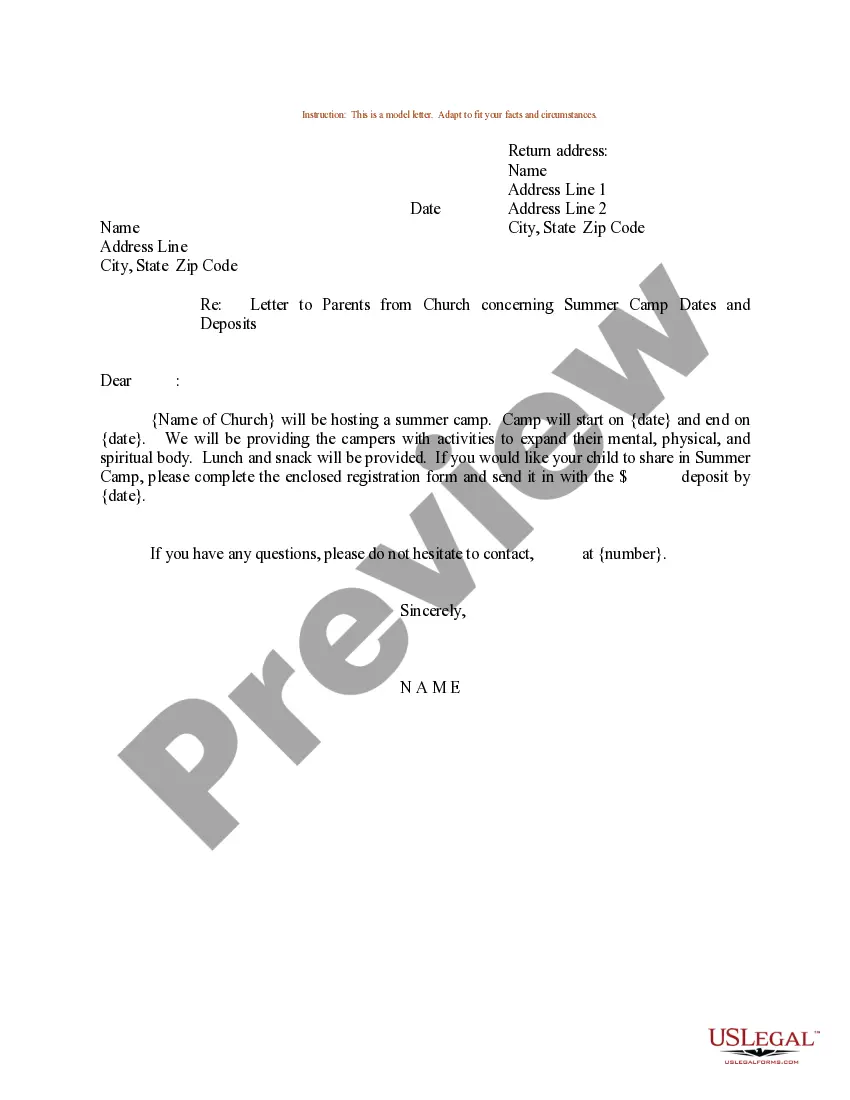
Get your form ready online
Our built-in tools help you complete, sign, share, and store your documents in one place.
Make edits, fill in missing information, and update formatting in US Legal Forms—just like you would in MS Word.
Download a copy, print it, send it by email, or mail it via USPS—whatever works best for your next step.
Sign and collect signatures with our SignNow integration. Send to multiple recipients, set reminders, and more. Go Premium to unlock E-Sign.
If this form requires notarization, complete it online through a secure video call—no need to meet a notary in person or wait for an appointment.
We protect your documents and personal data by following strict security and privacy standards.

Make edits, fill in missing information, and update formatting in US Legal Forms—just like you would in MS Word.

Download a copy, print it, send it by email, or mail it via USPS—whatever works best for your next step.

Sign and collect signatures with our SignNow integration. Send to multiple recipients, set reminders, and more. Go Premium to unlock E-Sign.

If this form requires notarization, complete it online through a secure video call—no need to meet a notary in person or wait for an appointment.

We protect your documents and personal data by following strict security and privacy standards.
Looking for another form?




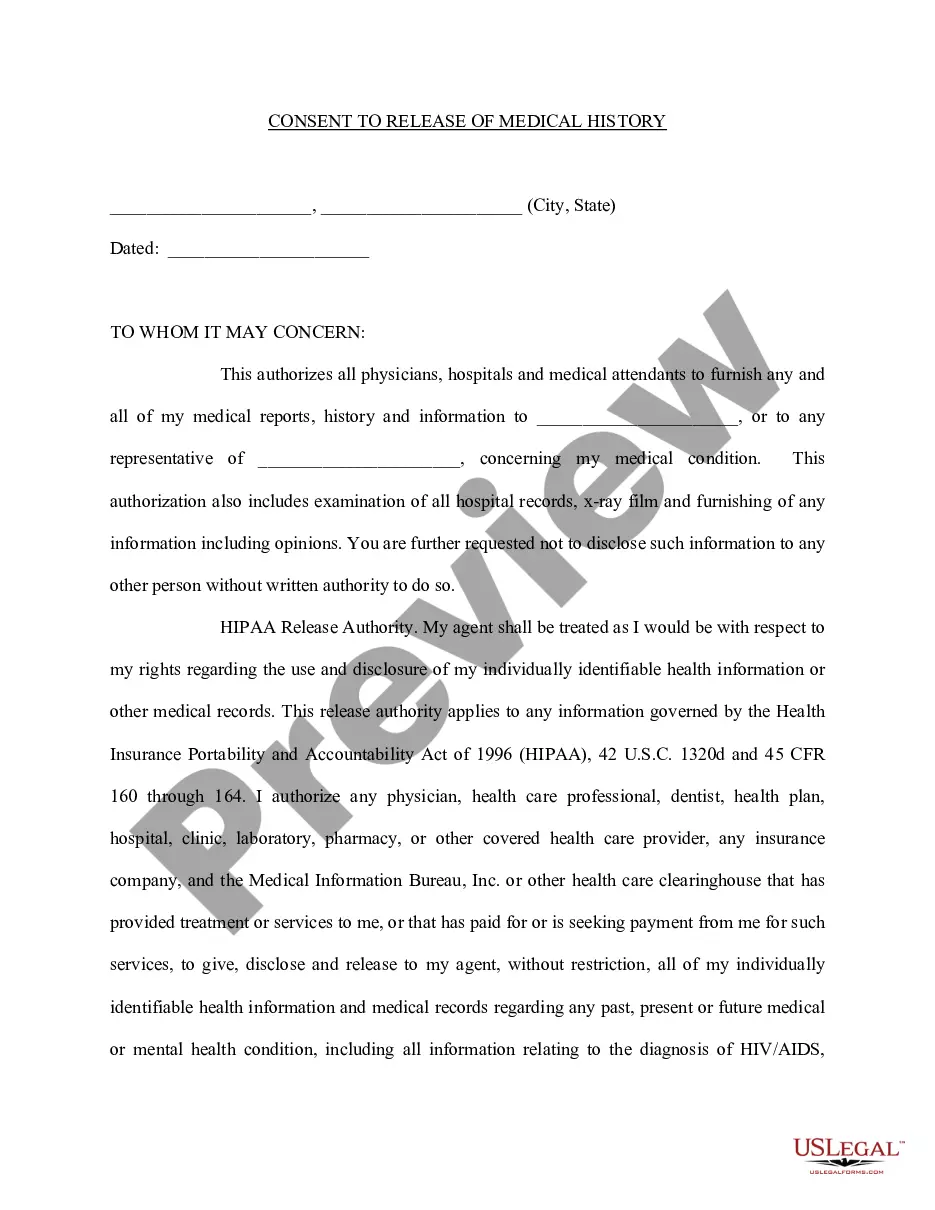



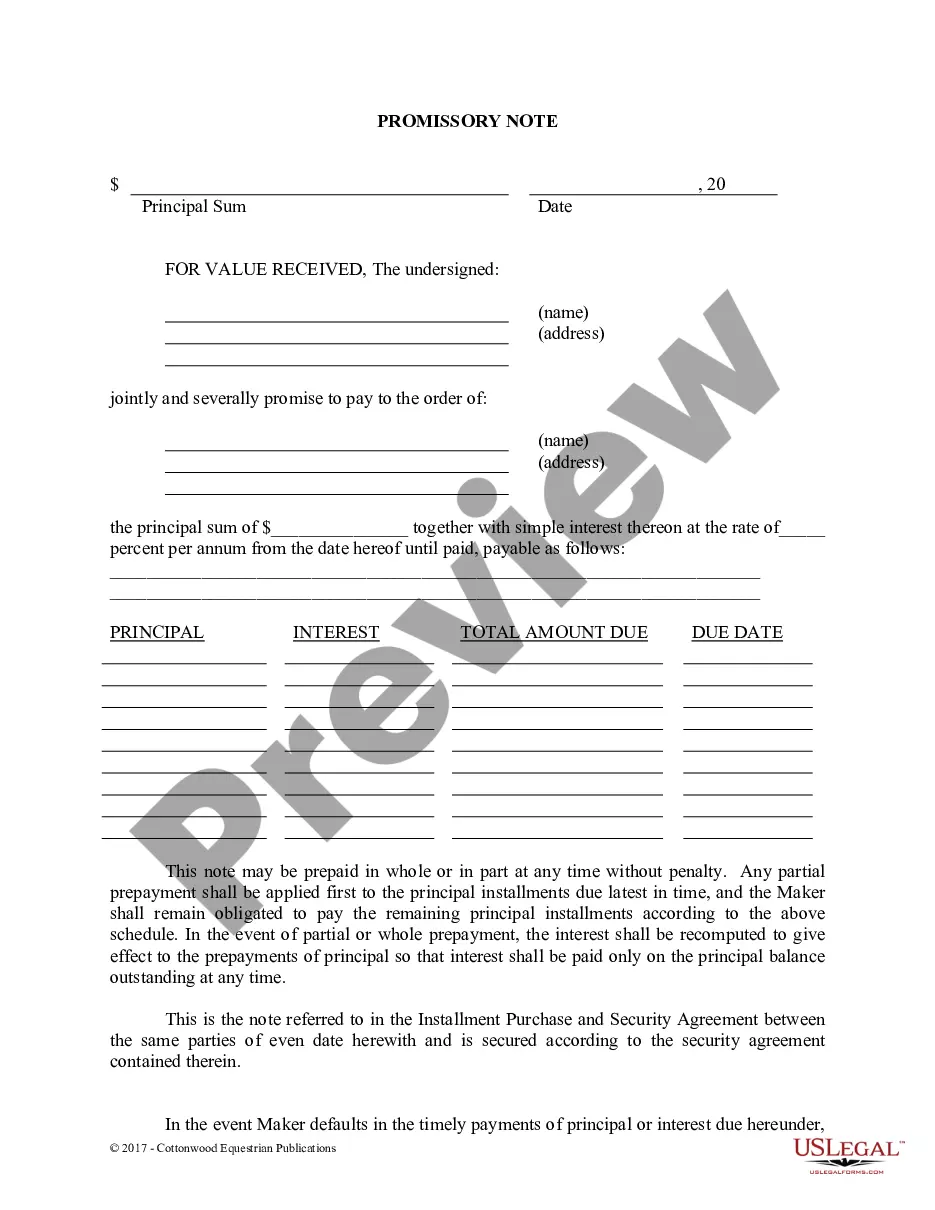
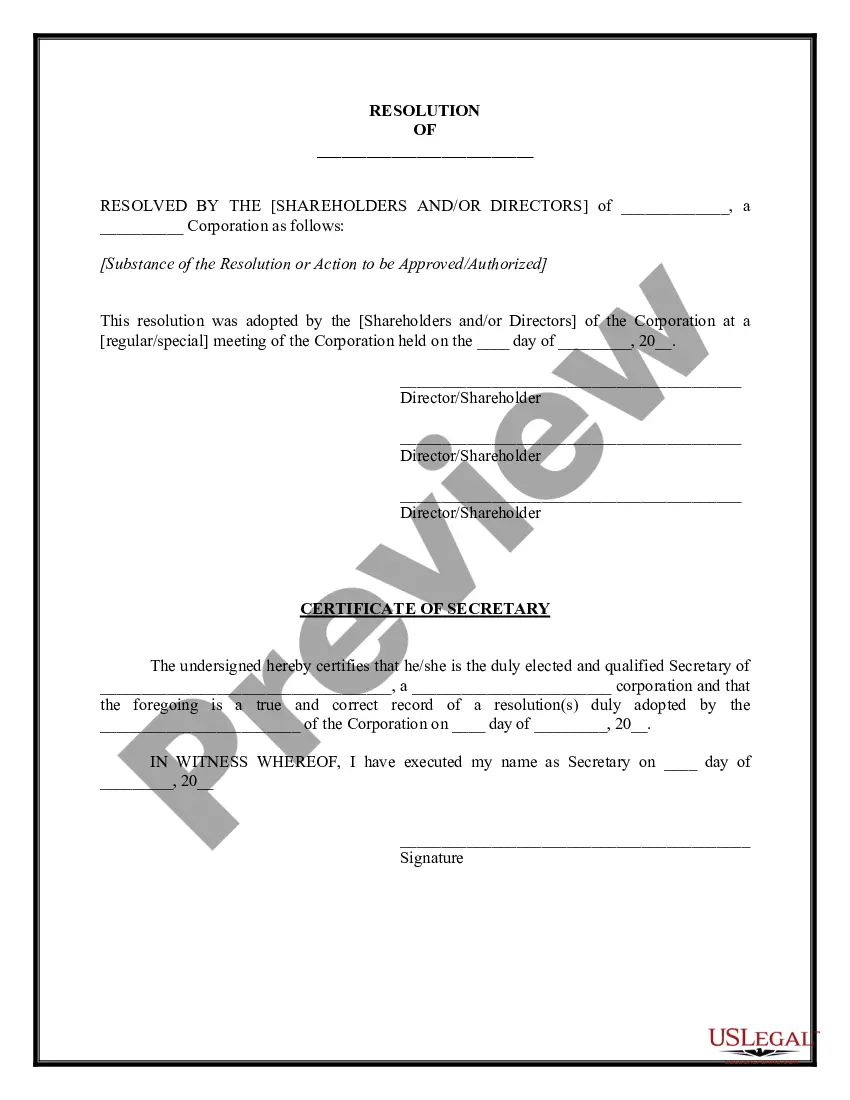
Form popularity
FAQ
A proof of service is, in almost all instances, required to be attached to documents that you are filing with the Court. This document is “proof” to the Court of the “service” you completed for the document you are filing.
A subpoena must: (1) be entitled in the name of the People of the State of Michigan; (2) be imprinted with the seal of the Supreme Court of Michigan; (3) have typed or printed on it the name of the court in which the matter is pending; (4) state the place where the trial or hearing is scheduled; (5) state the title of ...
Proof of service may be made by (1) written acknowledgment of the receipt of a summons and a copy of the complaint, dated and signed by the person to whom the service is directed or by a person authorized under these rules to receive the service of process; (2) a certificate stating the facts of service, including the ...
Fill out form MC 03 (Answer, Civil) on the website or get a paper copy from the court to fill out. Write in the court number, case number, the court address, the court telephone number, and the names, addresses, and telephone numbers of the plaintiff and the defendant exactly as they are on your court papers.
MOTION FOR RECONSIDERATION The moving party must demonstrate a palpable error by which the Court and the parties have been misled and show that a different disposition will result by correcting the error. MCR 7.311(G), referencing MCR 2.119(F)(3).
Under the Barclay three-point rule for personal service, the process server must inform the defendant of the nature of the papers being served, offer them to the defendant, and leave them in the defendant's physical control.
Tells the court that you had legal papers in a civil case - other than a summons - delivered to (served on) the other party. Lists the papers that were served and tells who they were served on, where, when, and how they were served, and who served them.
Service Documents means a claim form, application notice, order or judgment or other document relating to any Proceedings.
In Michigan, landlords cannot evict tenants or force them to vacate the property without probable cause. As long as the tenant does not violate any rules, they can stay until their rental period ends.
If there is no written agreement, you can give them a written 30 day notice to vacate. If they don't vacate, then you can file a formal eviction action in court to get a hearing date and then a judgment and writ of possession that the sheriff would execute to force them to leave.

