Removal Request Letter Format Template In Illinois
Description

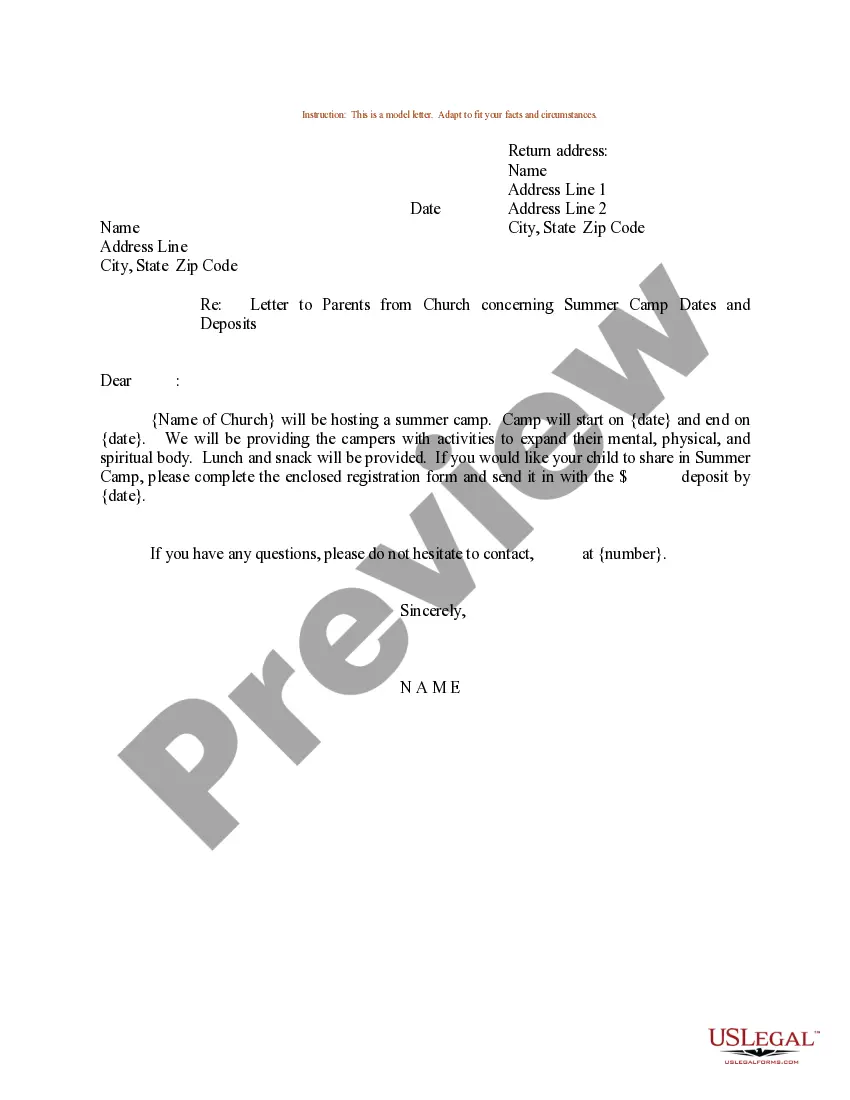
Get your form ready online
Our built-in tools help you complete, sign, share, and store your documents in one place.
Make edits, fill in missing information, and update formatting in US Legal Forms—just like you would in MS Word.
Download a copy, print it, send it by email, or mail it via USPS—whatever works best for your next step.
Sign and collect signatures with our SignNow integration. Send to multiple recipients, set reminders, and more. Go Premium to unlock E-Sign.
If this form requires notarization, complete it online through a secure video call—no need to meet a notary in person or wait for an appointment.
We protect your documents and personal data by following strict security and privacy standards.

Make edits, fill in missing information, and update formatting in US Legal Forms—just like you would in MS Word.

Download a copy, print it, send it by email, or mail it via USPS—whatever works best for your next step.

Sign and collect signatures with our SignNow integration. Send to multiple recipients, set reminders, and more. Go Premium to unlock E-Sign.

If this form requires notarization, complete it online through a secure video call—no need to meet a notary in person or wait for an appointment.

We protect your documents and personal data by following strict security and privacy standards.
Looking for another form?




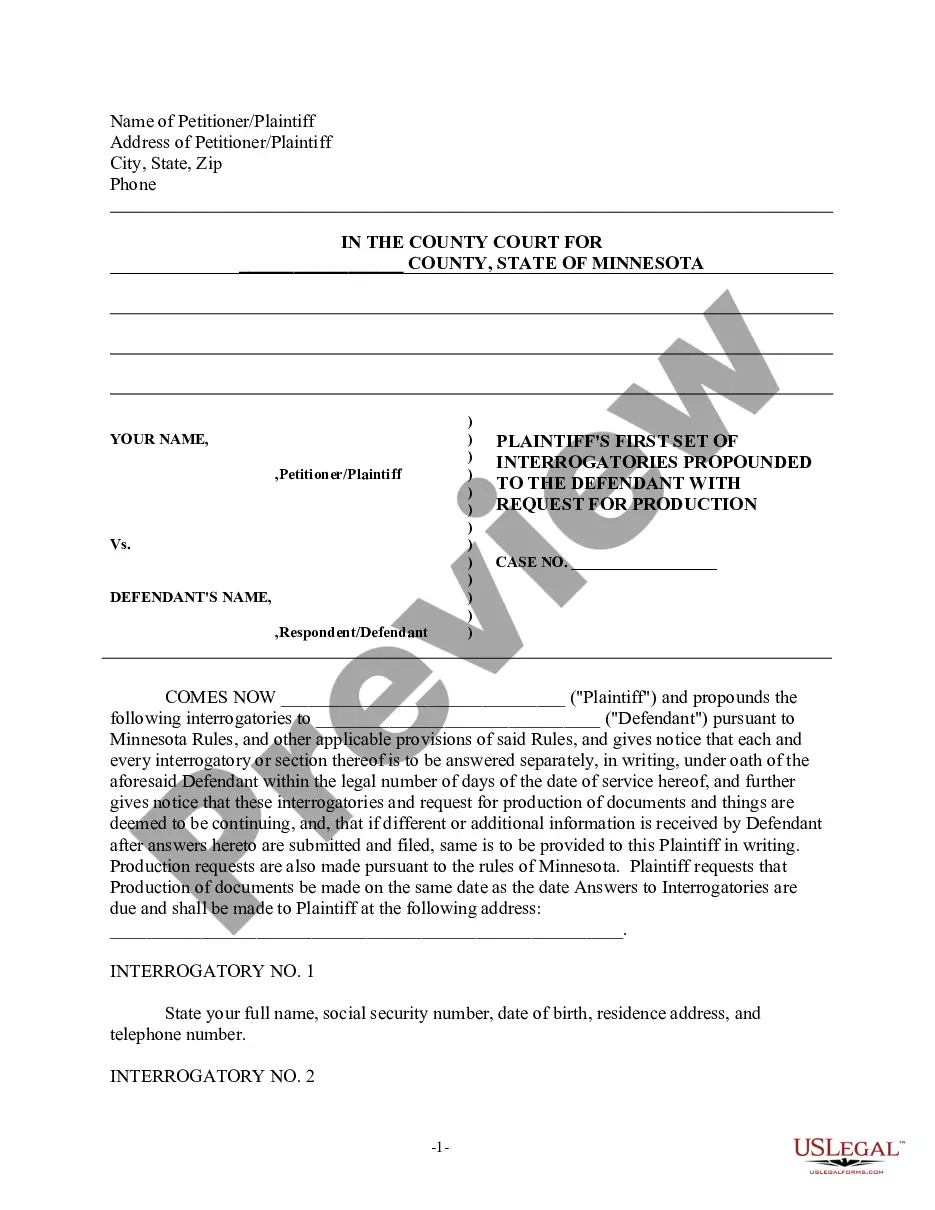

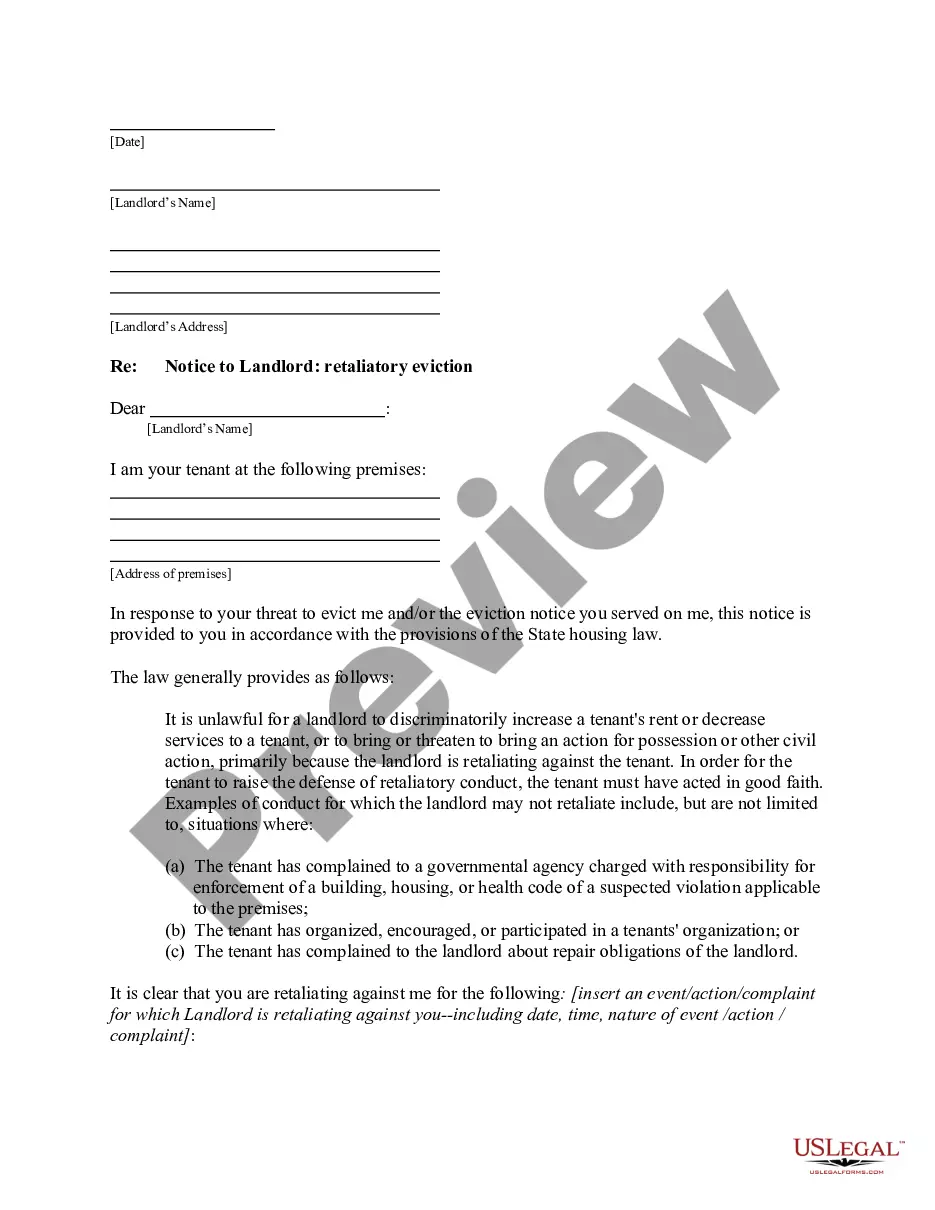
Form popularity
FAQ
O Step 1: Serve the Defendants with written notice. o Step 2: Fill out and file an Eviction Complaint and Eviction Summons. o Step 3: Serve the Eviction Complaint and Eviction Summons on the Defendants. o Step 4: Go to court. o Step 5: Enforce the Eviction Order.
If the tenant does not leave by the date stated in the Eviction Order, you can go to the sheriff's department with the Eviction Order and ask to have your tenant evicted. You may also be able to file the order with the sheriff's office online. You must do this within 120 days of the day the Eviction Order was entered.
Illinois landlords must adhere to specific regulations and serve appropriate notices for different legal grounds of eviction. The eviction timeline typically ranges from two to five months, depending on factors such as the rationale for eviction, tenant compliance, and judicial timetables.
Illinois eviction laws vary from county to county, but they still follow the same general eviction process: Send a clear written notice. Fill out the forms. Serve the tenant. Attend the trial. Wait for judgment.
What is needed to file for an eviction? The plaintiff would need to complete a Civil Action Cover Sheet, Complaint, Summons, Notice of Eviction Resolution Program, Plaintiff Certification of Compliance, Tenant Declaration Form and a copy of the Eviction Notice.
Filing the Motion and Notice of Motion. The Motion and the Notice of Motion need to be e-filed with the Clerk of the Court. The e-Filing system will reject your filing if you do not enter a court date on the form before e-filing it.
What is a Proof of Service & Affidavit of Mailing? o Before you file a document with the court, you must send a copy to each of the other parties, and you must send it in one of several particular ways. A Proof of Service shows the court how you sent a copy of a document to each of the other parties in the case.
A Driving Under the Influence (DT) case number shall be assigned to any case charging a violation of a statute, ordinance, or regulation governing driving or operating under the influence of alcohol, other drug, or combination thereof, under Section 11-501 of the Illinois Vehicle Code, Section 5-7 of the Snowmobile ...
Miscellaneous Remedy “MR” A Miscellaneous Remedy "MR" case number shall be assigned to complaints seeking review of administrative decisions (other than of a tax commission) and a variety of other actions that include change of name, habeas corpus, and extradition.