Terminate Church Membership Without Consent In Georgia
Description

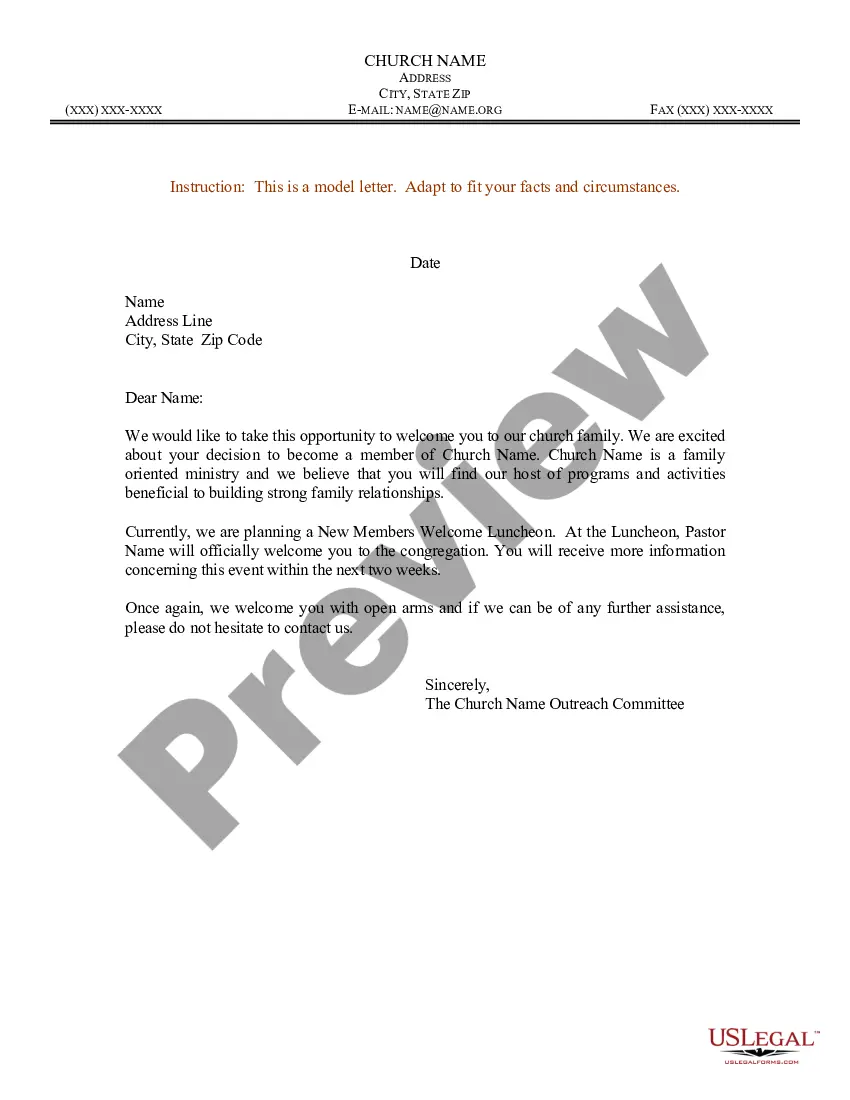
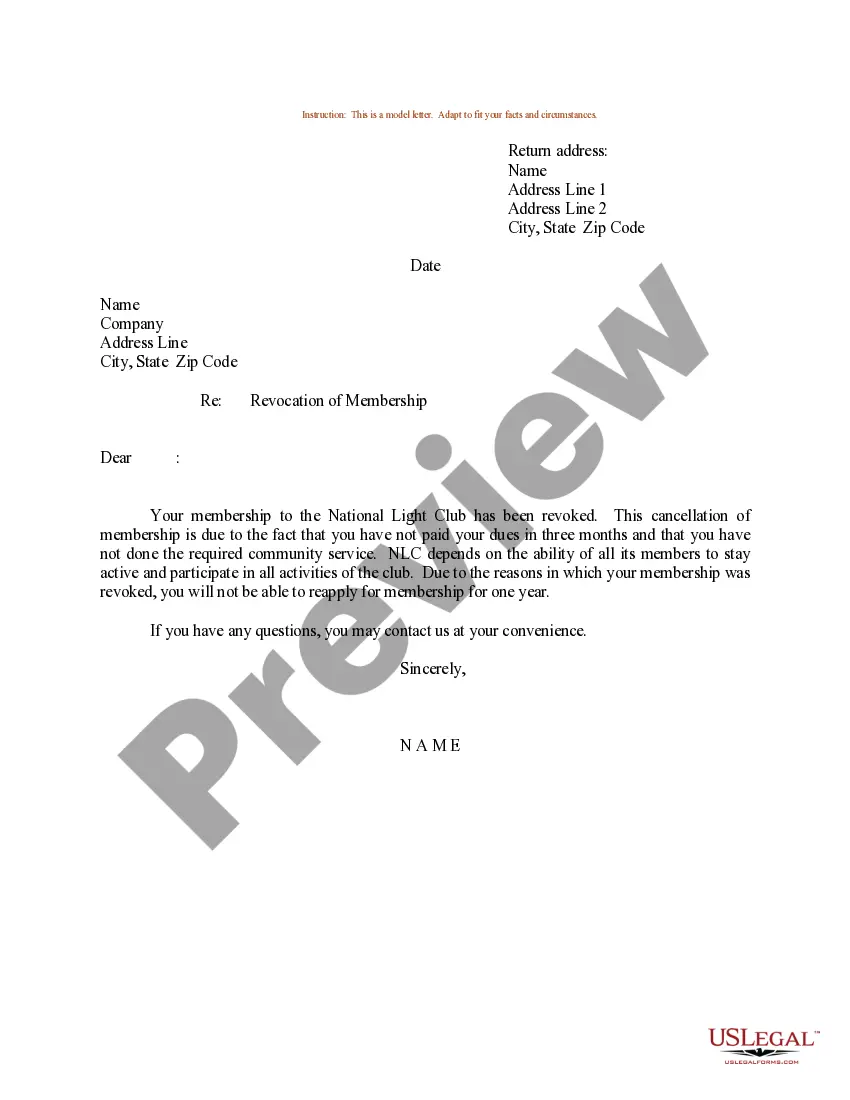
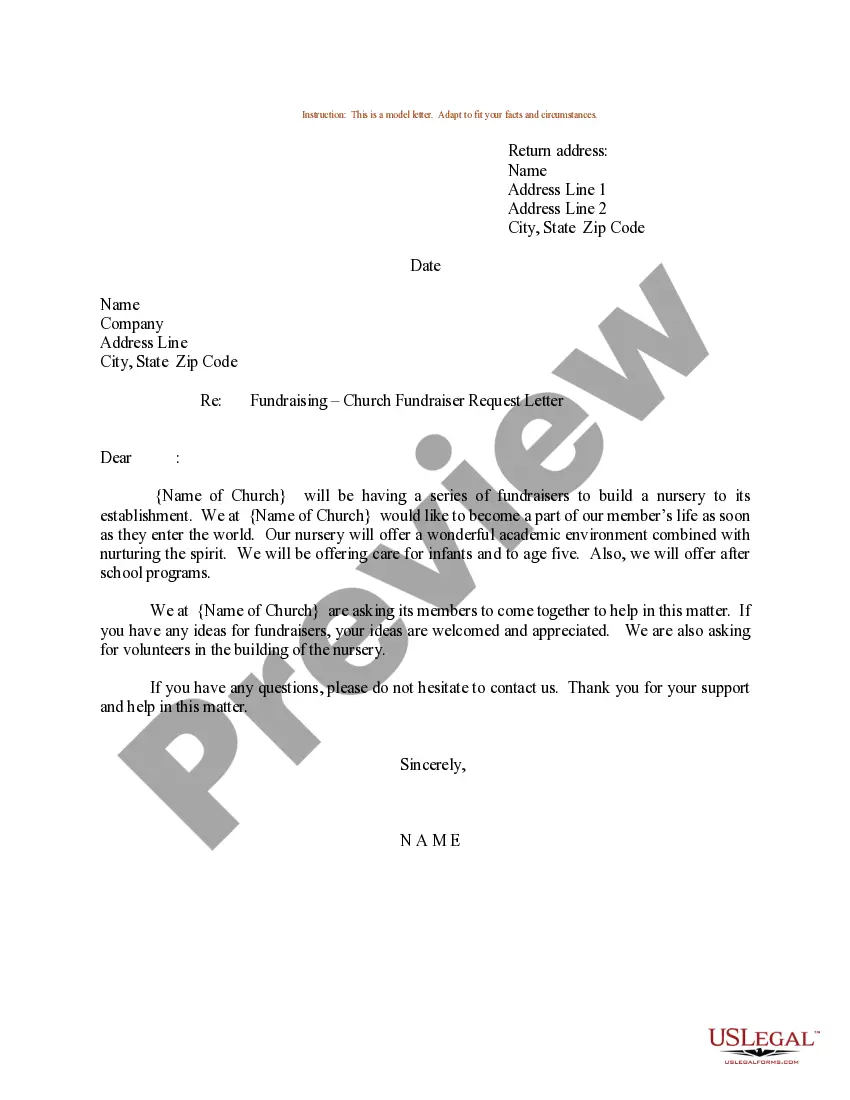
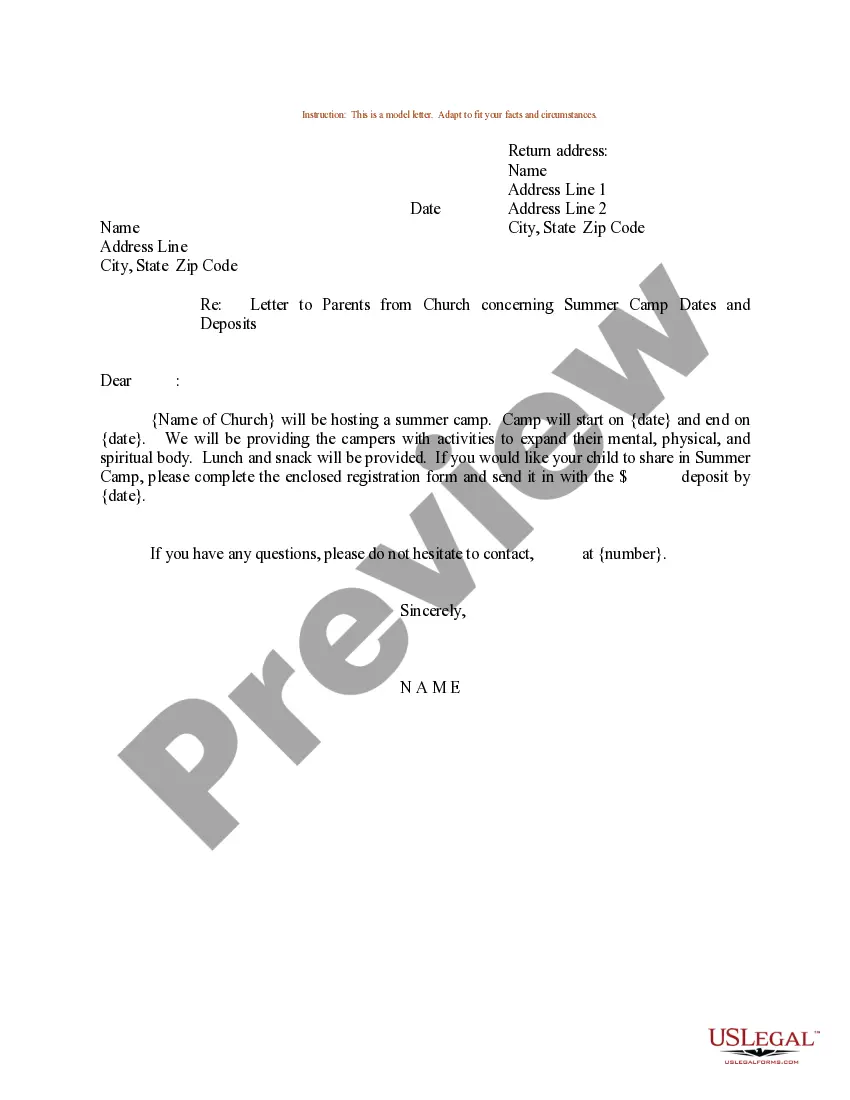
Get your form ready online
Our built-in tools help you complete, sign, share, and store your documents in one place.
Make edits, fill in missing information, and update formatting in US Legal Forms—just like you would in MS Word.
Download a copy, print it, send it by email, or mail it via USPS—whatever works best for your next step.
Sign and collect signatures with our SignNow integration. Send to multiple recipients, set reminders, and more. Go Premium to unlock E-Sign.
If this form requires notarization, complete it online through a secure video call—no need to meet a notary in person or wait for an appointment.
We protect your documents and personal data by following strict security and privacy standards.

Make edits, fill in missing information, and update formatting in US Legal Forms—just like you would in MS Word.

Download a copy, print it, send it by email, or mail it via USPS—whatever works best for your next step.

Sign and collect signatures with our SignNow integration. Send to multiple recipients, set reminders, and more. Go Premium to unlock E-Sign.

If this form requires notarization, complete it online through a secure video call—no need to meet a notary in person or wait for an appointment.

We protect your documents and personal data by following strict security and privacy standards.
Looking for another form?


Form popularity
FAQ
Excommunication is an institutional act of religious censure used to deprive, suspend, or limit membership in a religious community or to restrict certain rights within it, in particular those of being in communion with other members of the congregation, and of receiving the sacraments.
Communicate respectfully with the pastor about your decision to leave. In doing so, it is appropriate to express appreciation for the things that were received during your time at the church. Express sincere thanks for the pastor's ministry and the church's to you.
This is no doubt one of the toughest decisions pastors have to make, but at times, it is also one of the most necessary decisions pastors must make for the overall well-being of their church. Unfortunately, it is not an uncommon occurrence for pastors to have to ask a member of the church to leave.
Here's what your church resignation letter should include: Appropriate salutation. Statement stating your intent to resign. Date of your intended resignation. Reason(s) behind your resignation. Expression of gratitude. Offer of assistance during transition. Sign off.
Set up a time to talk directly to one of the pastors of your church about your leaving. This is a key step in leaving a church well. You don't need to share all of your reasons or rationale, but as a matter of love and courtesy, let your pastor know you and your family have chosen to go to another church.
Making the Decision Begin with prayer. Seek Wise Counsel. Here are questions to ask yourself—or someone you trust—as you work through your decision: Write it out. Meditate. Leave slowly. Make it your goal not to respond in kind. Be prepared to process some emotions.
In the formal sense of the term, excommunication includes being barred not only from the sacraments but also from the fellowship of Christian baptism.
Set up a time to talk directly to one of the pastors of your church about your leaving. This is a key step in leaving a church well. You don't need to share all of your reasons or rationale, but as a matter of love and courtesy, let your pastor know you and your family have chosen to go to another church.
Most state religious and nonprofit corporation laws contain a specific procedure for voluntary dissolution, which generally consists of the following elements: Board resolution. Notice to members. Approval. Notice to creditors. Payment of debts. Articles of dissolution prepared. Articles of dissolution filed.
The procedure for dissolving an incorporated church is specified by state nonprofit corporation law. The dissolution of incorporated churches generally is regulated by state corporation law since the state alone has the authority to dissolve those organizations it has created.
