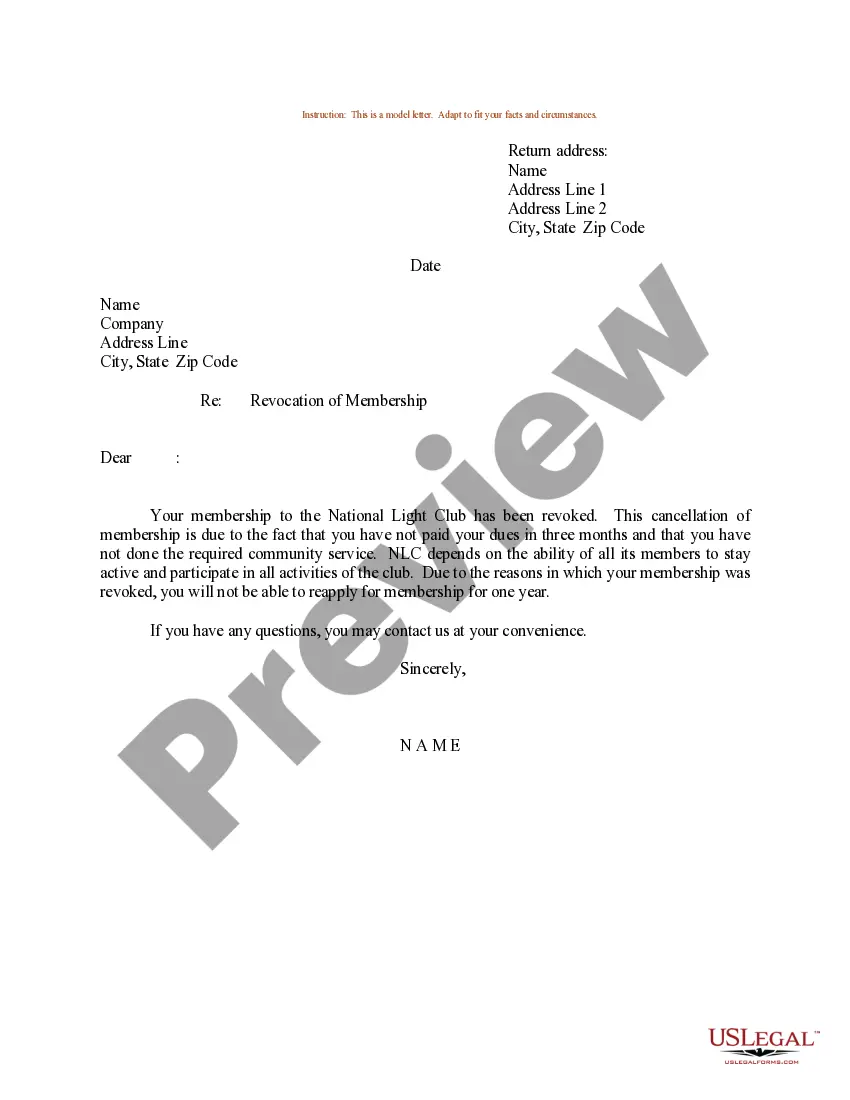
Cancel Church Membership Without Permission In Florida
Description

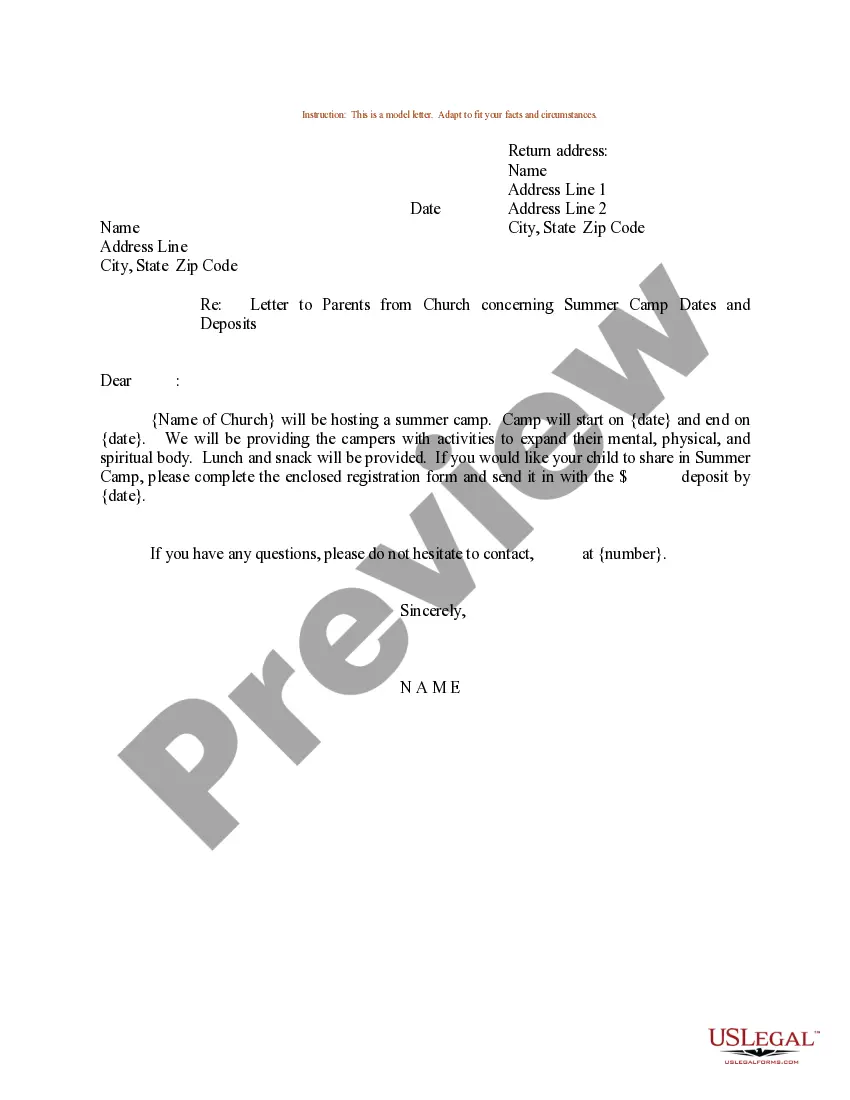
Get your form ready online
Our built-in tools help you complete, sign, share, and store your documents in one place.
Make edits, fill in missing information, and update formatting in US Legal Forms—just like you would in MS Word.
Download a copy, print it, send it by email, or mail it via USPS—whatever works best for your next step.
Sign and collect signatures with our SignNow integration. Send to multiple recipients, set reminders, and more. Go Premium to unlock E-Sign.
If this form requires notarization, complete it online through a secure video call—no need to meet a notary in person or wait for an appointment.
We protect your documents and personal data by following strict security and privacy standards.

Make edits, fill in missing information, and update formatting in US Legal Forms—just like you would in MS Word.

Download a copy, print it, send it by email, or mail it via USPS—whatever works best for your next step.

Sign and collect signatures with our SignNow integration. Send to multiple recipients, set reminders, and more. Go Premium to unlock E-Sign.

If this form requires notarization, complete it online through a secure video call—no need to meet a notary in person or wait for an appointment.

We protect your documents and personal data by following strict security and privacy standards.
Looking for another form?







Form popularity
FAQ
The 80% rule in churches, also known as the 80/20 rule or the Pareto Principle, is a concept that suggests that roughly 80% of the results or outcomes in a church (or any organization) come from 20% of the causes or efforts.
Churches, as private property owners, have the right to restrict access to their property. This legal understanding holds that churches do not need to permit anyone to enter or remain on their premises just because their ministries are open to the public.
Excommunication is an institutional act of religious censure used to deprive, suspend, or limit membership in a religious community or to restrict certain rights within it, in particular those of being in communion with other members of the congregation, and of receiving the sacraments.
It's not a legally binding contract and you can typically leave church membership any time you want. The purpose is just to outline exactly what your and the church's responsibilities are to each other. Part of the problem here is that Western culture has become very individualistic and averse to commitment.
How to write a letter of withdrawal Notify the employer right away. Be honest and clear. Thank the employer for their time. Provide your contact information. Keep your options open.
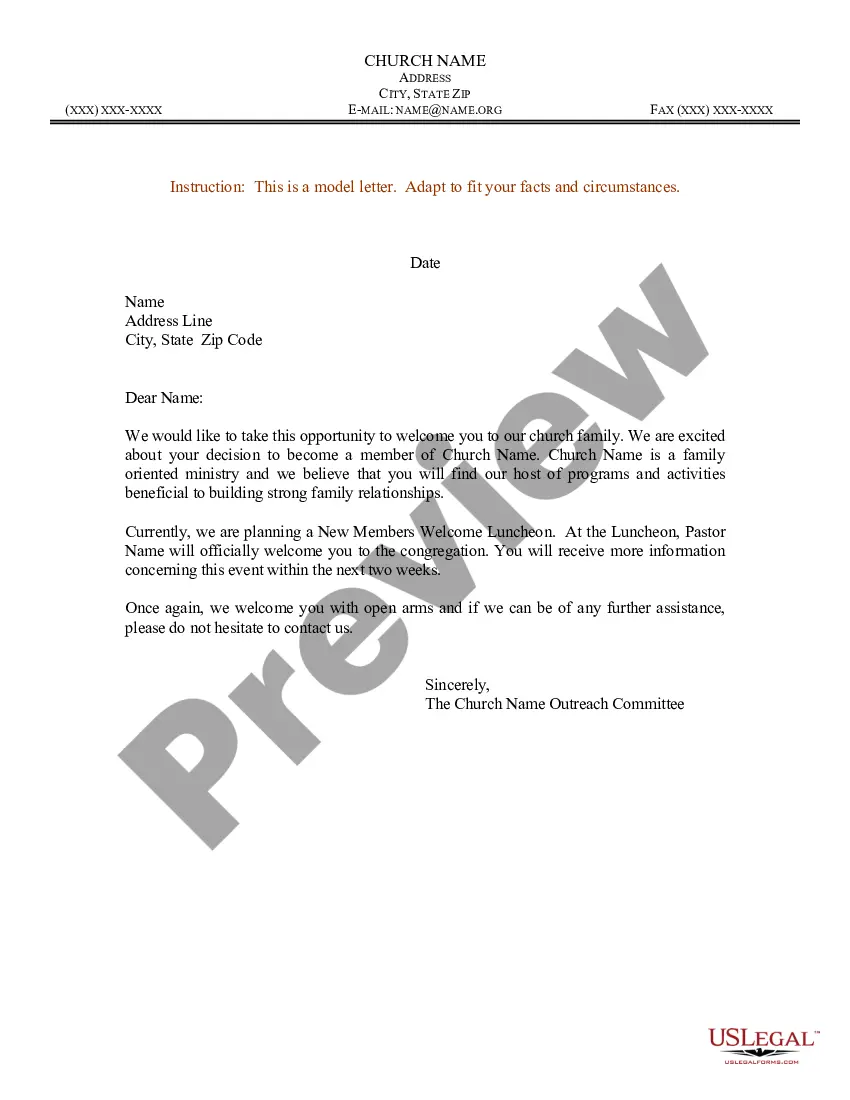
I am writing this letter as a formal request to cancel my membership on cancellation date. My contract number is contract number, which I signed on date. Please let me know if I need to complete a form or any other formalities. Please confirm receipt of this letter by telephone or email email address.
Guidelines in Writing a Membership Resignation Letter Be precise with your reason for leaving so that the organization will further understand why you have come up with the decision. Be appreciative of the things that the membership has given you for the entire duration that you have been a member of the organization.
This is no doubt one of the toughest decisions pastors have to make, but at times, it is also one of the most necessary decisions pastors must make for the overall well-being of their church. Unfortunately, it is not an uncommon occurrence for pastors to have to ask a member of the church to leave.
What to include in your church resignation letter Appropriate salutation. Statement stating your intent to resign. Date of your intended resignation. Reason(s) behind your resignation. Expression of gratitude. Offer of assistance during transition. Sign off.
Dear RECIPIENT NAME, I regret to inform you that I am ending my membership at Church named NAME as of today. I have given this decision careful consideration. And as you may have already known, a conflict of views between NAME 1 and mine makes my practice of my faith here difficult.