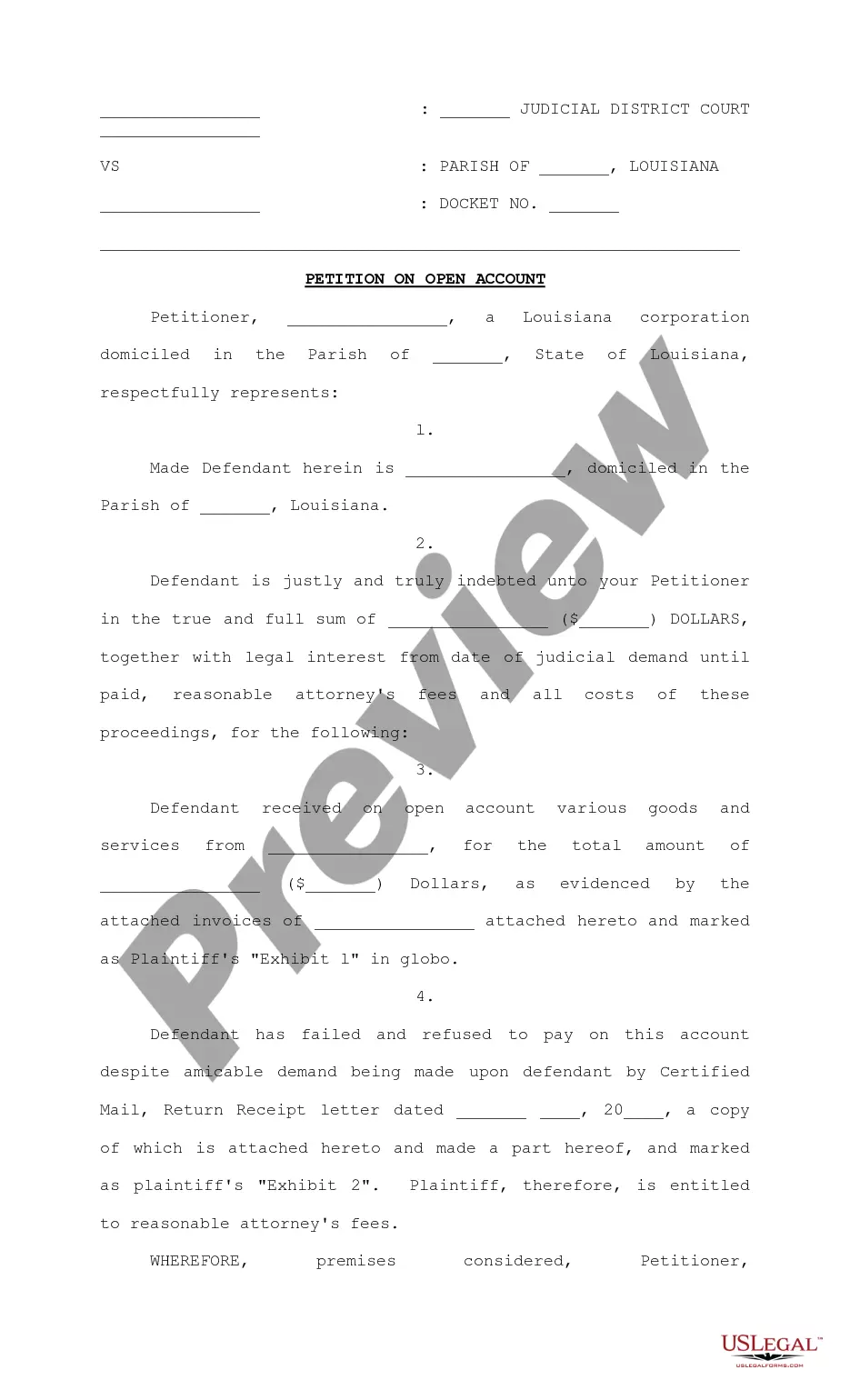
Removal Request Letter Format In Cuyahoga
Description

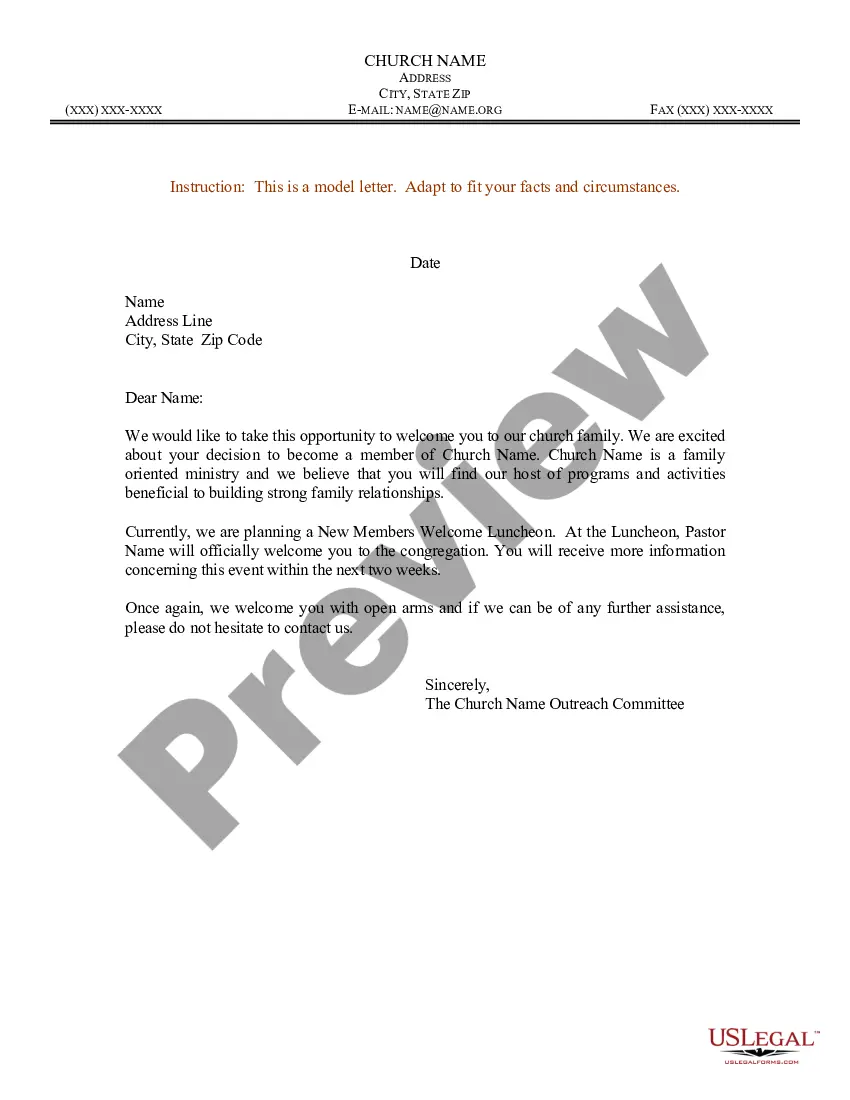
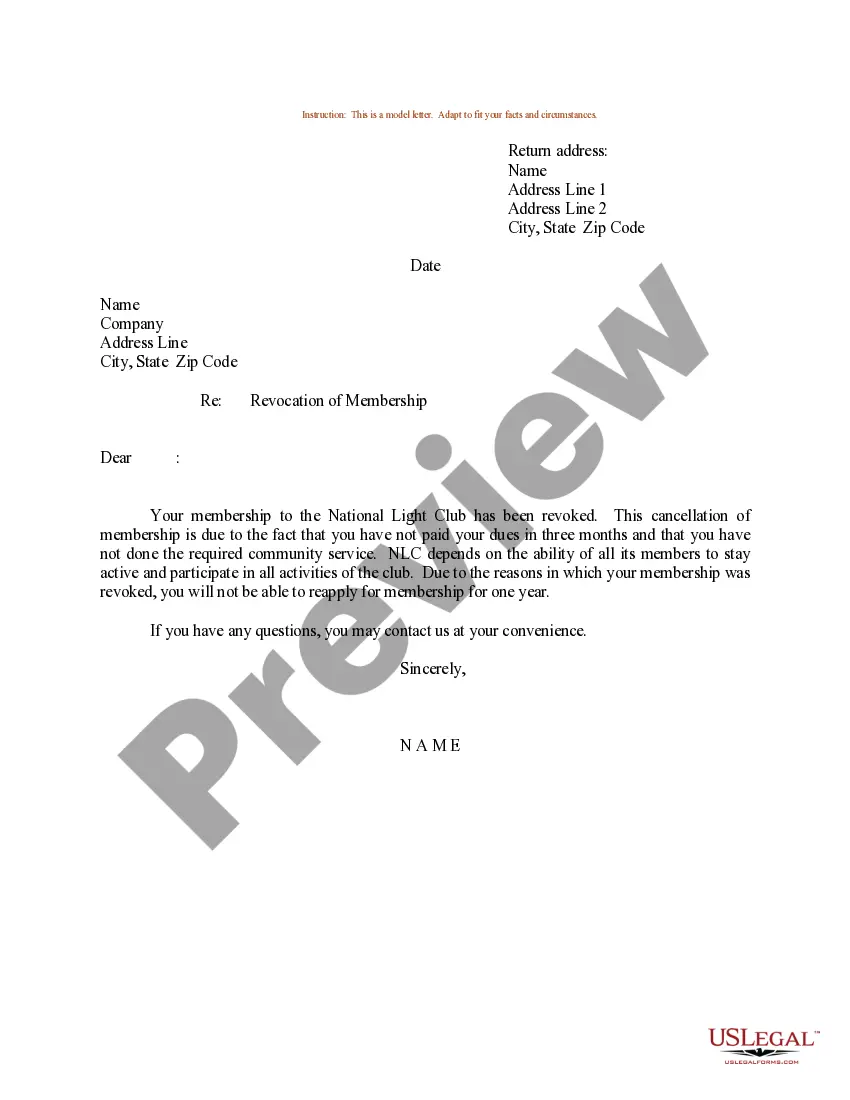
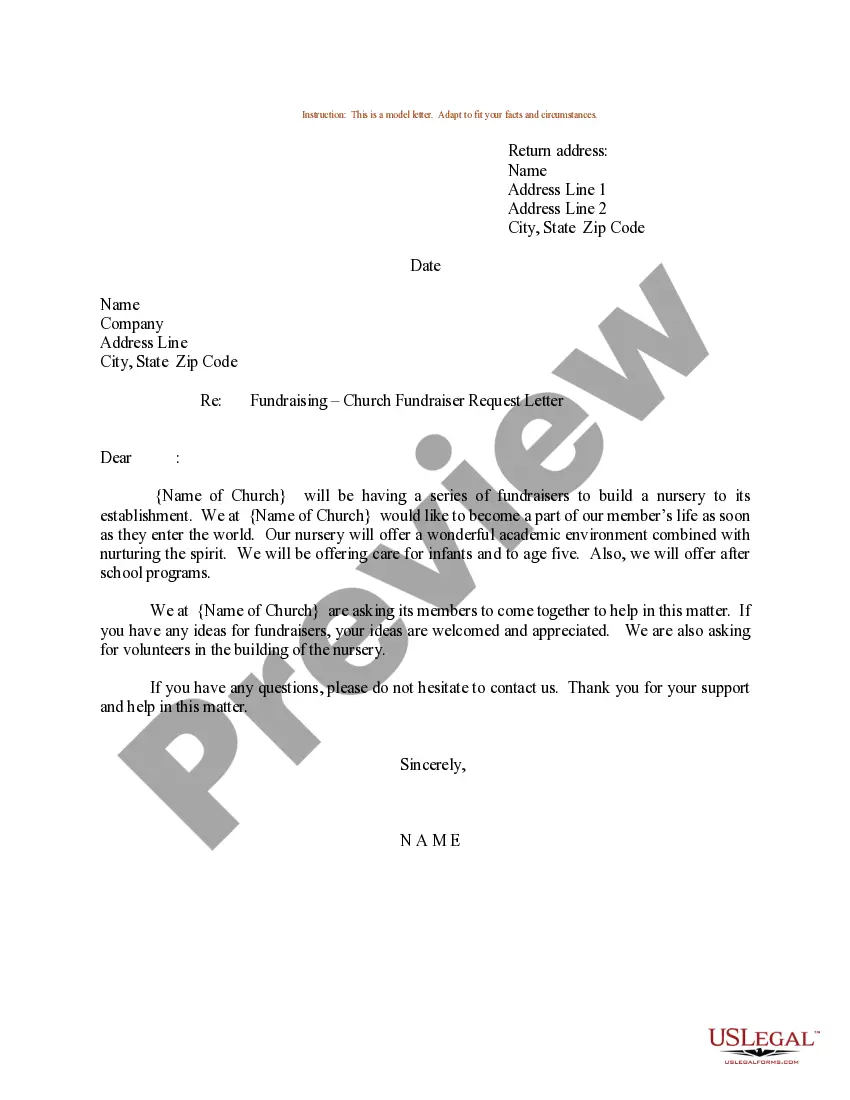
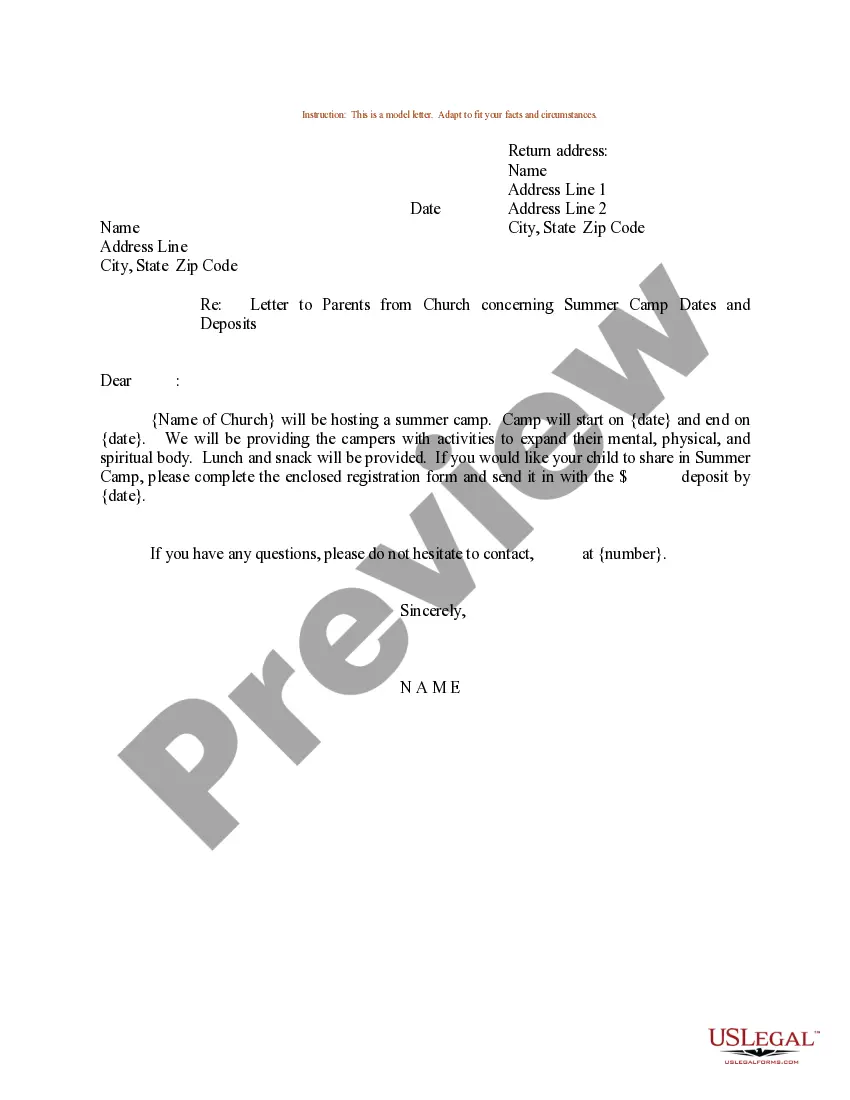
Get your form ready online
Our built-in tools help you complete, sign, share, and store your documents in one place.
Make edits, fill in missing information, and update formatting in US Legal Forms—just like you would in MS Word.
Download a copy, print it, send it by email, or mail it via USPS—whatever works best for your next step.
Sign and collect signatures with our SignNow integration. Send to multiple recipients, set reminders, and more. Go Premium to unlock E-Sign.
If this form requires notarization, complete it online through a secure video call—no need to meet a notary in person or wait for an appointment.
We protect your documents and personal data by following strict security and privacy standards.

Make edits, fill in missing information, and update formatting in US Legal Forms—just like you would in MS Word.

Download a copy, print it, send it by email, or mail it via USPS—whatever works best for your next step.

Sign and collect signatures with our SignNow integration. Send to multiple recipients, set reminders, and more. Go Premium to unlock E-Sign.

If this form requires notarization, complete it online through a secure video call—no need to meet a notary in person or wait for an appointment.

We protect your documents and personal data by following strict security and privacy standards.
Looking for another form?




Form popularity
FAQ
Try watching this video on .youtube, or enable JavaScript if it is disabled in your browser. The Owner Occupancy Credit is a real estate tax reduction available to a homeowner for their principal place of residence. A person can only have one principal place of residence.
Owner occupancy refers to the percentage of units within a condominium building that are owned and lived in by the unit owners themselves, as opposed to those rented out to tenants.
To receive up to a 2.5% tax reduction on an owner-occupied home in Ohio, you must own and occupy that home as your principal place of residence on January 1 of the year you file for the reduction. A homeowner and spouse are entitled to this credit on only one home.
Owner-Occupancy Credit: The owner-occupancy credit is a 2 1/2% reduction in the taxes charged by qualified levies. The reduction is applied against real property taxes and manufactured home taxes on any manufactured or mobile home on which a manufactured home tax is assessed.
Lodging Occupancy Tax FAQ's The Bed Tax rate is 6.5%. It is charged to every transient guest for lodging.
Collect Evidence: Gather evidence that supports your argument that the property's value is inflated. This could include data relating to recent property sales issues, the condition of your property, or other economic factors impacting property values.
You should always appeal. There is little/no downside. You should certainly appeal/protest in this case. You're right, transacted value is better than any comp analysis. Read your assessment letter and the assessor/appraisal district's website to make sure you understand the process.
If you disagree with the decision of the Board of Revision, you may file an appeal with the Ohio Board of Tax Appeals using Form DTE 4 (available online or at the Auditor's Office) within 30 days after the Board of Revision's decision notice is mailed.
The Homestead Tax Exemption lets qualifying homeowners reduce their property taxes. The program is designed to help senior citizens, disabled homeowners and, in some cases, their surviving spouses. Income-eligible couples can qualify even if only one partner is a senior or disabled.