Documents Required For Franchise Agreement In Philadelphia
Description
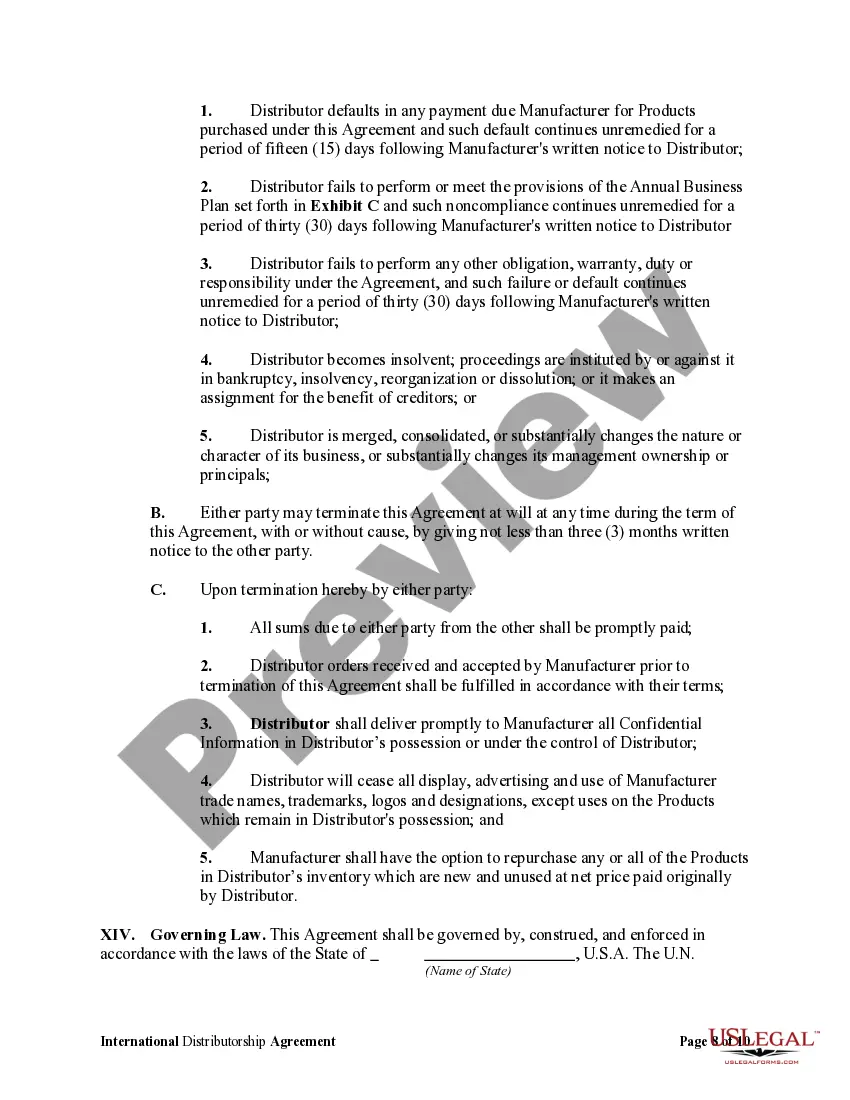
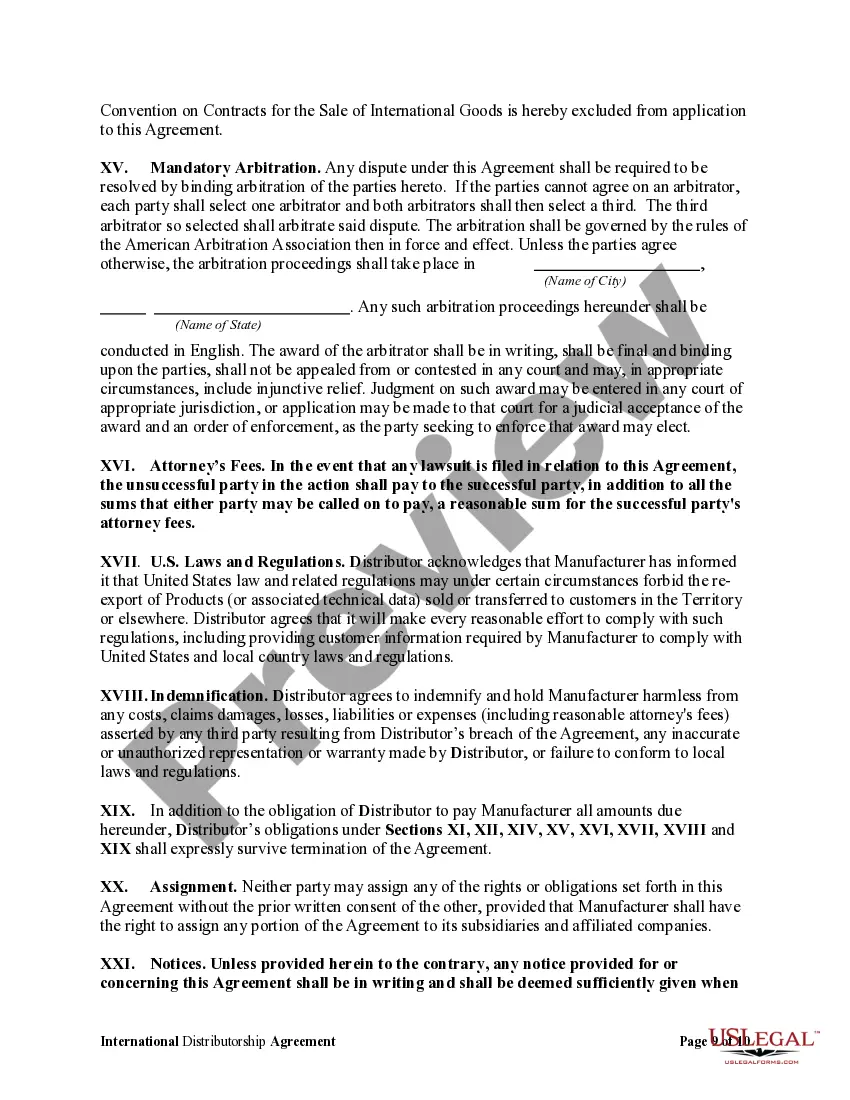
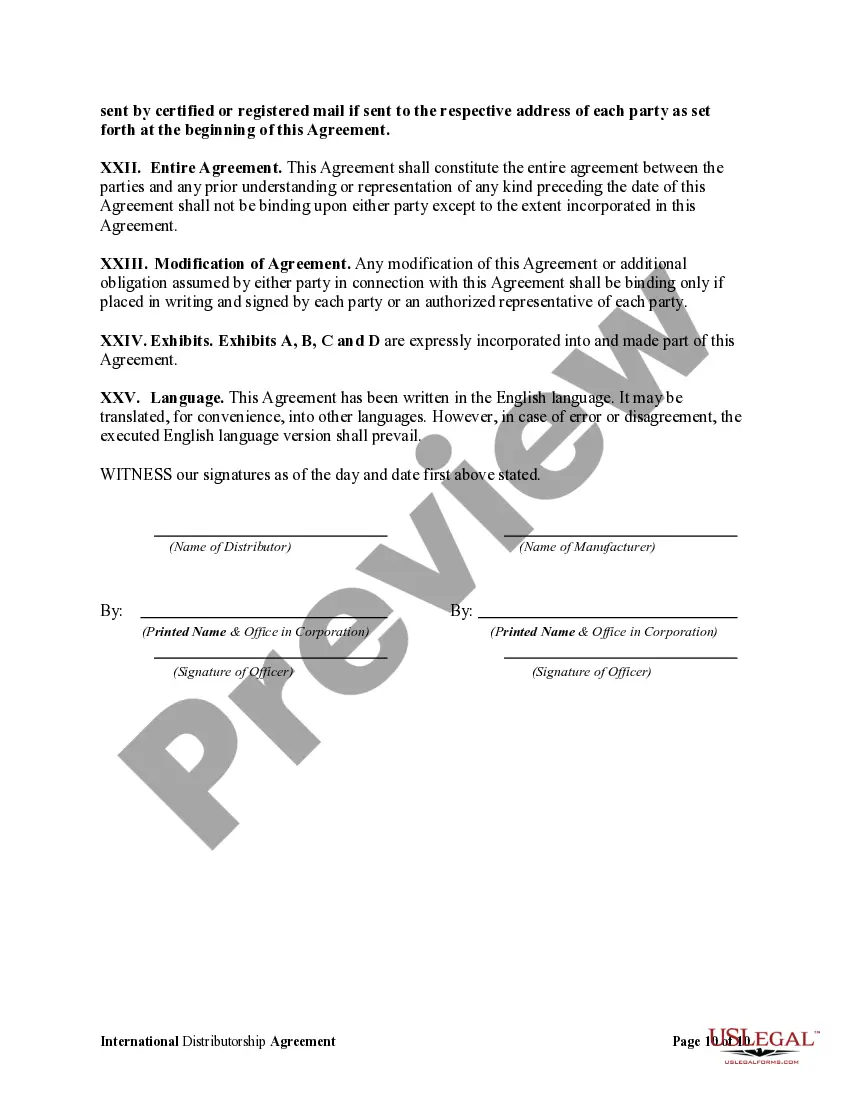
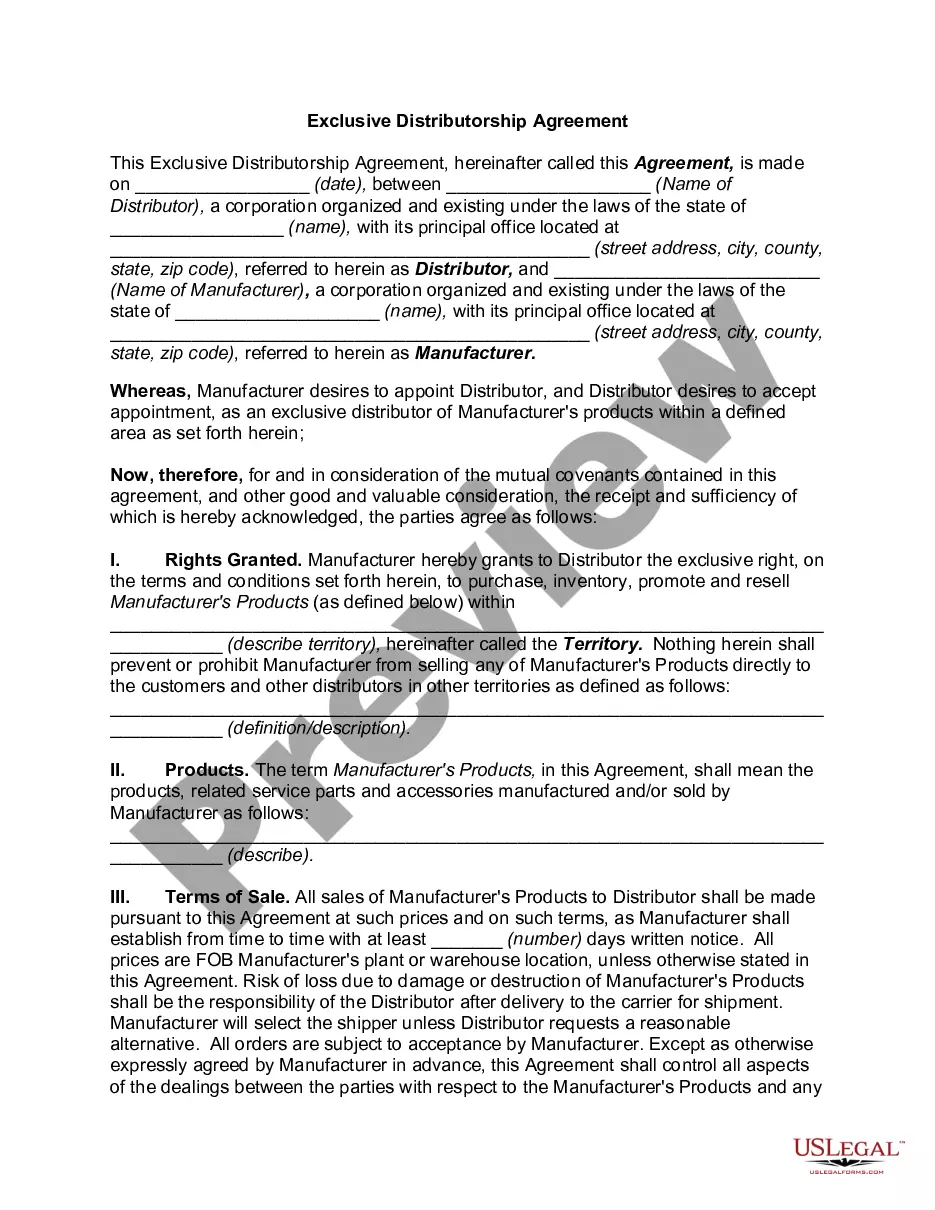
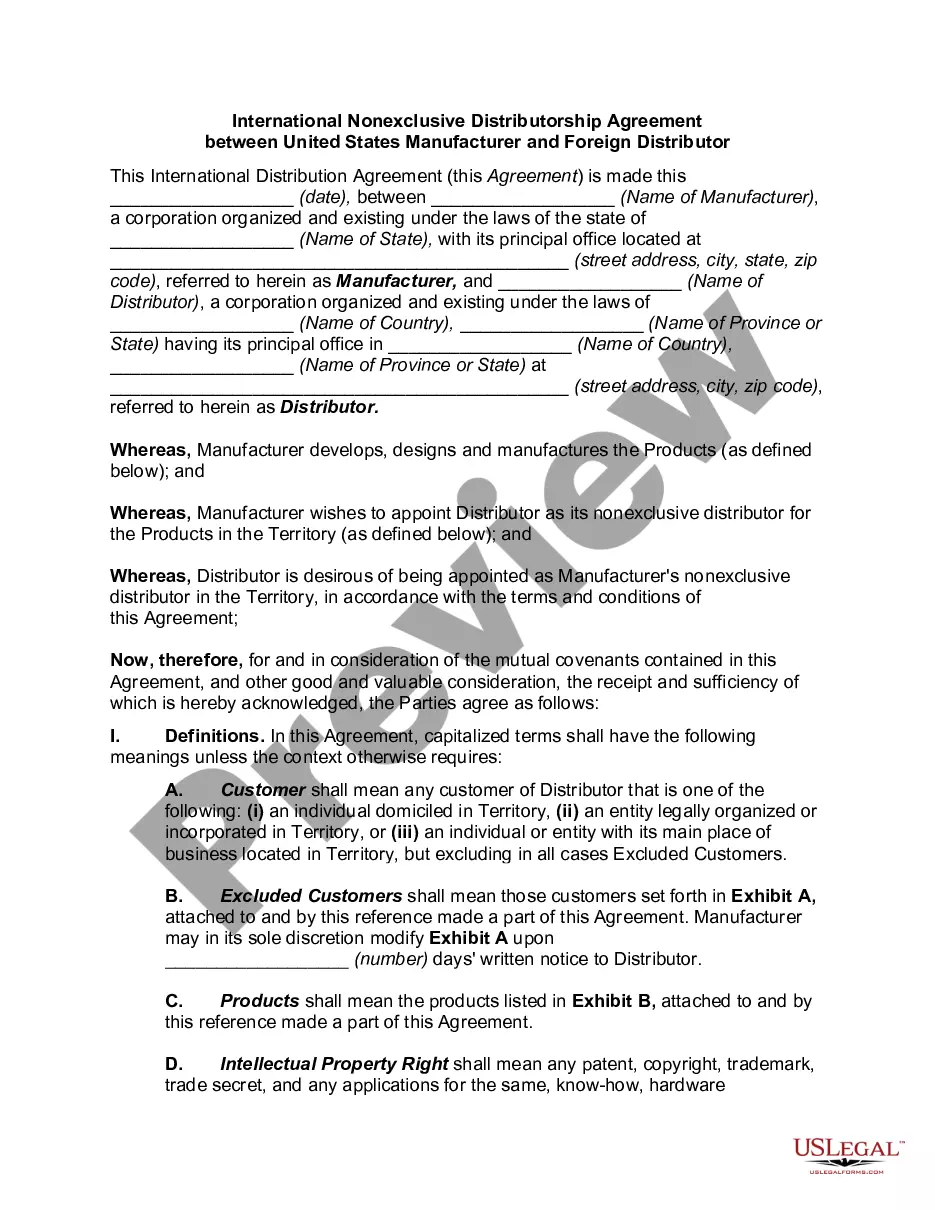
Get your form ready online
Our built-in tools help you complete, sign, share, and store your documents in one place.
Make edits, fill in missing information, and update formatting in US Legal Forms—just like you would in MS Word.
Download a copy, print it, send it by email, or mail it via USPS—whatever works best for your next step.
Sign and collect signatures with our SignNow integration. Send to multiple recipients, set reminders, and more. Go Premium to unlock E-Sign.
If this form requires notarization, complete it online through a secure video call—no need to meet a notary in person or wait for an appointment.
We protect your documents and personal data by following strict security and privacy standards.

Make edits, fill in missing information, and update formatting in US Legal Forms—just like you would in MS Word.

Download a copy, print it, send it by email, or mail it via USPS—whatever works best for your next step.

Sign and collect signatures with our SignNow integration. Send to multiple recipients, set reminders, and more. Go Premium to unlock E-Sign.

If this form requires notarization, complete it online through a secure video call—no need to meet a notary in person or wait for an appointment.

We protect your documents and personal data by following strict security and privacy standards.
Looking for another form?








Form popularity
FAQ
When buying a franchise, you can expect to come across the following documents: Secrecy undertaking or non-disclosure agreement (NDA) signed by the franchisee prior to receiving detailed information on the franchise. Disclosure document provided by the franchisor. Franchise agreement.
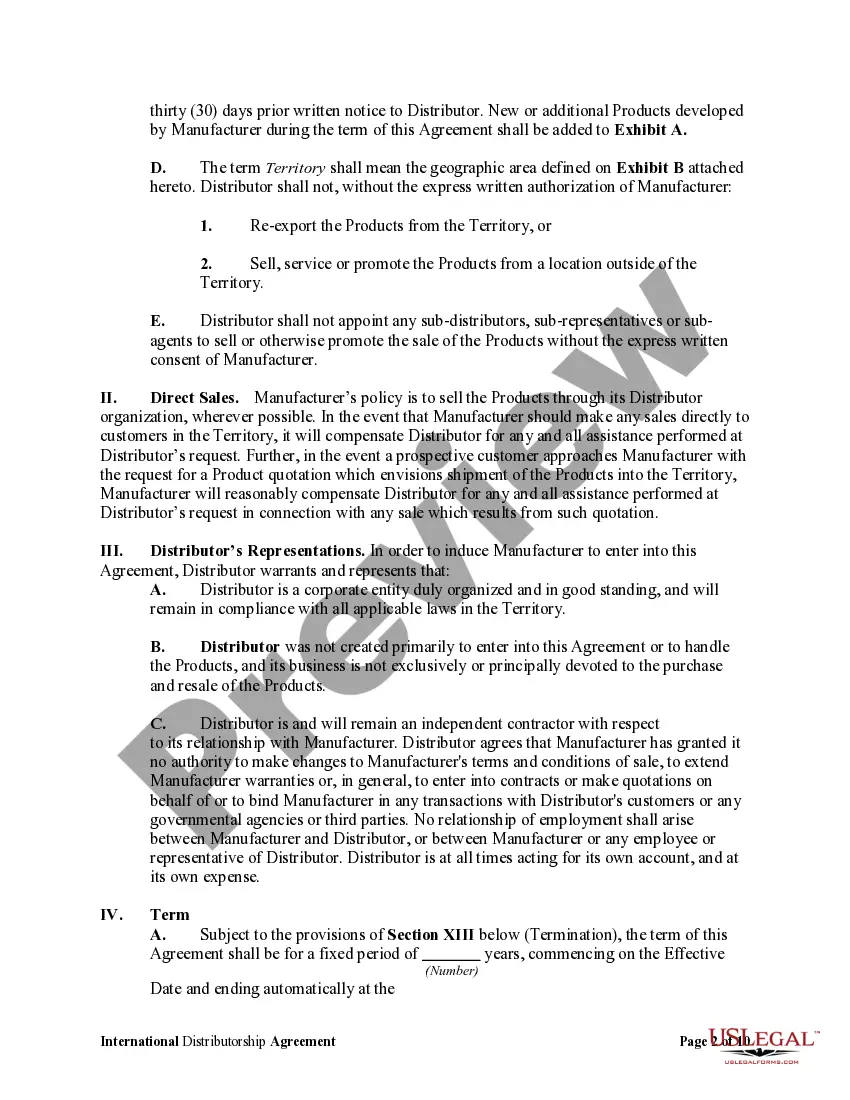
The franchise agreement is the binding contract between you and your franchisee. It explains all rights and obligations for both parties and protects the integrity of your franchise system and your trademarks. This is one of the first documents you will send to a prospective franchisee.
One of the main requirements for starting a franchise is a business plan, which you'll also need to present to a lender. Before writing your plan, go over all the data you've been offered from a prospective franchisor, in addition to your own personal research.
Whether you operate a restaurant in a popular fast-food chain or a retail convenience store with a wide variety of products, you need the limited personal liability protections that an LLC can provide. With a franchise, it's important to form an LLC before you ever sign your franchise agreement.
The primary franchising documents needed to create a franchise relationship and franchise your business include: Franchise disclosure document. Franchise agreement. Operations manual.
Percentage-based franchise royalty model. ing to International Franchise Professionals Group, “Typical franchise royalties range from 4% of your revenue to 12% or more based on the type of franchise business.”
The franchisee purchases the rights to the brand while adopting the franchise's business model including a standardized system for operations, services provided, local and national marketing strategies, and more. Examples of this type of franchise include: Fast-food restaurants. Coffee shops.
With a proper grasp of the three conditions of a franchise agreement – terms, rights and obligations, and termination – parties can confidently enter into a full franchising agreement or partnership, knowing their individual and collective interests are protected by a legally binding contract.