Personal Property For Rent In Philadelphia
Description

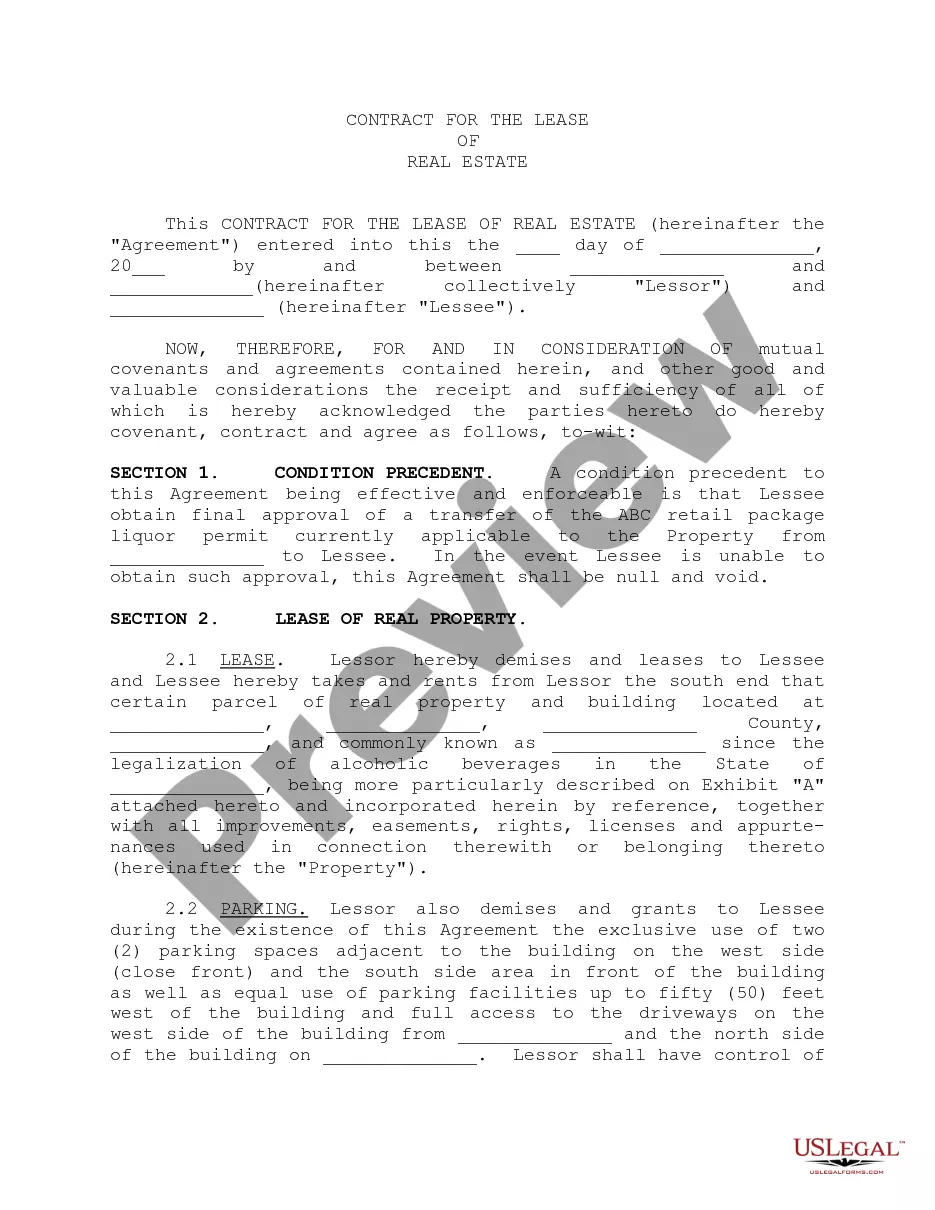
Get your form ready online
Our built-in tools help you complete, sign, share, and store your documents in one place.
Make edits, fill in missing information, and update formatting in US Legal Forms—just like you would in MS Word.
Download a copy, print it, send it by email, or mail it via USPS—whatever works best for your next step.
Sign and collect signatures with our SignNow integration. Send to multiple recipients, set reminders, and more. Go Premium to unlock E-Sign.
If this form requires notarization, complete it online through a secure video call—no need to meet a notary in person or wait for an appointment.
We protect your documents and personal data by following strict security and privacy standards.

Make edits, fill in missing information, and update formatting in US Legal Forms—just like you would in MS Word.

Download a copy, print it, send it by email, or mail it via USPS—whatever works best for your next step.

Sign and collect signatures with our SignNow integration. Send to multiple recipients, set reminders, and more. Go Premium to unlock E-Sign.

If this form requires notarization, complete it online through a secure video call—no need to meet a notary in person or wait for an appointment.

We protect your documents and personal data by following strict security and privacy standards.
Looking for another form?

Form popularity
FAQ
It is generally recommended to aim for an ROI of 10-15%. However, the ROI that is considered “good” or “bad” is dependent on an individual's financial standing and the particular property they choose to invest in.
Have a property management plan. Invest in additional insurance. Set a rental rate. Advertise your house for rent. Screen potential tenants. Create and sign a lease agreement. Store security deposits in a safe place. Re-key the locks.
The 50% rule or 50 rule in real estate says that half of the gross income generated by a rental property should be allocated to operating expenses when determining profitability. The rule is designed to help investors avoid the mistake of underestimating expenses and overestimating profits.
Legal Consequences: Renting out a property without proper authorization can lead to legal repercussions, including eviction, breach of contract, fines, or legal actions by the property owner.
Moving in: When you move into your apartment or house, your landlord should have a rental license. If your landlord does not have a rental license, it is illegal for them to collect rent from you.
In the case where an operating business (tenant) and a rental real estate entity (landlord) are owned by the same taxpayer, the rental income is categorized as “Self-Rental.” Self-Rental Income: Net rental income from self-rental property is treated as non-passive income.
Personal Property Rental Expense means the expense for the rental or lease of furniture, fixtures and equipment, including without limitation leases of rail cars.
The IRS has a number of ways to determine whether or not you have rental income. A few of these include reporting by third parties, reported income and expense discrepancies, audits and reviews, and public records.
A personal property tax is imposed by state or local governments on certain assets that can be touched and moved such as cars, livestock, or equipment. Personal property includes assets other than land or permanent structures such as buildings. These are considered to be real property.
Becoming a landlord requires not only financial resources but also managerial talent, attention to detail and, often, a healthy portion of sweat equity. There may be months when emergency repairs will eat up the potential profits making this role much more than just collecting rent.