Personal Property For Rent In Maryland
Description

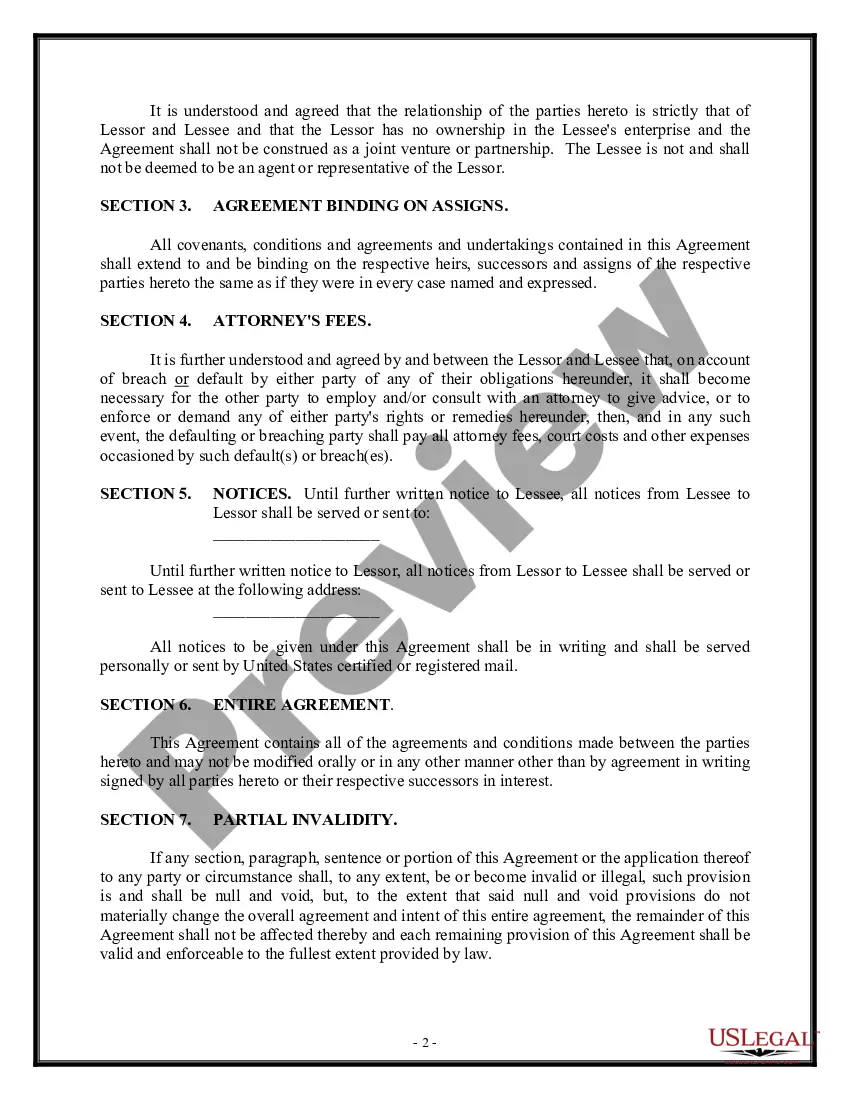
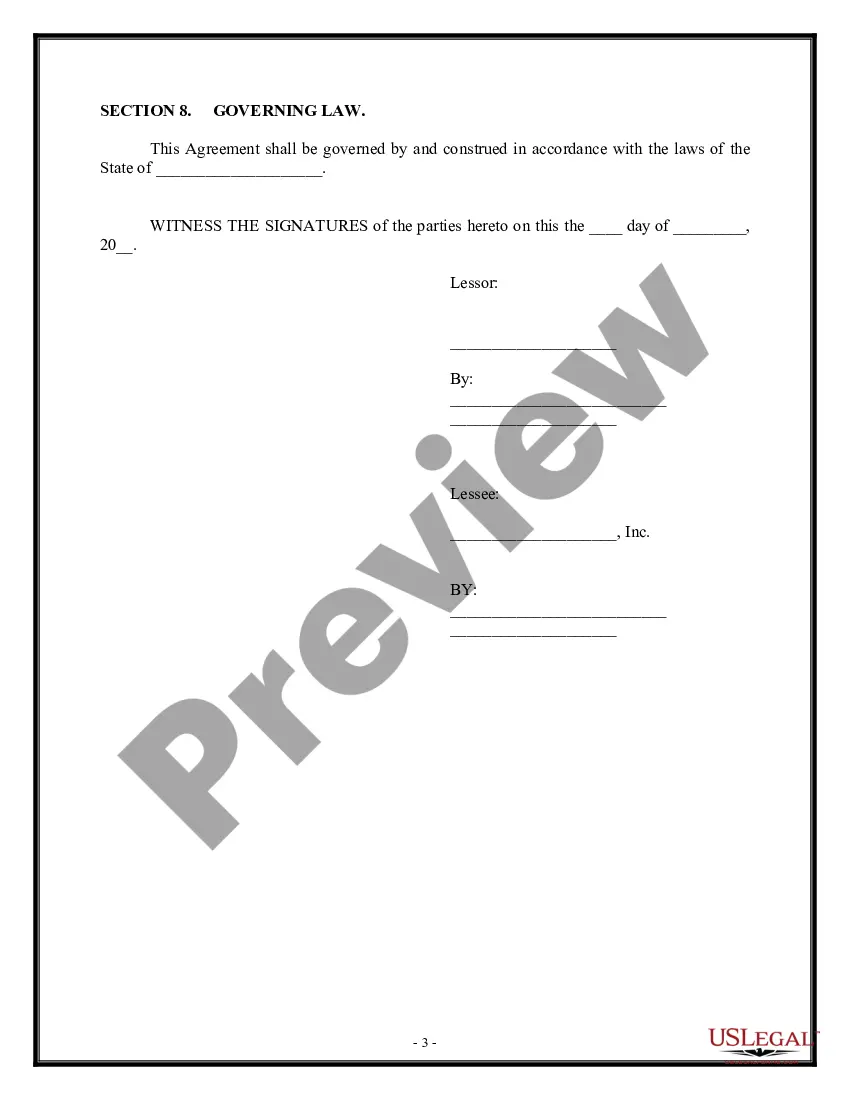
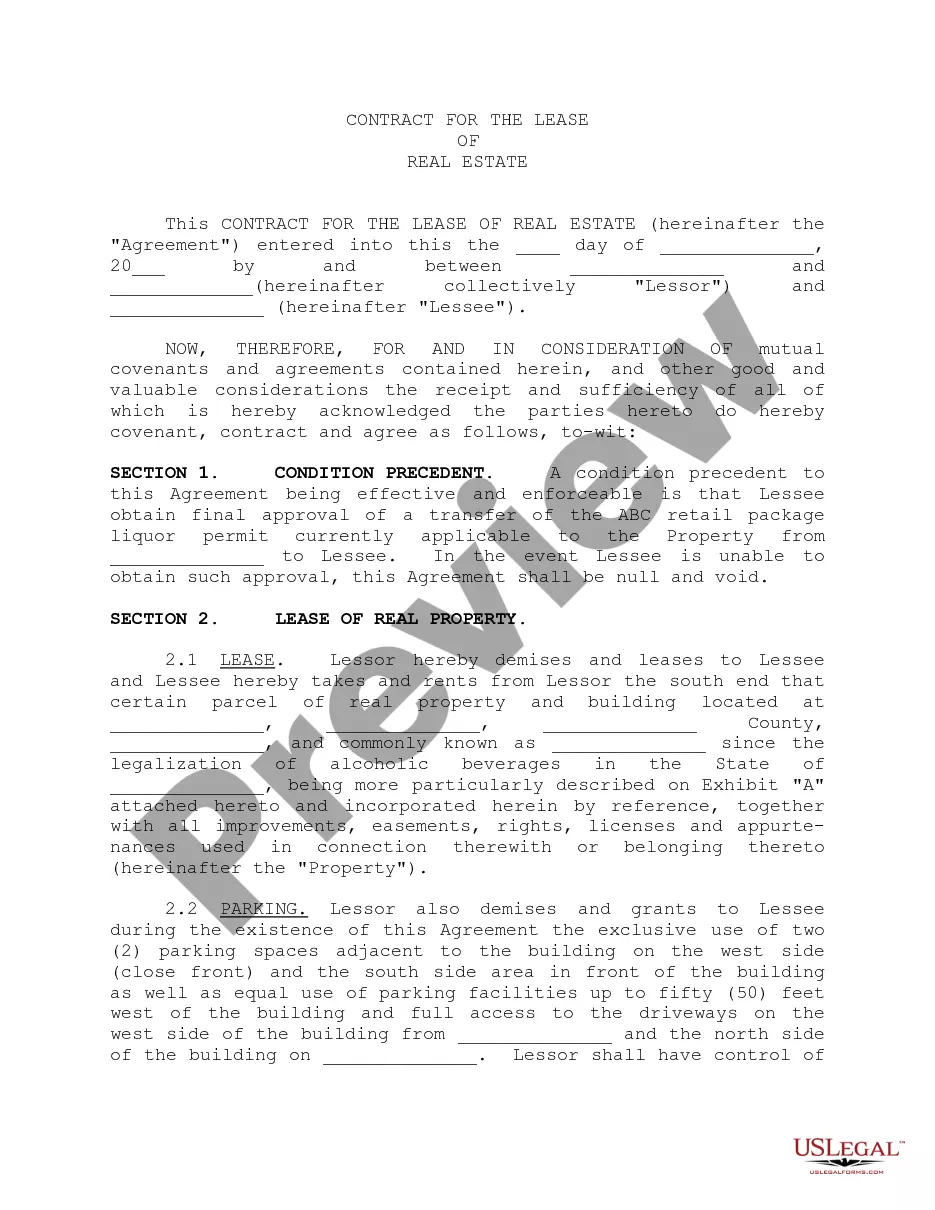
Get your form ready online
Our built-in tools help you complete, sign, share, and store your documents in one place.
Make edits, fill in missing information, and update formatting in US Legal Forms—just like you would in MS Word.
Download a copy, print it, send it by email, or mail it via USPS—whatever works best for your next step.
Sign and collect signatures with our SignNow integration. Send to multiple recipients, set reminders, and more. Go Premium to unlock E-Sign.
If this form requires notarization, complete it online through a secure video call—no need to meet a notary in person or wait for an appointment.
We protect your documents and personal data by following strict security and privacy standards.

Make edits, fill in missing information, and update formatting in US Legal Forms—just like you would in MS Word.

Download a copy, print it, send it by email, or mail it via USPS—whatever works best for your next step.

Sign and collect signatures with our SignNow integration. Send to multiple recipients, set reminders, and more. Go Premium to unlock E-Sign.

If this form requires notarization, complete it online through a secure video call—no need to meet a notary in person or wait for an appointment.

We protect your documents and personal data by following strict security and privacy standards.
Looking for another form?









Form popularity
FAQ
State Property Tax Exemption- Disabled Veterans and Surviving Spouses. Armed Services veterans with a permanent and total service connected disability rated 100% by the Veterans Administration may receive an exemption from real property taxes on the dwelling house and surrounding yard.
EXEMPTION AMOUNT CHART The personal exemption is $3,200. This exemption is reduced once the taxpayer's federal adjusted gross income exceeds $100,000 ($150,000 if filing Joint, Head of Household, or Qualifying Widow(er) with Dependent Child).
The amount of the tax bill is determined by two factors: (1) the assessment and (2) the property tax rate for each jurisdiction (state, county, & municipal). Assessments are based on the fair market value of the property and are issued by the Department of Assessments and Taxation, an agency of state government.
Responsibility for the assessment of all personal property throughout Maryland rests with the Department of Assessments and Taxation. Personal property generally includes furniture, fixtures, office and industrial equipment, machinery, tools, supplies, inventory and any other property not classified as real property.
This includes furniture, appliances, and vehicles. For landlords, it's essential to understand personal property so you can adequately protect your real estate investment. Most people think of property as the physical building they rent out to tenants, but there's more to it!
SDAT RAISES BUSINESS PERSONAL PROPERTY EXEMPTION FROM $2,500 TO $20,000 BALTIMORE, MD – The Maryland State Department of Assessments and Taxation (SDAT) today announced that HB268, which raises the exemption from personal property assessment for all Maryland businesses from $2,500 to $20,000, has taken effect.
BUSINESS PERSONAL PROPERTY RETURN An Annual Report must be filed by all business entities formed, qualified or registered to do business in the State of Maryland, as of January 1st .
Filing the Personal Property Return (Form 1) The purpose of the Personal Property Return (Form 1) is to account for any and all personal property (i.e. computers, furniture, machinery and equipment, etc.) that a business may use in a given year in order to conduct business.
A Maryland personal property return (Form2) must be filed by all sole proprietorships and general partnerships if they possess (own, lease, rent, use or borrow) business personal property or need a business license. A business which fails to file this return will likely receive an estimated assessment.