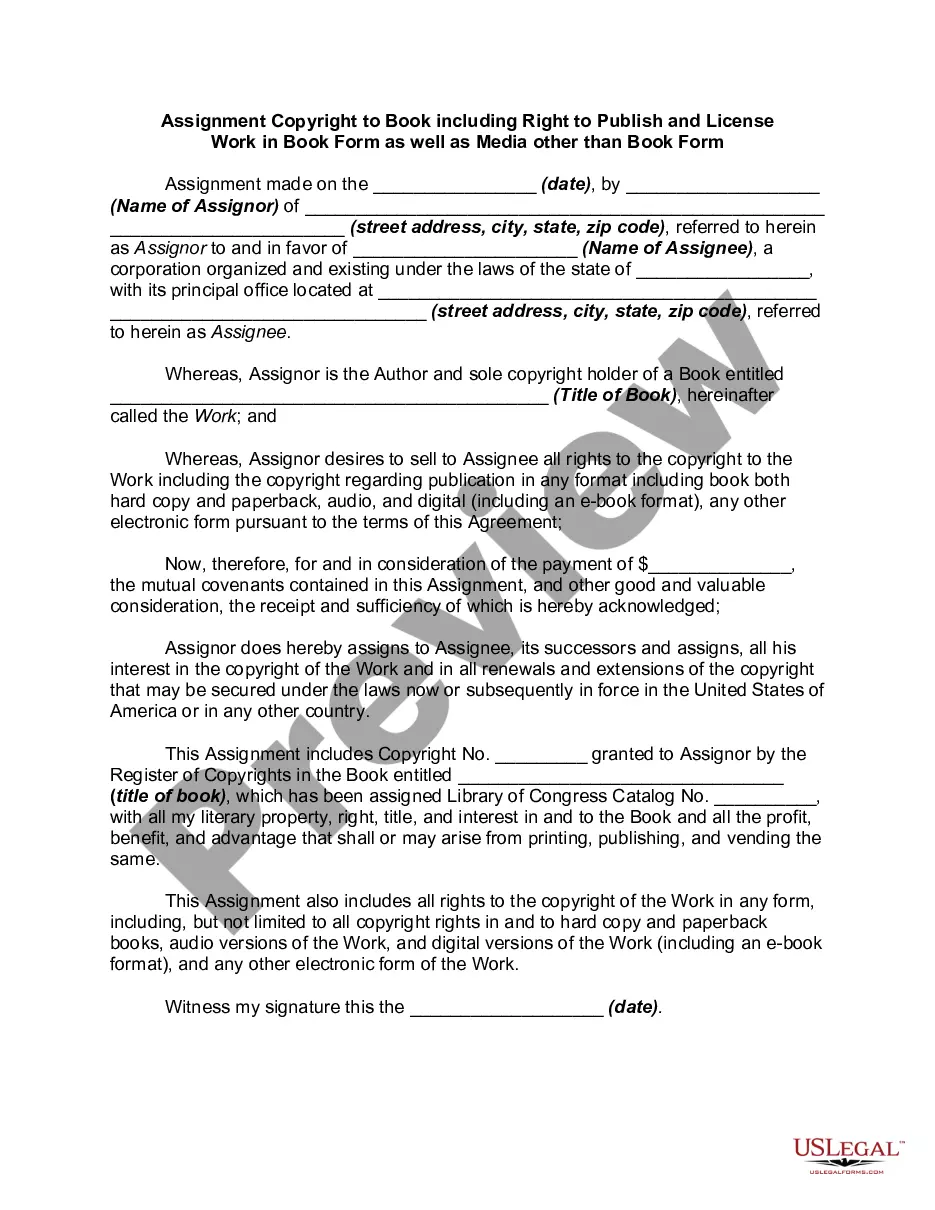
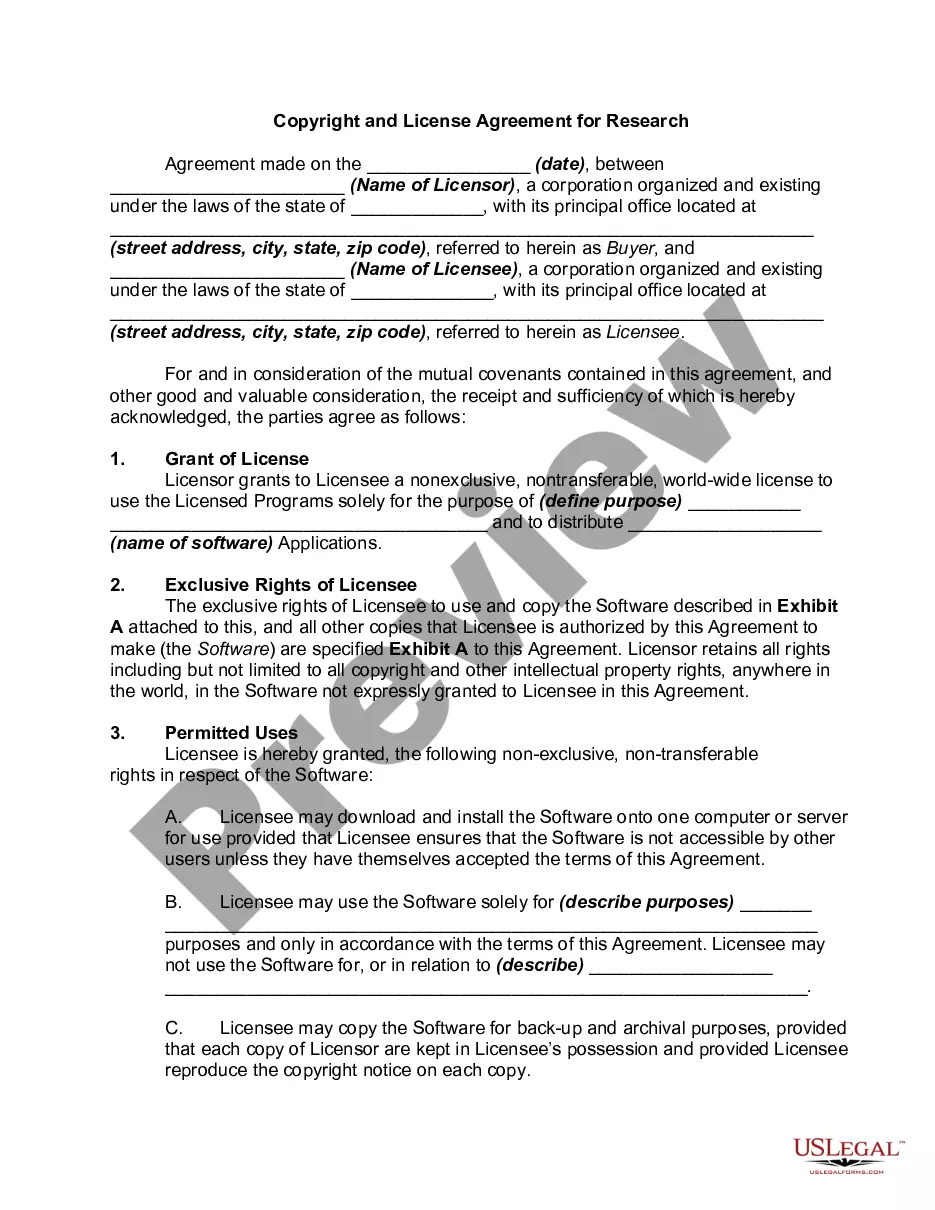
Personal Property Statement Without Holdback In Kings
Description

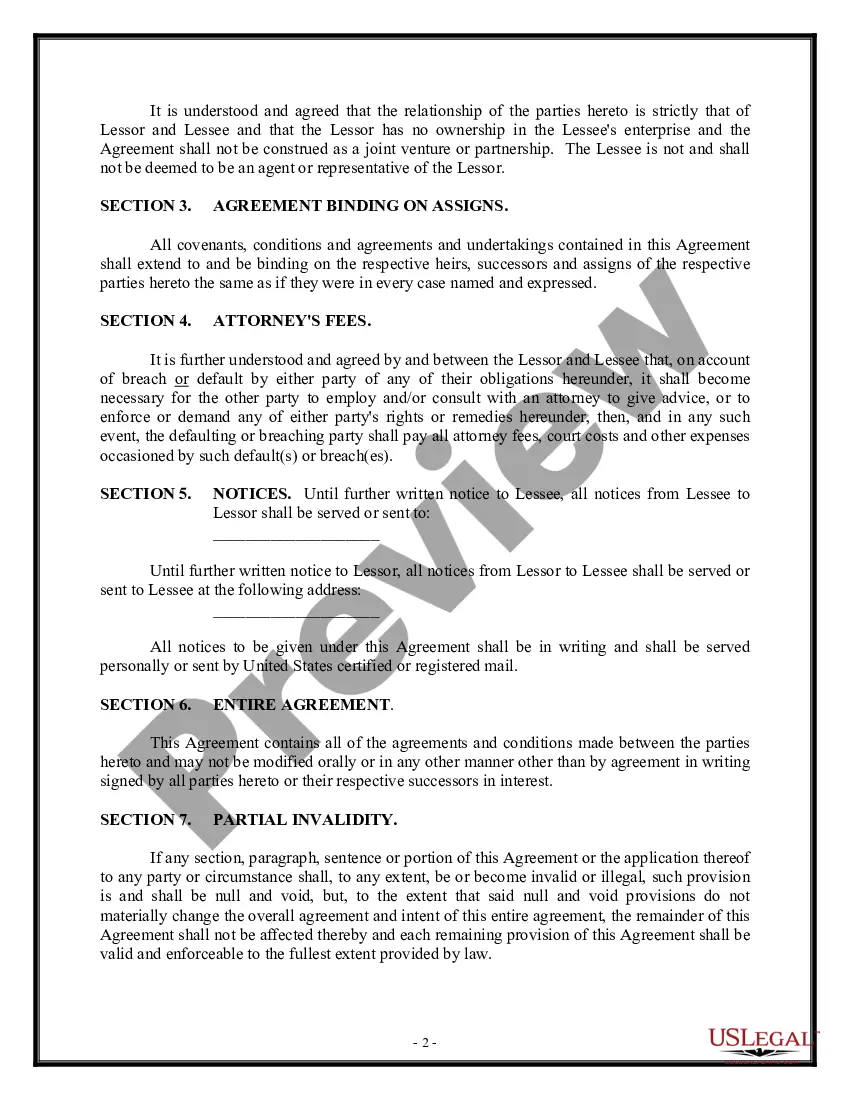
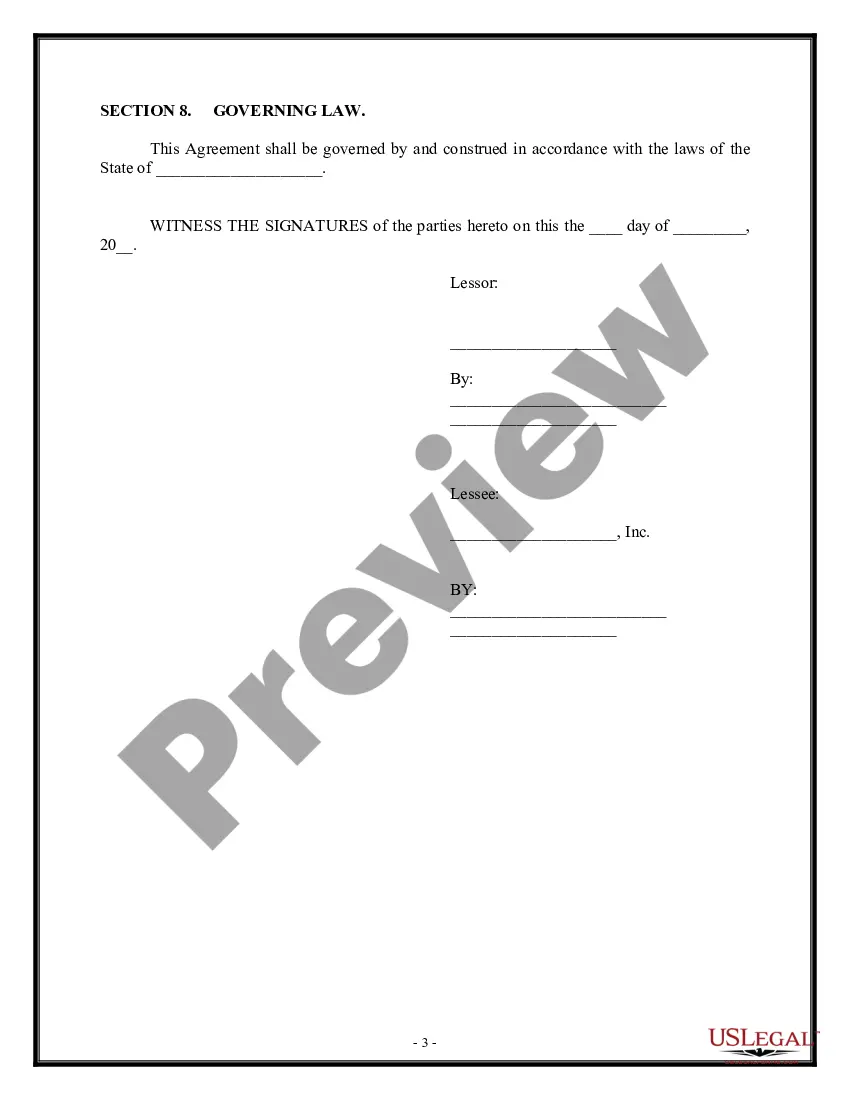
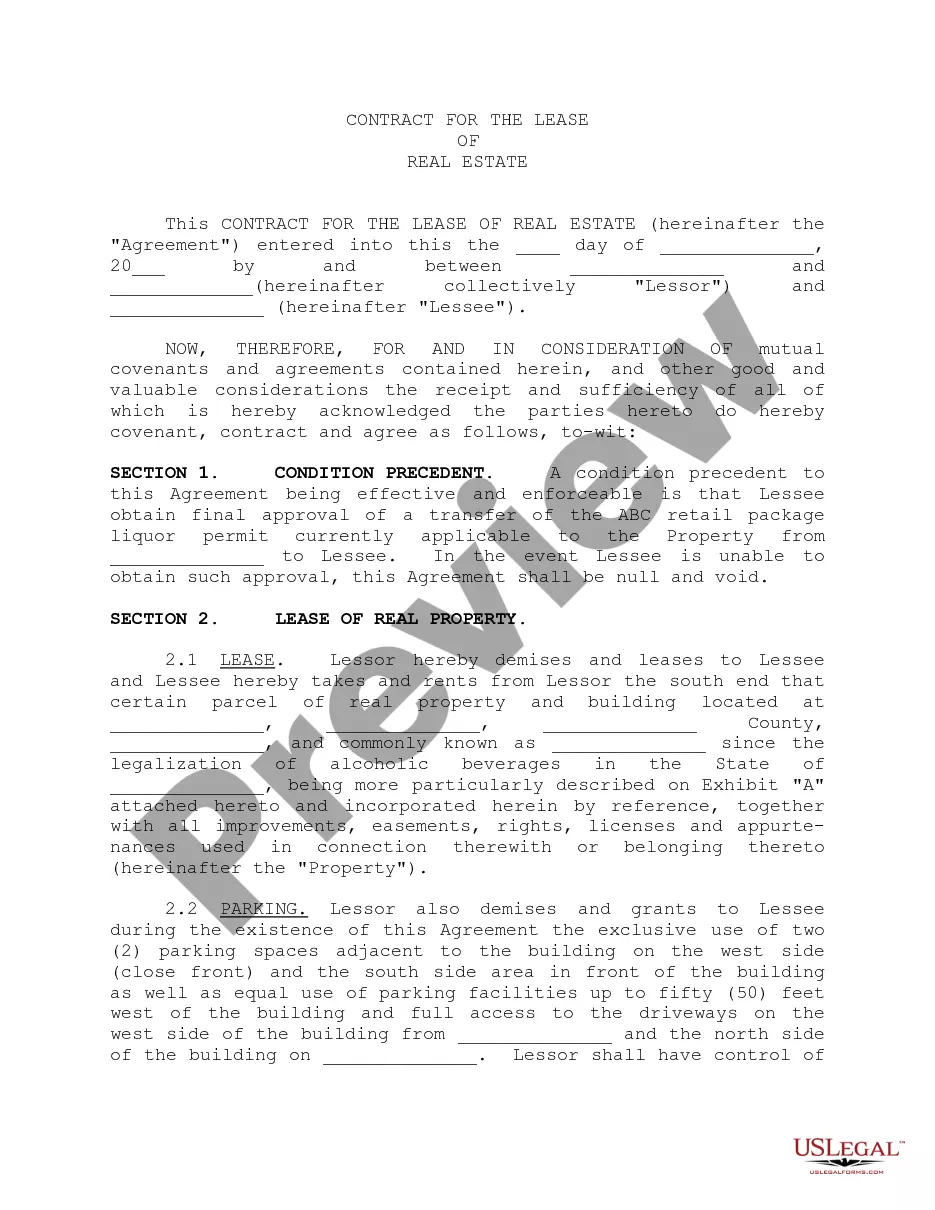
Get your form ready online
Our built-in tools help you complete, sign, share, and store your documents in one place.
Make edits, fill in missing information, and update formatting in US Legal Forms—just like you would in MS Word.
Download a copy, print it, send it by email, or mail it via USPS—whatever works best for your next step.
Sign and collect signatures with our SignNow integration. Send to multiple recipients, set reminders, and more. Go Premium to unlock E-Sign.
If this form requires notarization, complete it online through a secure video call—no need to meet a notary in person or wait for an appointment.
We protect your documents and personal data by following strict security and privacy standards.

Make edits, fill in missing information, and update formatting in US Legal Forms—just like you would in MS Word.

Download a copy, print it, send it by email, or mail it via USPS—whatever works best for your next step.

Sign and collect signatures with our SignNow integration. Send to multiple recipients, set reminders, and more. Go Premium to unlock E-Sign.

If this form requires notarization, complete it online through a secure video call—no need to meet a notary in person or wait for an appointment.

We protect your documents and personal data by following strict security and privacy standards.
Looking for another form?
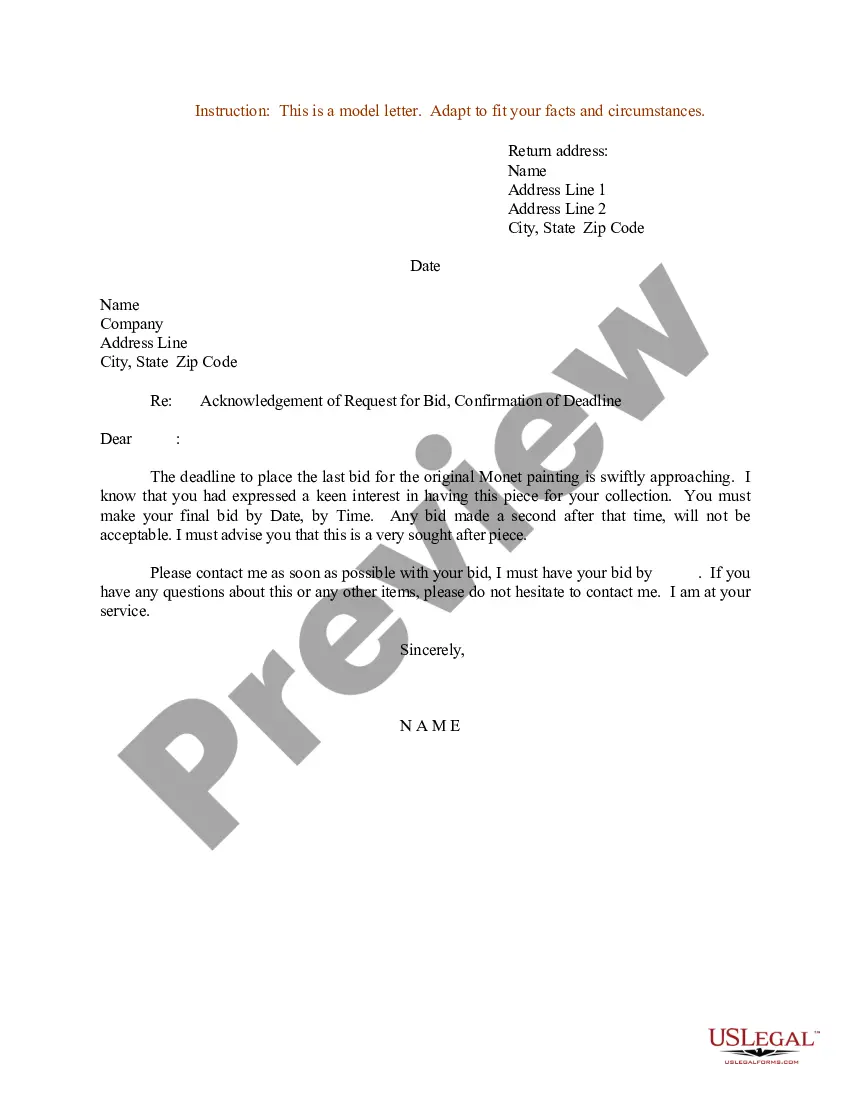
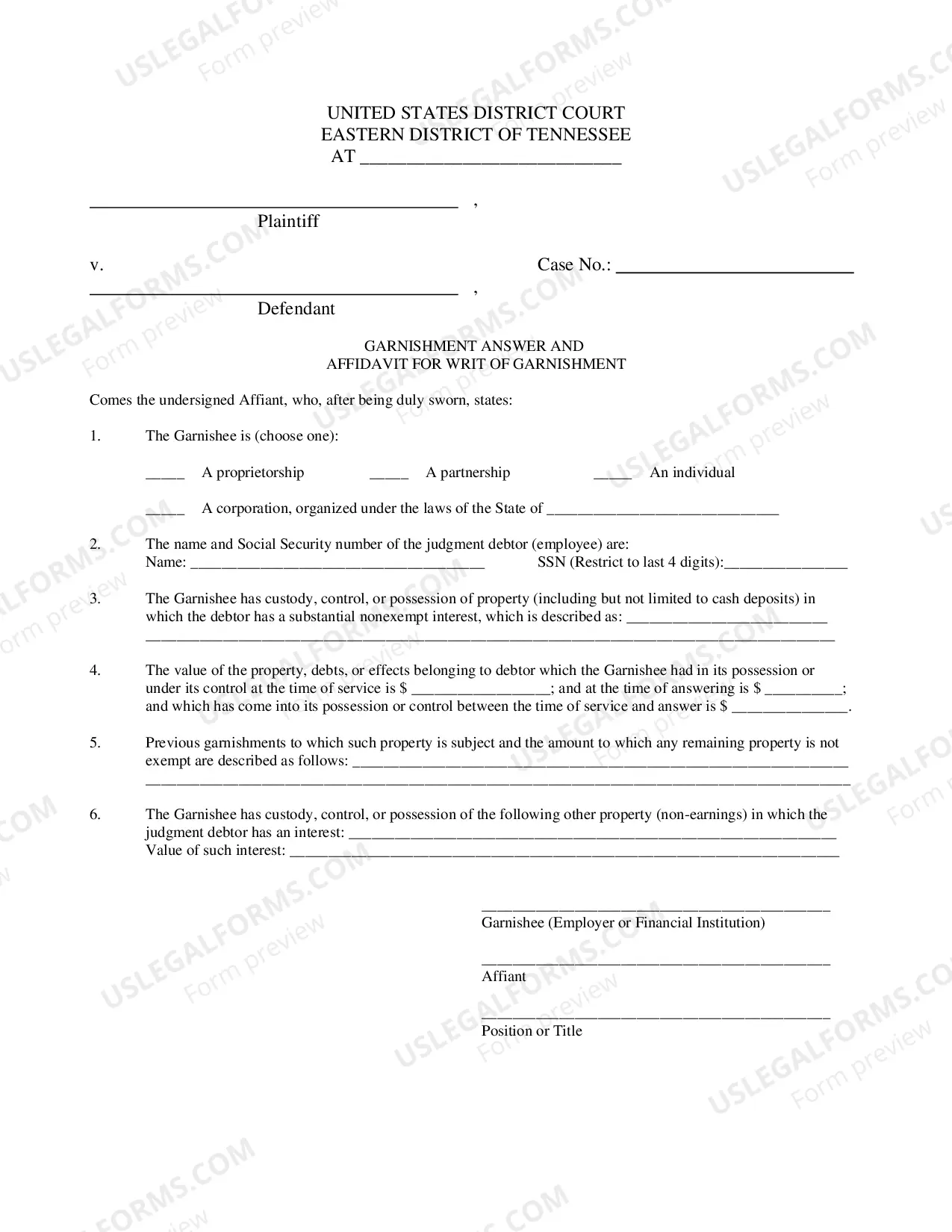

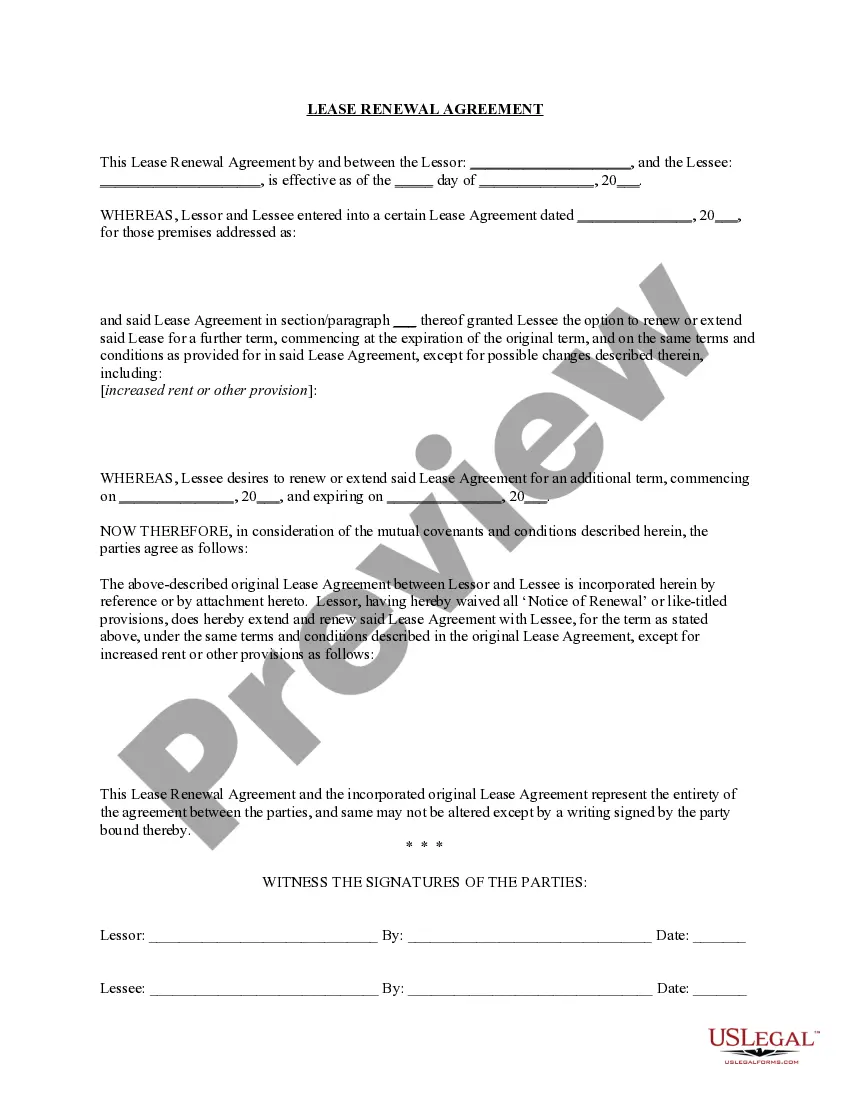





Form popularity
FAQ
Personal use property is used for personal enjoyment as opposed to business or investment purposes. These may include personally-owned cars, homes, appliances, apparel, food items, and so on.
Personal-use property is not purchased with the primary intent of making a profit, nor do you use it for business or rental purposes.
For other personal property, include boats, trailers, jewelry, furniture, household goods, collectibles, clothing, etc. For other assets, include equity interest in other businesses, trusts, investments, etc.
Personal property refers to movable items that people own, such as furniture, appliances, or electronics. Personal property can be intangible, like digital assets, or tangible, such as clothes or artwork.
Your Personal Financial Statement should include assets or debts that are yours alone (I-Individual), assets or debts that are jointly (J-Joint) held by you and a spouse or significant other, assets or debts that are held by a spouse or significant other (S-Spouse or Significant Other) that you enjoy the benefits of or ...
If you have any questions or want to share your thoughts leave a comment we're here to help thanksMoreIf you have any questions or want to share your thoughts leave a comment we're here to help thanks for watching our video. Be sure to like subscribe. And leave a comment below.
Local government boards must pass a local law or resolution by at least a 60 percent vote to override the Tax Cap. Voters in school districts can override the cap with a 60% vote. The Office of the New York State Comptroller has several responsibilities, including: collecting the data to compute the tax cap; and.
Personal property is a class of property that can include any asset other than real estate. The distinguishing factor between personal property and real estate, or real property, is that personal property is movable, meaning it isn't fixed permanently to one particular location.
Use Form RP-524, Complaint on Real Property Assessment to grieve your assessment. The form can be completed by yourself or your representative or attorney. File the grievance form with the assessor or the board of assessment review (BAR) in your city or town.
Some properties, such as those owned by religious organizations or governments are completely exempt from paying property taxes. Others are partially exempt, such as veterans who qualify for an exemption on part of their homes, and homeowners who are eligible for the School Tax Relief (STAR) program.