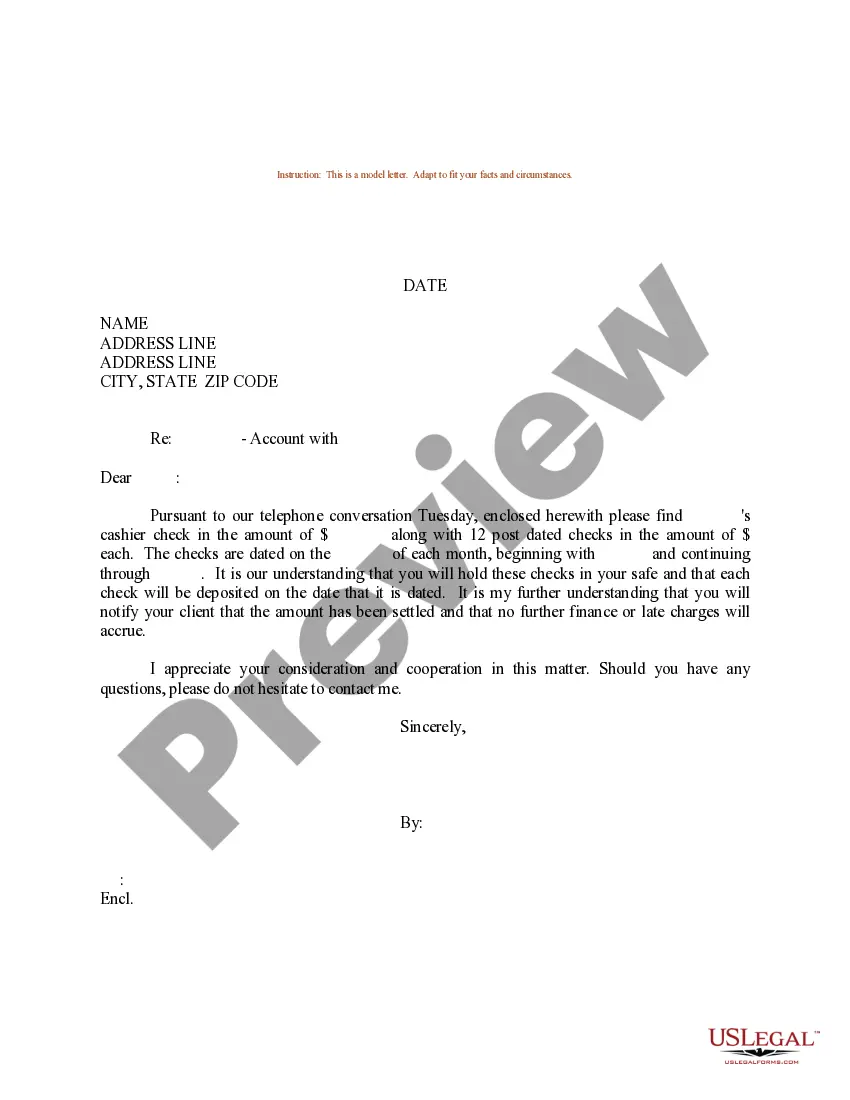
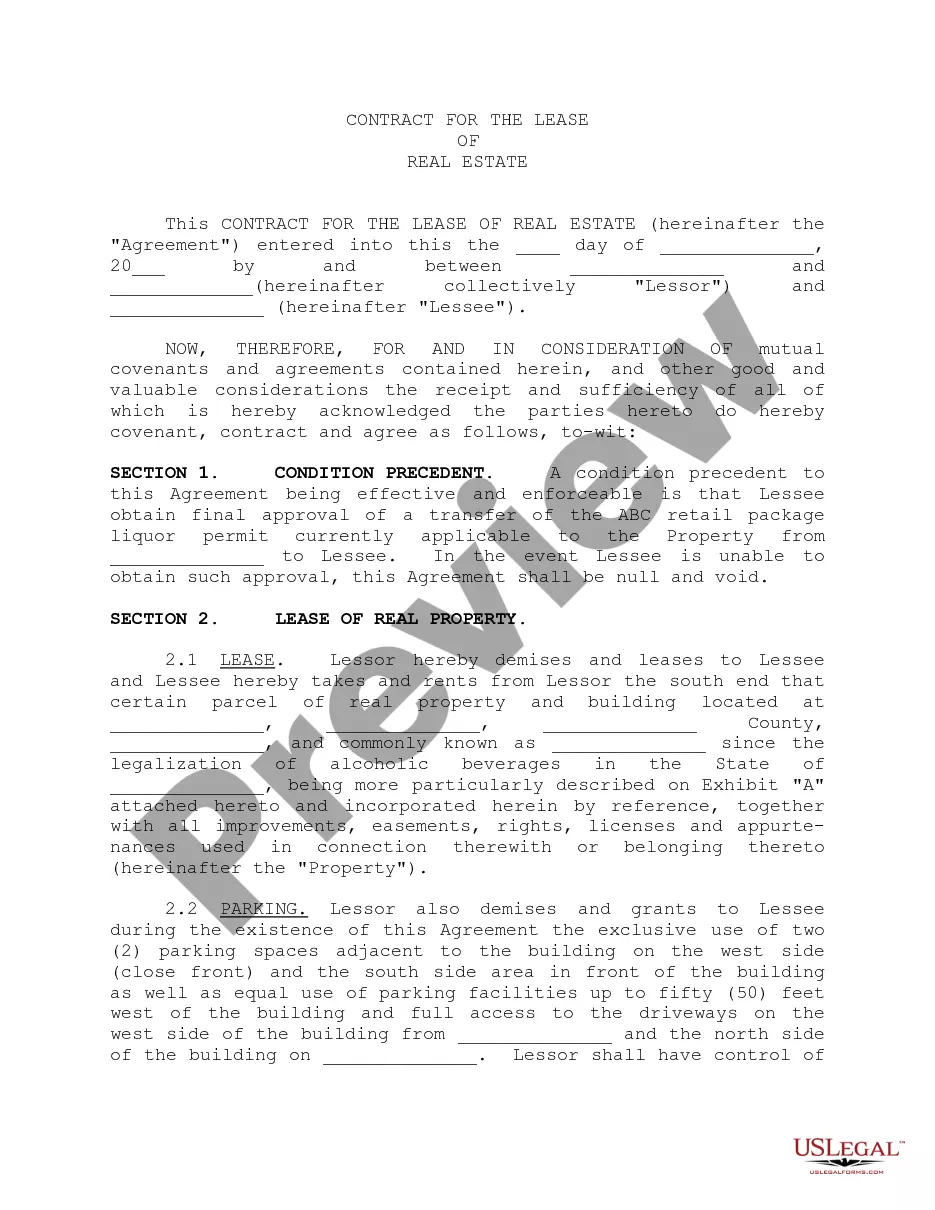
Personal Property Form Insurance In Kings
Description

Get your form ready online
Our built-in tools help you complete, sign, share, and store your documents in one place.
Make edits, fill in missing information, and update formatting in US Legal Forms—just like you would in MS Word.
Download a copy, print it, send it by email, or mail it via USPS—whatever works best for your next step.
Sign and collect signatures with our SignNow integration. Send to multiple recipients, set reminders, and more. Go Premium to unlock E-Sign.
If this form requires notarization, complete it online through a secure video call—no need to meet a notary in person or wait for an appointment.
We protect your documents and personal data by following strict security and privacy standards.

Make edits, fill in missing information, and update formatting in US Legal Forms—just like you would in MS Word.

Download a copy, print it, send it by email, or mail it via USPS—whatever works best for your next step.

Sign and collect signatures with our SignNow integration. Send to multiple recipients, set reminders, and more. Go Premium to unlock E-Sign.

If this form requires notarization, complete it online through a secure video call—no need to meet a notary in person or wait for an appointment.

We protect your documents and personal data by following strict security and privacy standards.
Looking for another form?








Form popularity
FAQ
You can find the property tax bill for every condo and house in NYC on the Department of Finance's (DOF) website. Co-op property tax bills are issued to the entire building and then divvied up to each unit as part of its maintenance so while you can look up the building's bill, it's not very useful.
Property records are public. People may use these records for background information on purchases, mortgages, asset searches, and other legal and financial transactions. Reviewing these documents is not necessarily the same as a title search.
The Automated City Register Information System (ACRIS) allows you to search property records and view document images for Manhattan, Queens, Bronx, and Brooklyn from 1966 to the present.
Finding a survey of your property online can be achieved through various platforms. Local government websites, dedicated property record platforms, and licensed surveyors' websites often provide online access to these records. Additionally, online databases specific to your region may offer convenient access.
While there's no national archive of real estate records, many states require property surveys to be filed with the local government. You can search for property surveys by visiting the courthouse, property or assessor's office where your new land is located.
• CRFN (City Register File Number). This information is located on the recording and endorsement cover.
Call 311 or 212-NEW-YORK (212-639-9675) for help. You can request a certified or uncertified copy of property records online or in person.
Building and personal property coverage form is a type of commercial insurance policy designed to cover direct physical damage or loss to commercial property and its contents.
A declaration page is proof of homeowners insurance, which mortgage carriers typically request on an annual basis. The information on this page can be useful to understand basic coverages and limits in your policy in the event you are considering whether or not to file a claim.
A personal property tax is imposed by state or local governments on certain assets that can be touched and moved such as cars, livestock, or equipment. Personal property includes assets other than land or permanent structures such as buildings. These are considered to be real property.