Personal Belongings With Examples In Georgia
Description

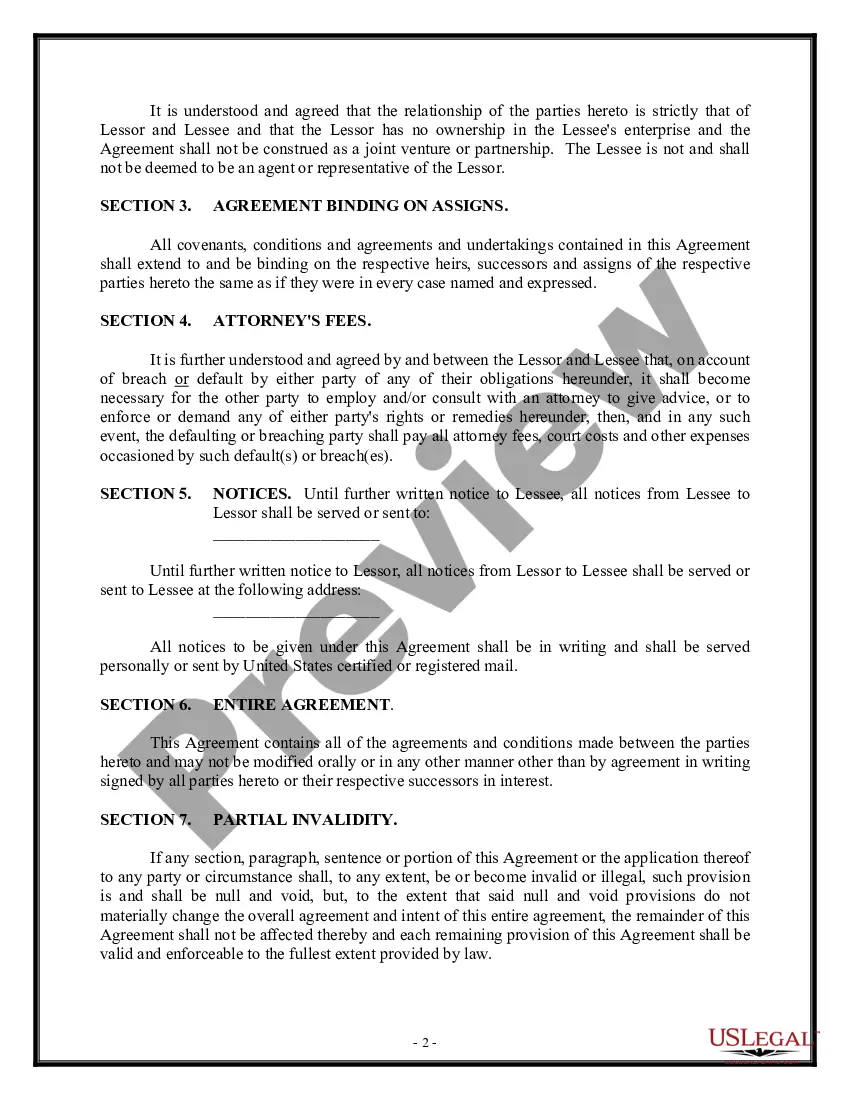
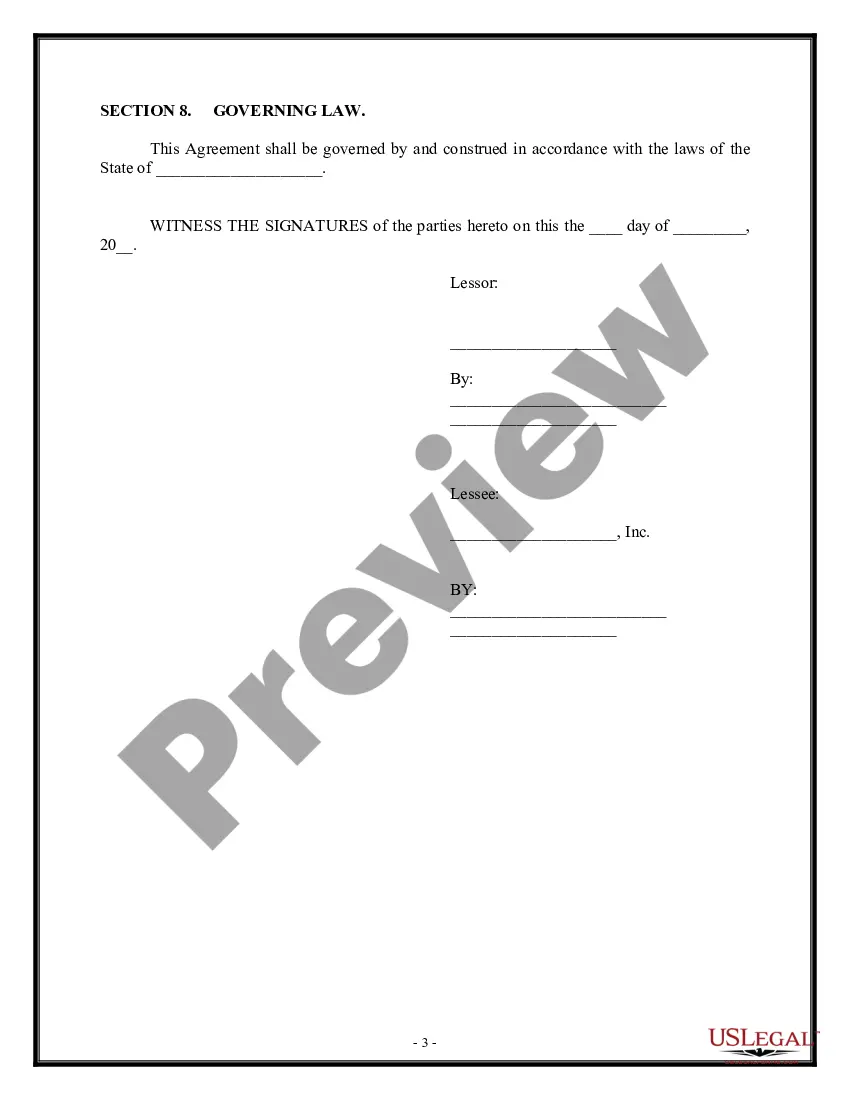
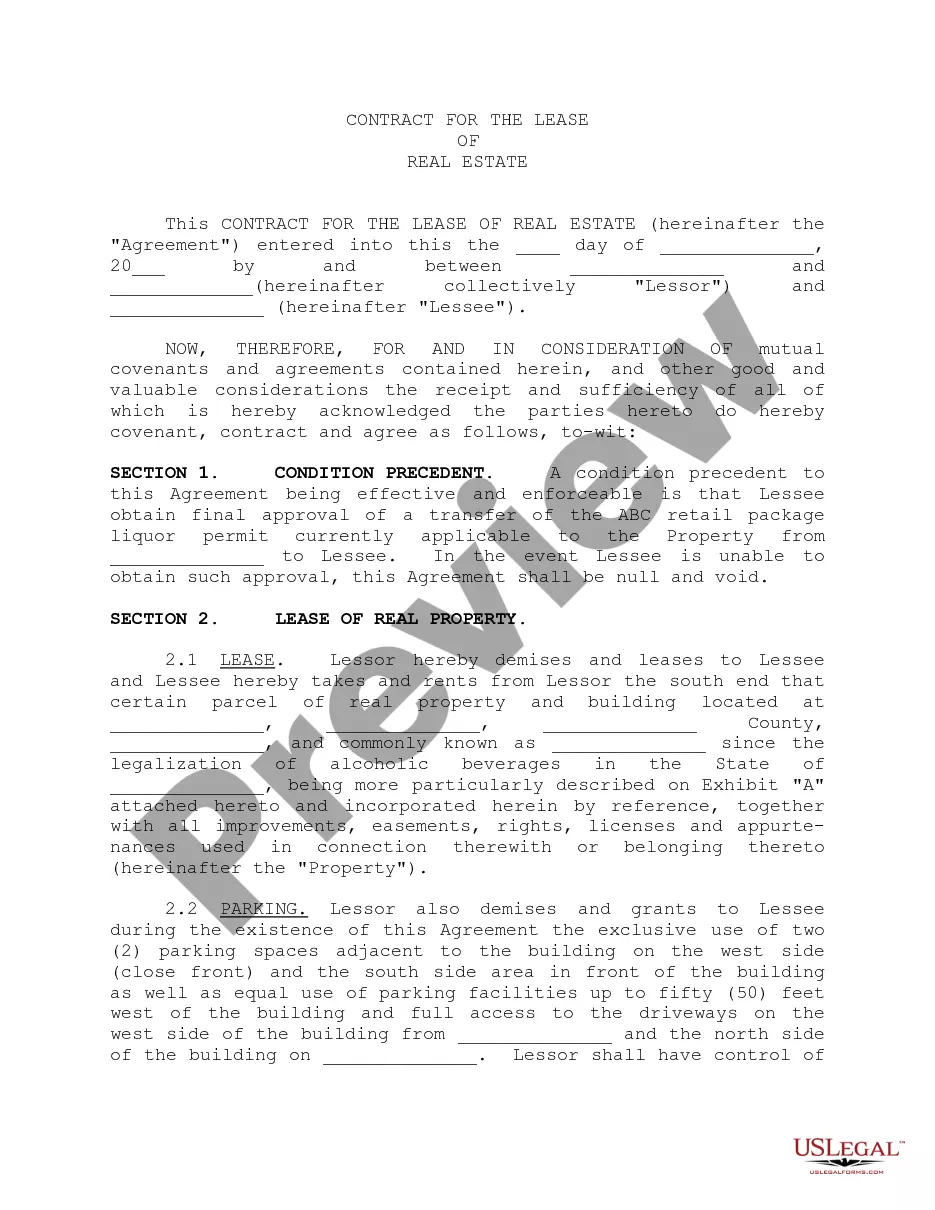
Get your form ready online
Our built-in tools help you complete, sign, share, and store your documents in one place.
Make edits, fill in missing information, and update formatting in US Legal Forms—just like you would in MS Word.
Download a copy, print it, send it by email, or mail it via USPS—whatever works best for your next step.
Sign and collect signatures with our SignNow integration. Send to multiple recipients, set reminders, and more. Go Premium to unlock E-Sign.
If this form requires notarization, complete it online through a secure video call—no need to meet a notary in person or wait for an appointment.
We protect your documents and personal data by following strict security and privacy standards.

Make edits, fill in missing information, and update formatting in US Legal Forms—just like you would in MS Word.

Download a copy, print it, send it by email, or mail it via USPS—whatever works best for your next step.

Sign and collect signatures with our SignNow integration. Send to multiple recipients, set reminders, and more. Go Premium to unlock E-Sign.

If this form requires notarization, complete it online through a secure video call—no need to meet a notary in person or wait for an appointment.

We protect your documents and personal data by following strict security and privacy standards.
Looking for another form?




Form popularity
FAQ
Personal Property Personal belongings such as clothing and jewelry. Household items such as furniture, some appliances, and artwork. Vehicles such as cars, trucks, and boats. Bank accounts and investments such as stocks, bonds, and insurance policies.
Personal belongings, such as jewelry, coin collections, furniture, photographs, family heirlooms, and other items of sentimental value are typically referred to as tangible personal property. Some people are happy to let their personal belongings be part of their residuary estate.
Clearly describe items so that they won't be confused with a similar item. Many states' laws require that objects be described "with reasonable certainty." The point is to make it possible for your personal representative (also called an "executor") to identify the objects and distribute them to the right recipients.
What Is Personal Property? Personal Property consists of: Any furniture, fixtures, machinery, equipment, inventory, etc.
Personal use property is used for personal enjoyment as opposed to business or investment purposes. These may include personally-owned cars, homes, appliances, apparel, food items, and so on.
Personal-use property is not purchased with the primary intent of making a profit, nor do you use it for business or rental purposes.
Personal property in the State of Georgia is generally defined as any movable property; that is, property that is not permanently affixed to and part of real estate.
Every member in a family owns things that belong to that individual only. They are known as personal belongings. Some examples of personal belongings include clothes, bags, books, stationary, etc.