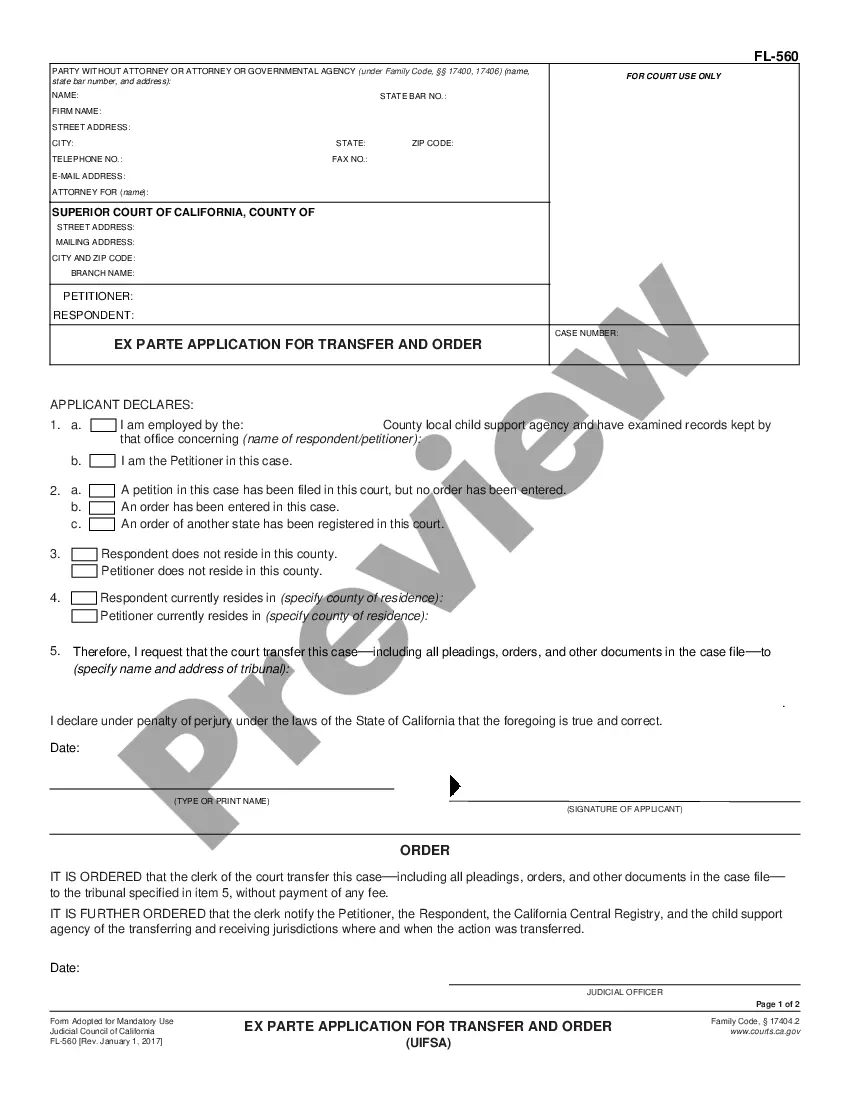
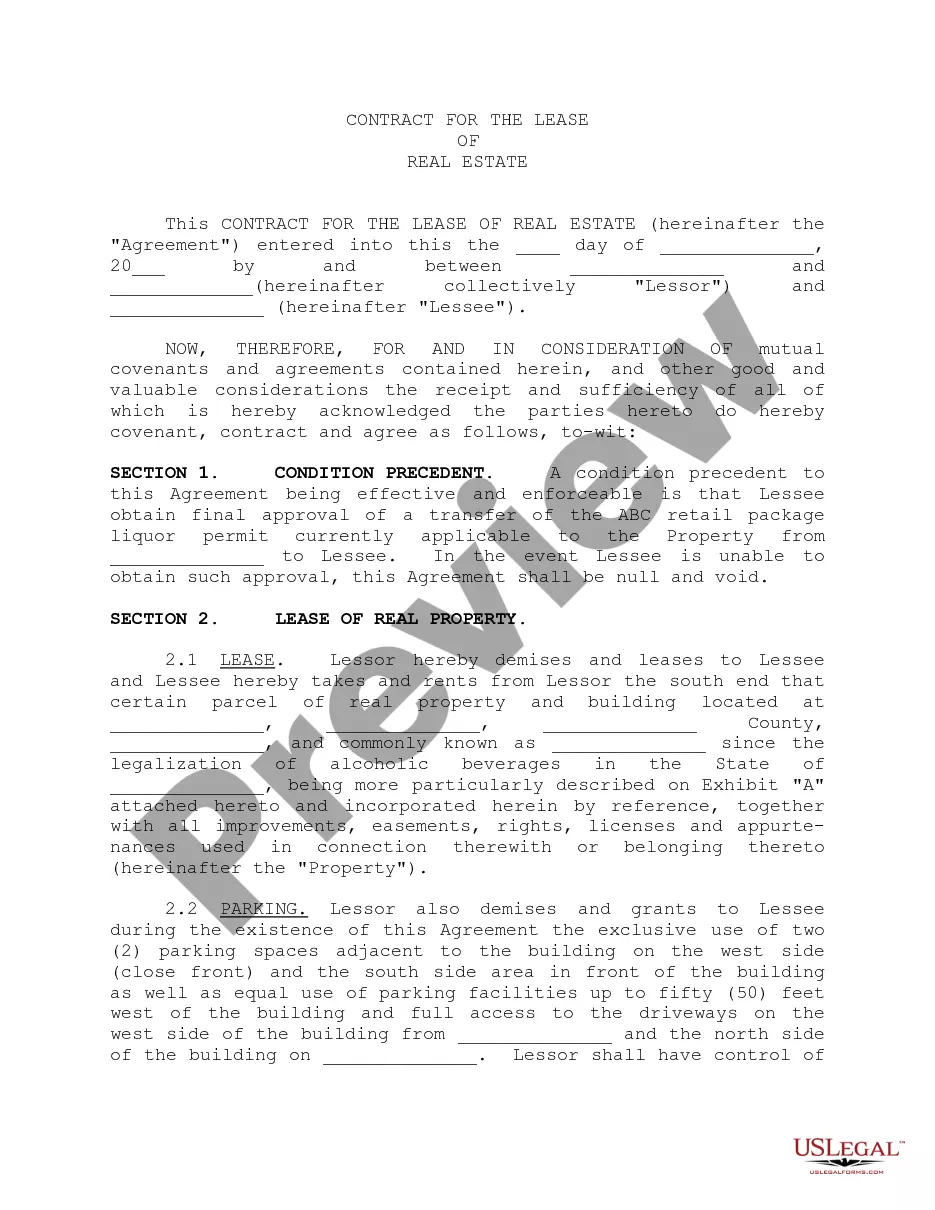
Personal Property On Purchase Agreement In Fulton
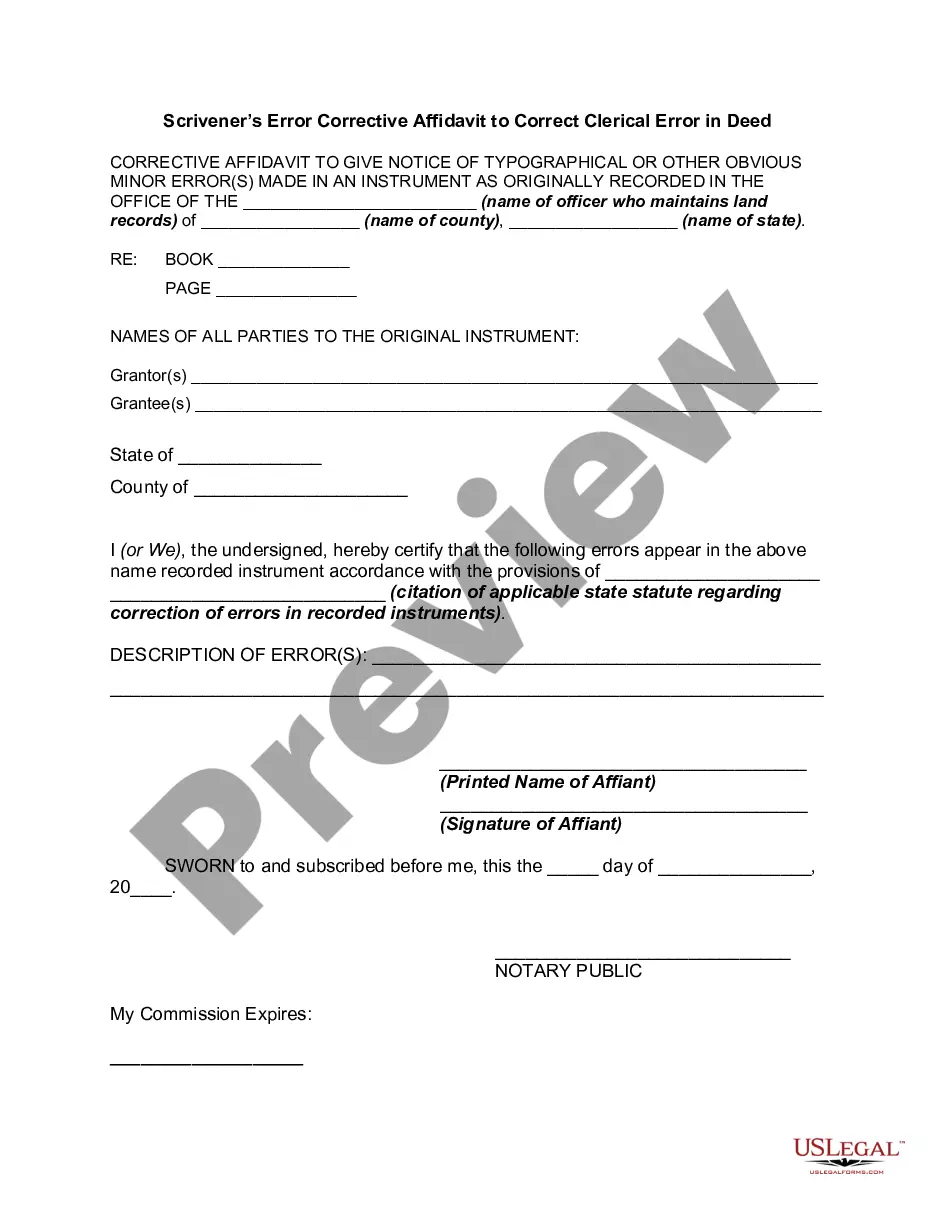
Description

Get your form ready online
Our built-in tools help you complete, sign, share, and store your documents in one place.
Make edits, fill in missing information, and update formatting in US Legal Forms—just like you would in MS Word.
Download a copy, print it, send it by email, or mail it via USPS—whatever works best for your next step.
Sign and collect signatures with our SignNow integration. Send to multiple recipients, set reminders, and more. Go Premium to unlock E-Sign.
If this form requires notarization, complete it online through a secure video call—no need to meet a notary in person or wait for an appointment.
We protect your documents and personal data by following strict security and privacy standards.

Make edits, fill in missing information, and update formatting in US Legal Forms—just like you would in MS Word.

Download a copy, print it, send it by email, or mail it via USPS—whatever works best for your next step.

Sign and collect signatures with our SignNow integration. Send to multiple recipients, set reminders, and more. Go Premium to unlock E-Sign.

If this form requires notarization, complete it online through a secure video call—no need to meet a notary in person or wait for an appointment.

We protect your documents and personal data by following strict security and privacy standards.
Looking for another form?




Form popularity
FAQ
The “Agreement” defined (where to define, scope) The date of the contract (where to mention – what is the date) The parties block (what to include, how define and refer to parties) The words of agreement (when to use Now therefore, etc.)
If you're using a real estate agent: Interview agents until you find the one you want to use. Find a property. Consult with the agent on what to offer and what terms to request. The agent submits the contract. If the other party/parties sign the contract, you've now put the property under contract.
There are three tests that courts use to determine whether a particular object has become a fixture and thus has become real property: annexation, adaptation, and intention. Disputes over fixtures often arise in the transfer of real property and in landlord-tenant relations.
Final answer: The value of an annexed item is not typically considered when determining if an item is a fixture or personal property.
In a real property transaction physical items can be classified as either fixtures or personal property. Fixtures are those items which are physically attached to the house while personal property includes all other types of property such as curtains, rugs, and portable appliances.
The attachment method is the most important in determining the two. If the object has formed part of the home and has been used by the initial tenants, then it is considered a fixture and not personal property, for example, built-in electronics like a microwave or a fan.
As a general rule, an item of property that is attached to, and considered a part of, real property is considered a fixture.
Personal property may not be included as additional security for any mortgage on a one-unit property unless otherwise specified by Fannie Mae. For example, certain personal property is pledged when the Multistate Rider and Addenda ( Form 3170) is used.
Classifications Intangible. Tangible. Other distinctions.
Personal property is subject to taxation just as real property.