Personal Property Document With Example In Collin
Description

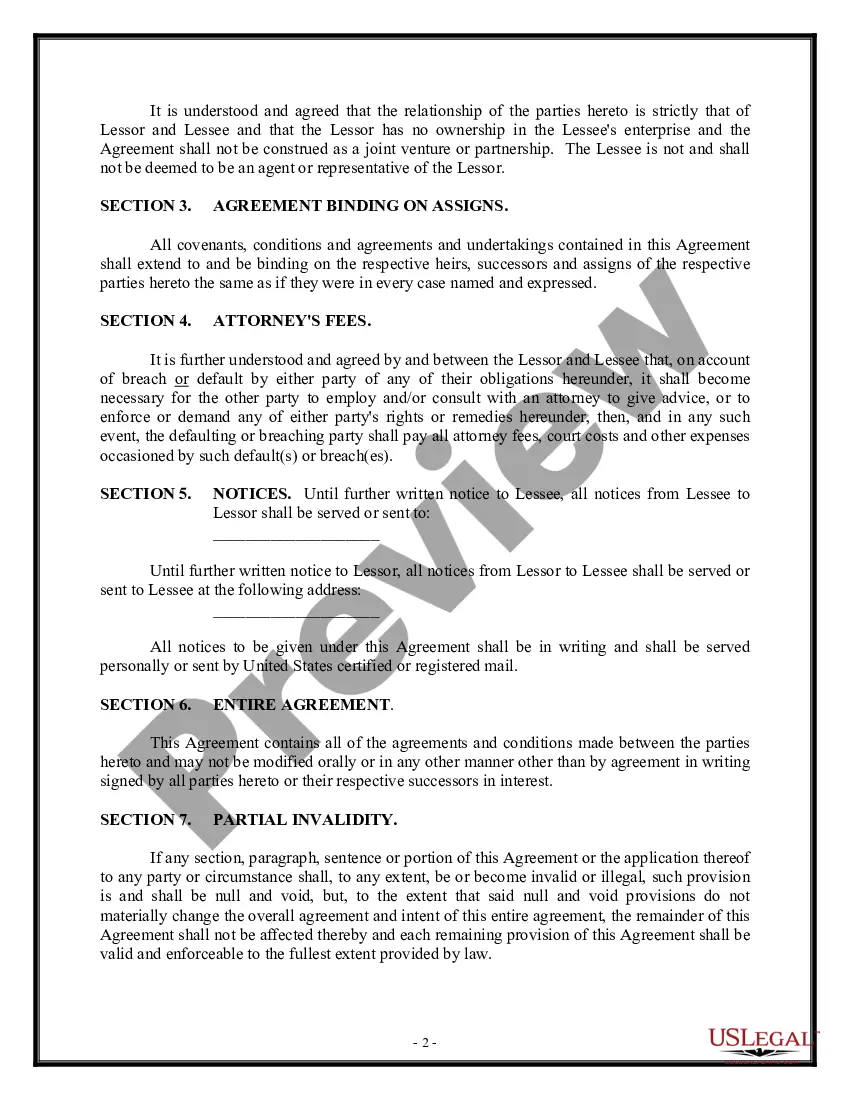
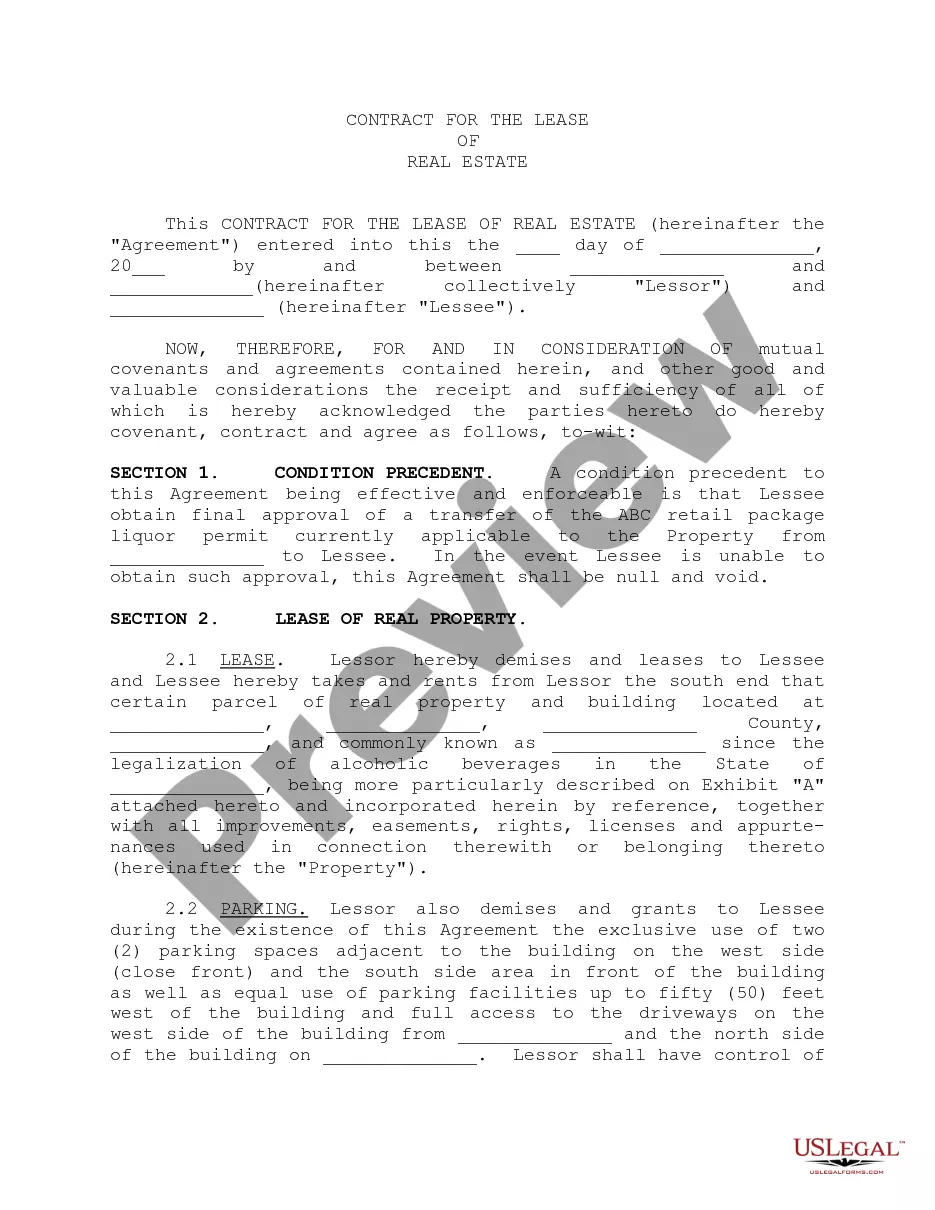
Get your form ready online
Our built-in tools help you complete, sign, share, and store your documents in one place.
Make edits, fill in missing information, and update formatting in US Legal Forms—just like you would in MS Word.
Download a copy, print it, send it by email, or mail it via USPS—whatever works best for your next step.
Sign and collect signatures with our SignNow integration. Send to multiple recipients, set reminders, and more. Go Premium to unlock E-Sign.
If this form requires notarization, complete it online through a secure video call—no need to meet a notary in person or wait for an appointment.
We protect your documents and personal data by following strict security and privacy standards.

Make edits, fill in missing information, and update formatting in US Legal Forms—just like you would in MS Word.

Download a copy, print it, send it by email, or mail it via USPS—whatever works best for your next step.

Sign and collect signatures with our SignNow integration. Send to multiple recipients, set reminders, and more. Go Premium to unlock E-Sign.

If this form requires notarization, complete it online through a secure video call—no need to meet a notary in person or wait for an appointment.

We protect your documents and personal data by following strict security and privacy standards.
Looking for another form?




Form popularity
FAQ
Real property is land and anything attached to it, while personal property refers to movable items. For example, a house on a plot of land is real property, while the furniture inside is personal property.
Personal use property is used for personal enjoyment as opposed to business or investment purposes. These may include personally-owned cars, homes, appliances, apparel, food items, and so on.
Business Personal Property tax is an ad valorem tax on the tangible personal property that is used for the production of income. The State of Texas has jurisdiction to tax personal property if the property is: Located in the state for longer than a temporary period.
Business Personal Property Tax is a tax assessed on tangible personal property businesses own. This type of property includes equipment, furniture, computers, machinery, and inventory, among other items not permanently attached to a building or land.
Business Personal Property includes items like machinery, equipment, fixtures, and leasehold improvements possessed or used in connection with a trade or business. Unlike Real Property, Business Personal Property taxes are based on information provided annually by business owners to the Los Angeles County Assessor.
5 steps to fill out a business personal property rendition quickly and accurately Review your property tax accounts. Take stock of your assets. Select the appropriate business personal property rendition forms. Prepare the personal property renditions. File your business personal property rendition packages.
Total exemptions may be granted for public properties or those owned by qualifying organizations such as churches, schools, or charitable organizations. Homestead, over sixty-five, and disabled veterans exemptions are examples of partial exemptions, which reduce the taxable value on qualifying property.
• All businesses are required by law to file the Business Personal Property. • Tax Return (PT-50P) to the Tax Assessor's Office by April 1st of each year. • Personal property includes machinery, equipment, furniture, fixtures, inventory, supplies, and construction in progress.
There are four basic properties: commutative, associative, distributive, and identity.
Thus, the main characteristic of personal property is that it is movable, unlike real property or real estate. Tangible property is personal property that can be physically handled, such as clothes, jewelry, furniture, etc.