Personal Property For Sale In California
Description

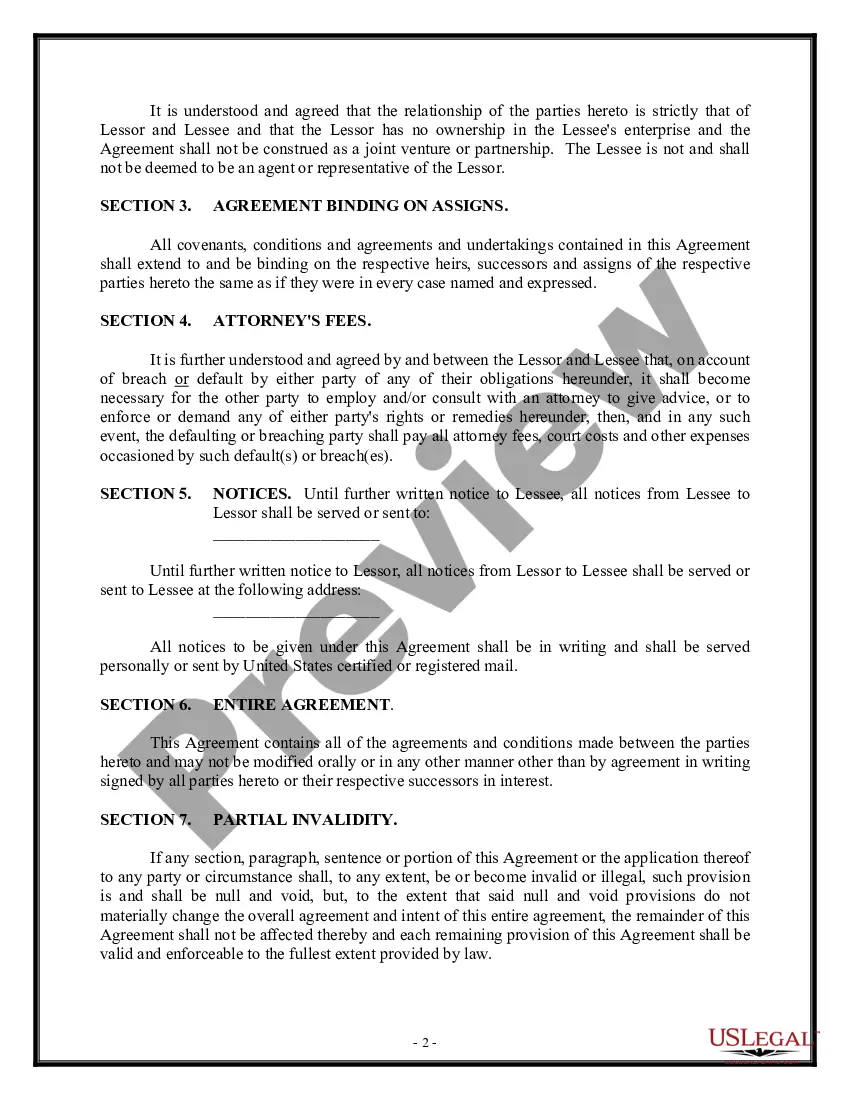
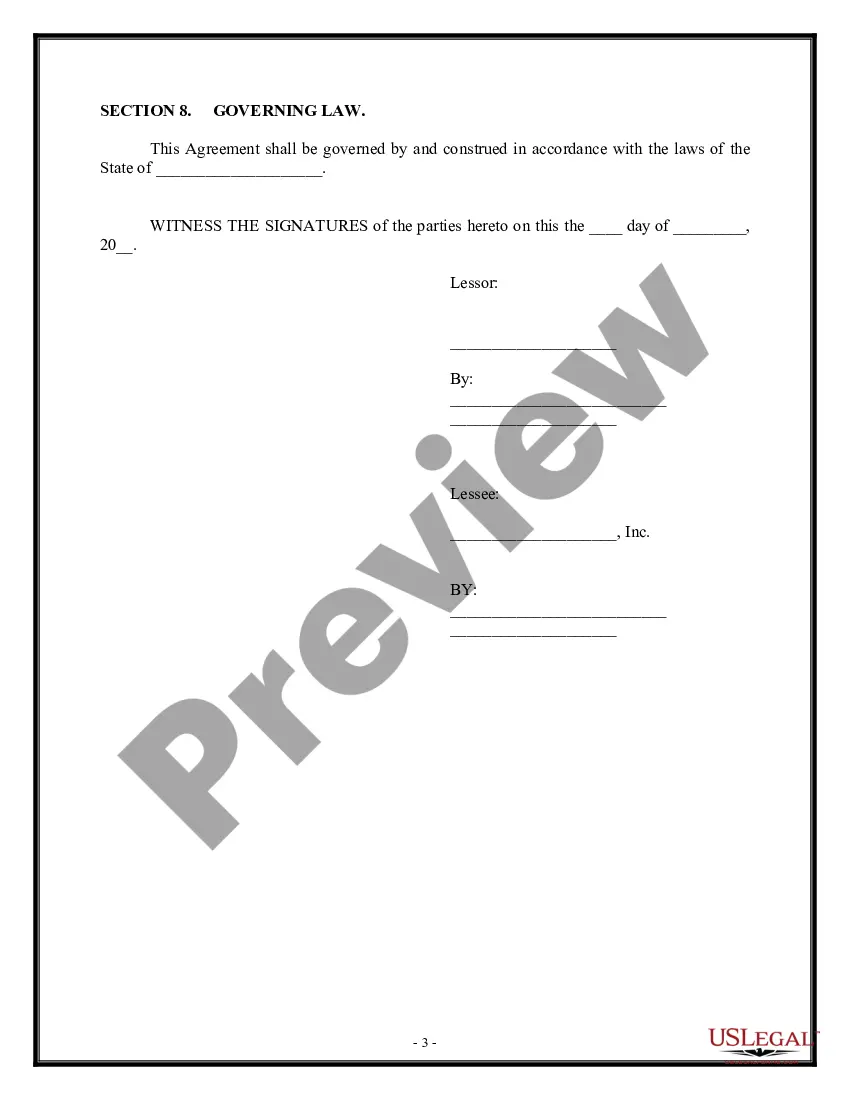
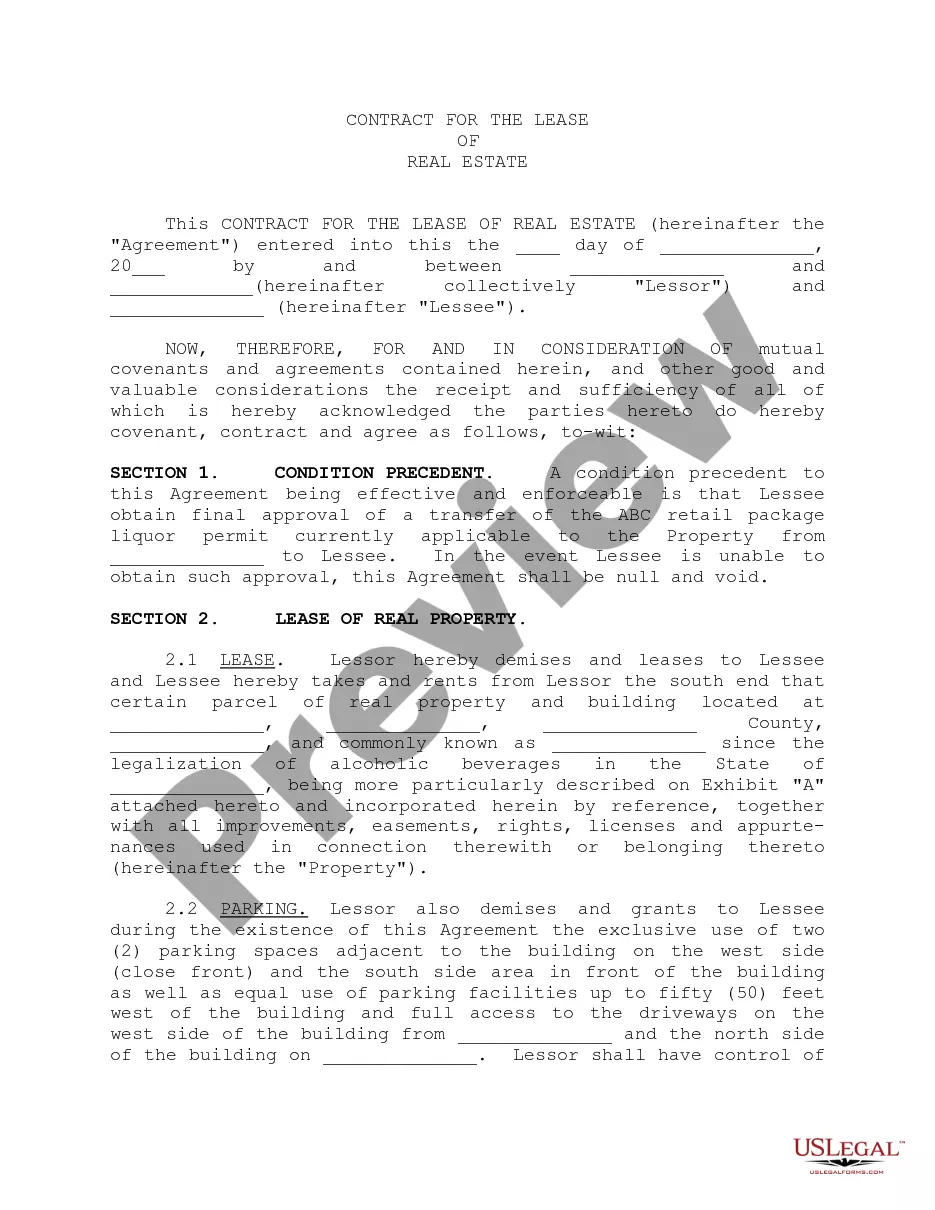
Get your form ready online
Our built-in tools help you complete, sign, share, and store your documents in one place.
Make edits, fill in missing information, and update formatting in US Legal Forms—just like you would in MS Word.
Download a copy, print it, send it by email, or mail it via USPS—whatever works best for your next step.
Sign and collect signatures with our SignNow integration. Send to multiple recipients, set reminders, and more. Go Premium to unlock E-Sign.
If this form requires notarization, complete it online through a secure video call—no need to meet a notary in person or wait for an appointment.
We protect your documents and personal data by following strict security and privacy standards.

Make edits, fill in missing information, and update formatting in US Legal Forms—just like you would in MS Word.

Download a copy, print it, send it by email, or mail it via USPS—whatever works best for your next step.

Sign and collect signatures with our SignNow integration. Send to multiple recipients, set reminders, and more. Go Premium to unlock E-Sign.

If this form requires notarization, complete it online through a secure video call—no need to meet a notary in person or wait for an appointment.

We protect your documents and personal data by following strict security and privacy standards.
Looking for another form?
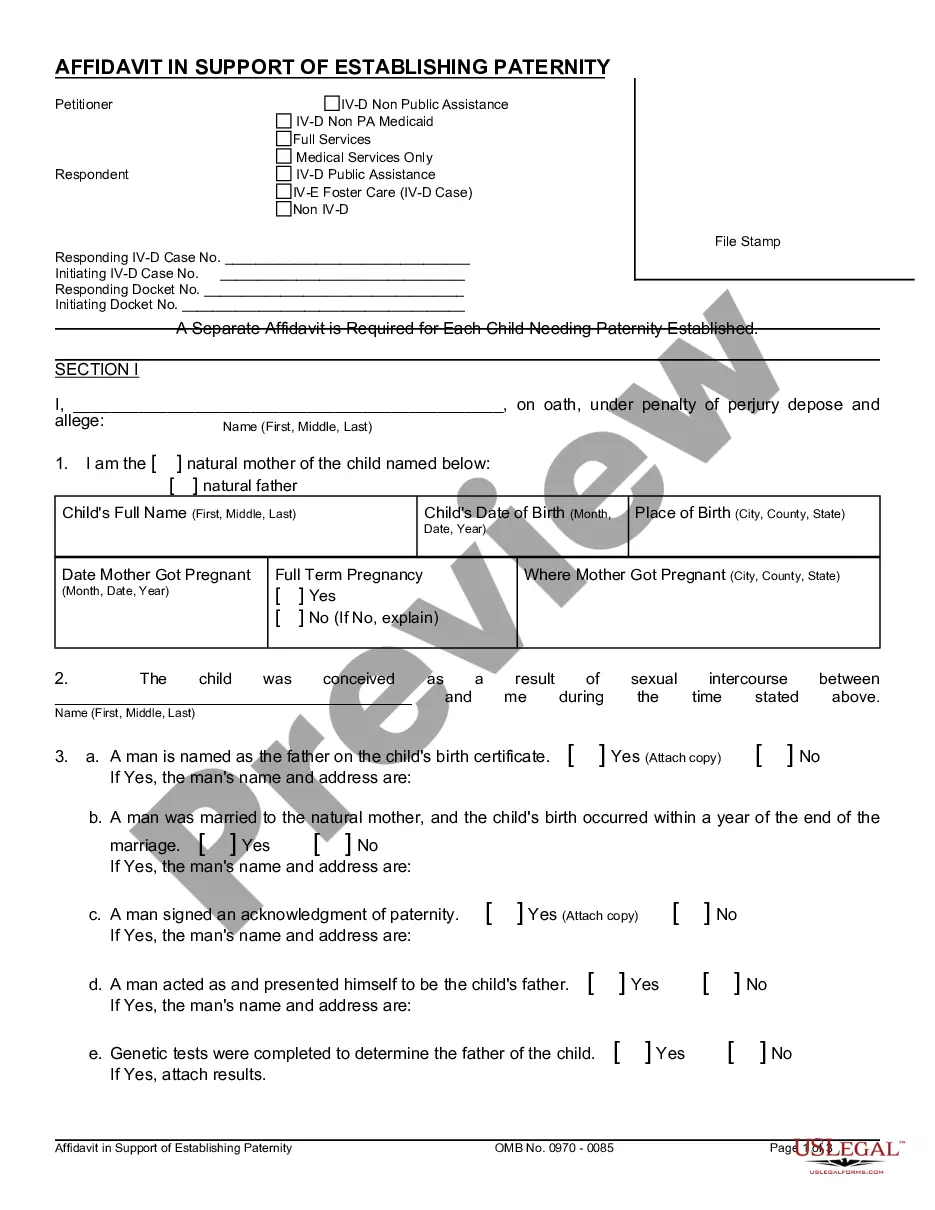





Form popularity
FAQ
As provided by the California Constitution, certain qualified properties are exempt from paying property taxes. Examples include properties used exclusively for religious, scientific, hospital or charitable purposes.
Generally, sales of real property, such as land or a building, in California are not subject to sales or use tax. On the other hand, sales of tangible personal property — that is, property that can be seen, weighed, measured, or touched — are generally subject to sales or use tax.
You do not have to report the sale of your home if all of the following apply: Your gain from the sale was less than $250,000. You have not used the exclusion in the last 2 years. You owned and occupied the home for at least 2 years.
California does not have a lower rate for capital gains. All capital gains are taxed as ordinary income.
Proposition 13 allows a transfer of primary resident between parent and child without reassessing the tax base of the home. To get the benefit, you filed the appropriate form with your county assessor's office after you prepared and filed the deed transferring the property from a parent to a child.
The California Constitution states that “all property is taxable (assessable) unless exempt by the Constitution or statutes.” This taxable property may be defined as real property and personal property. Business Personal Property includes all supplies, equipment and any fixtures used in the operation of a business.
The California Constitution states that “all property is taxable (assessable) unless exempt by the Constitution or statutes.” This taxable property may be defined as real property and personal property. Business Personal Property includes all supplies, equipment and any fixtures used in the operation of a business.
How much is property tax on a $300000 house in California? The property tax on a $300,000 house in California would be approximately $2,310 per year. This is based on the average effective property tax rate of 0.77%.
Under California's Civil Code, personal property is broadly defined to include “everything that is the subject of ownership, not forming part of any parcel of real property” (Civ. Code § 663). Types of Personal Property: Tangible personal property (e.g., furniture, vehicles)