Personal Property Document With No Intrinsic Value Called In Allegheny
Description

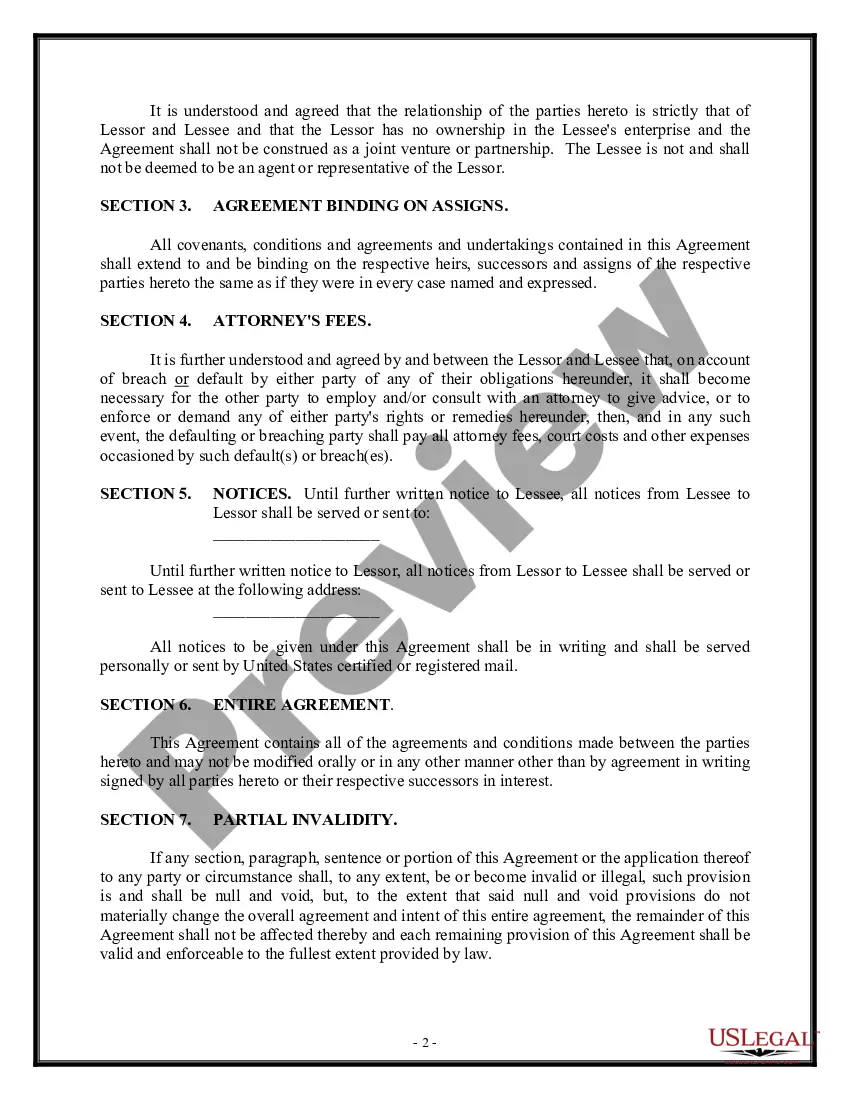
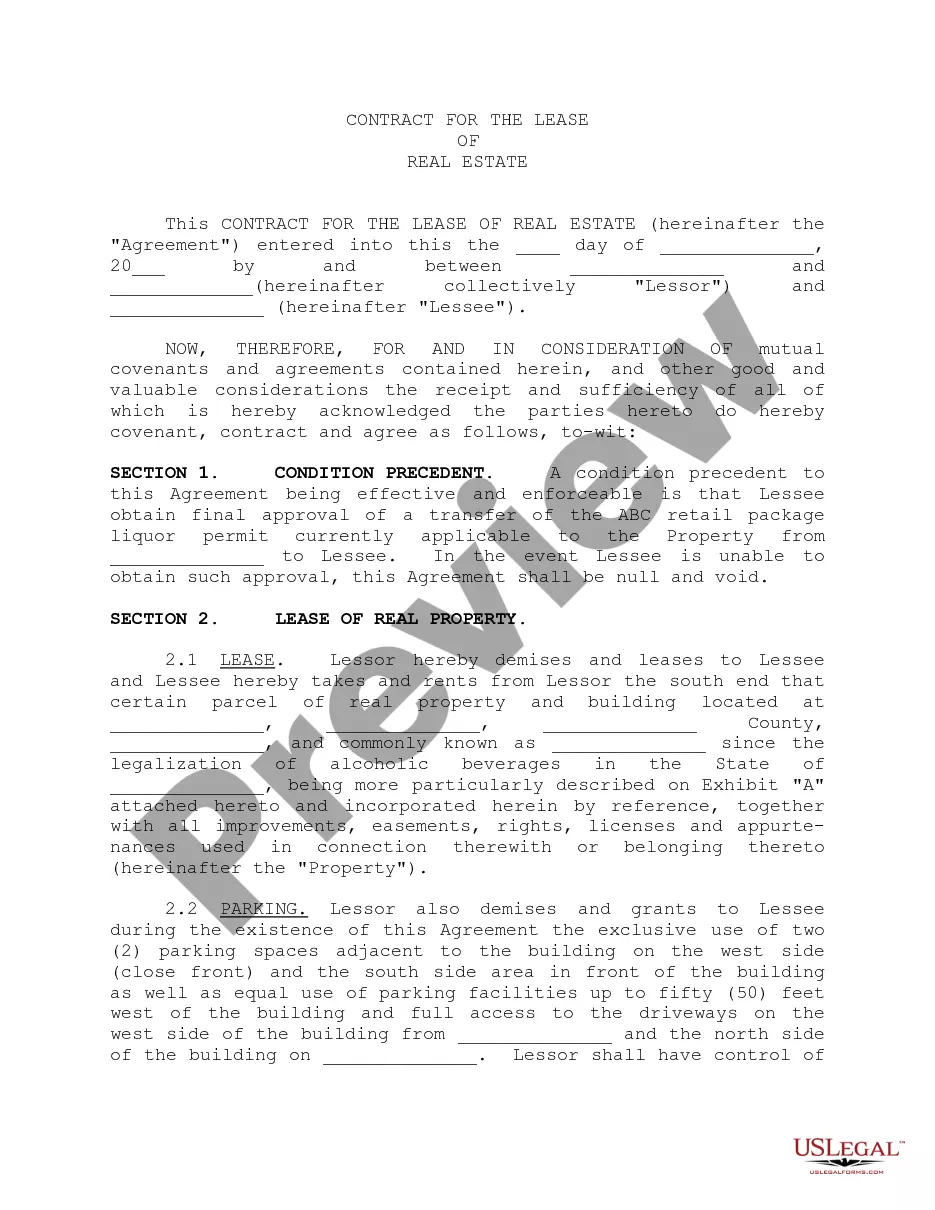
Get your form ready online
Our built-in tools help you complete, sign, share, and store your documents in one place.
Make edits, fill in missing information, and update formatting in US Legal Forms—just like you would in MS Word.
Download a copy, print it, send it by email, or mail it via USPS—whatever works best for your next step.
Sign and collect signatures with our SignNow integration. Send to multiple recipients, set reminders, and more. Go Premium to unlock E-Sign.
If this form requires notarization, complete it online through a secure video call—no need to meet a notary in person or wait for an appointment.
We protect your documents and personal data by following strict security and privacy standards.

Make edits, fill in missing information, and update formatting in US Legal Forms—just like you would in MS Word.

Download a copy, print it, send it by email, or mail it via USPS—whatever works best for your next step.

Sign and collect signatures with our SignNow integration. Send to multiple recipients, set reminders, and more. Go Premium to unlock E-Sign.

If this form requires notarization, complete it online through a secure video call—no need to meet a notary in person or wait for an appointment.

We protect your documents and personal data by following strict security and privacy standards.
Looking for another form?





Form popularity
FAQ
Tangible personal property, or TPP as it is often called, is personal property that can be felt or touched and physically relocated. That covers a lot of stuff, including equipment, livestock, and jewelry. In many states, these items are subject to ad valorem taxes.
Tangible personal property can be subject to ad valorem taxes, meaning the amount of tax payable depends on each item's fair market value. In most states, a business that owned tangible property on January 1 must file a tax return form with the property appraisal office no later than April 1 in the same year.
Tangible personal property includes equipment, supplies, and any other property (including information technology systems) other than that is defined as an intangible property. It does not include copyrights, patents, and other intellectual property that is generated or developed (rather than acquired) under an award.
Tangible property is physical assets such as collectible coins, jewelry, military medals, stamps, antiques, savings bonds or other physical items.
6016. "Tangible personal property." "Tangible personal property" means personal property which may be seen, weighed, measured, felt, or touched, or which is in any other manner perceptible to the senses.
Tangible Personal Property includes all furniture, fixtures, tools, machinery, equipment, signs, leasehold improvements, leased equipment, supplies and any other equipment that may be used as part of the ordinary course of business or included inside a rental property.
Tangible personal property is mainly a tax term which is used to describe personal property that can be felt or touched, and can be physically relocated. For example: cars, furniture, jewelry, household goods and appliances, business equipment.
Personal property refers to movable items that are not permanently attached to land or structures. Unlike real property, which is immovable, personal property includes everything from household goods like furniture and appliances to vehicles, jewelry, and even intangible assets such as stocks or patents.
Personal property includes: Machinery and equipment. Furniture. Stocks and Bonds: If personal property is sold by a bona fide resident of a relevant possession such as Puerto Rico, the gain (or loss) from the sale is treated as sourced with that possession.
Personal Property Personal belongings such as clothing and jewelry. Household items such as furniture, some appliances, and artwork. Vehicles such as cars, trucks, and boats. Bank accounts and investments such as stocks, bonds, and insurance policies.