Real Estate Clause In A Will In Washington
Description

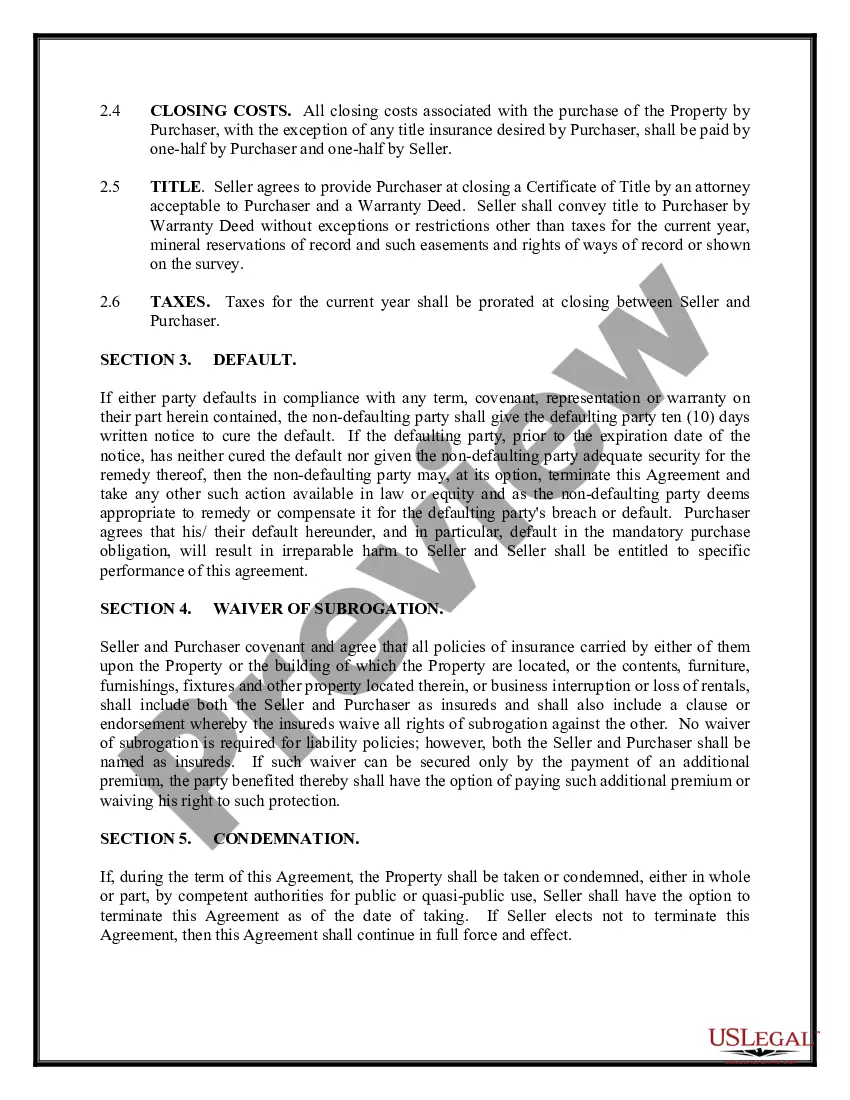
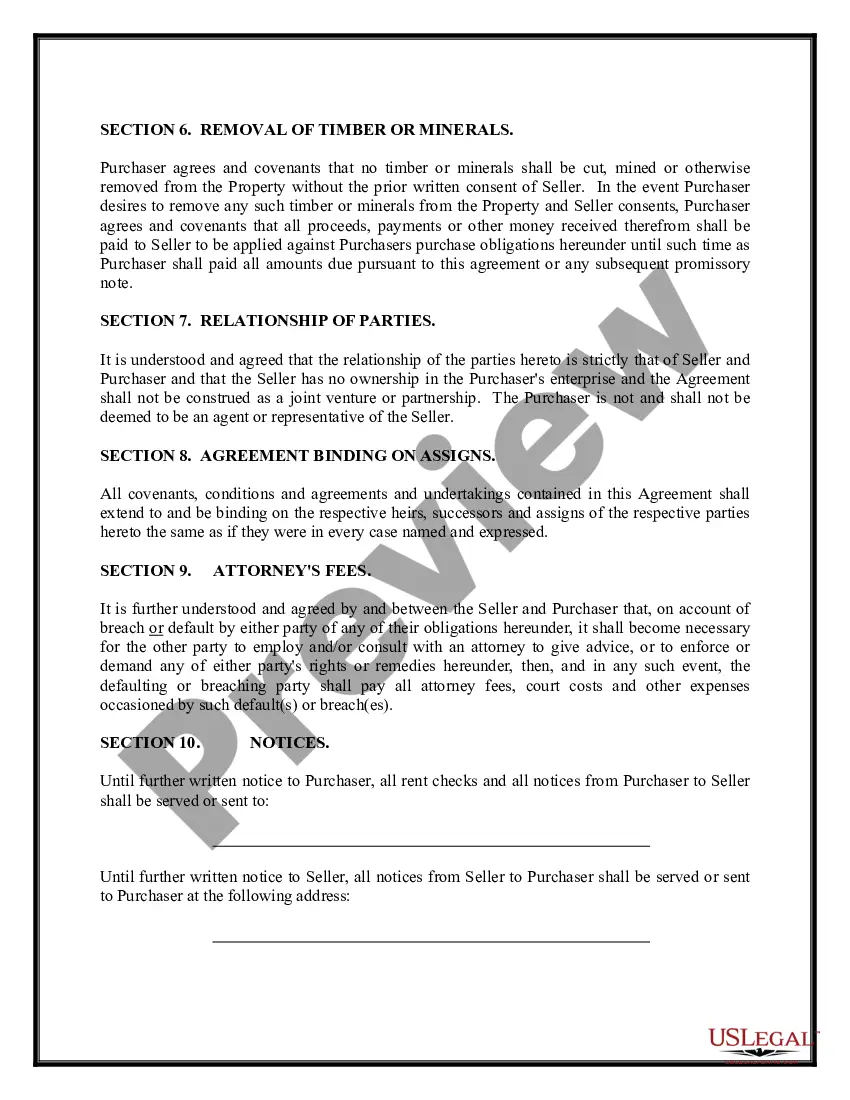
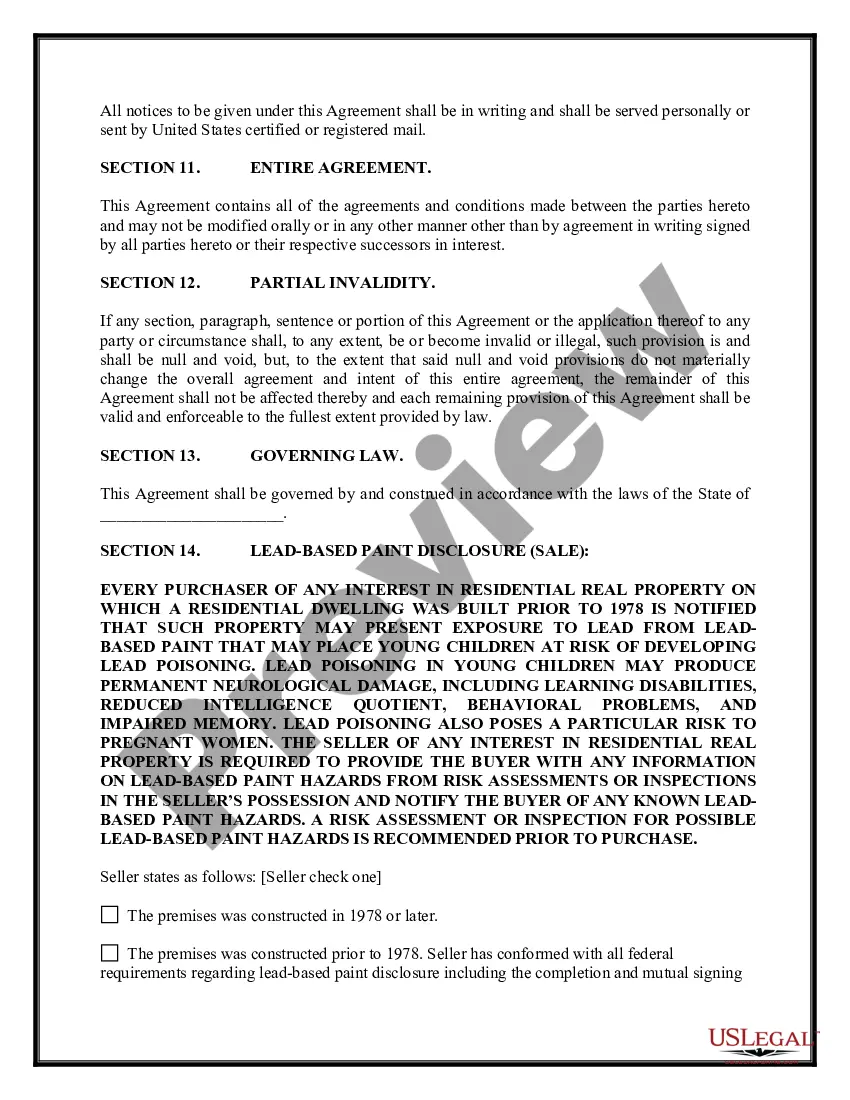
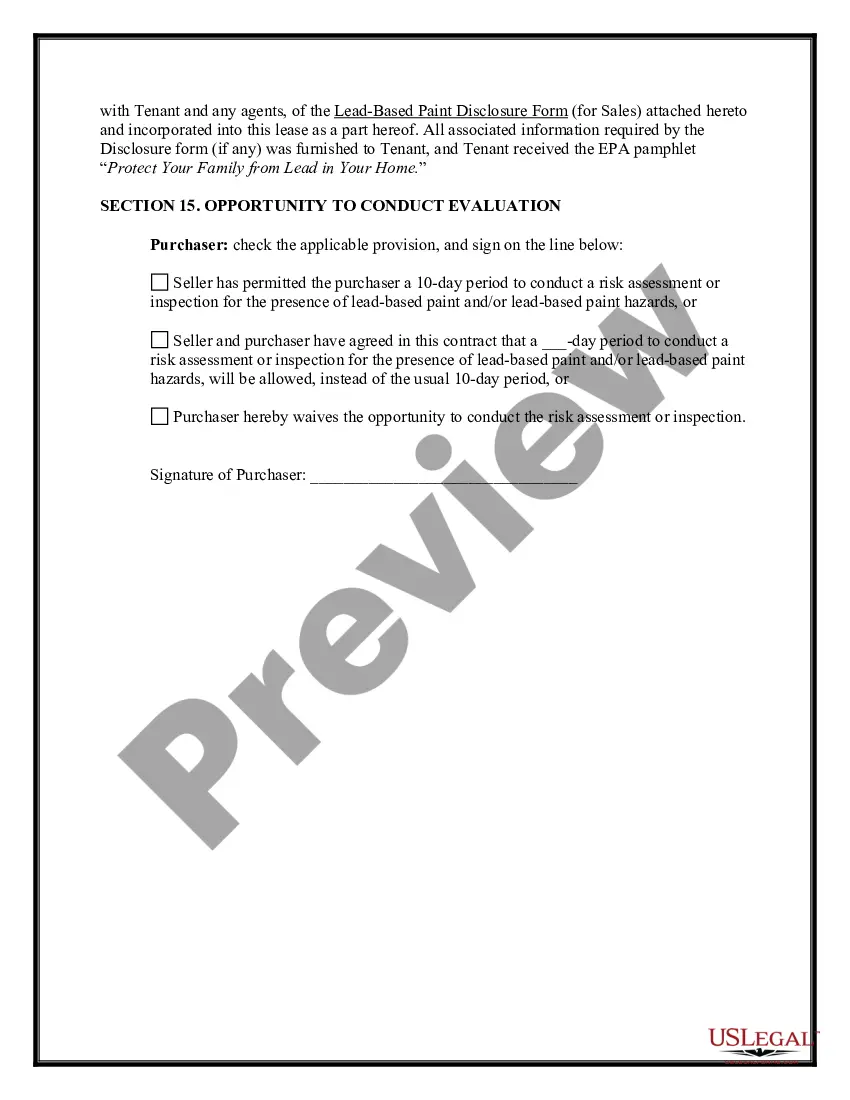
Get your form ready online
Our built-in tools help you complete, sign, share, and store your documents in one place.
Make edits, fill in missing information, and update formatting in US Legal Forms—just like you would in MS Word.
Download a copy, print it, send it by email, or mail it via USPS—whatever works best for your next step.
Sign and collect signatures with our SignNow integration. Send to multiple recipients, set reminders, and more. Go Premium to unlock E-Sign.
If this form requires notarization, complete it online through a secure video call—no need to meet a notary in person or wait for an appointment.
We protect your documents and personal data by following strict security and privacy standards.

Make edits, fill in missing information, and update formatting in US Legal Forms—just like you would in MS Word.

Download a copy, print it, send it by email, or mail it via USPS—whatever works best for your next step.

Sign and collect signatures with our SignNow integration. Send to multiple recipients, set reminders, and more. Go Premium to unlock E-Sign.

If this form requires notarization, complete it online through a secure video call—no need to meet a notary in person or wait for an appointment.

We protect your documents and personal data by following strict security and privacy standards.
Looking for another form?










Form popularity
FAQ
When the owner of a house dies and there is a Will, the house will pass to the beneficiary named in the document. Once Probate court has validated the Will, the Executor can assist with transferring the property to the heir. This is typically the simplest way to transfer the home after an owner dies.
Legally, you will need a probate (either an adjudication or a traditional probate) if Decedent's probate assets include: A net value of over $100,000 of personal property, or. Any real property that you choose not to or cannot Administer by Affidavit.
491, every will shall be in writing signed by the testator or by some other person under the testator's direction in the testator's presence or electronic presence, and shall be attested by two or more competent witnesses, by subscribing their names to the will, or by signing an affidavit that complies with RCW 11.20.
Perhaps the most direct way to revoke your will is by destroying the document itself. The Revised Code of Washington (RCW 11.12. 040) makes it clear that a “burnt, torn, canceled, obliterated, or destroyed” will is no longer considered valid.
Most state laws require that all wills be filed. They do not, however, require an executor to file a petition for probate or prove the validity of the last will and testament. Property could remain in the decedent's estate indefinitely if no one probates the will.
While Washington State does not require a probate to be filed, it does require that any Will be filed within 40 days of death. Not filing for probate can make it difficult or impossible to validate a will, meaning the estate could be treated as if the person died intestate.
RCW 11.20. 010 requires the Will to be filed whether or not it will be offered for probate and provides for damages upon the failure to do so. Washington law does not require a Will to be probated — only to be filed promptly after a Decedent's death.
More general clauses imposing a survivorship condition on all beneficiaries are also possible though, for example: “Every person who would benefit under this Will but who fails to survive me by 30 days shall be treated for the purposes of the devolution of my estate as having predeceased me.”
A residuary clause outlines what should happen to any property that has not been addressed in your documents or assigned to a beneficiary. Without a residuary clause, your loved ones may be subjected to complications in the probate or trust administration process.