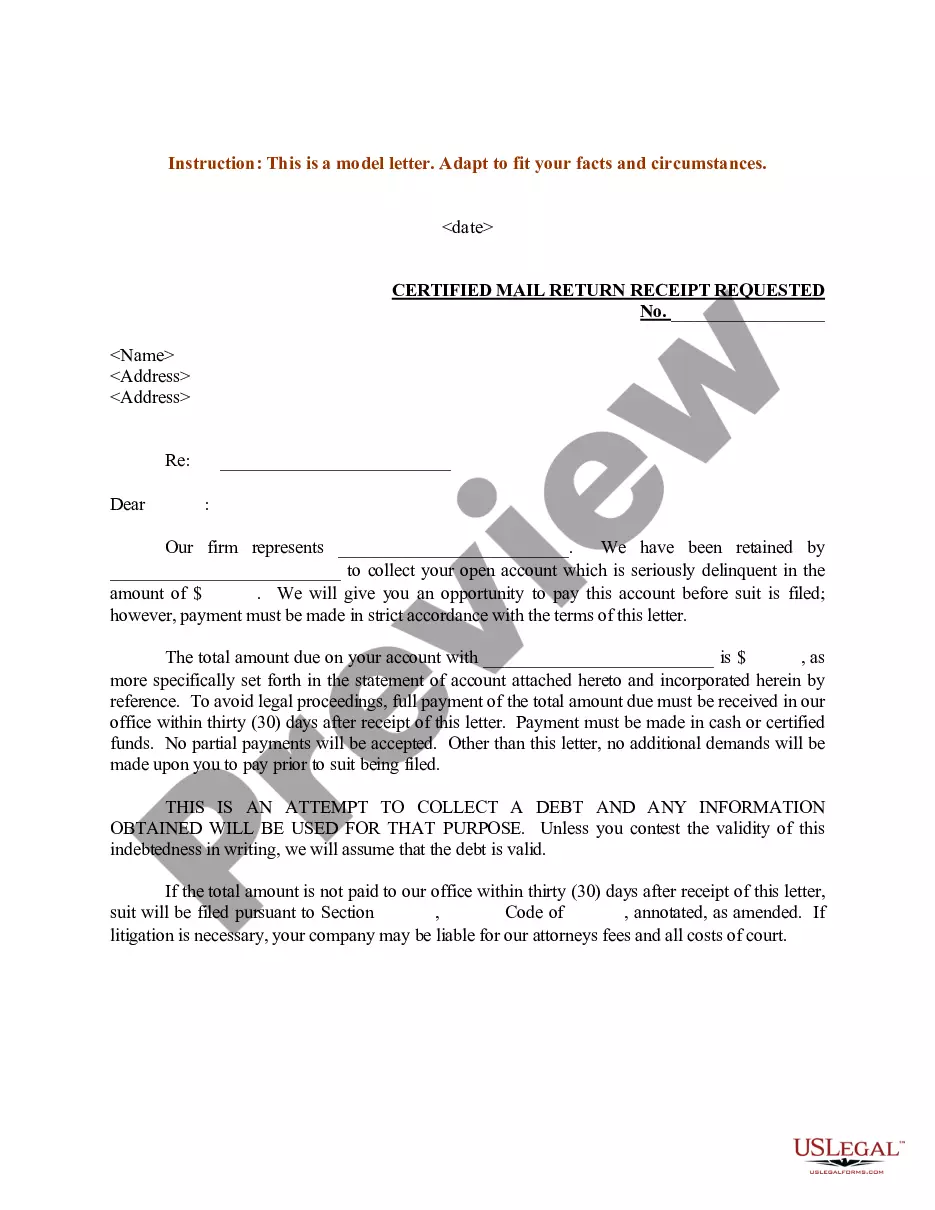
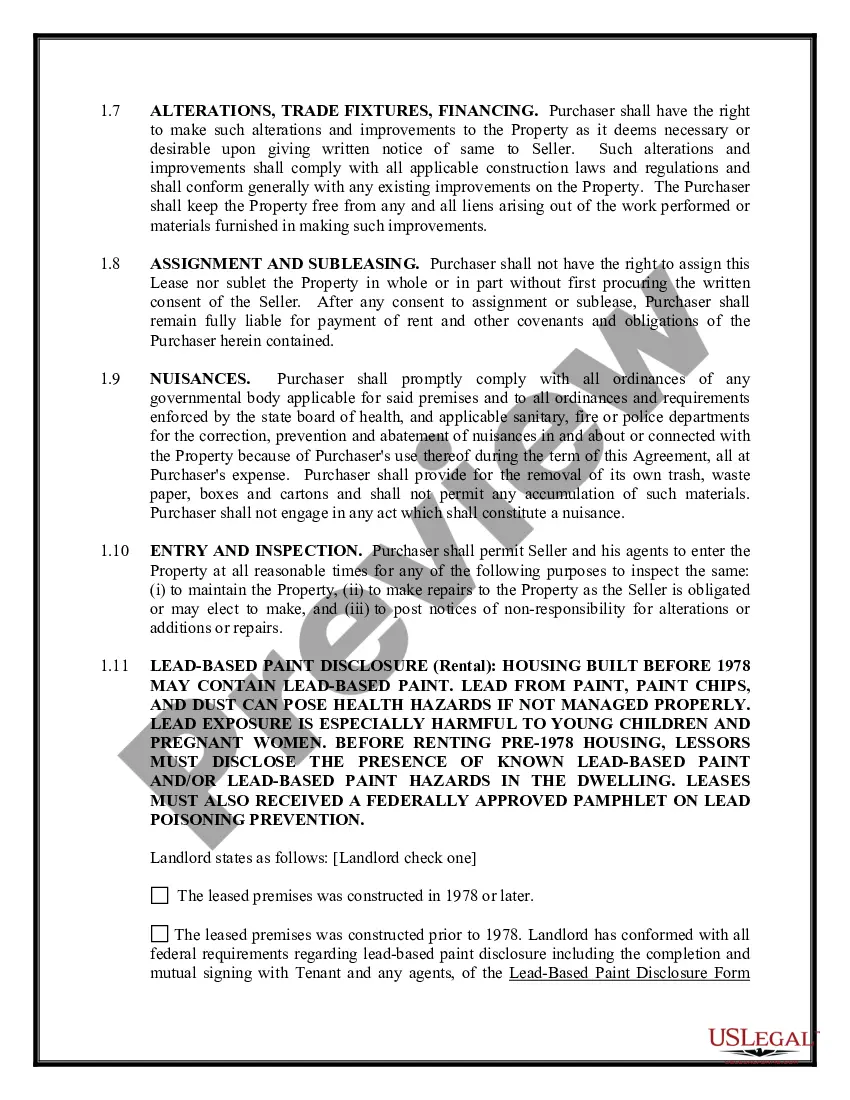
Real Estate Contract Clauses Examples In San Bernardino
Description

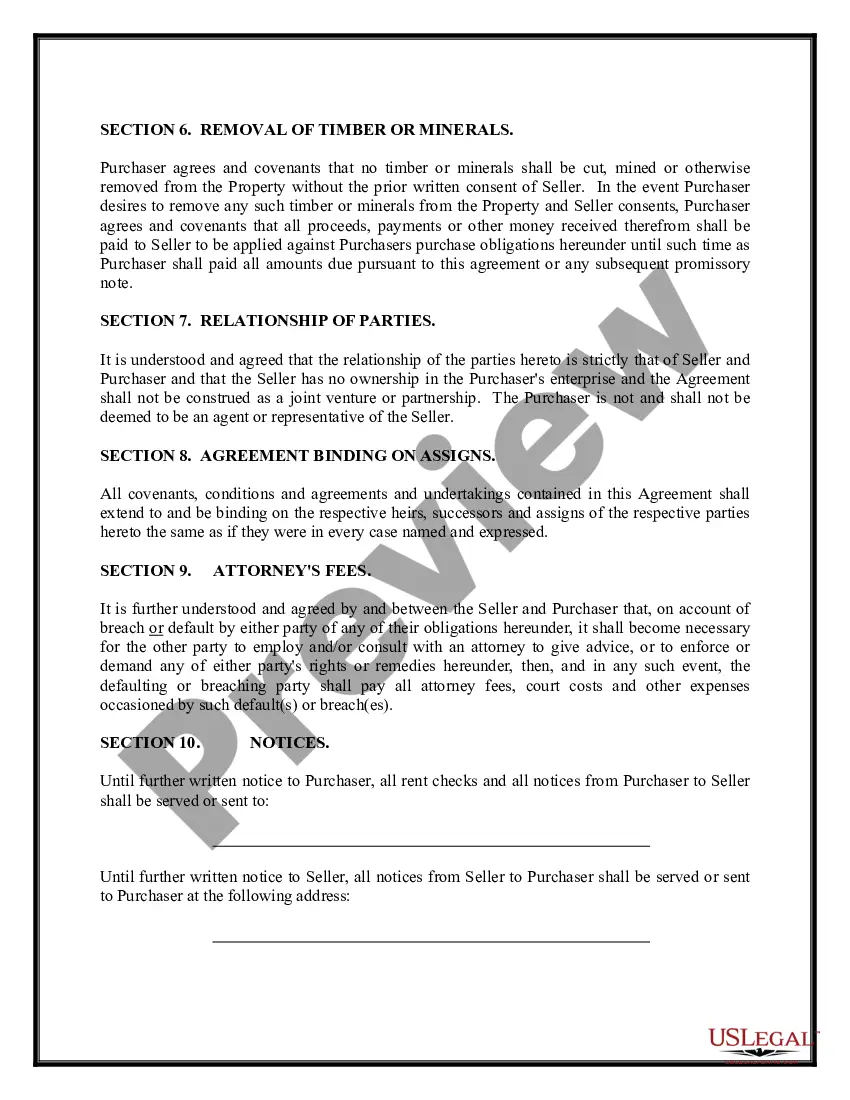
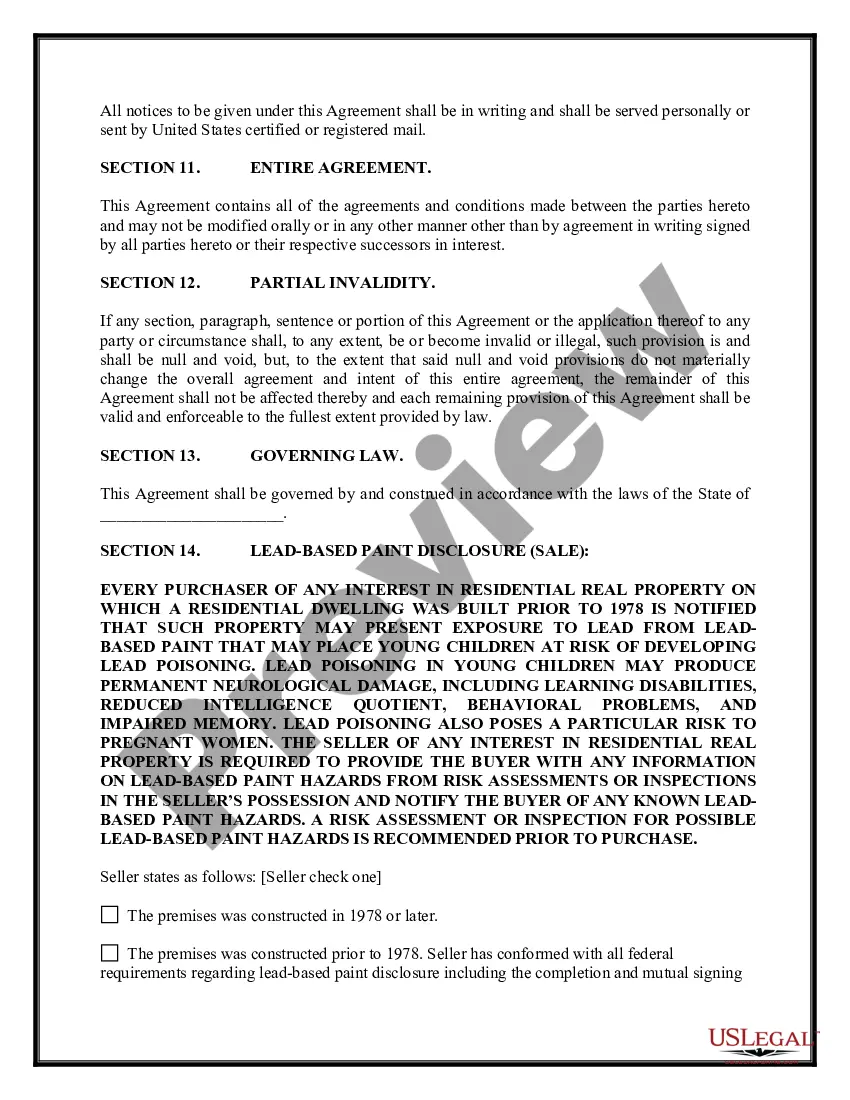
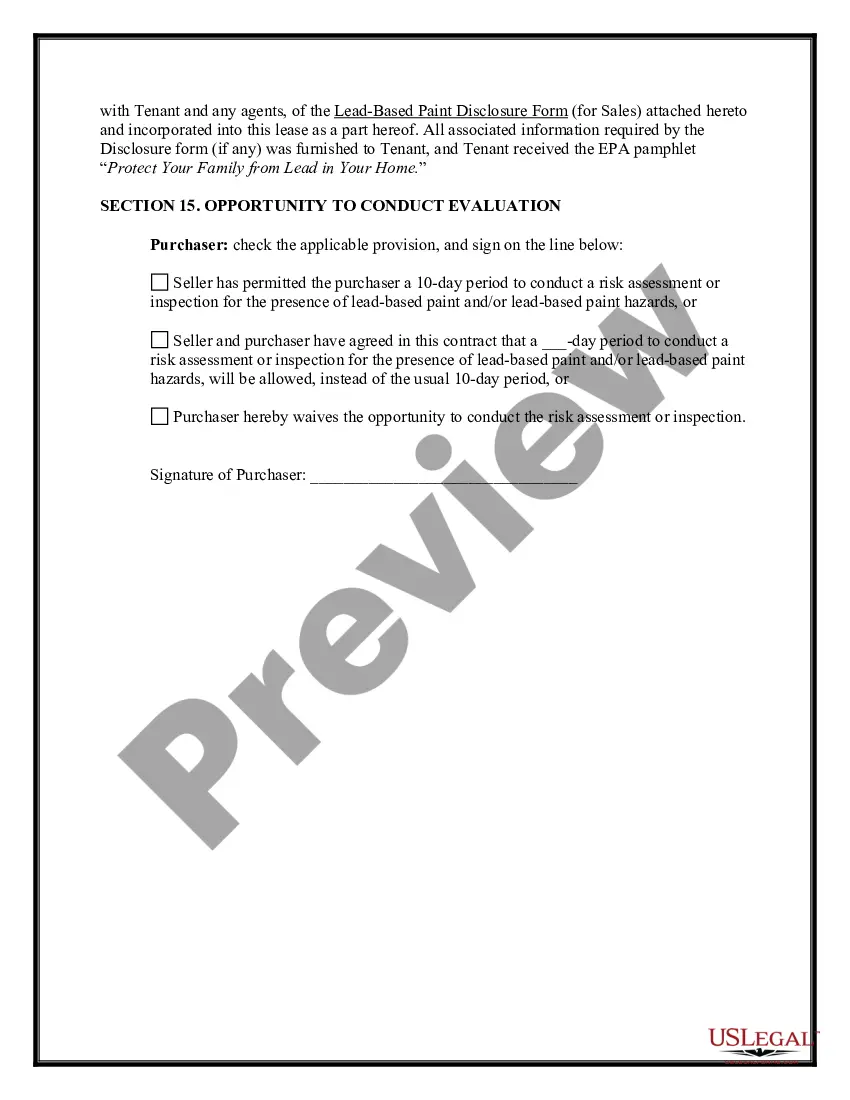
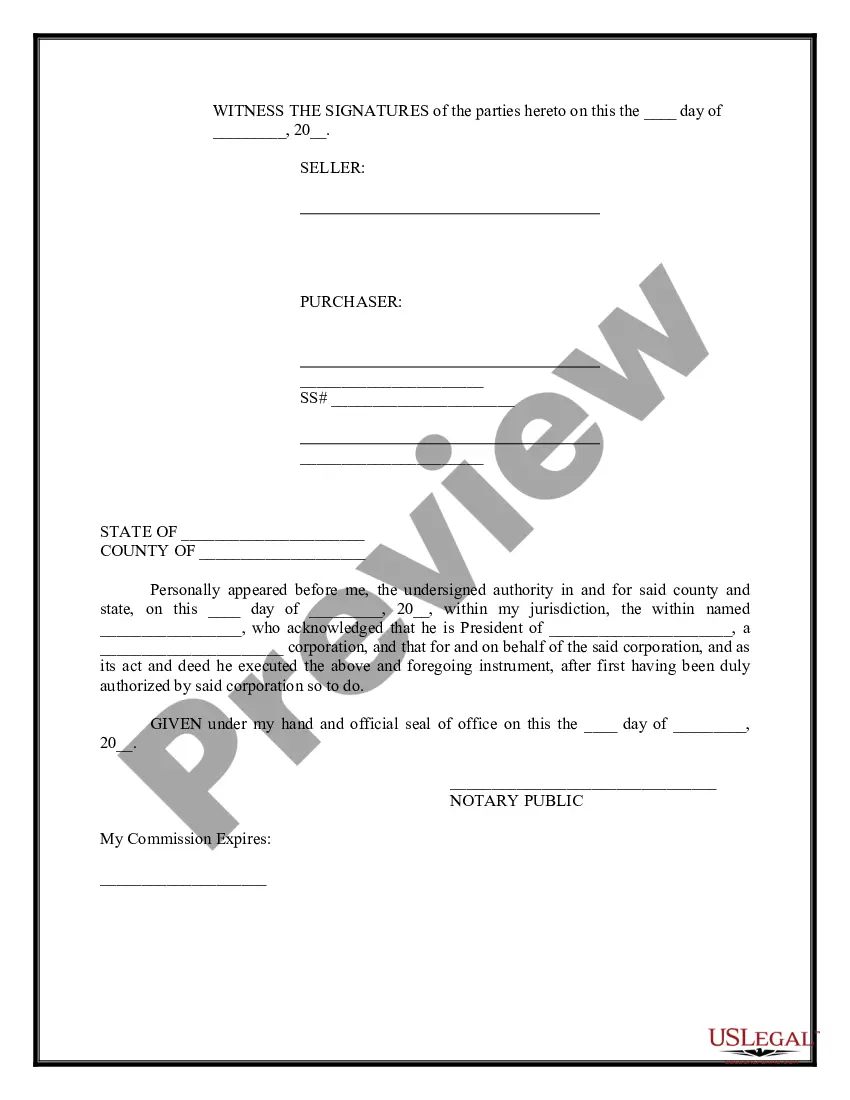
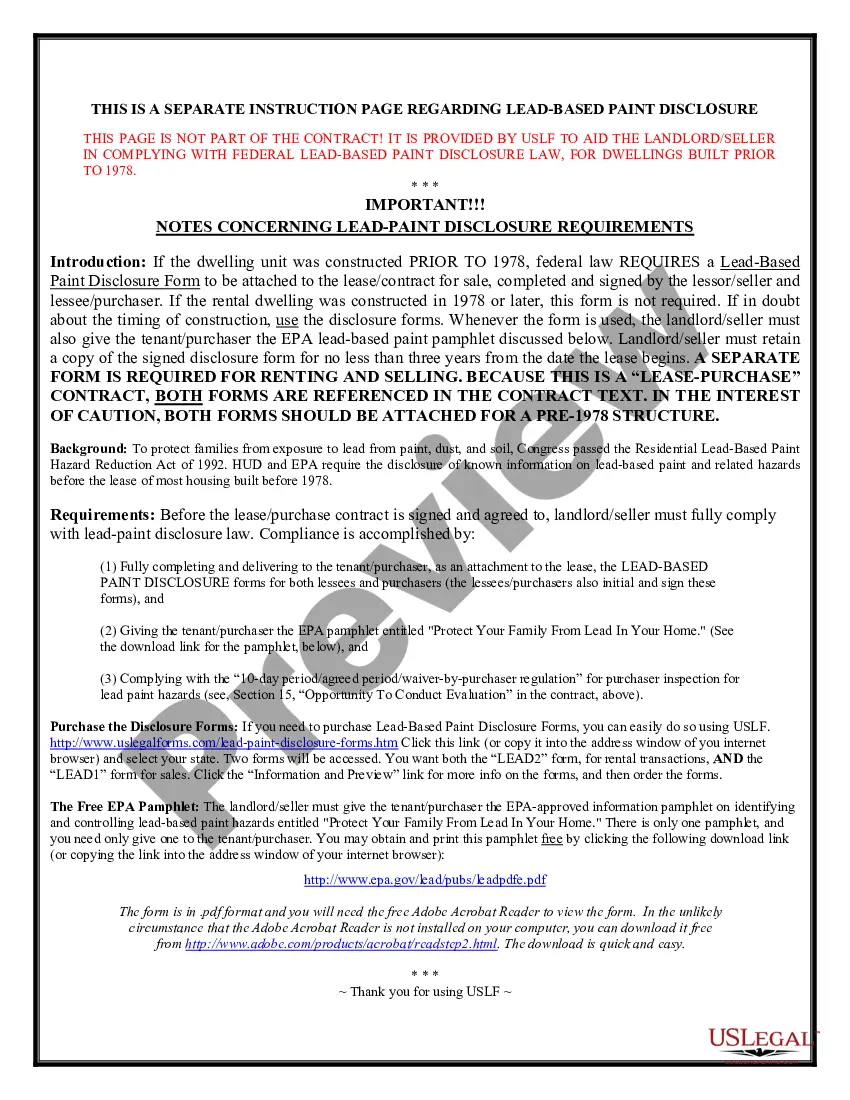
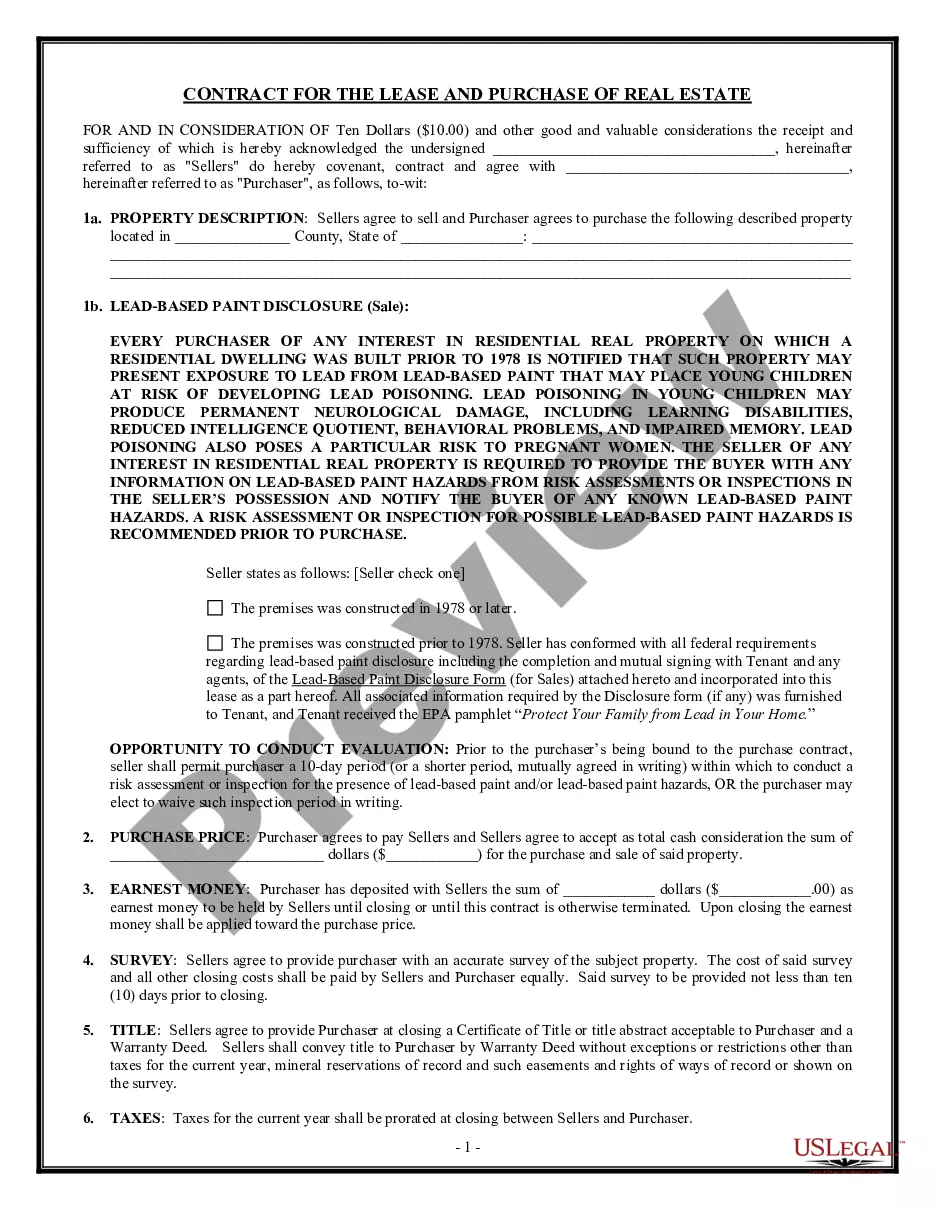
Get your form ready online
Our built-in tools help you complete, sign, share, and store your documents in one place.
Make edits, fill in missing information, and update formatting in US Legal Forms—just like you would in MS Word.
Download a copy, print it, send it by email, or mail it via USPS—whatever works best for your next step.
Sign and collect signatures with our SignNow integration. Send to multiple recipients, set reminders, and more. Go Premium to unlock E-Sign.
If this form requires notarization, complete it online through a secure video call—no need to meet a notary in person or wait for an appointment.
We protect your documents and personal data by following strict security and privacy standards.

Make edits, fill in missing information, and update formatting in US Legal Forms—just like you would in MS Word.

Download a copy, print it, send it by email, or mail it via USPS—whatever works best for your next step.

Sign and collect signatures with our SignNow integration. Send to multiple recipients, set reminders, and more. Go Premium to unlock E-Sign.

If this form requires notarization, complete it online through a secure video call—no need to meet a notary in person or wait for an appointment.

We protect your documents and personal data by following strict security and privacy standards.
Looking for another form?


Form popularity
FAQ
How do you write a contract for sale? Title the document appropriately. List all parties involved in the agreement. Detail the product or service, including all rights, warranties, and limitations. Specify the duration of the contract and any important deadlines.
It means that you don't actually buy the house until you sell the one you've got. It also means that the seller of the home that you want to buy, will continue to keep marketing their home. You, as the buyer, make an offer on a house but include a subject to sale condition for your existing property.
Below are four critical topics you and your lawyer should consider when drafting your company's buy-sell agreement. Identify the Parties Involved. Agree on the Trigger Events. Agree on a Valuation Method. Set Realistic Expectations and Frequently Review the Agreement Terms.
California courts have long established that the “as-is” clause is strictly interpreted to mean that the buyer takes the property in the “condition visible to or observable” by the buyer, and that notwithstanding how broad such language may be, courts have not allowed such clause to protect a seller from liability for ...
Under California Civil Code Section 1624, certain contracts – including marriage, real estate, broker, lender, debt repayment, sales agreement, and agreements that take over a year to complete – must be in writing.
Disclosure documents Vacant land is exempt from the transfer disclosure statement (TDS) that the California Civil Code requires for sales of residential property. However, the seller is still required to disclose any and all known facts that materially affect the value or desirability of the property.
California Real Estate Disclosure Requirements California Transfer Disclosure Statement. California Natural Hazard Disclosure Statement. California Notice of Supplemental Property Tax Bill Disclosure. California Appraisal Discrimination Addendum Disclosure.
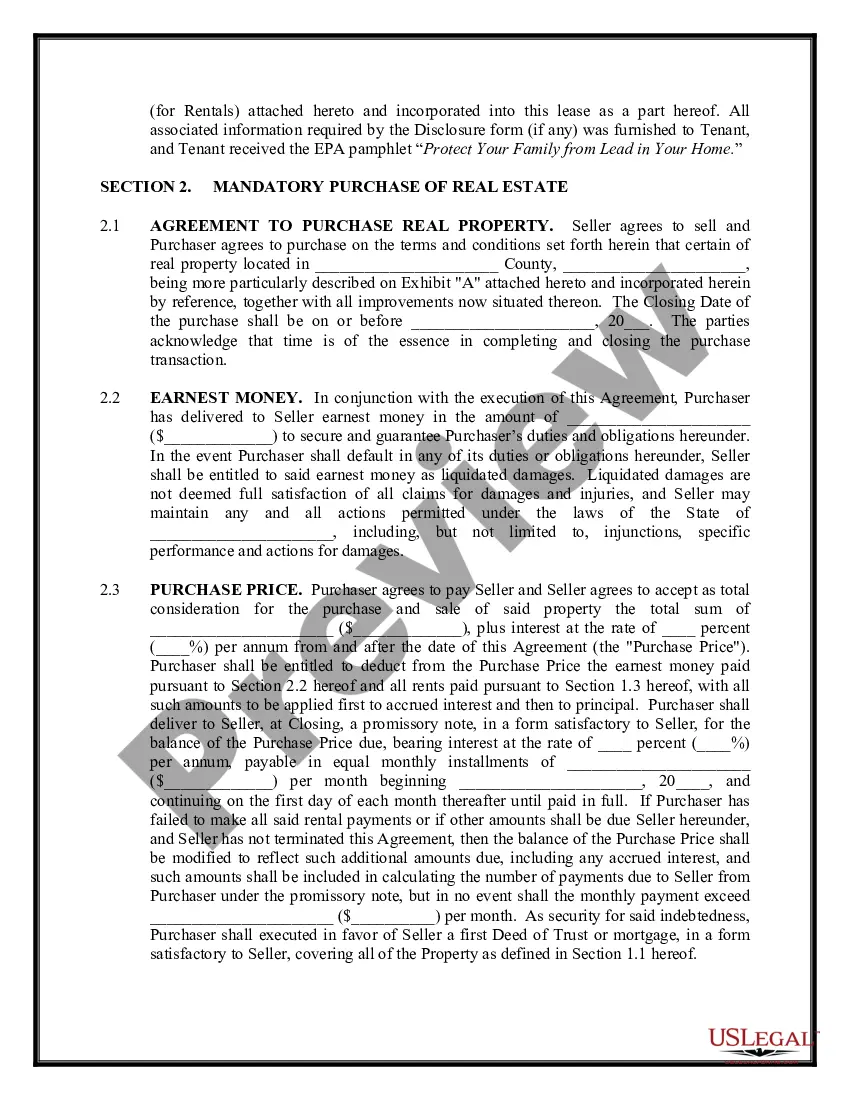
4 Essential Elements of a California Real Estate Contract The contract must be executed by parties who are legally capable of entering a contract. There must be mutual consent. The contract must have a lawful objective. The terms must include consideration (an exchange of things of value)
REQUIREMENTS FOR A CONTRACT A valid contract is a legally binding agreement and is enforceable in court by and against the contracting parties. In order for a contract to be valid, there must be an offer, an acceptance of the offer, an exchange between the parties of something of value, and an agreement to the terms.
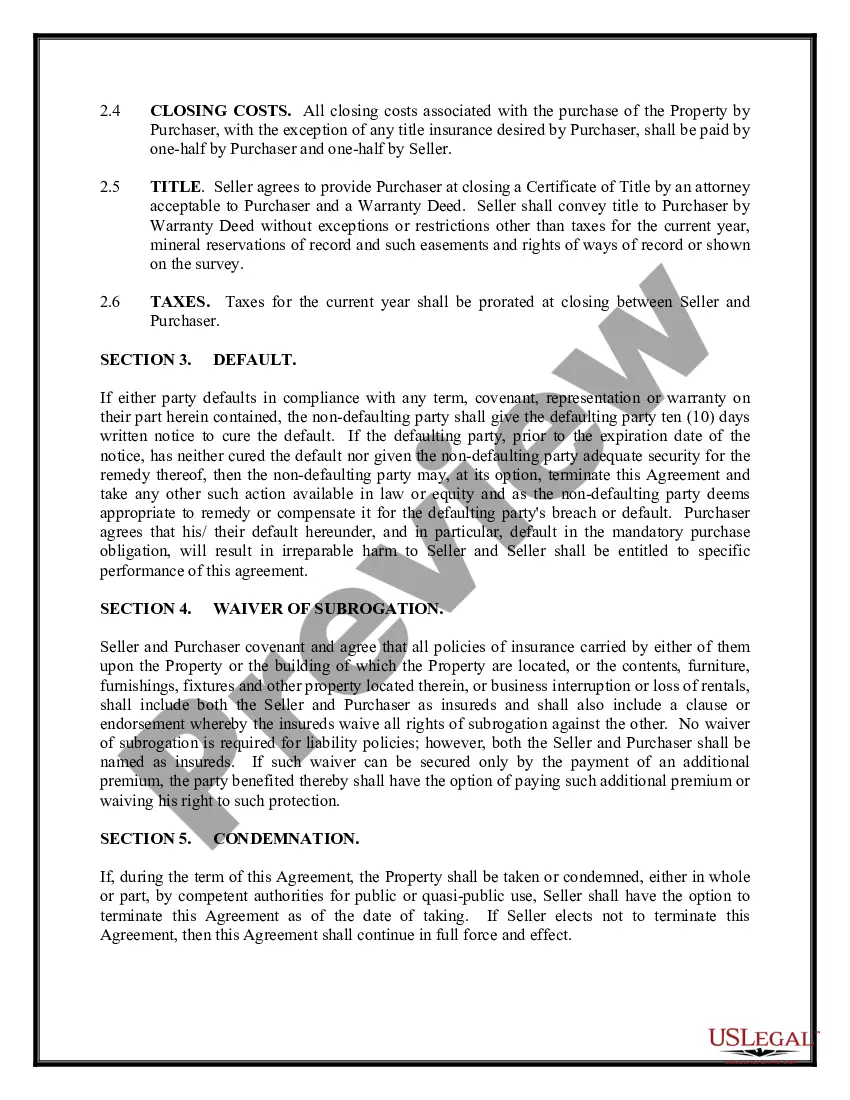
The contingency gives a buyer a contractual excuse to cancel the contract, during the contingency period, if the buyer is not satisfied with its condition, or any other matter affecting the property. The contingency stays in place until removed in writing by the buyer.