Real Estate Contract Clauses Examples In Ohio
Description

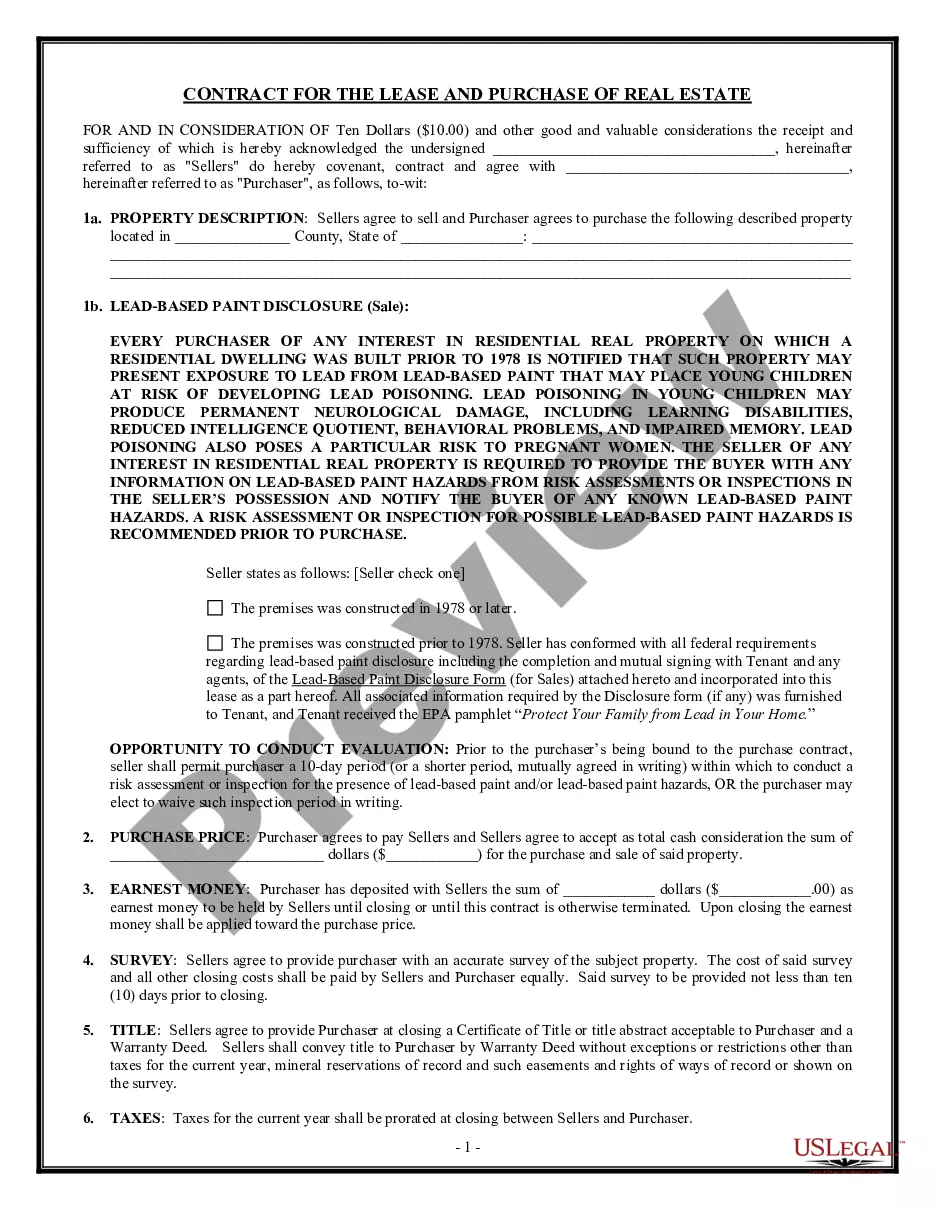
Get your form ready online
Our built-in tools help you complete, sign, share, and store your documents in one place.
Make edits, fill in missing information, and update formatting in US Legal Forms—just like you would in MS Word.
Download a copy, print it, send it by email, or mail it via USPS—whatever works best for your next step.
Sign and collect signatures with our SignNow integration. Send to multiple recipients, set reminders, and more. Go Premium to unlock E-Sign.
If this form requires notarization, complete it online through a secure video call—no need to meet a notary in person or wait for an appointment.
We protect your documents and personal data by following strict security and privacy standards.

Make edits, fill in missing information, and update formatting in US Legal Forms—just like you would in MS Word.

Download a copy, print it, send it by email, or mail it via USPS—whatever works best for your next step.

Sign and collect signatures with our SignNow integration. Send to multiple recipients, set reminders, and more. Go Premium to unlock E-Sign.

If this form requires notarization, complete it online through a secure video call—no need to meet a notary in person or wait for an appointment.

We protect your documents and personal data by following strict security and privacy standards.
Looking for another form?





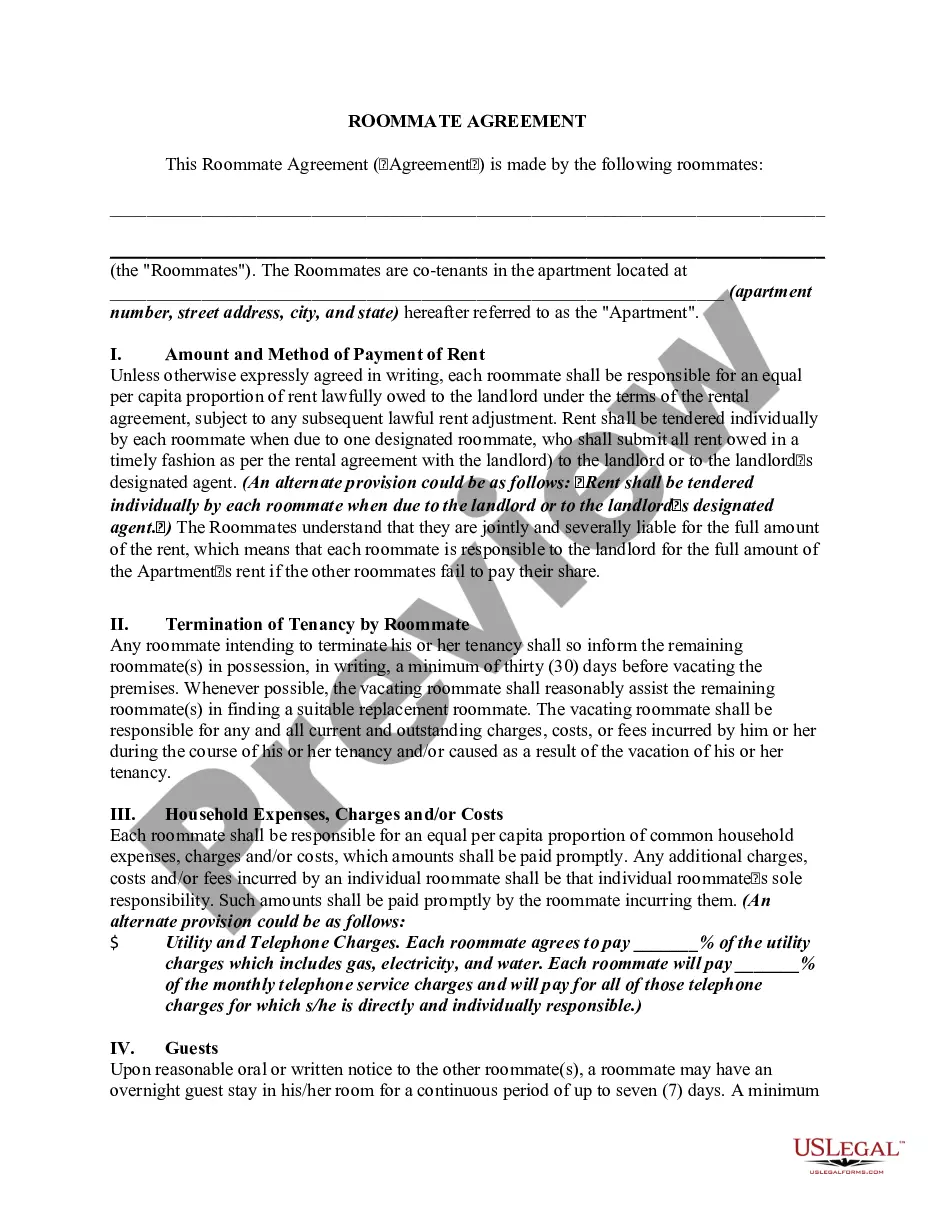




Form popularity
FAQ
The Seller is selling this property in “As Is” condition. Buyer acknowledges and agrees that Buyer is accepting the Property “As Is” without any warranties, representations or guarantees, either expressed or implied, of any kind, nature or type whatsoever from or on behalf of the Seller.
Here's an example in real estate: "The seller is selling the property "as-is" condition, with any and all existing faults. The buyer accepts that they are purchasing the property in its current condition with no expressed or implied guarantees or warranties regarding the property's suitability or condition".
Example Clause: “The Buyer acknowledges that they are purchasing the property in an 'As Is' condition. The Seller makes no representations or warranties concerning the property's condition, fitness for any particular purpose, or compliance with any laws or regulations.”
"As is" denotes that the seller is selling, and the buyer is buying an item in whatever condition it presently exists, and that the buyer is accepting the item "with all faults", whether or not immediately apparent.
Eg. Conditional upon Buyer getting Financing (mortgage approval) or Conditional upon Inspection of the property by a home Inspector. If there is a Condition on Financing & Inspection (for example) for 5 days, it means the Seller has agreed to accept the Buyer's offer and can't accept any other offers.
Required Elements of a Real Estate Contract To establish legality, a real estate contract must include a legal purpose, legally competent parties, agreement by offer and acceptance, consideration, and consent.
What Is a Contingency? A contingency is a potential occurrence of a negative event in the future, such as an economic recession, natural disaster, fraudulent activity, terrorist attack, or a pandemic.
Writing your own contracts is perfectly possible, and legal. But it's also an incredibly bad idea. There's two reasons for this: Property law is complicated. Because it's such a fundamental part of legislation, it's often lots and lots of different laws layered on top of each other.
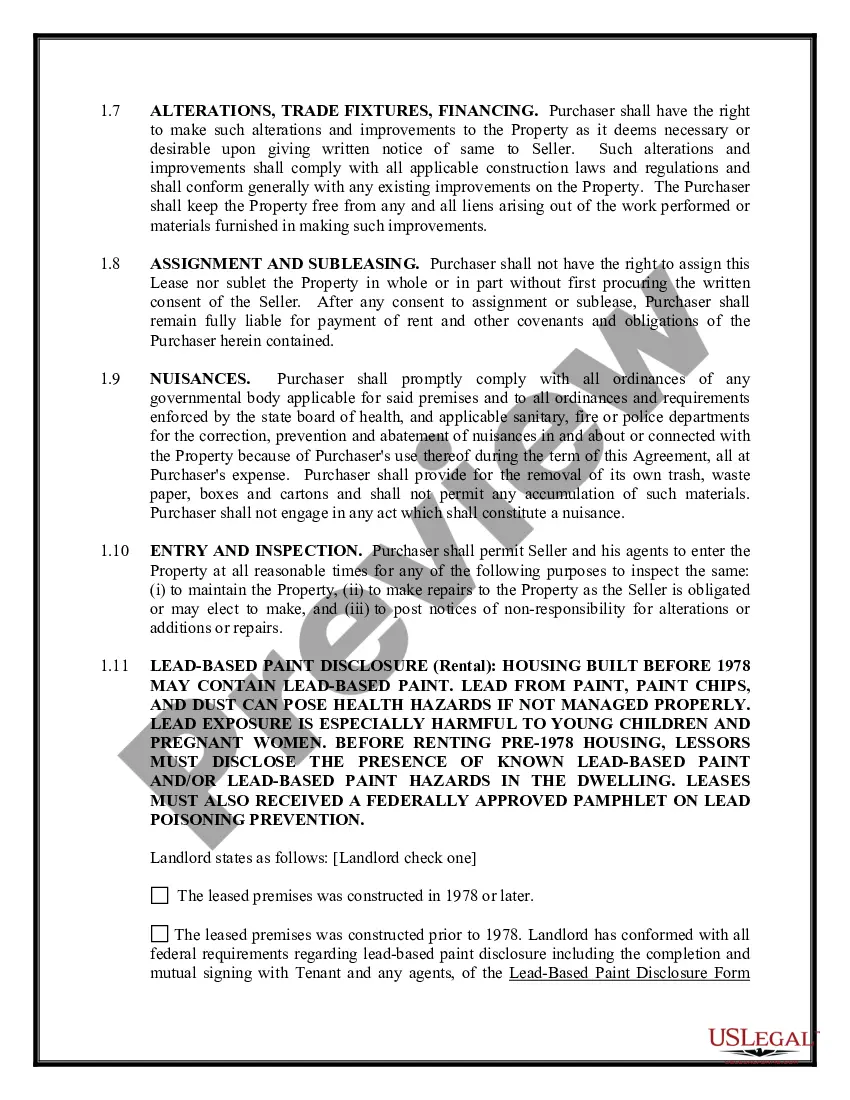
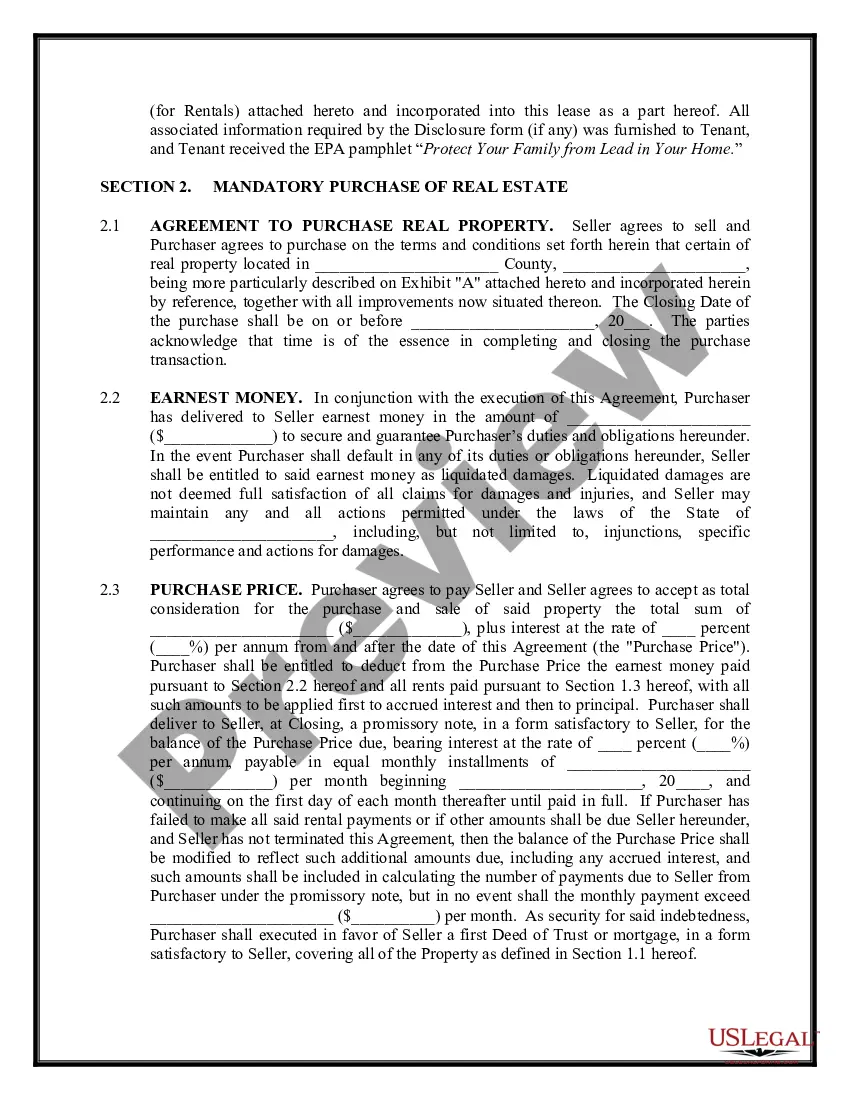
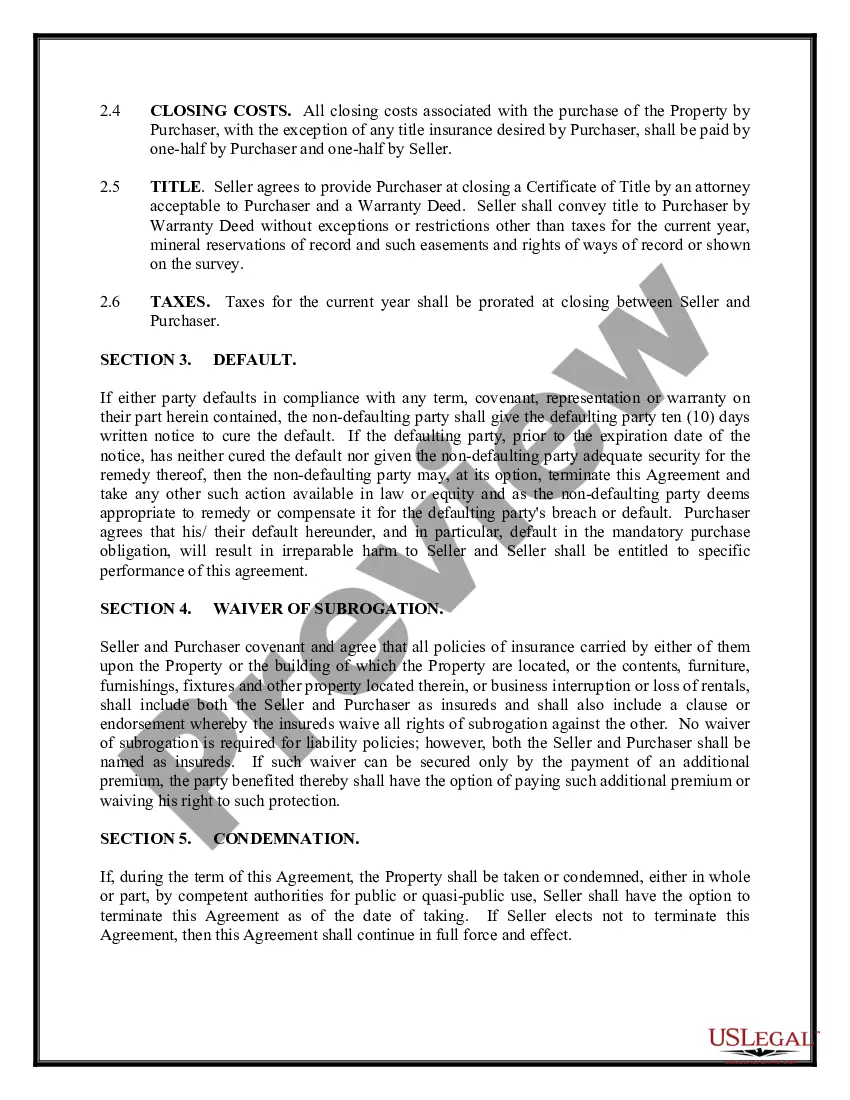
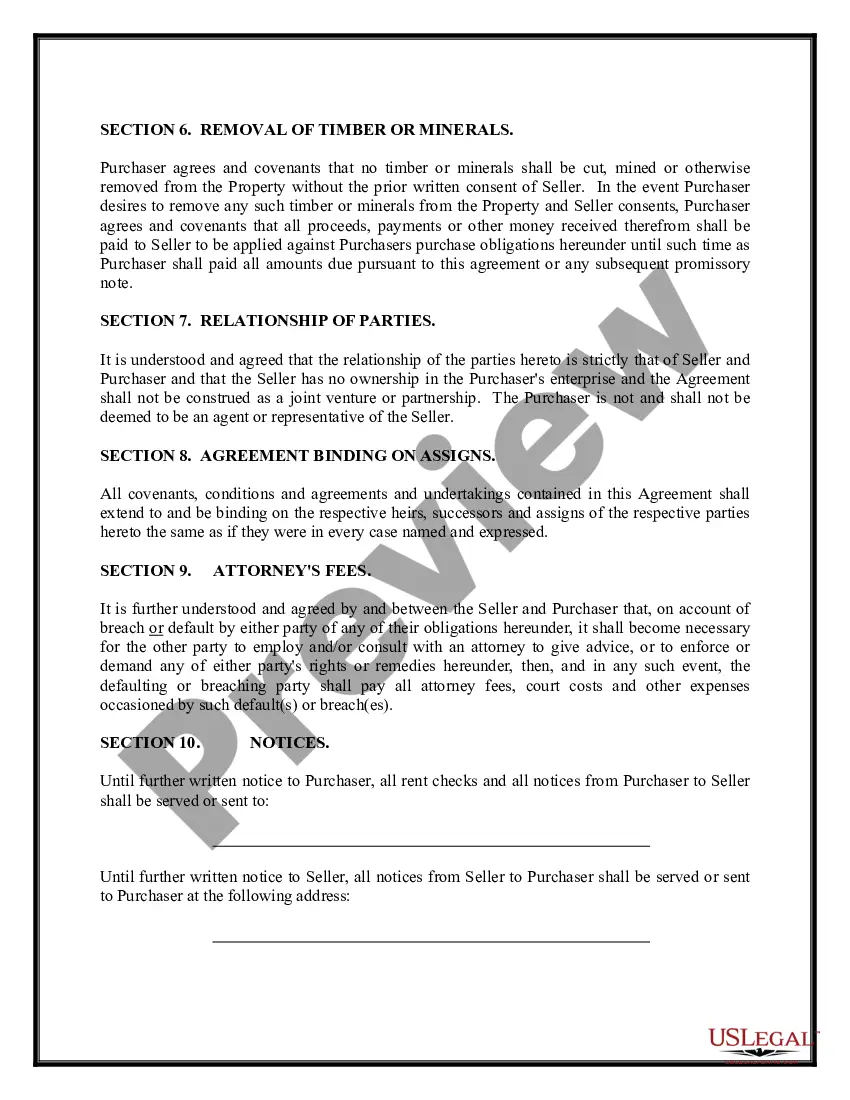
As explained, real estate contracts have clauses that outline the details of the transaction, including what each party is agreeing to and who has responsibilities in executing the sale. Most states have standardized agreements that have the necessary clauses included.