Real Estate Force Majeure Clause In Oakland
Description

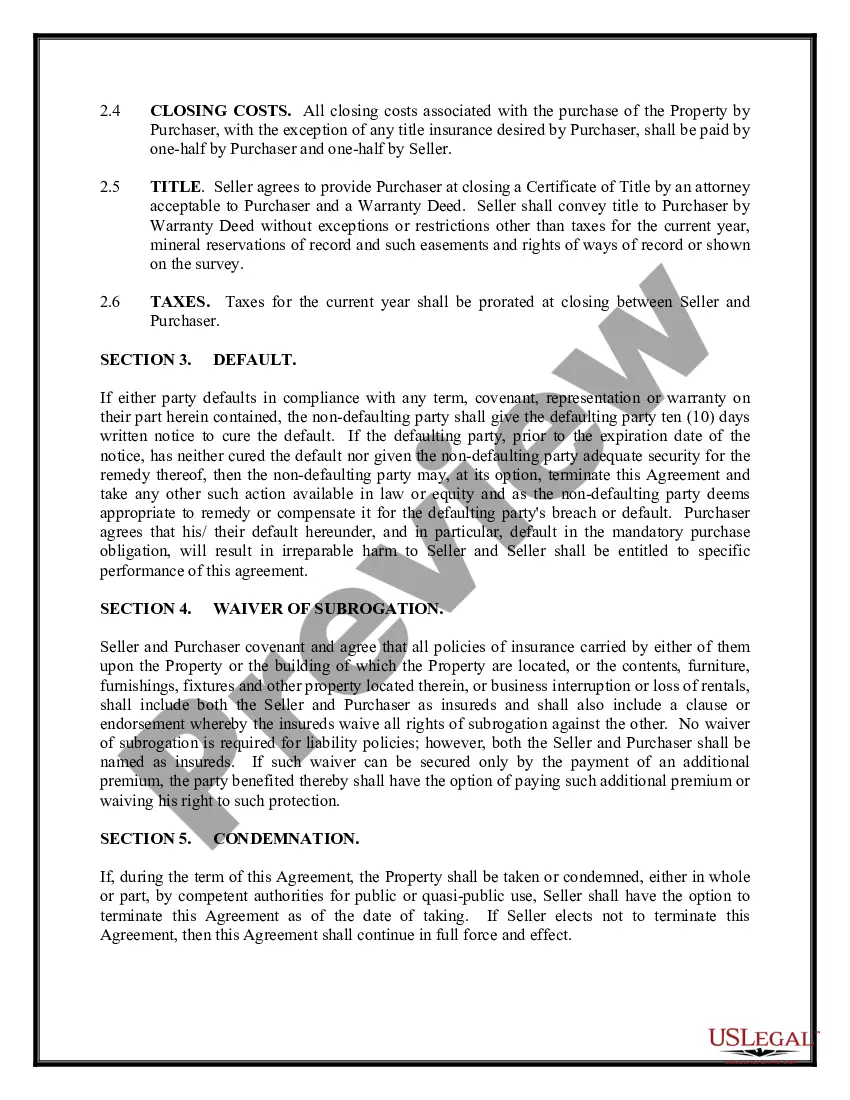
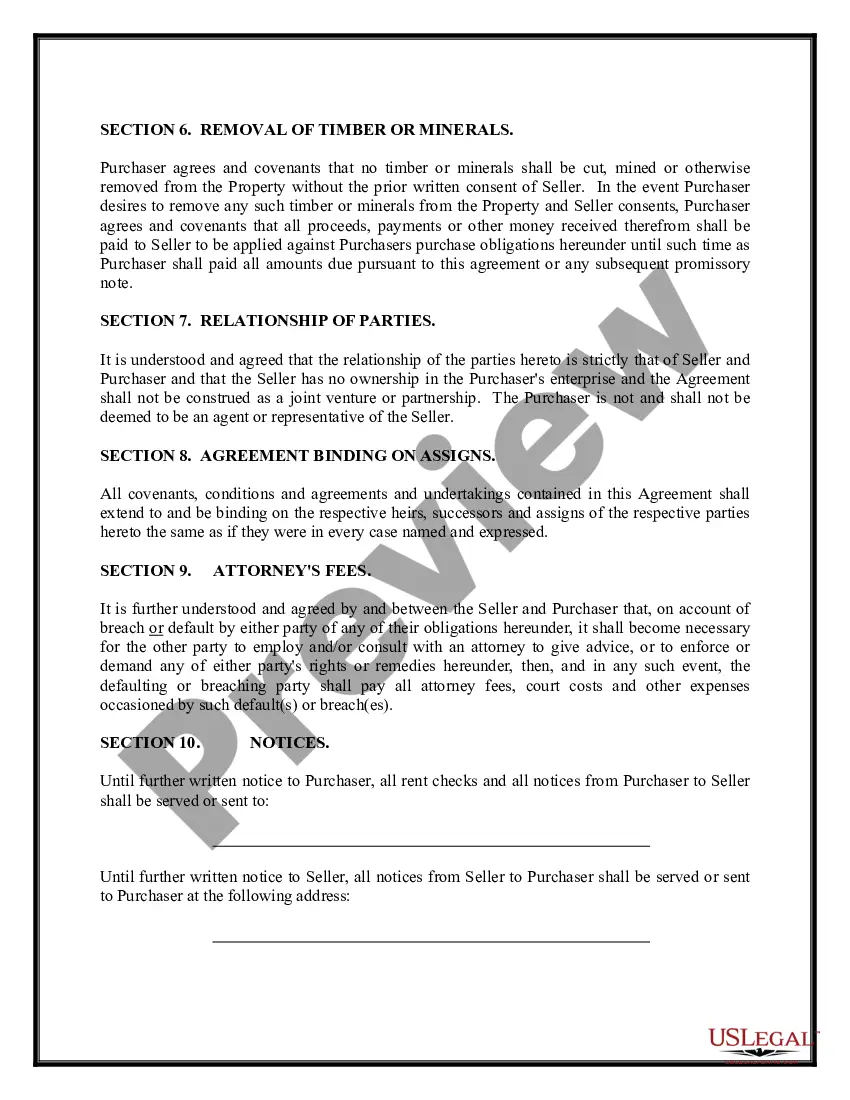
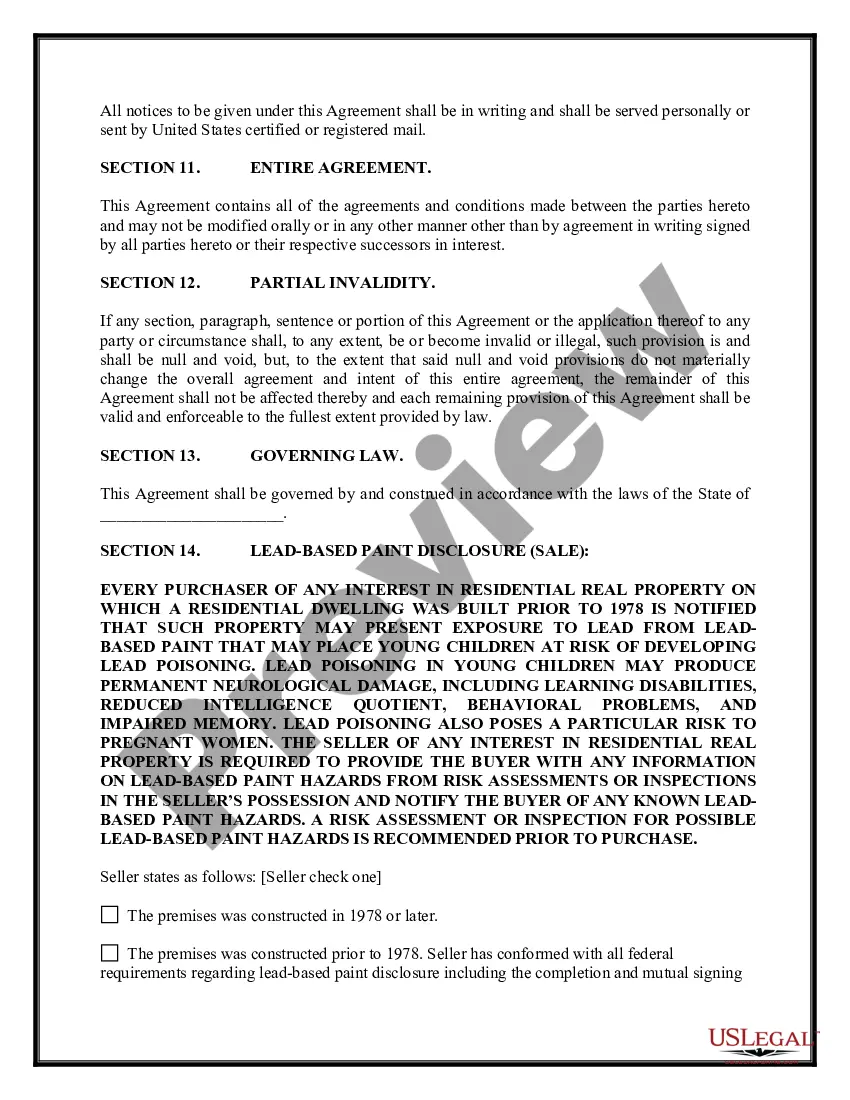
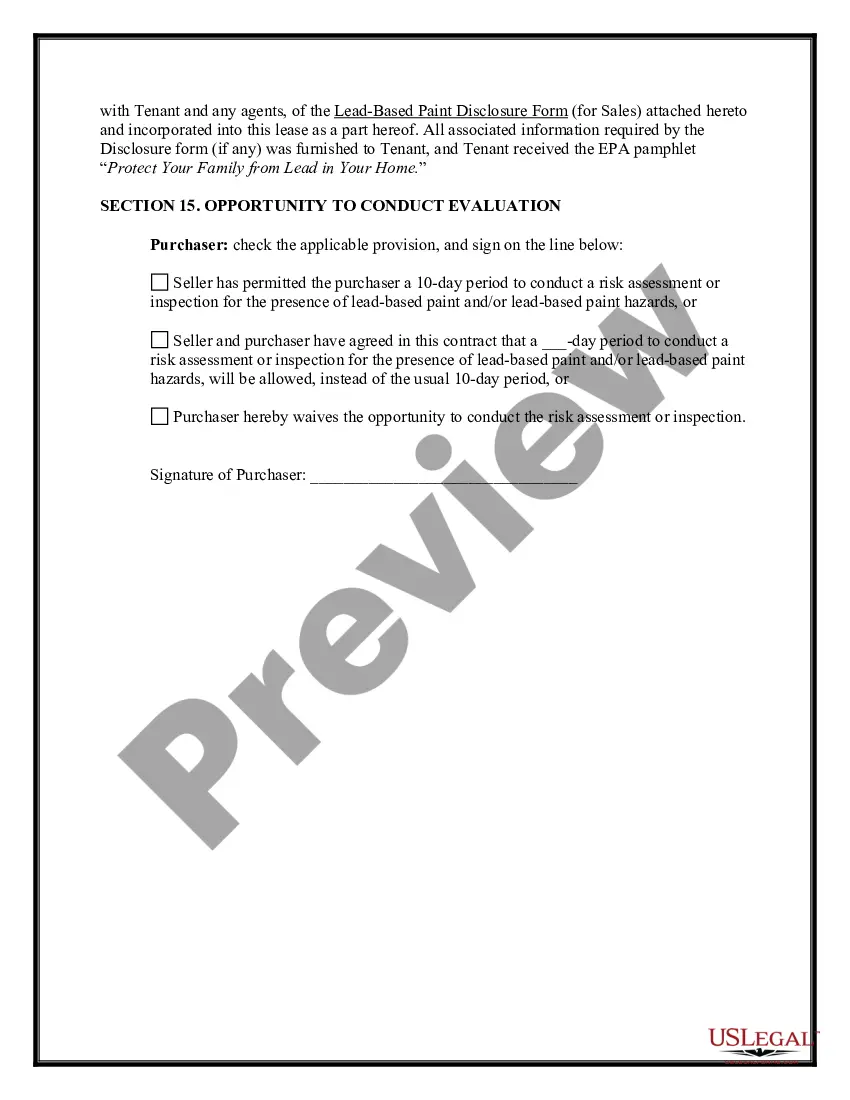
Get your form ready online
Our built-in tools help you complete, sign, share, and store your documents in one place.
Make edits, fill in missing information, and update formatting in US Legal Forms—just like you would in MS Word.
Download a copy, print it, send it by email, or mail it via USPS—whatever works best for your next step.
Sign and collect signatures with our SignNow integration. Send to multiple recipients, set reminders, and more. Go Premium to unlock E-Sign.
If this form requires notarization, complete it online through a secure video call—no need to meet a notary in person or wait for an appointment.
We protect your documents and personal data by following strict security and privacy standards.

Make edits, fill in missing information, and update formatting in US Legal Forms—just like you would in MS Word.

Download a copy, print it, send it by email, or mail it via USPS—whatever works best for your next step.

Sign and collect signatures with our SignNow integration. Send to multiple recipients, set reminders, and more. Go Premium to unlock E-Sign.

If this form requires notarization, complete it online through a secure video call—no need to meet a notary in person or wait for an appointment.

We protect your documents and personal data by following strict security and privacy standards.
Looking for another form?







Form popularity
FAQ
Sample Language 3 The Parties hereby acknowledge that while current events related to the current epidemic/pandemic are known, future impacts of the outbreak are unforeseeable and shall be considered a Force Majeure event to the extent that they prevent the performance of a Party's obligations under this Agreement.
In real estate, force majeure refers to a contractual clause that allows parties to suspend or terminate their obligations when certain events beyond their control occur, making performance inadvisable, commercially impracticable, illegal, or impossible.
The force majeure clause is a contract provision that relieves involved parties from performing their contract obligations if extreme circumstances or “major unforeseen events” outside of their control arise that would make performing these obligations impossible, inadvisable, or dangerous.
In California, a party seeking to invoke a force majeure clause has to show “that in spite of skill, diligence and good faith on his part, performance became impossible or unreasonably expensive.” Oosten v. Hay Haulers Dairy Employees & Helpers Union, 45 Cal.
If a contract is silent on force majeure or if the event does not meet the definition of force majeure under the parties' contract, a party's performance may still be excused in certain circumstances under the doctrine of commercial impracticability.
Either Party shall be excused from performance and shall not be in default in respect of any obligation hereunder to the extent that the failure to perform such obligation is due to a Natural Force Majeure Event.
The major difference in such cases is that, without a force majeure clause, the party that wants to be released from contract obligations has the burden of proof, which means that this party must prove their argument is correct. If the other contracting parties do not agree, this could lead to litigation.
What is a Force Majeure Clause? A force majeure (pronounced “forss ma-zhoor”) clause is a provision in a contract that allows one or both parties to excuse (or sometimes delay) their performance obligations if circumstances beyond their control arise. These circumstances are typically called “force majeure events.”
If a contract is silent on force majeure or if the event does not meet the definition of force majeure under the parties' contract, a party's performance may still be excused in certain circumstances under the doctrine of commercial impracticability.
For events to constitute the use of force majeure, they must be unforeseeable, external to contract parties, and unavoidable. Force majeure means “greater force” and is related to an act of God, an event for which no party can be held accountable.