Real Estate Clause In A Will In New York
Description

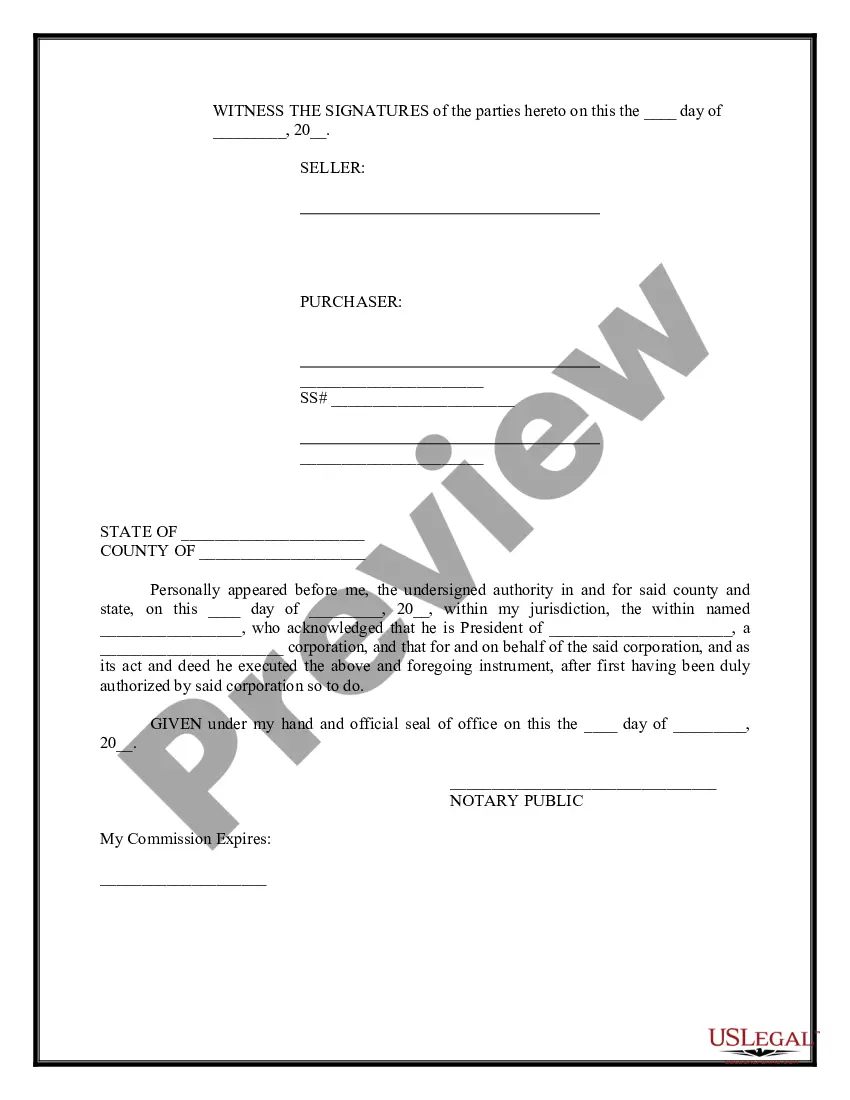
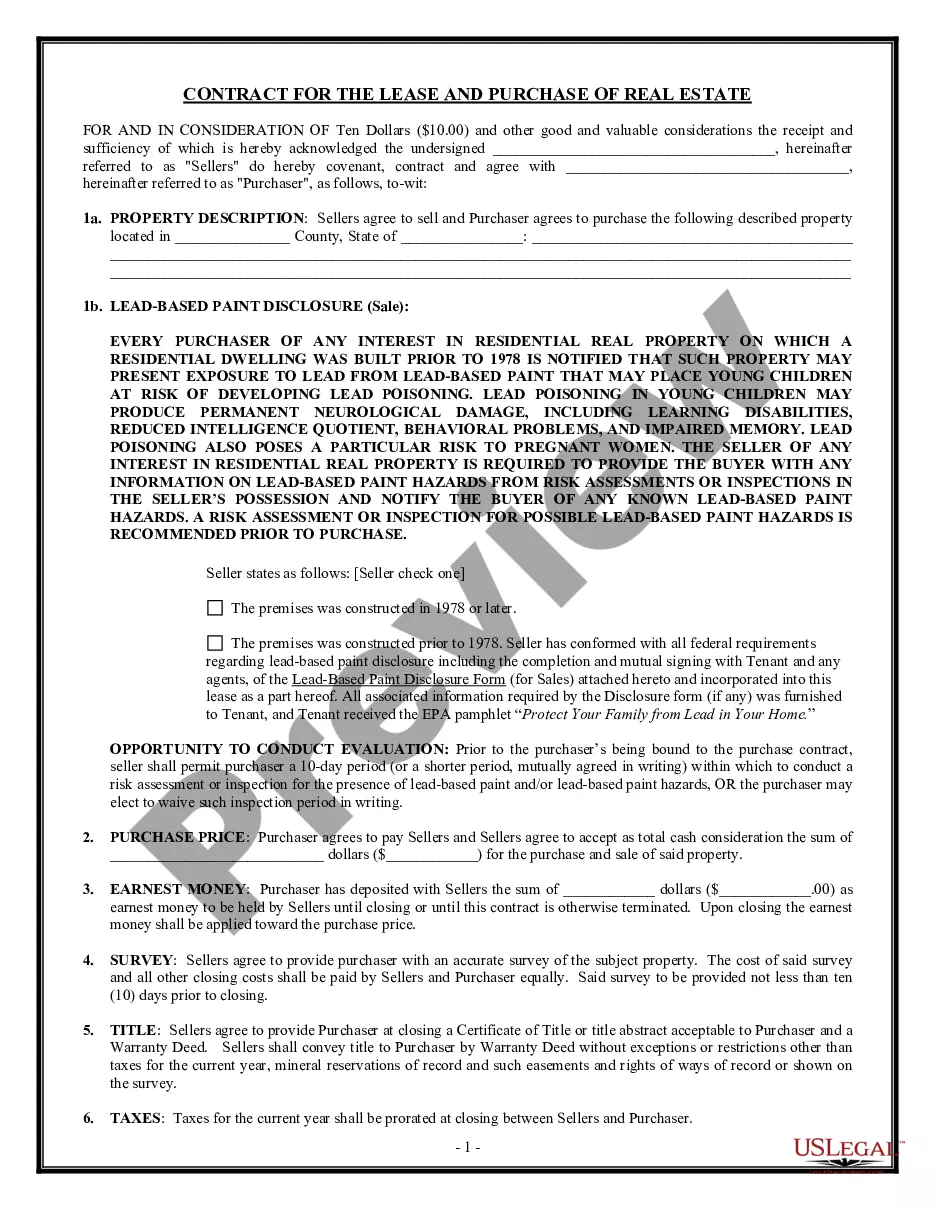
Get your form ready online
Our built-in tools help you complete, sign, share, and store your documents in one place.
Make edits, fill in missing information, and update formatting in US Legal Forms—just like you would in MS Word.
Download a copy, print it, send it by email, or mail it via USPS—whatever works best for your next step.
Sign and collect signatures with our SignNow integration. Send to multiple recipients, set reminders, and more. Go Premium to unlock E-Sign.
If this form requires notarization, complete it online through a secure video call—no need to meet a notary in person or wait for an appointment.
We protect your documents and personal data by following strict security and privacy standards.

Make edits, fill in missing information, and update formatting in US Legal Forms—just like you would in MS Word.

Download a copy, print it, send it by email, or mail it via USPS—whatever works best for your next step.

Sign and collect signatures with our SignNow integration. Send to multiple recipients, set reminders, and more. Go Premium to unlock E-Sign.

If this form requires notarization, complete it online through a secure video call—no need to meet a notary in person or wait for an appointment.

We protect your documents and personal data by following strict security and privacy standards.
Looking for another form?
Form popularity
FAQ
Your land, houses, buildings, fences, or trees—anything permanently attached to the land—are all considered real property.
In New York, several crucial elements must be in place for a will to be considered legally binding: Testamentary Capacity and Intent. Written Document. Signatures and Witnesses. Self-Proving Affidavit. Choice of Executor.
The bequest clause directs who receives specific property or assets and how it will be distributed. The residuary clause indicates how any remaining property or assets that are not specifically bequeathed to individuals will be distributed.
Top five mistakes when writing a Will Failing to have the Will witnessed correctly. All Wills need to be signed in the presence of two independent witnesses, who in turn must sign the document. Creating a DIY Will. Forgetting key assets. Not updating the Will after your circumstances change. Not writing one at all.
Appointment of Executor Clause. An appointment of executor clause names the executor, a key part of your will. Digital Assets Clause. In today's digital age, it's important to consider your digital assets when creating your will. Debt Clause & Tax-Appointment Clause. No-Contest Clause. Attestation Clause. Trust Provisions.
An in terrorem clause in a Will threatens that if a beneficiary challenges the Will, such beneficiary (and, typically, all of his or her descendants) will be treated as if he or she predeceased the testator, thereby disinheriting the beneficiary.
You do not have to use an attorney to prepare the codicil. You can use an online provider such as , or you can go to an office supply store and buy a template to use. You may hand write it yourself as well. The codicil must be executed in the same way as your original Will.
Creating a codicil to a Will is as simple as putting your updated wishes in writing. Do so by first reading through your current Will and making note of the changes you want made or the mistakes you want fixed.
Examples of Residuary Clause Wording “I give, devise, and bequeath all the rest, residue, and remainder of my estate, real and personal, of whatever nature and wherever situated, to Name of Beneficiary, if they survive me.
For example, a survivorship clause might state "A beneficiary must survive me by 30 days to receive any bequest under this will. If a beneficiary does not survive me by 30 days, their share shall pass as if they predeceased me."