Real Estate Clause In A Will In Michigan
Description

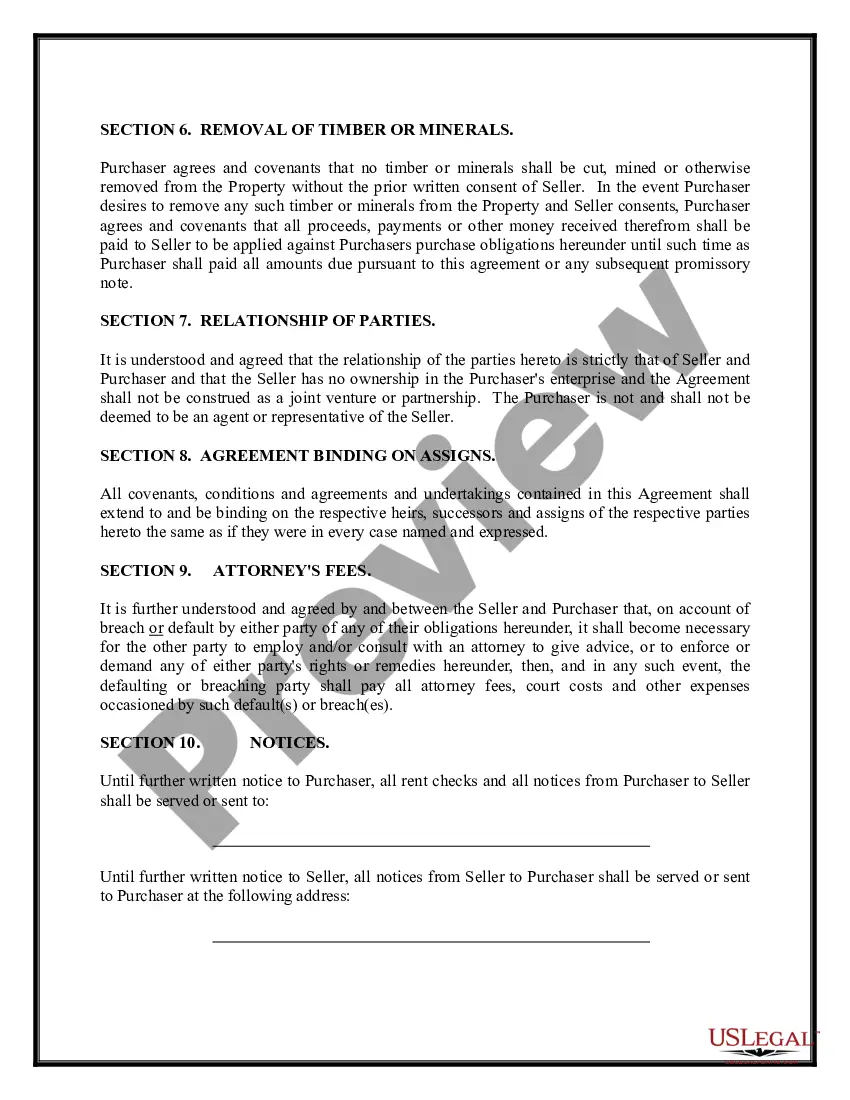
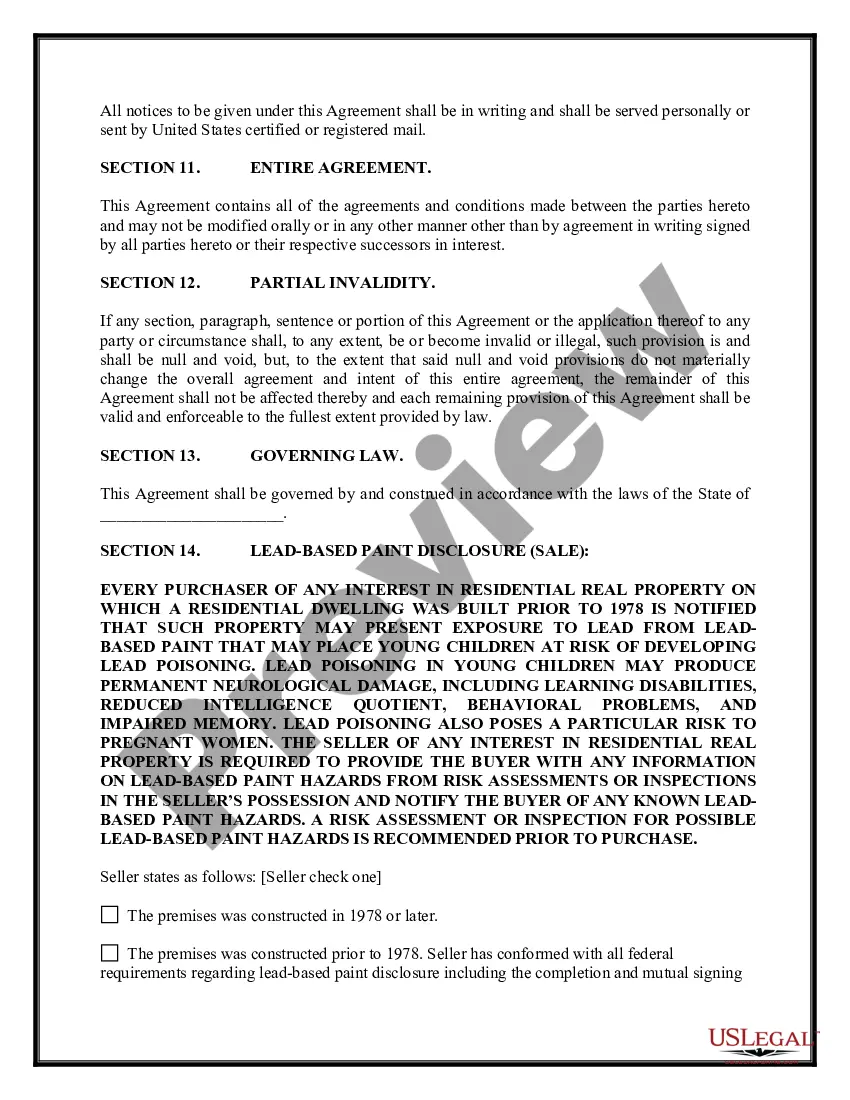
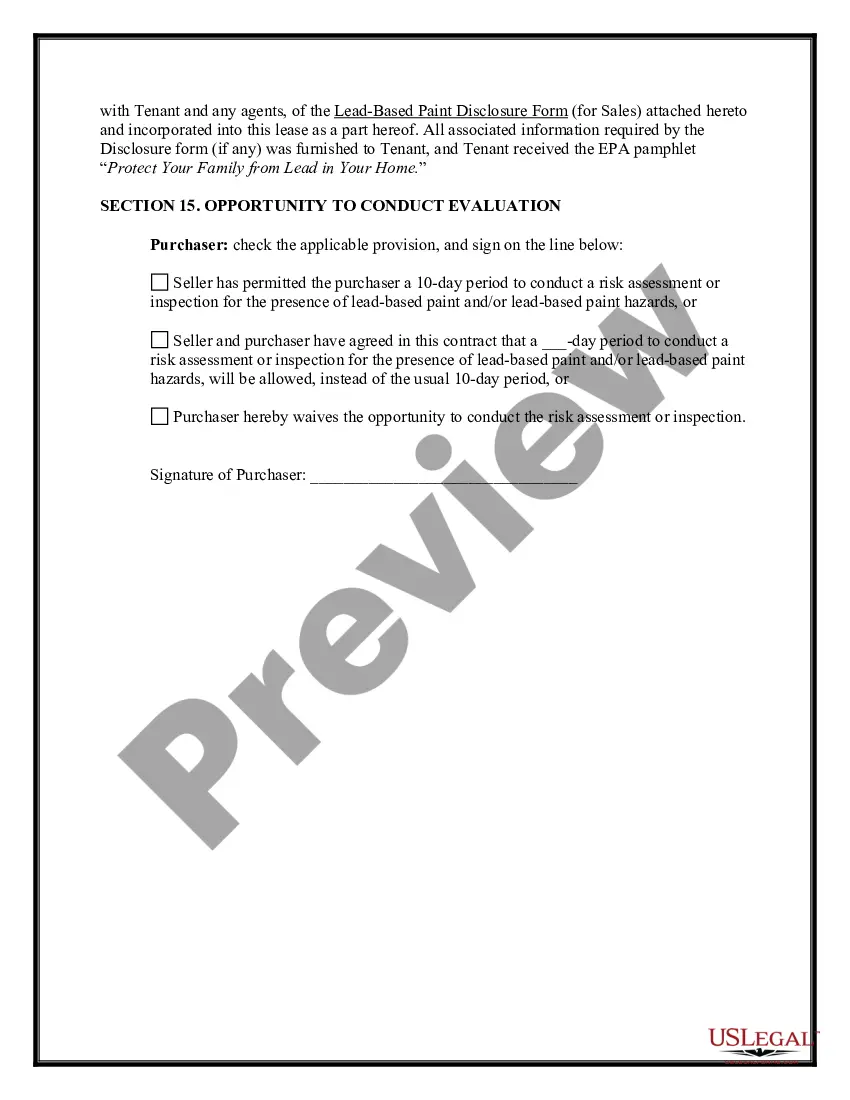
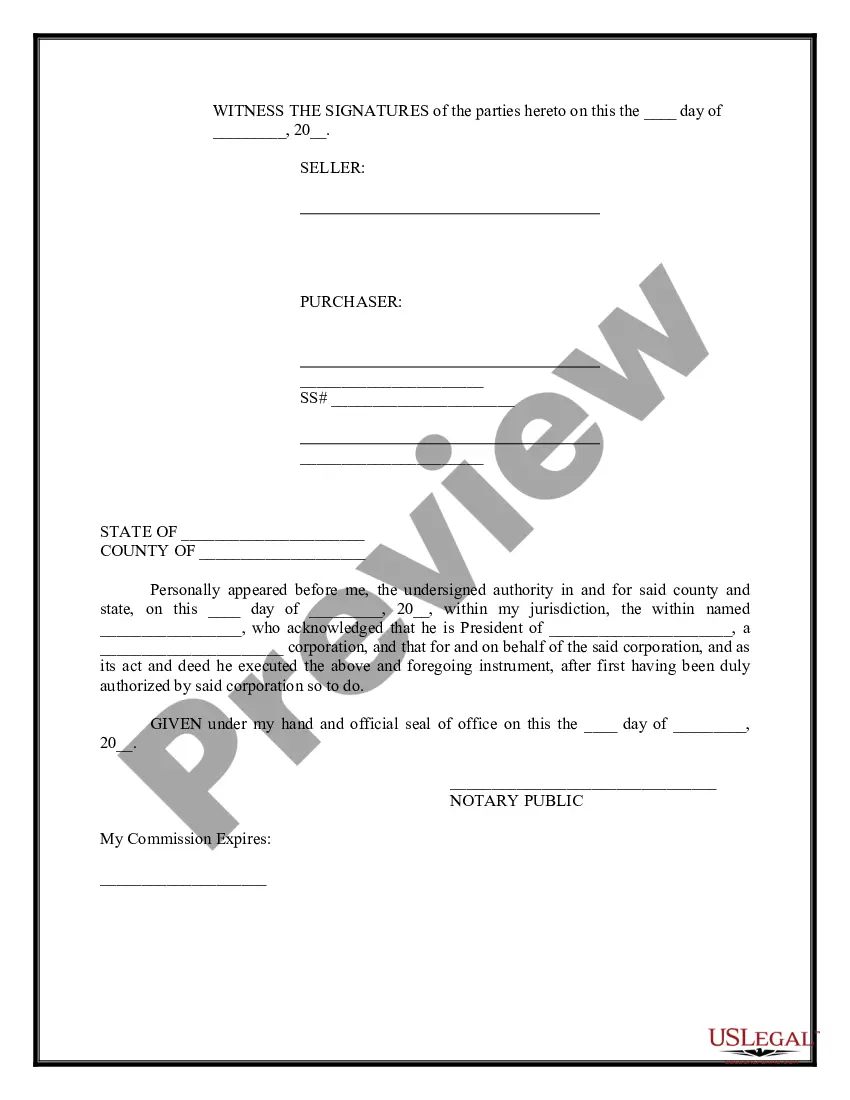
Get your form ready online
Our built-in tools help you complete, sign, share, and store your documents in one place.
Make edits, fill in missing information, and update formatting in US Legal Forms—just like you would in MS Word.
Download a copy, print it, send it by email, or mail it via USPS—whatever works best for your next step.
Sign and collect signatures with our SignNow integration. Send to multiple recipients, set reminders, and more. Go Premium to unlock E-Sign.
If this form requires notarization, complete it online through a secure video call—no need to meet a notary in person or wait for an appointment.
We protect your documents and personal data by following strict security and privacy standards.

Make edits, fill in missing information, and update formatting in US Legal Forms—just like you would in MS Word.

Download a copy, print it, send it by email, or mail it via USPS—whatever works best for your next step.

Sign and collect signatures with our SignNow integration. Send to multiple recipients, set reminders, and more. Go Premium to unlock E-Sign.

If this form requires notarization, complete it online through a secure video call—no need to meet a notary in person or wait for an appointment.

We protect your documents and personal data by following strict security and privacy standards.
Looking for another form?



Form popularity
FAQ
How to Transfer Property Using Transfer by Affidavit Step 1: Wait 28 days after the decedent has died. Step 2: Complete and sign the affidavit in front of a notary. Step 3: Make copies. Step 4: Decide how the property will be divided. Step 5: Transfer personal property. Step 6: Transfer any vehicles (if needed)
Assets usually don't need to go through Probate if the assets that are jointly owned, the assets have a beneficiary designation, or the assets are held in a Living Trust. A will can also help, especially if you are the sole owner of your assets.
How to Transfer Property Using Transfer by Affidavit Step 1: Wait 28 days after the decedent has died. Step 2: Complete and sign the affidavit in front of a notary. Step 3: Make copies. Step 4: Decide how the property will be divided. Step 5: Transfer personal property. Step 6: Transfer any vehicles (if needed)
When the owner of a house dies and there is a Will, the house will pass to the beneficiary named in the document. Once Probate court has validated the Will, the Executor can assist with transferring the property to the heir. This is typically the simplest way to transfer the home after an owner dies.
Timelines for transferring property after the owner's death vary by state and can range from a few months to over a year.
Appointment of Executor Clause. An appointment of executor clause names the executor, a key part of your will. Digital Assets Clause. In today's digital age, it's important to consider your digital assets when creating your will. Debt Clause & Tax-Appointment Clause. No-Contest Clause. Attestation Clause. Trust Provisions.
Spouses know the history of the property's title and know the title's legitimate. Quitclaim deeds transfer the entire property to the other spouse while removing the grantor's name from the deed, allowing the parties to sever their relationship. Transfer process is quick, easy, and avoids probate.
The bequest clause directs who receives specific property or assets and how it will be distributed. The residuary clause indicates how any remaining property or assets that are not specifically bequeathed to individuals will be distributed.
(g) That, if the estate is not settled within 1 year after the personal representative's appointment, within 28 days after the anniversary of the appointment, the personal representative must file with the court and send to each interested person a notice that the estate remains under administration and must specify ...
Although there is no specific deadline in Michigan to probate an estate, this does not mean that you should not act quickly to complete the process. Acting promptly avoids potential complications and helps ensure smooth completion of the Michigan probate process.