Arrendamiento Bienes For Rent In Michigan
Description

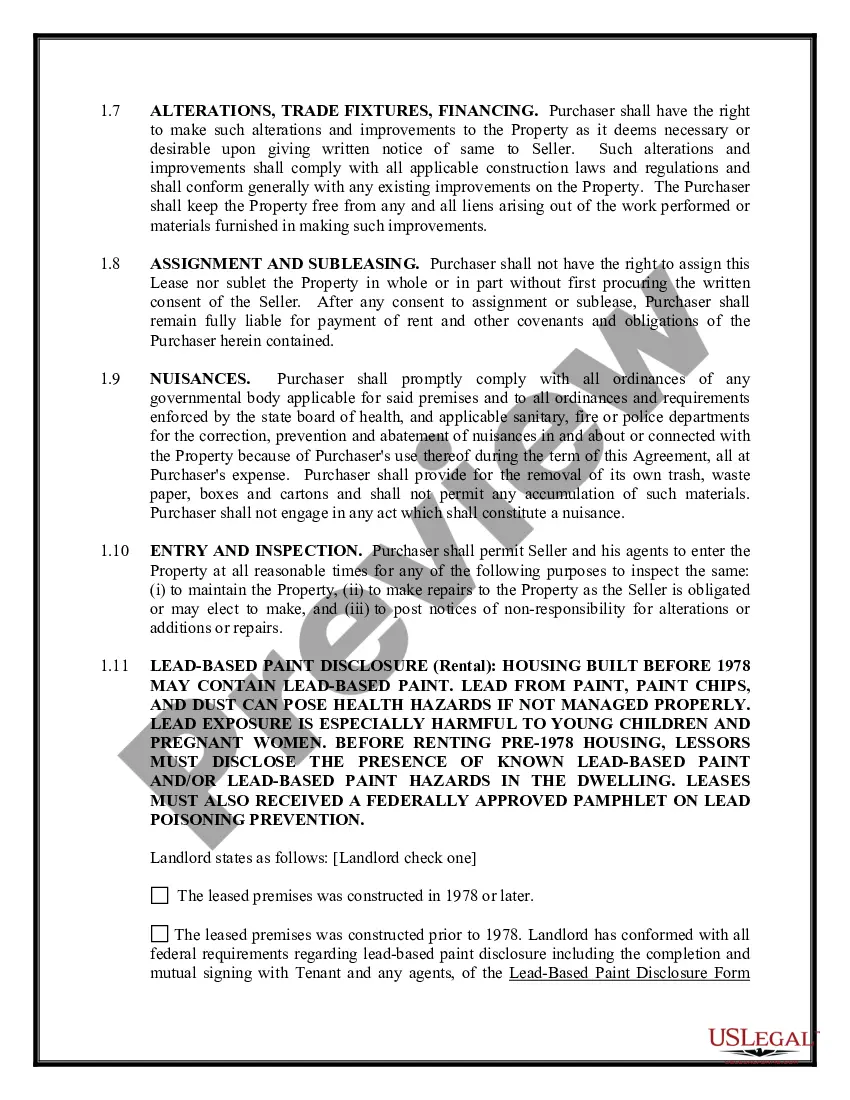
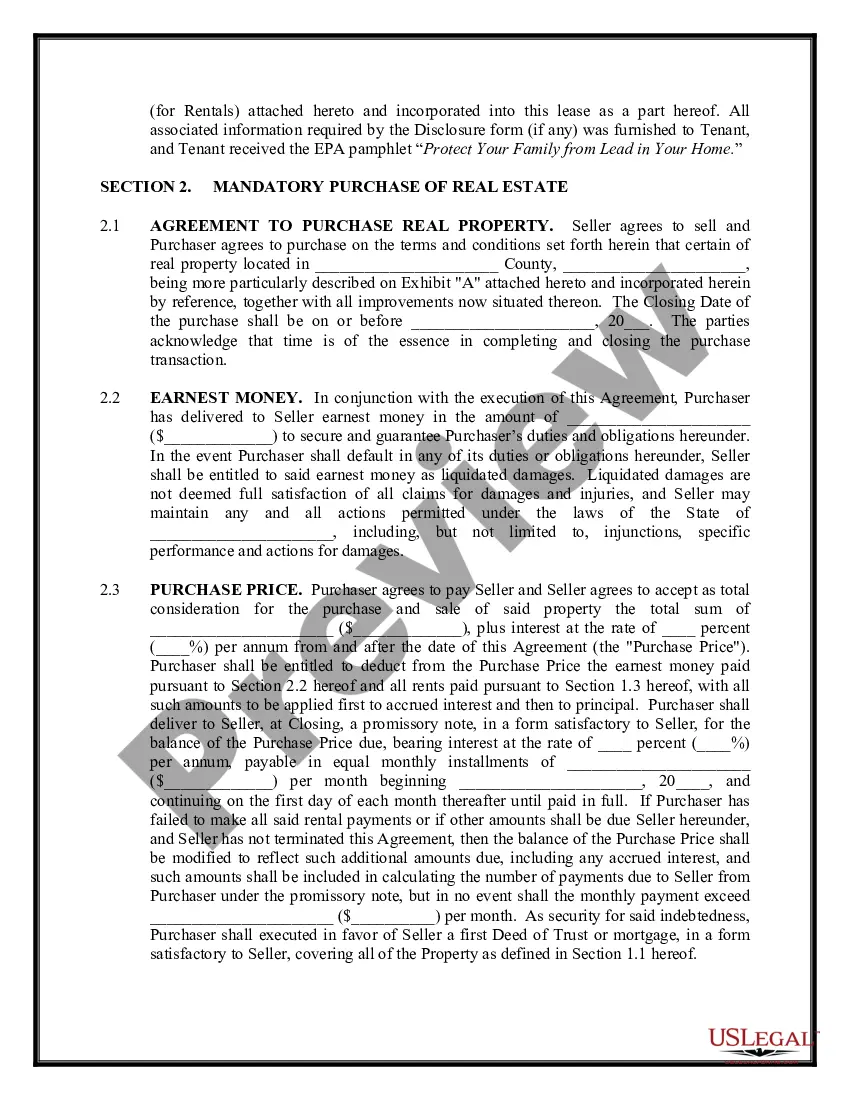
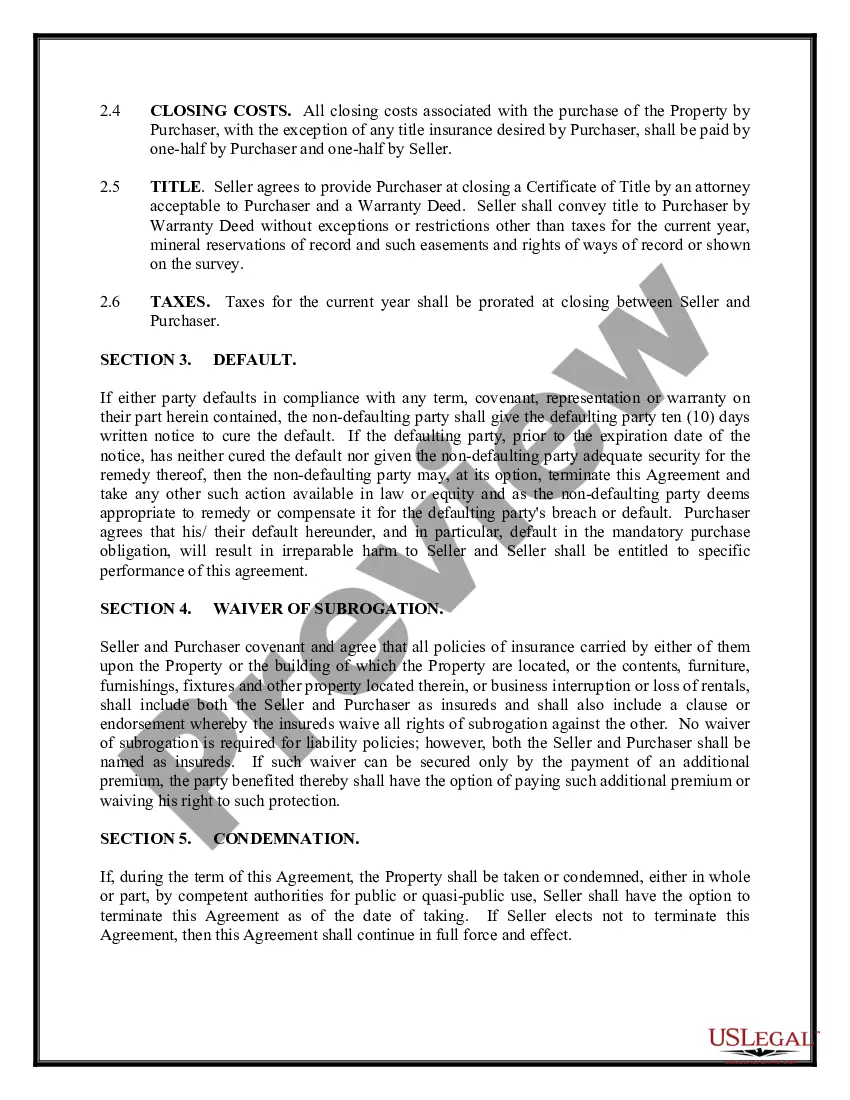
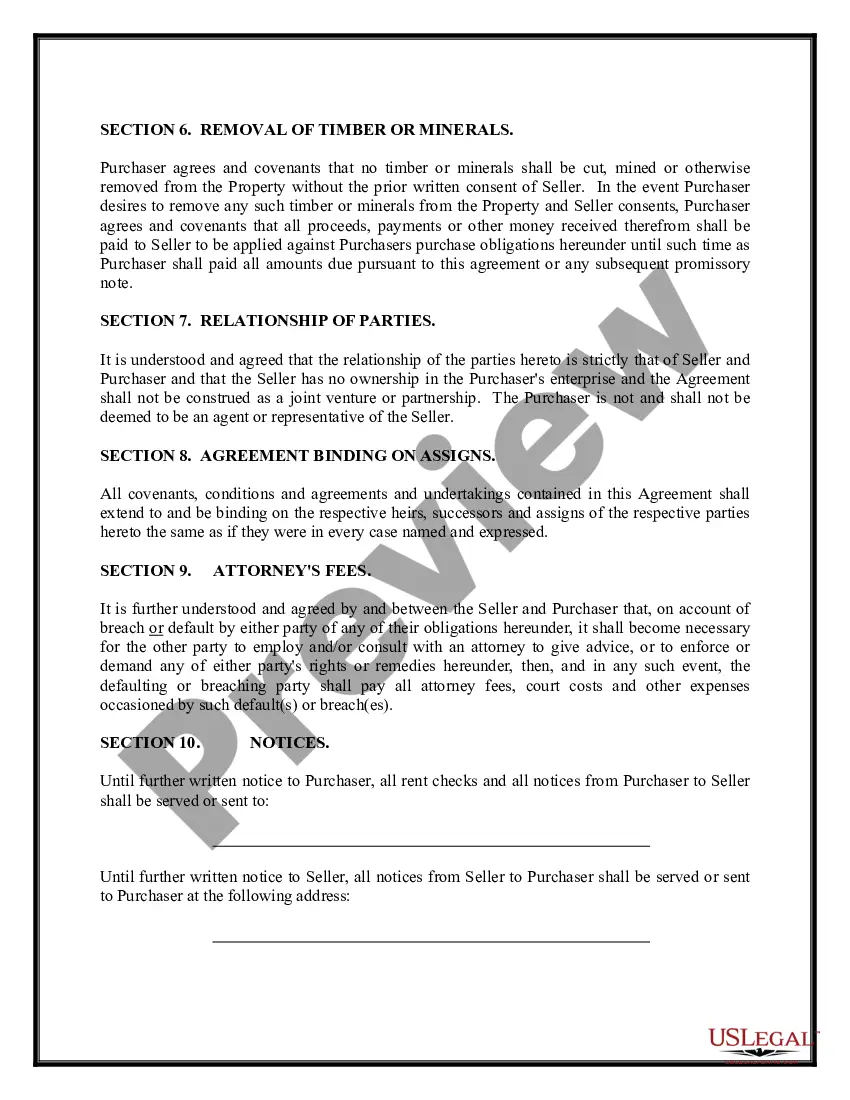
Get your form ready online
Our built-in tools help you complete, sign, share, and store your documents in one place.
Make edits, fill in missing information, and update formatting in US Legal Forms—just like you would in MS Word.
Download a copy, print it, send it by email, or mail it via USPS—whatever works best for your next step.
Sign and collect signatures with our SignNow integration. Send to multiple recipients, set reminders, and more. Go Premium to unlock E-Sign.
If this form requires notarization, complete it online through a secure video call—no need to meet a notary in person or wait for an appointment.
We protect your documents and personal data by following strict security and privacy standards.

Make edits, fill in missing information, and update formatting in US Legal Forms—just like you would in MS Word.

Download a copy, print it, send it by email, or mail it via USPS—whatever works best for your next step.

Sign and collect signatures with our SignNow integration. Send to multiple recipients, set reminders, and more. Go Premium to unlock E-Sign.

If this form requires notarization, complete it online through a secure video call—no need to meet a notary in person or wait for an appointment.

We protect your documents and personal data by following strict security and privacy standards.
Looking for another form?

Form popularity
FAQ
Well, is legal; providing you have the right to do so, and it is spelled out in the lease/rental agreement with your Landlord. The lease/rental agreement will usually spell out, whether or not, you can sub-let the property.
How to find private landlords Online platforms: Locally-based resources like Facebook Marketplace and neighborhood Facebook groups are great places to start your search. Rental sites: Listing sites such as Trulia, Zillow, Craigslist, HotPads, and ByOwner all help you find available houses or apartments.
To legally operate as a landlord in Michigan, you must apply for a rental license with LARA and obtain a landlord certificate from the local county clerk's office. This certification process ensures that you meet the state requirements and are qualified to manage rental properties within Michigan.
There are two common property management licenses that landlords will need before they can legally rent a property: Certificate of Occupancy – Local building or zoning regulatory authorities issue Certificates of Occupancy stating that a property is built and maintained to accommodate occupants.
Landlords in Michigan can raise the rent whenever it aligns with the lease agreement, typically at the end of a lease term. However, they must provide reasonable notice to the tenant. This ensures tenants have time to adjust or negotiate.
What must I do as a landlord? Owners of rental property must register their property with BSEED and obtain a rental registration certificate. The registration certificate must be posted on the property premises or made available upon request.
If you own an occupied home in the City which you do not live in, you are a landlord as defined by the Municipal Code and you are required to obtain a landlord license from the City even if you do not collect rent.
How to Create a Landlord Verification Form Address the landlord. Include the tenant's details. State the tenant's consent. Inquire about rental history. Certify Answers: Include a statement at the bottom for the landlord to sign, certifying the accuracy of their responses to each question.
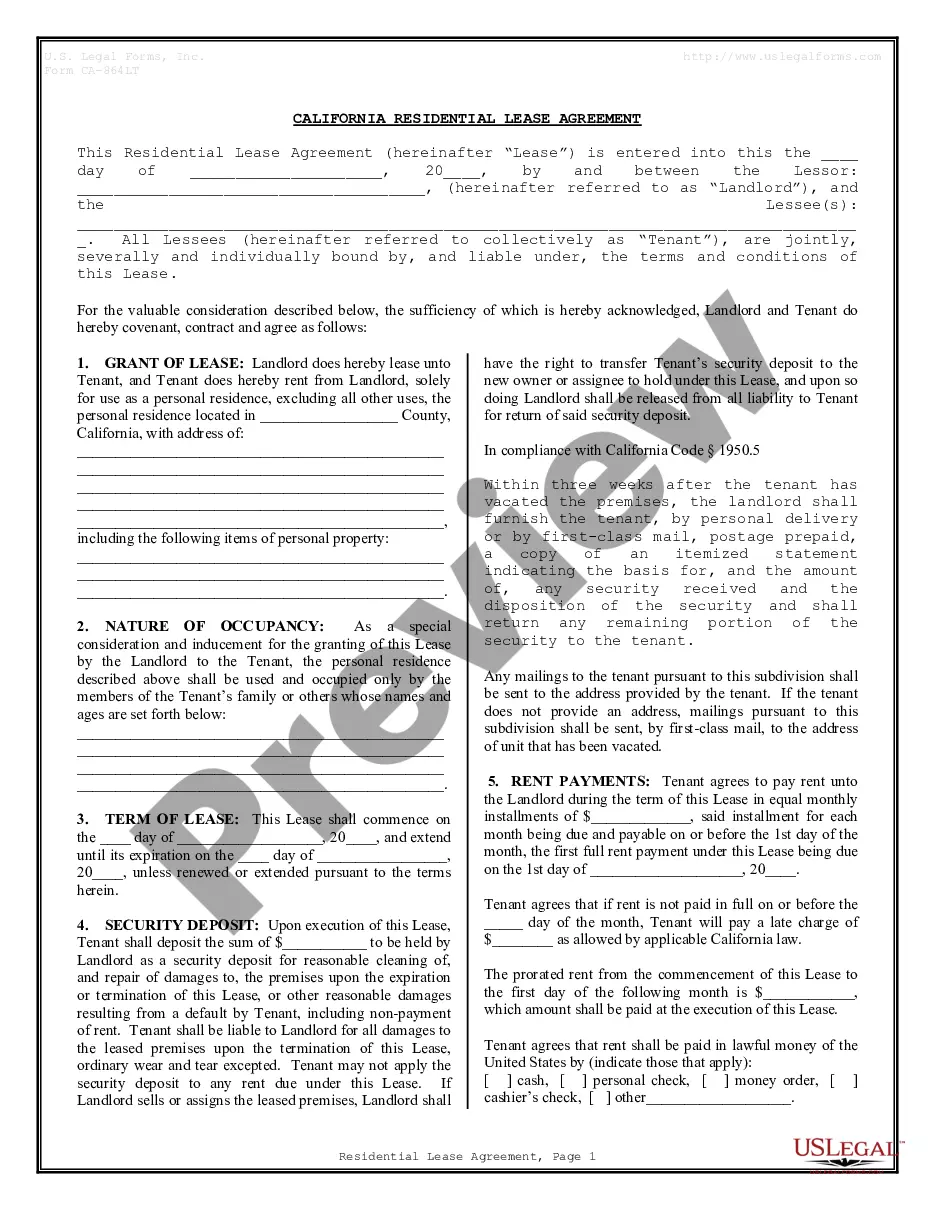
What to include in an apartment lease agreement. Tenant information. Include each tenant's full name and contact information. Rental property description. List the apartment's location, all common areas, parking spaces, and included facilities. Security deposit. Monthly rent amount. Utilities. Lease term. Policies. Late fees.
How do I fill out a Proof of Rent Certificate? Name of Recipient. Enter the name of the person receiving this certificate that is a tenant in the rental unit. Rental Unit Location. Enter the address information of the unit being rented by the tenant. Period of Lease. Given and Proven by the Landlord. Signature.