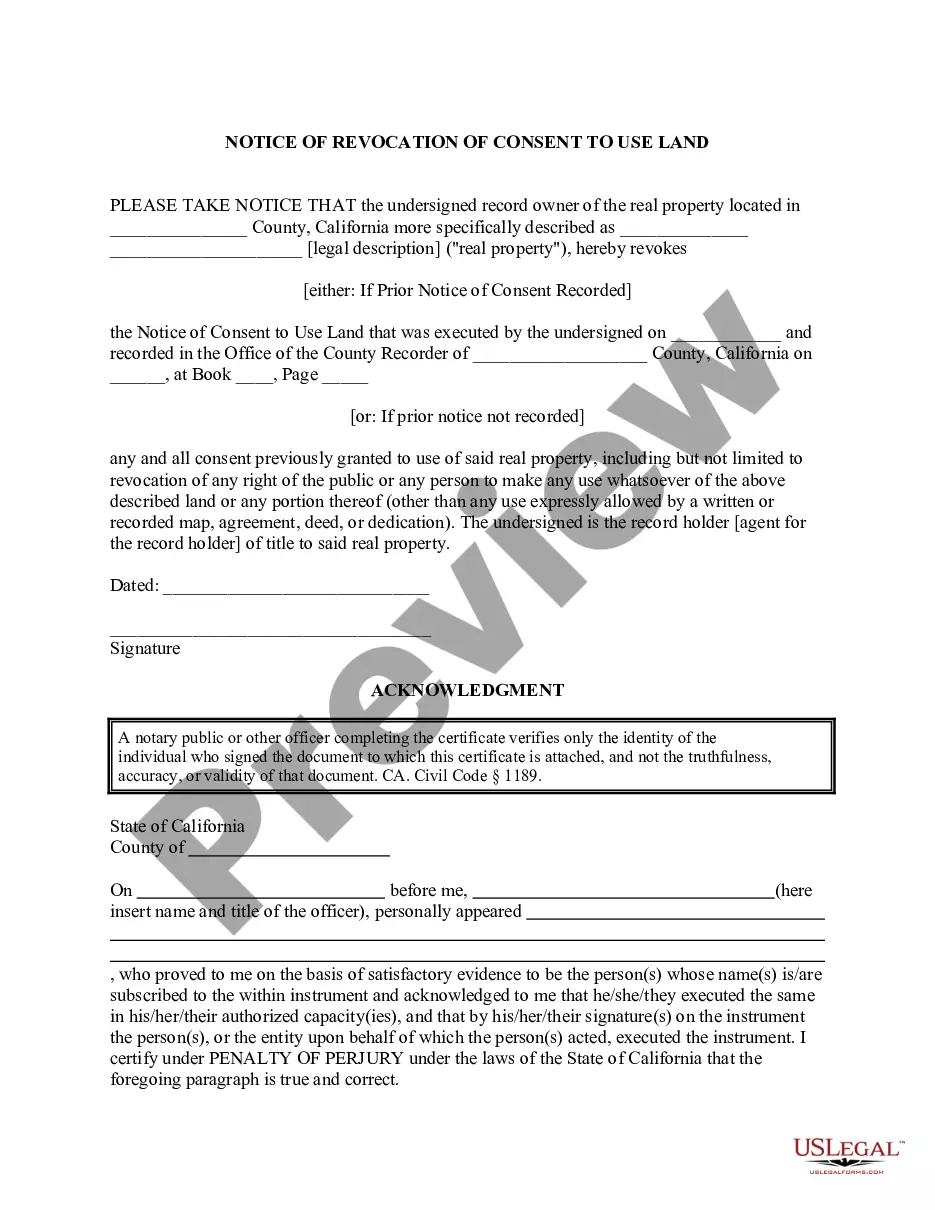
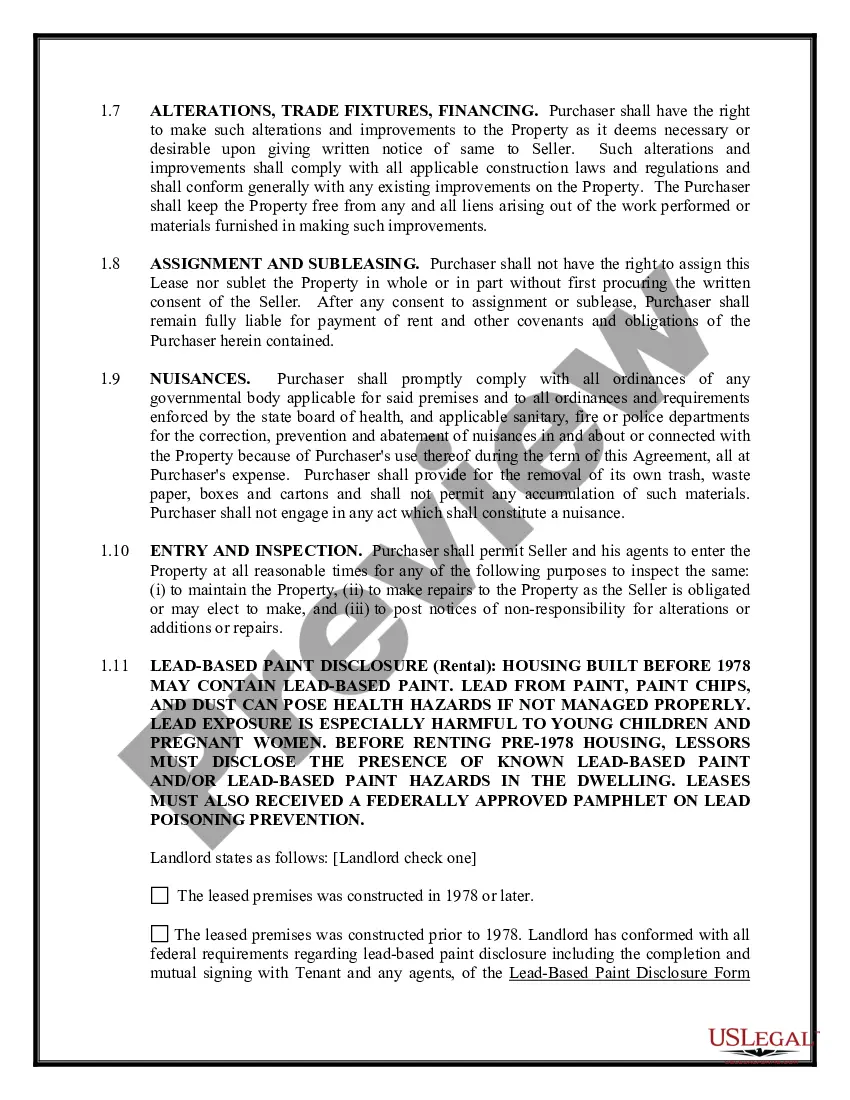
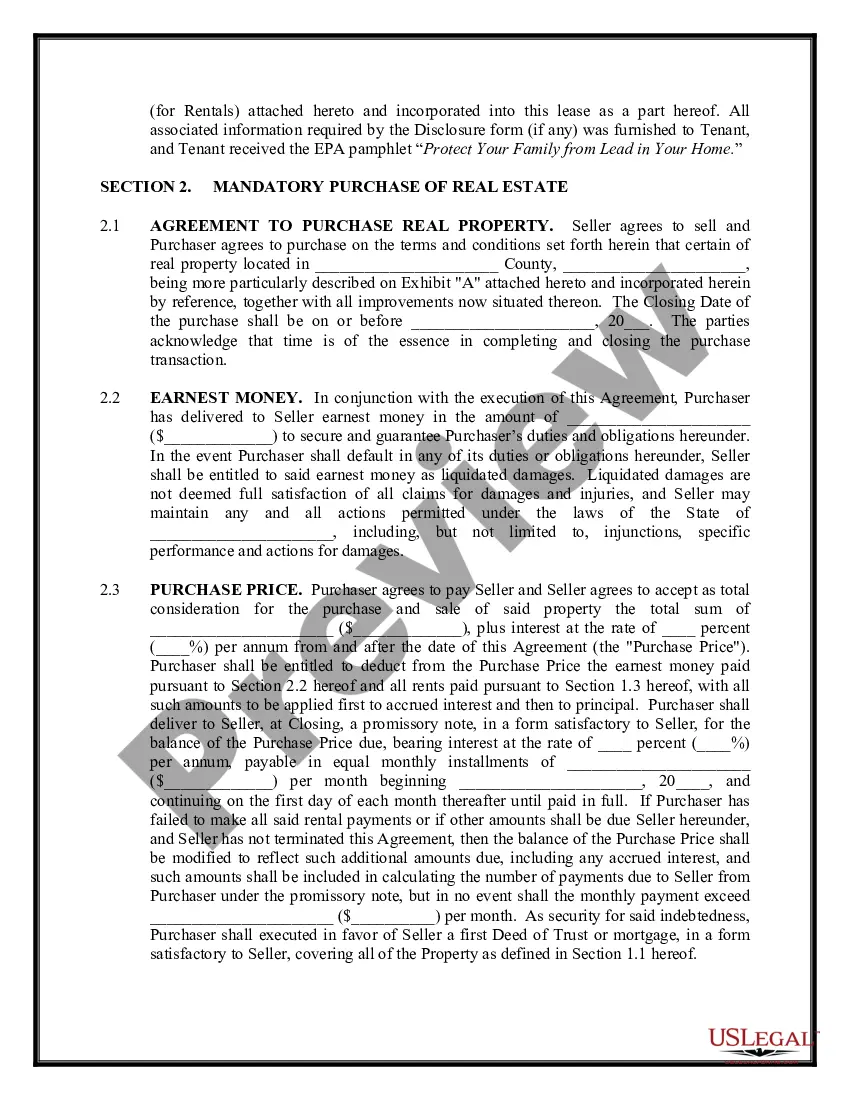
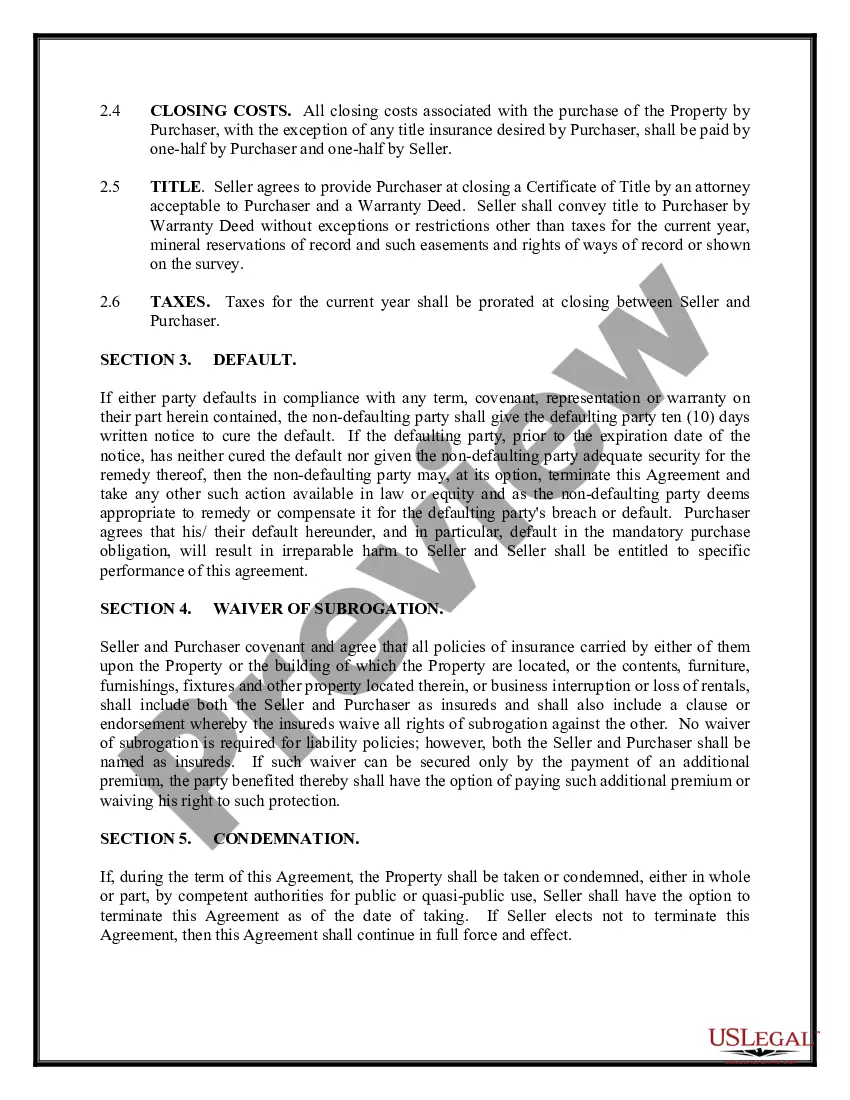
Arrendamiento Bienes For Rent In Franklin
Description

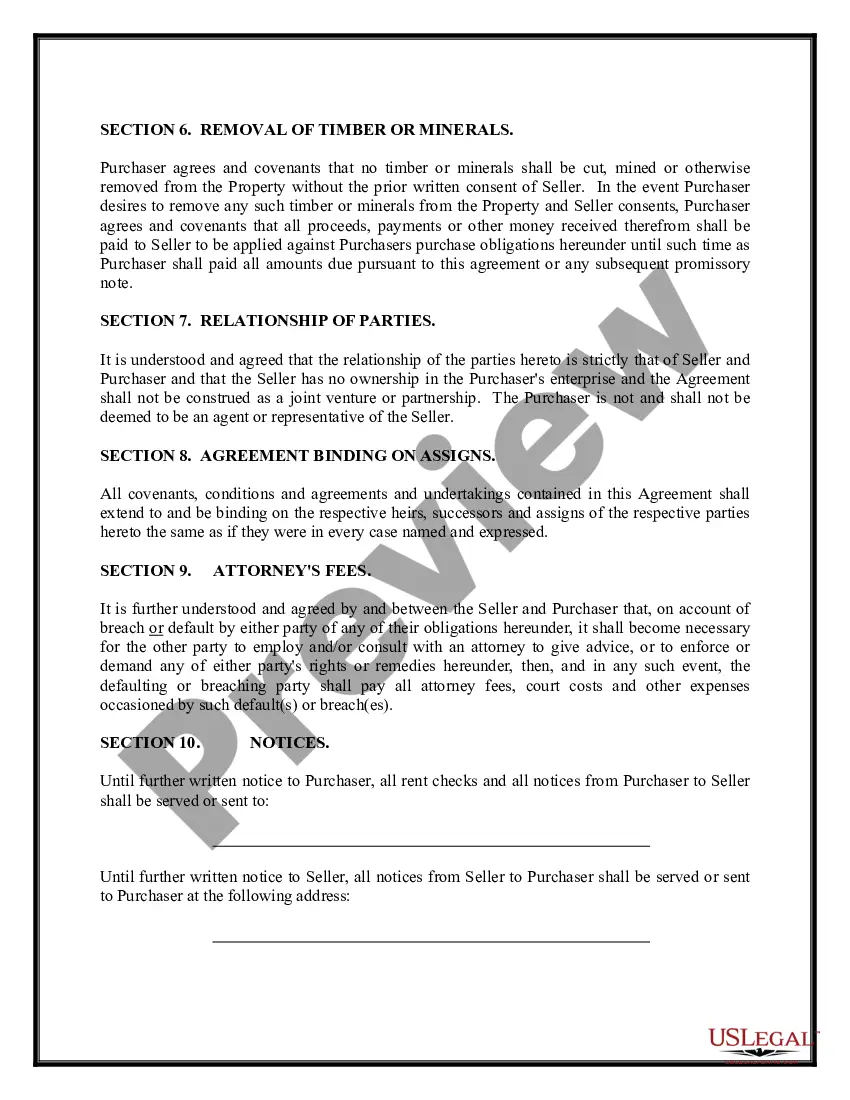
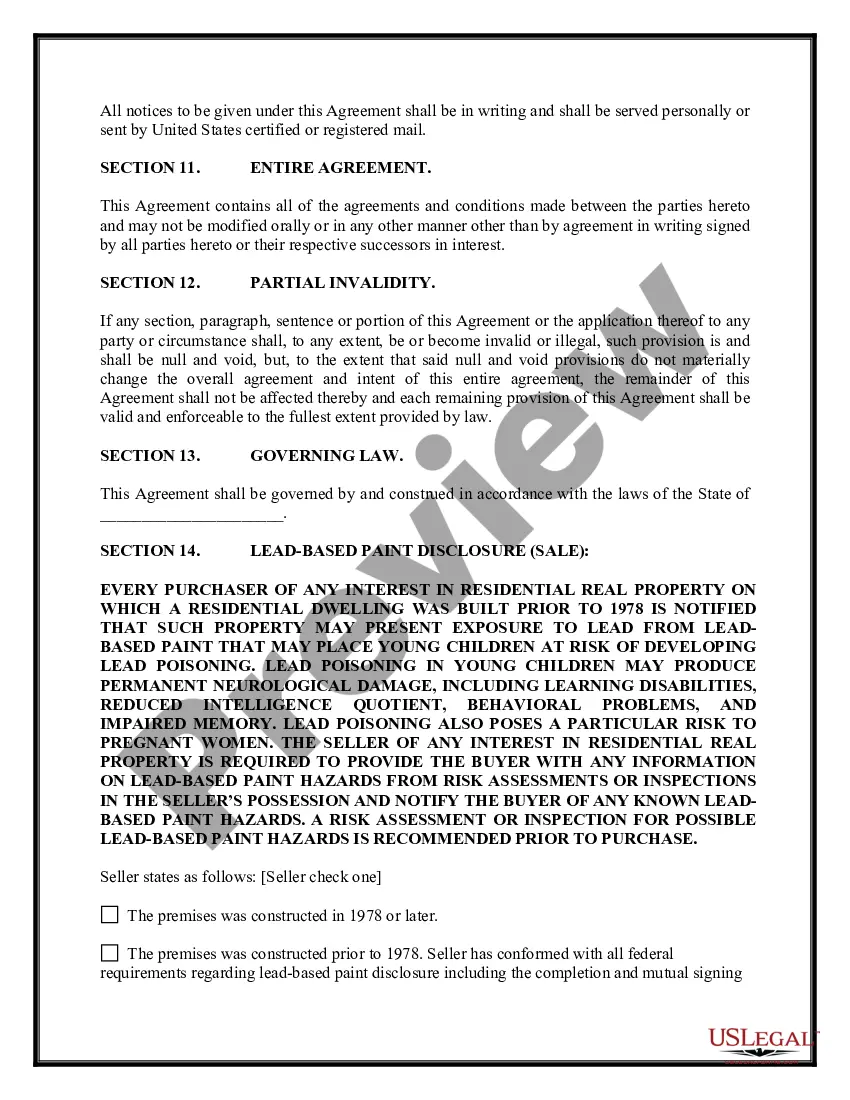
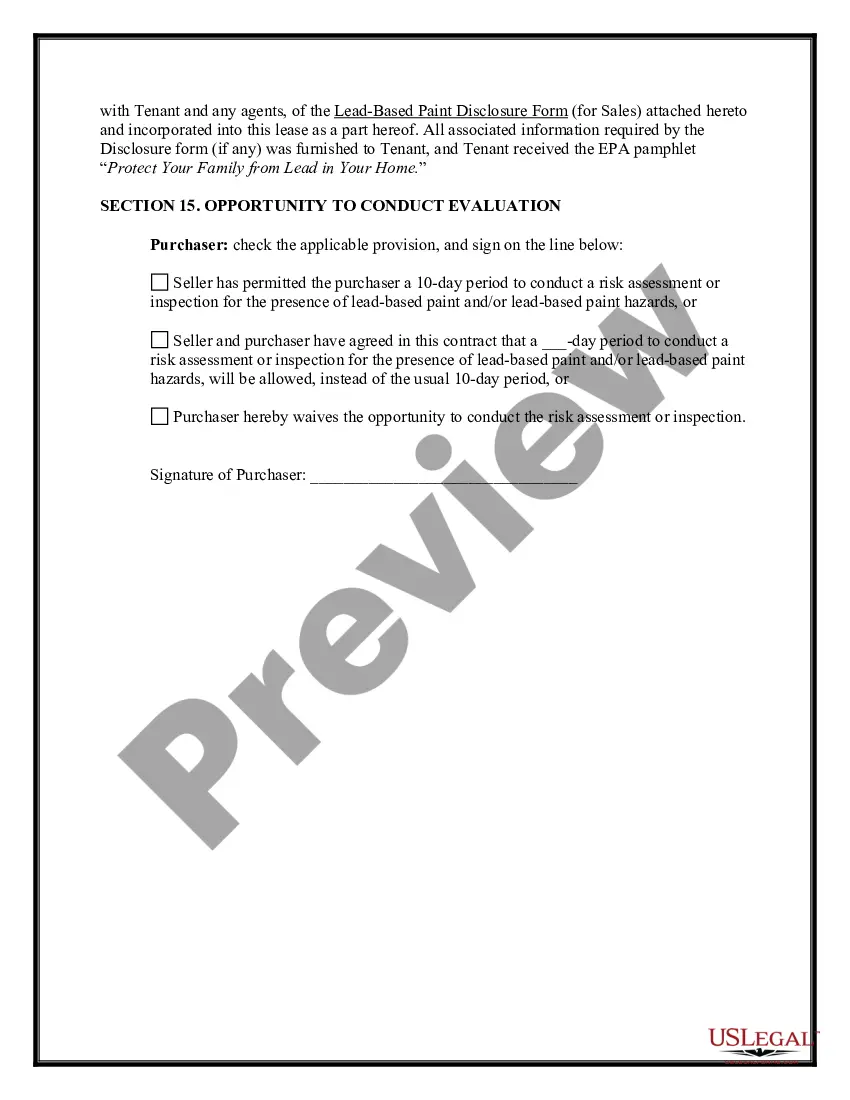
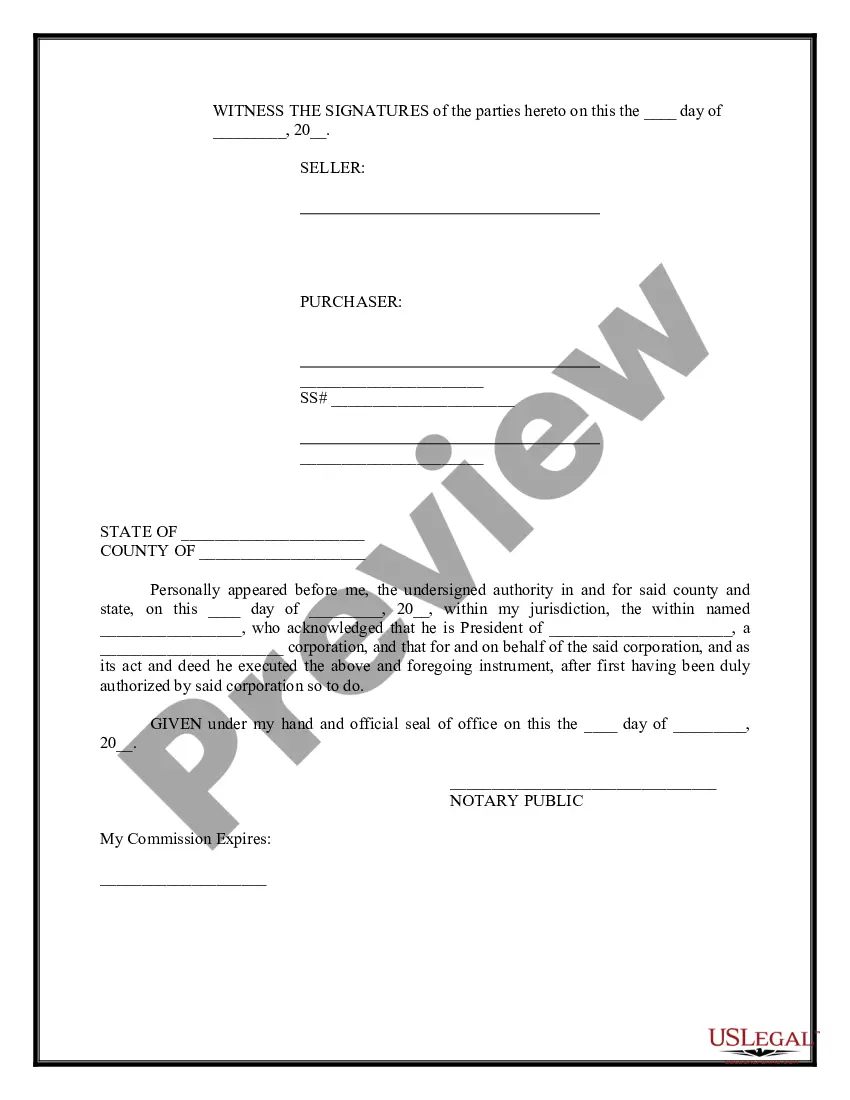
Get your form ready online
Our built-in tools help you complete, sign, share, and store your documents in one place.
Make edits, fill in missing information, and update formatting in US Legal Forms—just like you would in MS Word.
Download a copy, print it, send it by email, or mail it via USPS—whatever works best for your next step.
Sign and collect signatures with our SignNow integration. Send to multiple recipients, set reminders, and more. Go Premium to unlock E-Sign.
If this form requires notarization, complete it online through a secure video call—no need to meet a notary in person or wait for an appointment.
We protect your documents and personal data by following strict security and privacy standards.

Make edits, fill in missing information, and update formatting in US Legal Forms—just like you would in MS Word.

Download a copy, print it, send it by email, or mail it via USPS—whatever works best for your next step.

Sign and collect signatures with our SignNow integration. Send to multiple recipients, set reminders, and more. Go Premium to unlock E-Sign.

If this form requires notarization, complete it online through a secure video call—no need to meet a notary in person or wait for an appointment.

We protect your documents and personal data by following strict security and privacy standards.
Looking for another form?






Form popularity
FAQ
What to include in an apartment lease agreement. Tenant information. Include each tenant's full name and contact information. Rental property description. List the apartment's location, all common areas, parking spaces, and included facilities. Security deposit. Monthly rent amount. Utilities. Lease term. Policies. Late fees.
It is possible to draft your own lease agreement, but you are leaving yourself open to issues.
Here's a list of standard fields that you should include in your lease agreement: Tenant information. Include each tenant's full name and contact information. Rental property description. Security deposit. Monthly rent amount. Utilities. Lease term. Policies. Late fees.
A residential lease is a contract between a landlord and a tenant - or a lessor and a lessee. It will outline and detail the terms under which the tenant can occupy the landlord's property.
There is no direct restriction on renting an apartment in NYC related to employment. NYC has pretty comprehensive regulations and laws about discrimination of all kinds. However, you will have to prove to the landlord you will be a good tenant.
Using our example, that would be about $1,000 per month on an annual salary of $35,000. We recommend staying in the 25% to 30% range to get the best of both worlds: affordability and a good number of features.
You will need to show an income of at least 40-50 times the monthly rent. You must show a secure and stable employment history. You must have a social security number. If you do not have a social security number or are not in the process of applying for one you must have a guarantor co-signing your lease.
Ways to Find an Apartment Real Estate Apps and Websites. There is an ever-increasing and changing set of websites and smartphone apps to help New Yorkers find a place to rent or buy. Brokers. Word-of-Mouth. Classified Ads. Walking Around. Housing Office. Finding a Vacant Apartment in Same Building. NYCHA.
If you rent real estate such as buildings, rooms or apartments, you normally report your rental income and expenses on Form 1040 or 1040-SR, Schedule E, Part I. List your total income, expenses, and depreciation for each rental property on the appropriate line of Schedule E. See the Instructions for Form 4562 to figure ...
5 Steps to Leasing a Commercial Property Step 1: Assess your business. Step 2: Search for properties that meet your needs and budget. Step 3: Set up Showings. Step 4: Negotiate the Letter of Intent (LOI) or Lease Proposal. Step 5: Executing a Lease.