Arrendamiento Bienes Without In Florida
Description

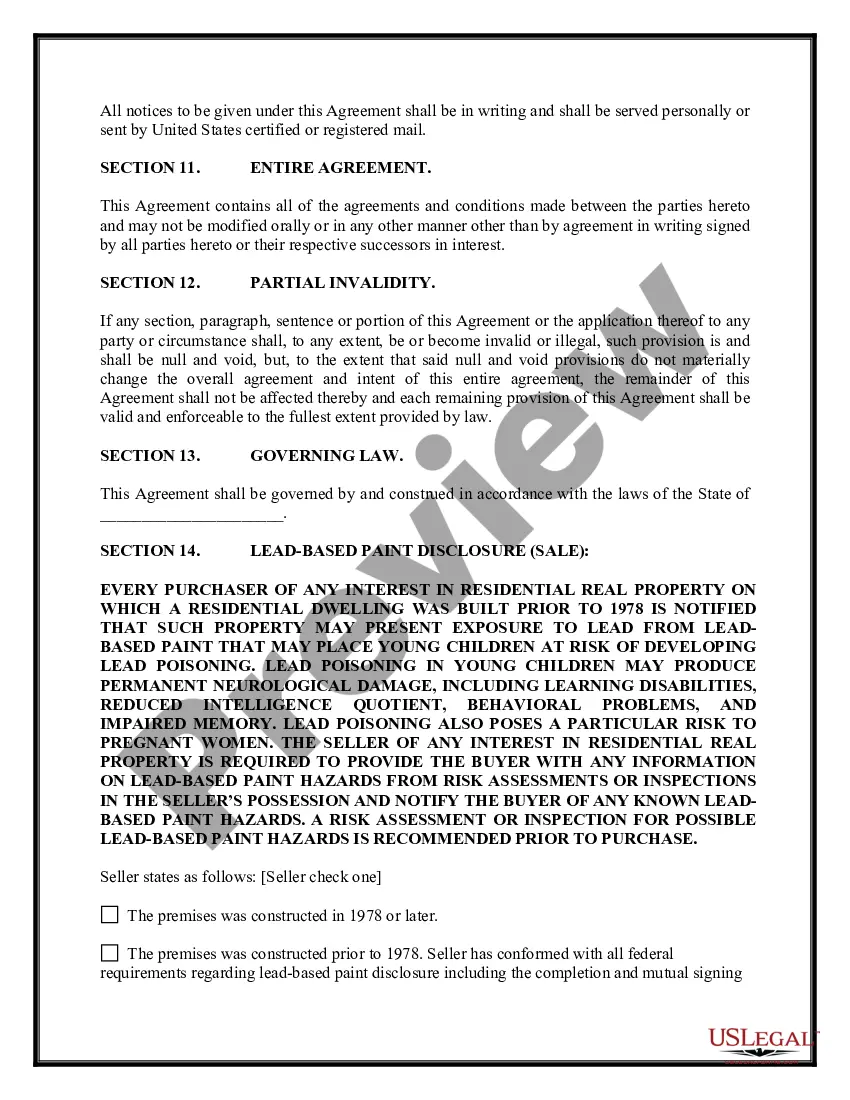
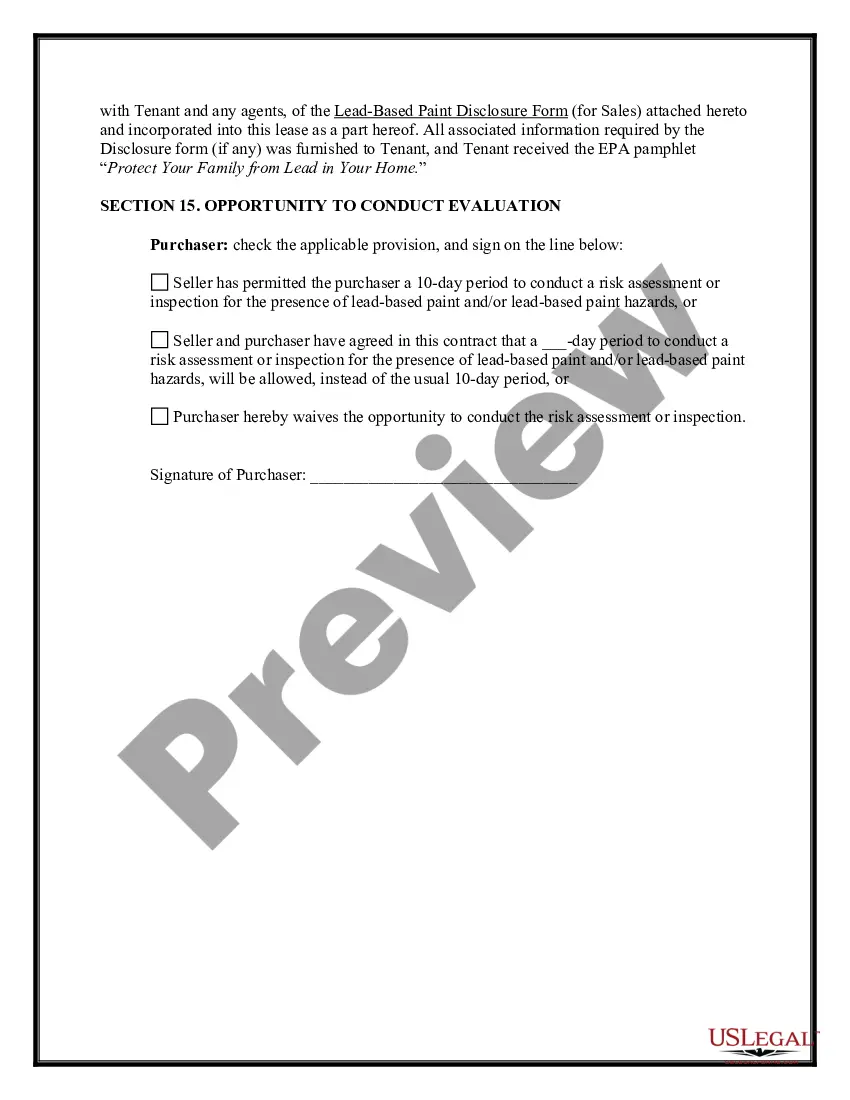
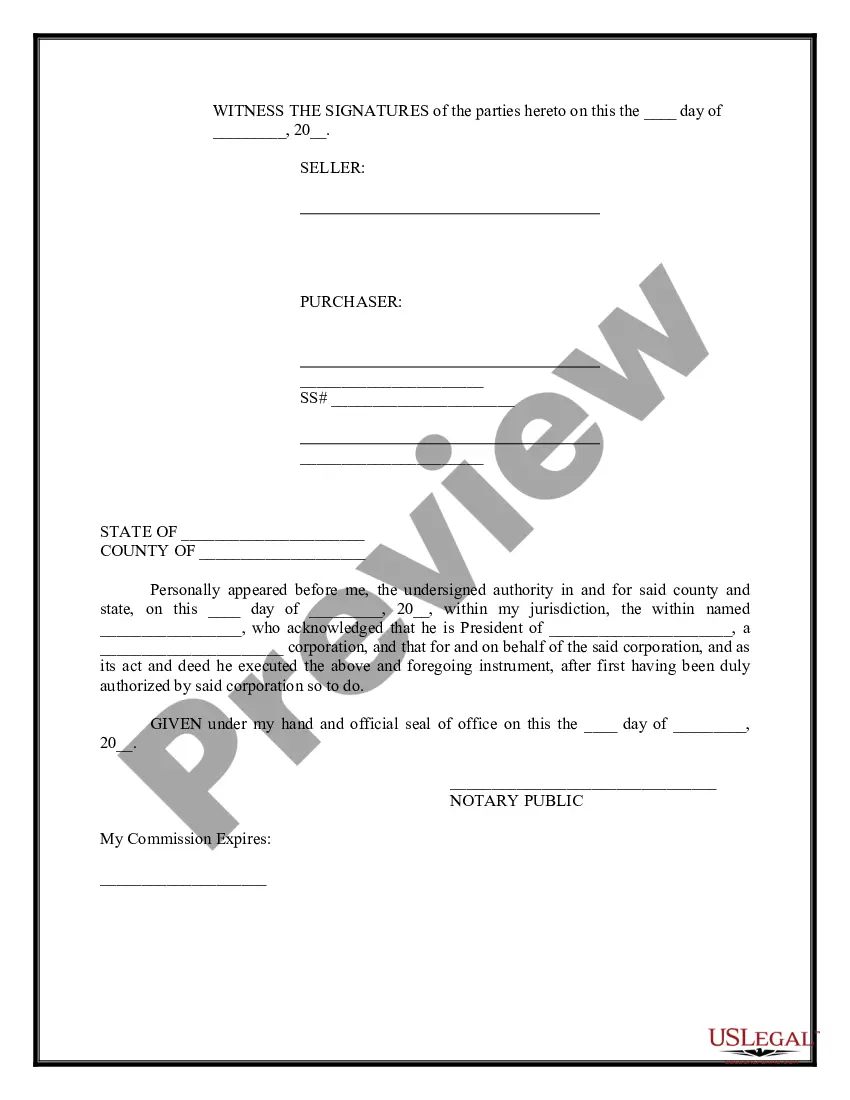
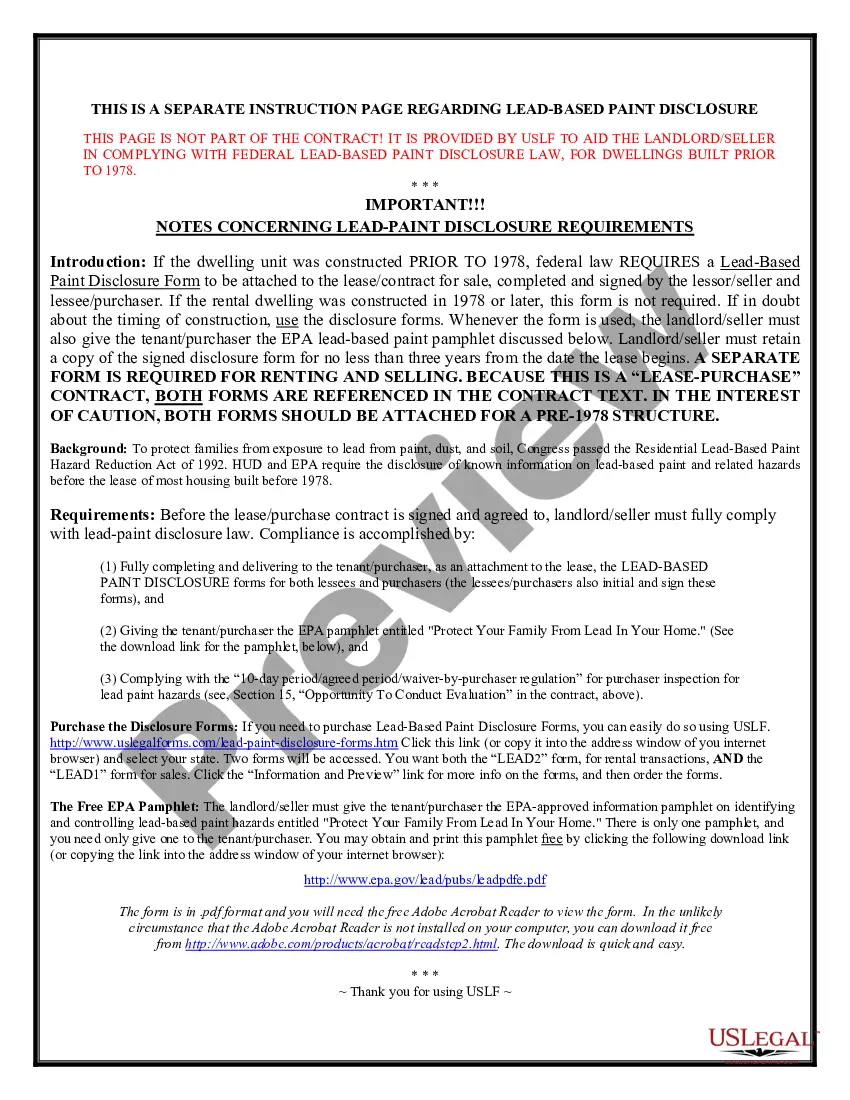
Get your form ready online
Our built-in tools help you complete, sign, share, and store your documents in one place.
Make edits, fill in missing information, and update formatting in US Legal Forms—just like you would in MS Word.
Download a copy, print it, send it by email, or mail it via USPS—whatever works best for your next step.
Sign and collect signatures with our SignNow integration. Send to multiple recipients, set reminders, and more. Go Premium to unlock E-Sign.
If this form requires notarization, complete it online through a secure video call—no need to meet a notary in person or wait for an appointment.
We protect your documents and personal data by following strict security and privacy standards.

Make edits, fill in missing information, and update formatting in US Legal Forms—just like you would in MS Word.

Download a copy, print it, send it by email, or mail it via USPS—whatever works best for your next step.

Sign and collect signatures with our SignNow integration. Send to multiple recipients, set reminders, and more. Go Premium to unlock E-Sign.

If this form requires notarization, complete it online through a secure video call—no need to meet a notary in person or wait for an appointment.

We protect your documents and personal data by following strict security and privacy standards.
Looking for another form?










Form popularity
FAQ
Given the stakes, it's common for property owners to consider whether they can draft this document themselves. While it is legally possible to write your own commercial lease agreement in Florida, doing so involves careful consideration of legal, business, and practical factors.
How to fill out the Florida Residential Lease Agreement Instructions? Gather information for both the landlord and tenant. Fill in the property details including address and type. Indicate lease type and terms that suit both parties. Complete financial sections like rent and deposits.
Licensing Requirements You must have a valid Social Security number, but you do not have to be a US citizen or a Florida resident to apply for licensure. You must complete and pass an accredited, 63-hour, pre-licensure course for real estate sale associates.
Here's a list of standard fields that you should include in your lease agreement: Tenant information. Include each tenant's full name and contact information. Rental property description. Security deposit. Monthly rent amount. Utilities. Lease term. Policies. Late fees.
Formal Administration: This main probate process will definitely need an attorney. The process is described in greater detail below. Summary Administration: The family will likely need an attorney due to the complexity. Disposition without Administration: This process is designed to operate without probate.
One purpose of the notice of entry is to safeguard a tenant's right to privacy. If the landlord enters unannounced, they may be physically invading a tenant's private area. A tenant can sue the landlord for invasion of privacy or harassment if they go through their things without permission.
If evicting a tenant who has no lease or is on a month-to-month lease, you must provide them a 15-Day Notice to Vacate. This will give them a maximum of 15 calendar days to leave. If evicting a tenant for a lease violation, you must serve them a 7-Day Notice to Comply or Vacate.
In Florida, managing, renting, and maintaining properties are classified as real estate activities. Therefore, anyone in Florida who offers these services for someone else and earns a commission must hold a valid real estate license.
The landlord may enter the dwelling only in order to inspect the premises or to make necessary or agreed upon repairs, but then only if the landlord gives the tenant reasonable notice and comes at a convenient time. If an emergency exists, the requirement for notice may be shortened or waived.
How Advance Notice Varies Across Locations. Alabama and Arizona: Landlords must give a 2-day notice before entering your unit in non-emergency situations. California: A 24-hour notice is required, particularly in the final 30 days of the rental agreement when showing the premises to prospective renters.