Arrendamiento Bienes For Rent In Fairfax
Description

Get your form ready online
Our built-in tools help you complete, sign, share, and store your documents in one place.
Make edits, fill in missing information, and update formatting in US Legal Forms—just like you would in MS Word.
Download a copy, print it, send it by email, or mail it via USPS—whatever works best for your next step.
Sign and collect signatures with our SignNow integration. Send to multiple recipients, set reminders, and more. Go Premium to unlock E-Sign.
If this form requires notarization, complete it online through a secure video call—no need to meet a notary in person or wait for an appointment.
We protect your documents and personal data by following strict security and privacy standards.

Make edits, fill in missing information, and update formatting in US Legal Forms—just like you would in MS Word.

Download a copy, print it, send it by email, or mail it via USPS—whatever works best for your next step.

Sign and collect signatures with our SignNow integration. Send to multiple recipients, set reminders, and more. Go Premium to unlock E-Sign.

If this form requires notarization, complete it online through a secure video call—no need to meet a notary in person or wait for an appointment.

We protect your documents and personal data by following strict security and privacy standards.
Looking for another form?


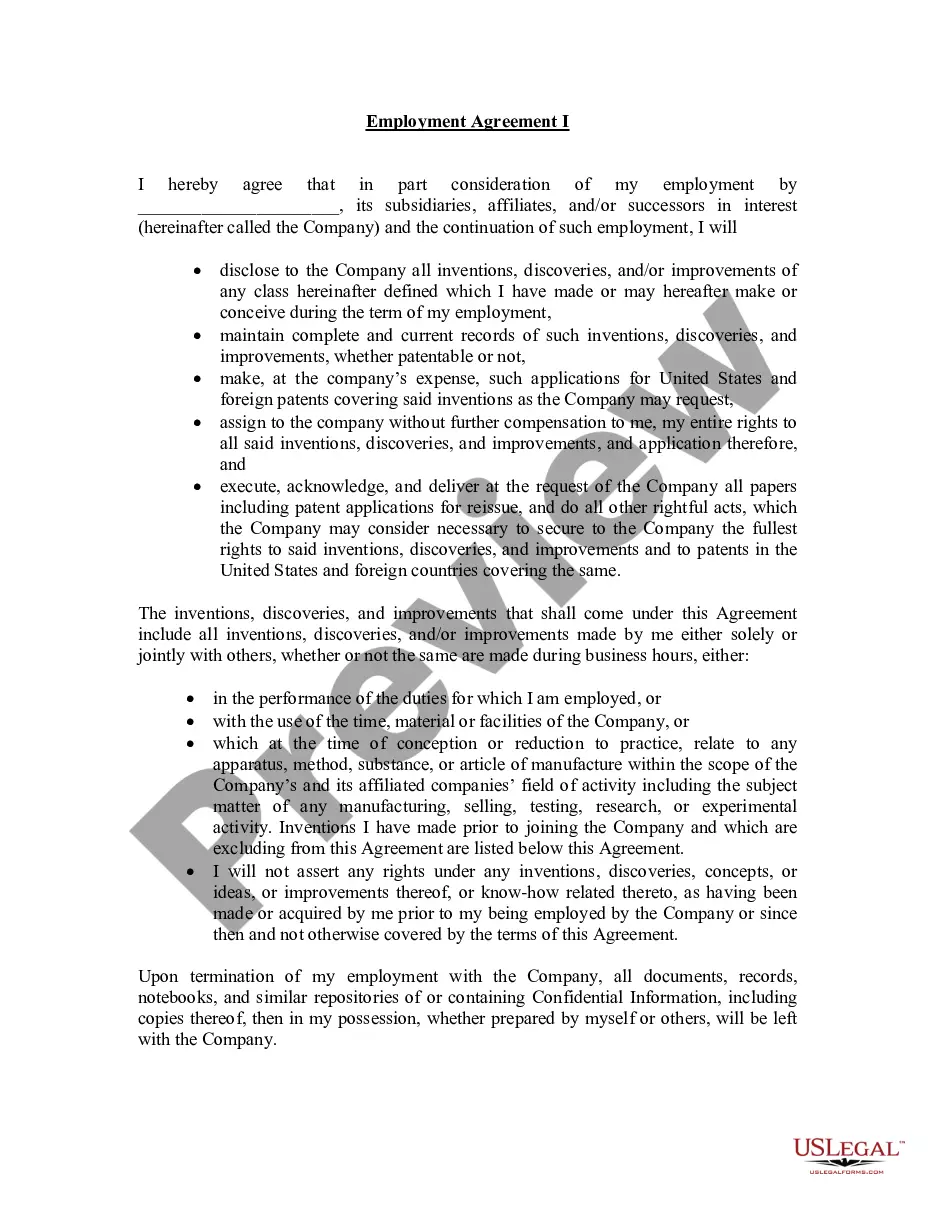


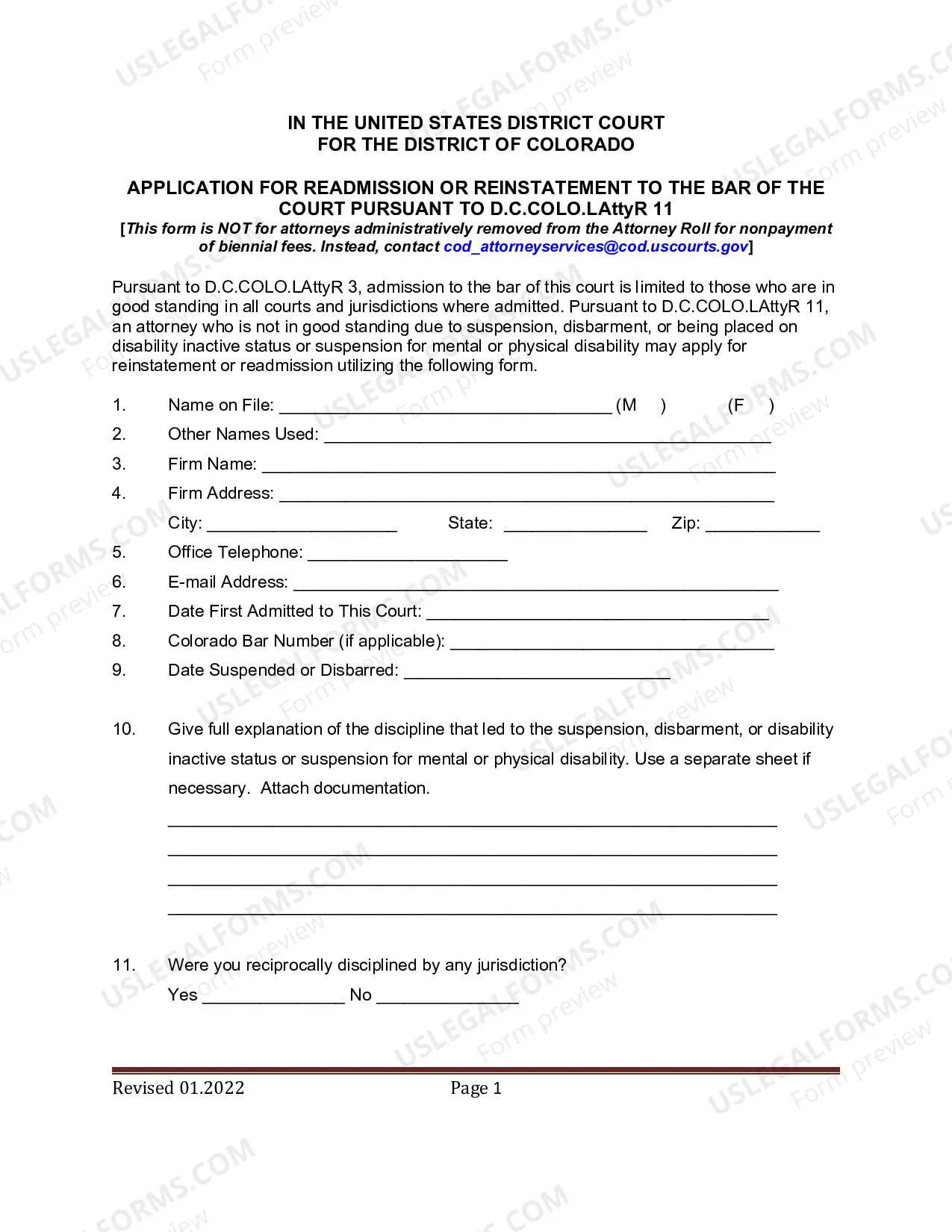

Form popularity
FAQ
What to include in an apartment lease agreement. Tenant information. Include each tenant's full name and contact information. Rental property description. List the apartment's location, all common areas, parking spaces, and included facilities. Security deposit. Monthly rent amount. Utilities. Lease term. Policies. Late fees.
This form is typically sent to the tenant's previous landlords or property managers, who are then expected to fill it out and return it to the requester. The form asks for basic details such as the tenant's name, the rental period, monthly rent, and contact information for the landlord or management company.
Rental verification is when a landlord contacts an applicant's previous landlord to confirm and verify the rental history they listed on their application.
Use the form to write down everything found wrong with the rental unit when you move in. Be sure to list even very small “damages,” for example, the number of nail holes in each wall, dents in the kitchen floor, or chipped paint on the baseboards.
There are two common property management licenses that landlords will need before they can legally rent a property: Certificate of Occupancy – Local building or zoning regulatory authorities issue Certificates of Occupancy stating that a property is built and maintained to accommodate occupants.
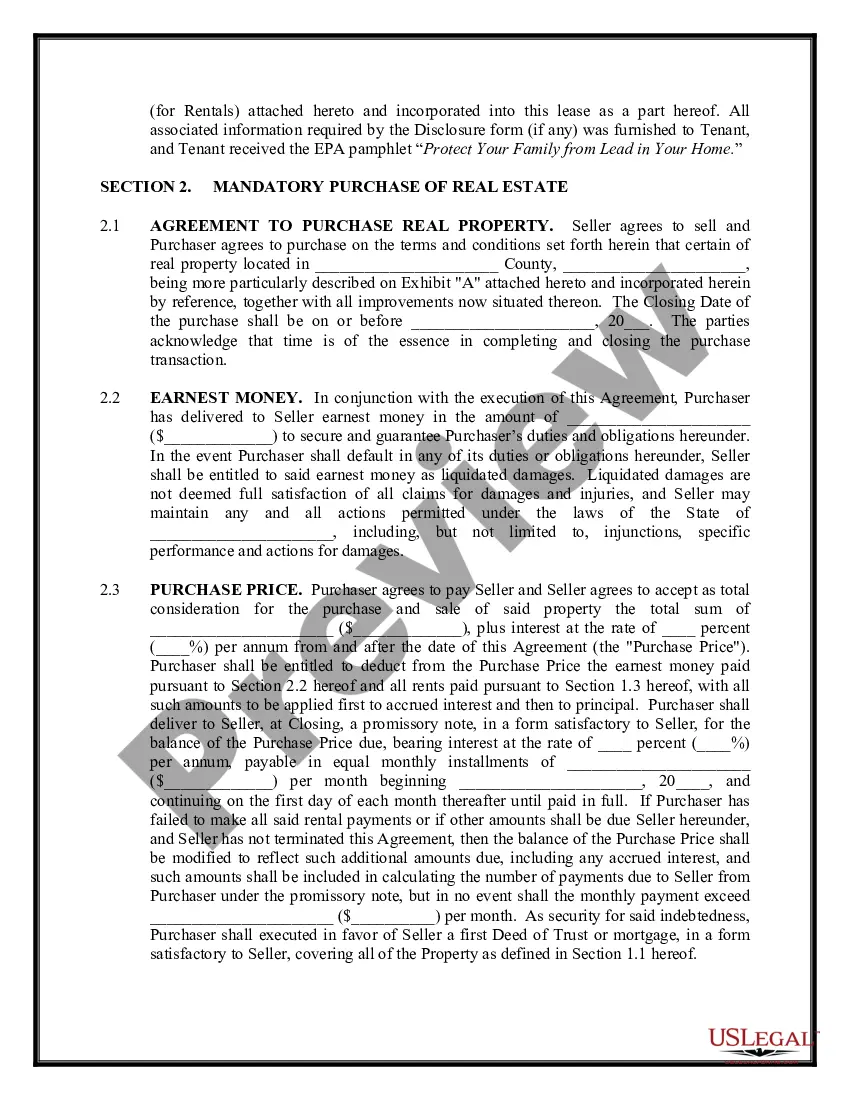
Have a property management plan. Invest in additional insurance. Set a rental rate. Advertise your house for rent. Screen potential tenants. Create and sign a lease agreement. Store security deposits in a safe place. Re-key the locks.
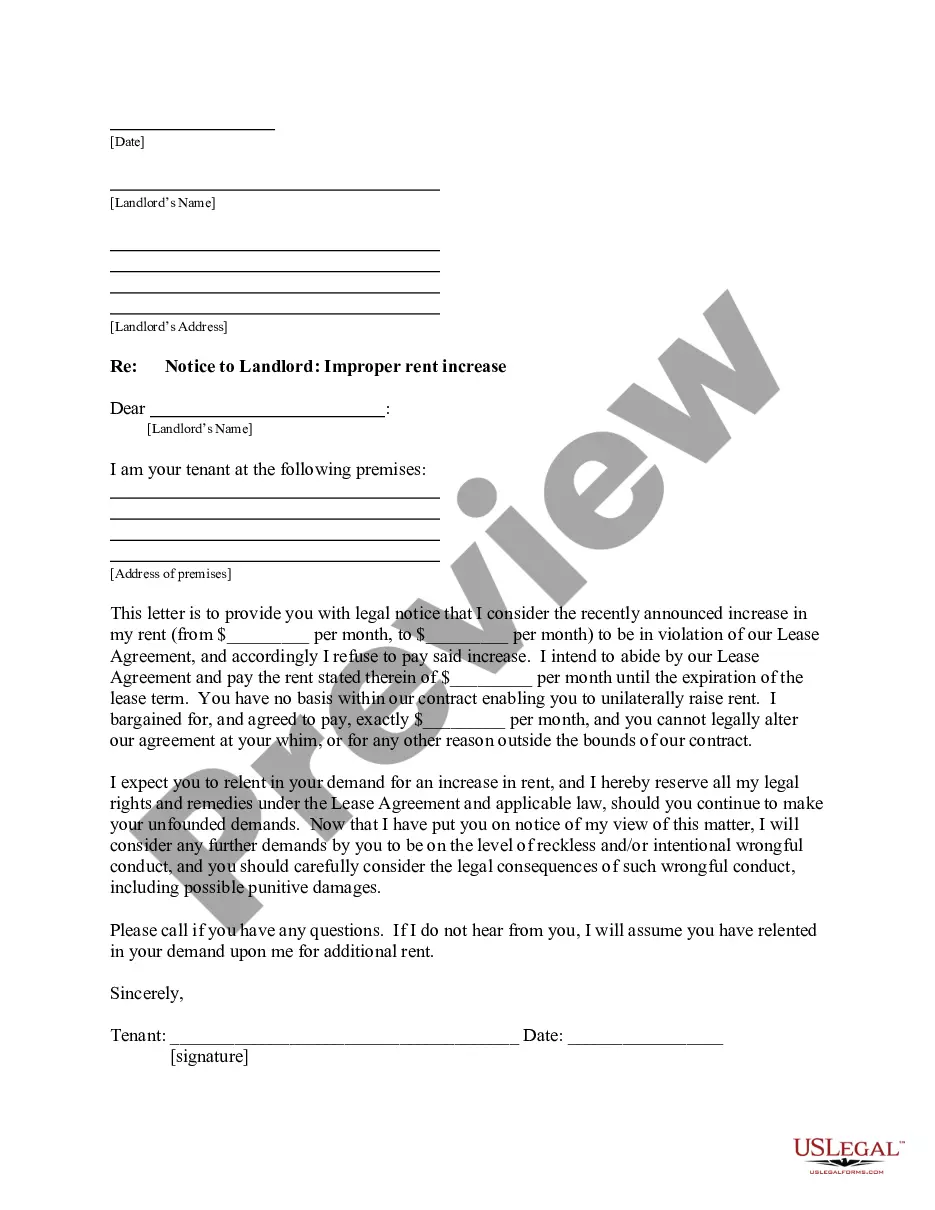
How much can a landlord raise the rent? There is no rent control in Virginia. Therefore, there is no limit on rent increases a landlord can impose, but they must give a 30-day written notice of the increase.
In Virginia, the requirement for a business license to rent out property depends on the specific county or city. Some localities require business licenses for rental properties, especially if the rental income exceeds a certain threshold or if the landlord owns multiple properties.
If you rent real estate such as buildings, rooms or apartments, you normally report your rental income and expenses on Form 1040 or 1040-SR, Schedule E, Part I. List your total income, expenses, and depreciation for each rental property on the appropriate line of Schedule E. See the Instructions for Form 4562 to figure ...
Fairfax County: In Fairfax County, landlords are not typically required to obtain a business license for a single rental property. However, if the rental property is part of a larger rental business with multiple units, a business license might be required.