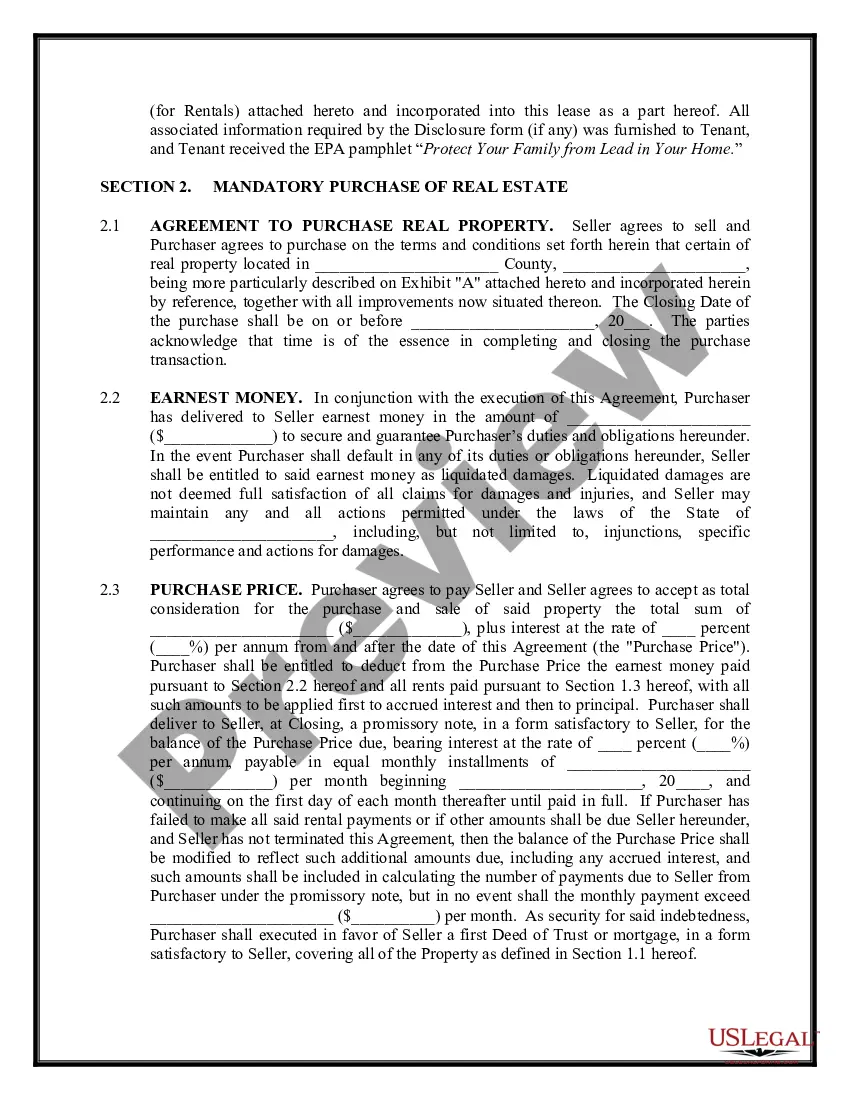
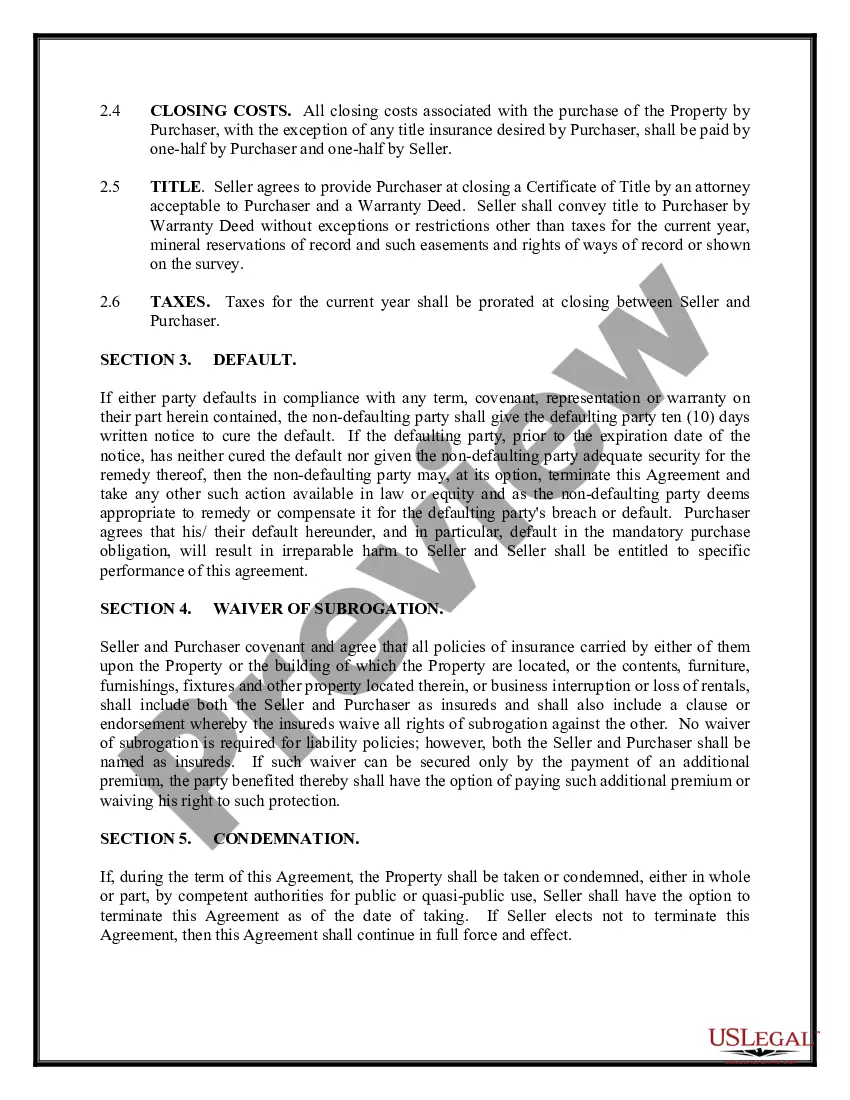
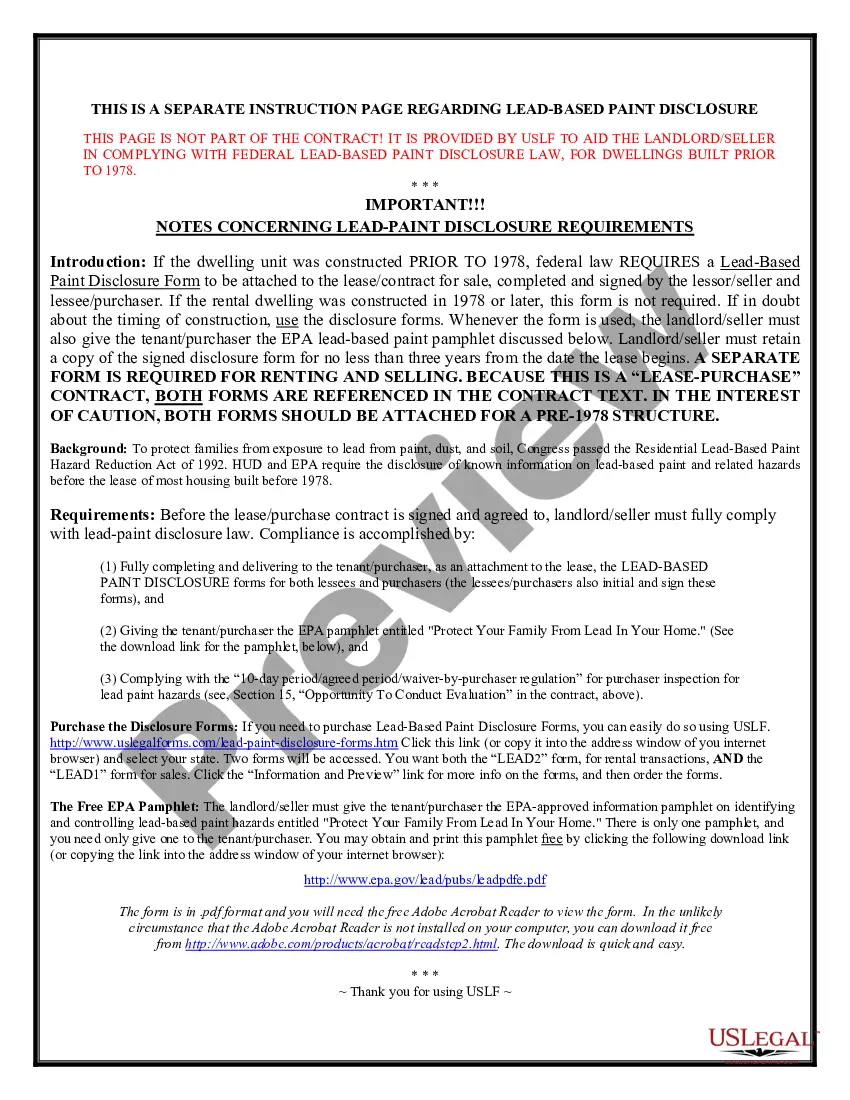
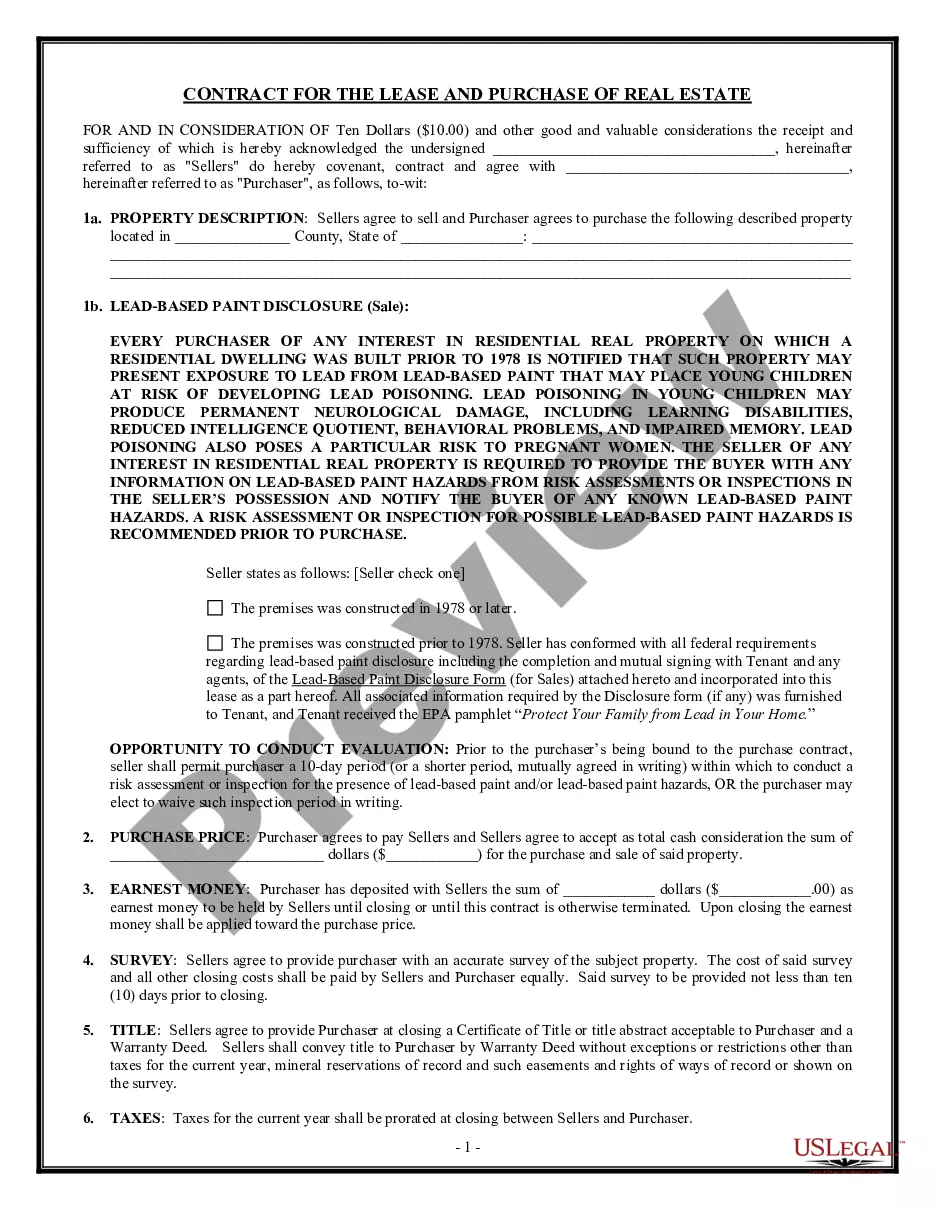
Real Estate Contract Clauses Examples In Cuyahoga
Description

Get your form ready online
Our built-in tools help you complete, sign, share, and store your documents in one place.
Make edits, fill in missing information, and update formatting in US Legal Forms—just like you would in MS Word.
Download a copy, print it, send it by email, or mail it via USPS—whatever works best for your next step.
Sign and collect signatures with our SignNow integration. Send to multiple recipients, set reminders, and more. Go Premium to unlock E-Sign.
If this form requires notarization, complete it online through a secure video call—no need to meet a notary in person or wait for an appointment.
We protect your documents and personal data by following strict security and privacy standards.

Make edits, fill in missing information, and update formatting in US Legal Forms—just like you would in MS Word.

Download a copy, print it, send it by email, or mail it via USPS—whatever works best for your next step.

Sign and collect signatures with our SignNow integration. Send to multiple recipients, set reminders, and more. Go Premium to unlock E-Sign.

If this form requires notarization, complete it online through a secure video call—no need to meet a notary in person or wait for an appointment.

We protect your documents and personal data by following strict security and privacy standards.
Looking for another form?




Form popularity
FAQ
Writing your own contracts is perfectly possible, and legal. But it's also an incredibly bad idea. There's two reasons for this: Property law is complicated. Because it's such a fundamental part of legislation, it's often lots and lots of different laws layered on top of each other.
Eg. Conditional upon Buyer getting Financing (mortgage approval) or Conditional upon Inspection of the property by a home Inspector. If there is a Condition on Financing & Inspection (for example) for 5 days, it means the Seller has agreed to accept the Buyer's offer and can't accept any other offers.
Represented buyers can also write their own offer letter and have their agent submit it for them.
These include indemnification, force majeure, copyright, termination, warranties and disclaimers, and privacy. Without including these important clauses in your business contracts, you may find yourself facing exorbitant legal fees, legal battles that could last for years, and intellectual property theft.
Sample wording: “Neither party may assign this agreement or any rights or obligations herein without the prior written consent of the other party.” Cancellation clauses: These allow either party to terminate the contract under specific conditions, often requiring advance notice.
Why You Need a Business Contract Lawyer. If you're asking whether you need a lawyer to draft a contract, legally, the answer is no. Anyone can draft a contract on their own and as long as the elements above are included and both parties are legally competent and consent to the agreement, it is generally lawful.
For a real estate contract to be valid in California, it must meet several key requirements: Offer and Acceptance: One party must make an offer, and the other must accept it. This mutual agreement is fundamental for the contract to be enforceable. Legality: The contract's purpose must be legal.
The sentence "When it rained they went inside" consists of two clauses: "when it rained" and "they went inside."
Upon expiration or termination of this Agreement, neither Party shall have any further obligation under this Agreement except for obligations due and owing which arose prior to the date of termination, and obligations, promises or covenants contained in this Agreement which expressly extend beyond the term of this ...