Real Estate Clause In A Will In Broward
Description

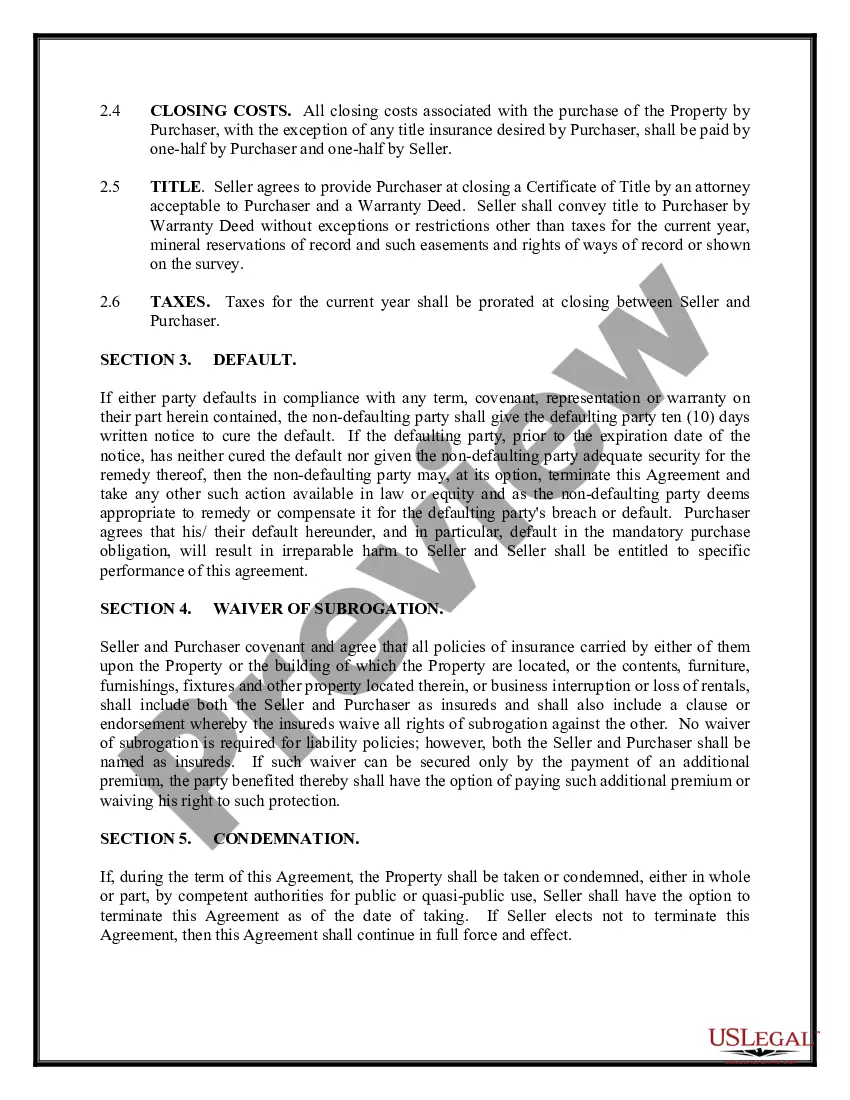
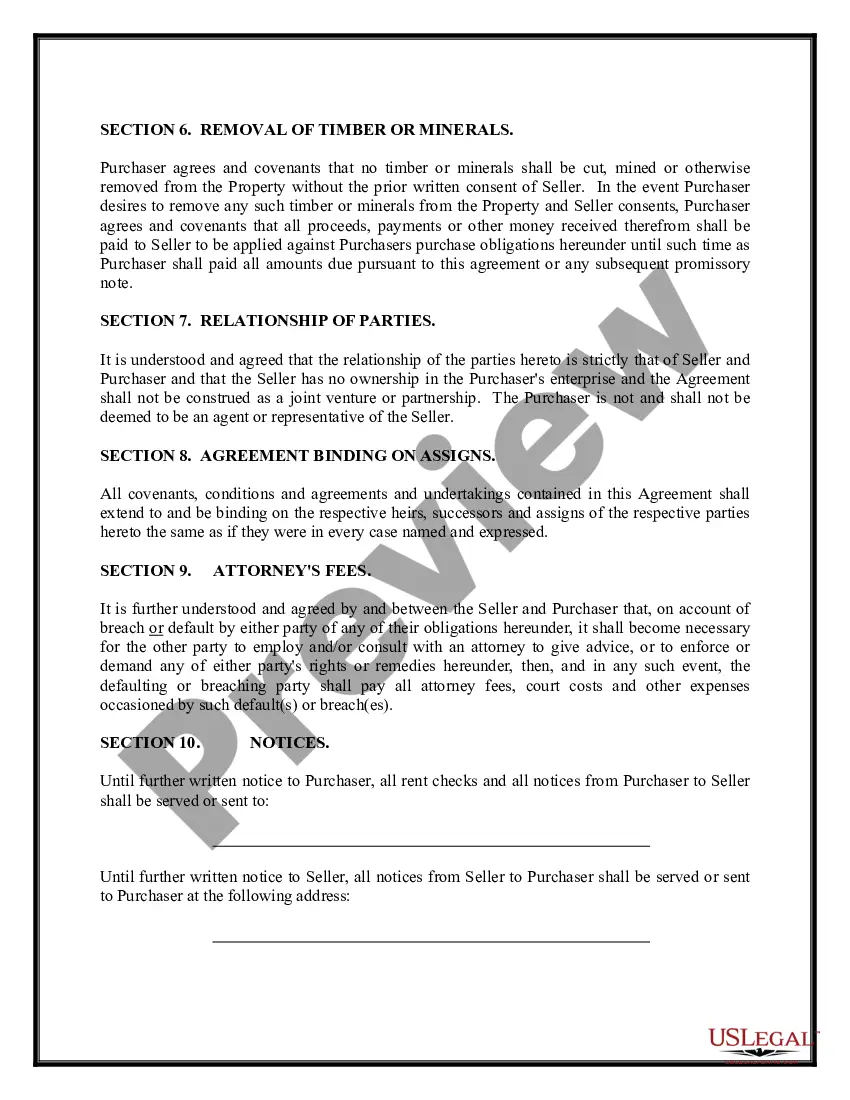
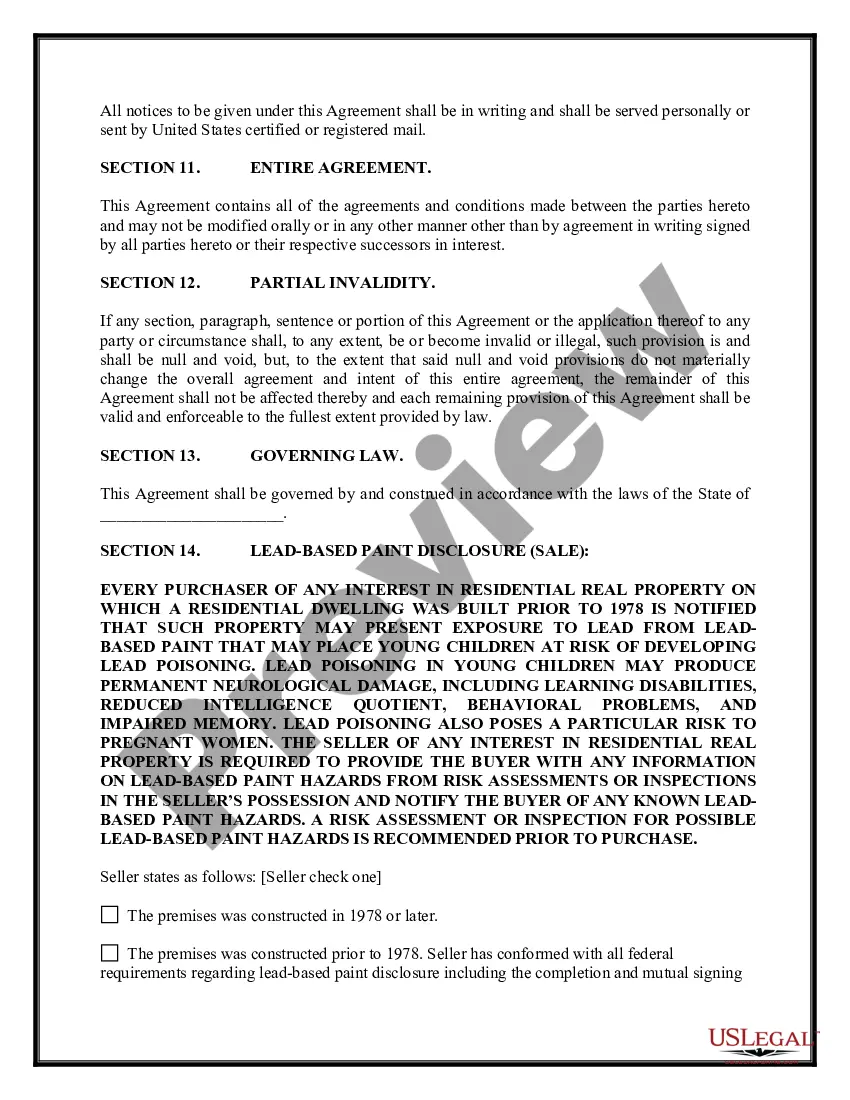
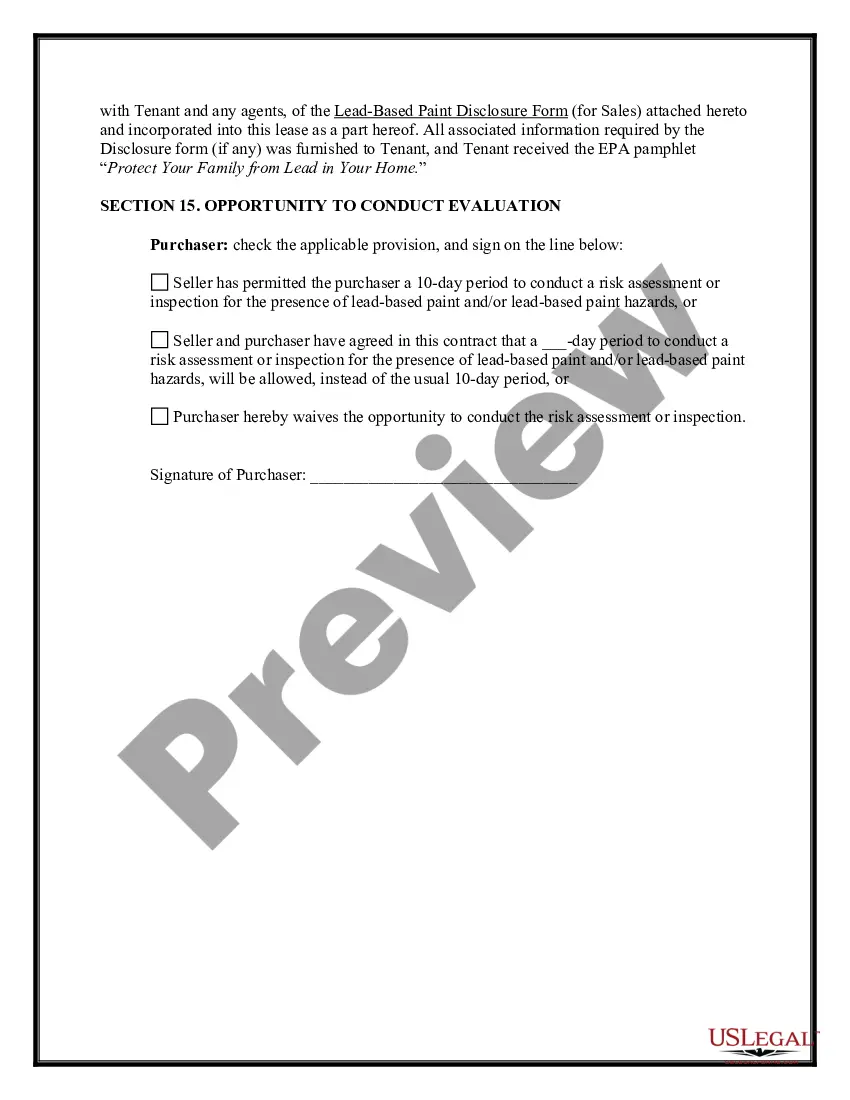
Get your form ready online
Our built-in tools help you complete, sign, share, and store your documents in one place.
Make edits, fill in missing information, and update formatting in US Legal Forms—just like you would in MS Word.
Download a copy, print it, send it by email, or mail it via USPS—whatever works best for your next step.
Sign and collect signatures with our SignNow integration. Send to multiple recipients, set reminders, and more. Go Premium to unlock E-Sign.
If this form requires notarization, complete it online through a secure video call—no need to meet a notary in person or wait for an appointment.
We protect your documents and personal data by following strict security and privacy standards.

Make edits, fill in missing information, and update formatting in US Legal Forms—just like you would in MS Word.

Download a copy, print it, send it by email, or mail it via USPS—whatever works best for your next step.

Sign and collect signatures with our SignNow integration. Send to multiple recipients, set reminders, and more. Go Premium to unlock E-Sign.

If this form requires notarization, complete it online through a secure video call—no need to meet a notary in person or wait for an appointment.

We protect your documents and personal data by following strict security and privacy standards.
Looking for another form?





Form popularity
FAQ
Disposition of Personal Property without Administration. A Disposition of Personal Property without Administration is a proceeding used to request release of the assets of the deceased to the heirs or other qualified parties without Formal Administration.
If an asset does not have a named beneficiary or rights of survivorship, it will have to go through probate to change ownership pursuant to the Florida Probate Rules (2024). The most common assets that go through this process are bank accounts, real estate, vehicles, and personal property.
Formal administration is required for any estate with non-exempt assets valued at over $75,000 when a decedent died less than two years ago. Formal administration is also required any time that a personal representative is needed to settle the affairs of the decedent.
Transfer on Death Accounts In this case, no probate is required. Banks, life insurance policies and credit unions are common examples. But it can also include retirement funds, boats and saving bonds. Joint-held accounts will also allow the surviving owner to take full ownership, bypassing probate.
There are two main types of probate in Florida: a formal probate administration and a summary probate administration. There is also a disposition without administration that is available in very limited circumstances. The formal probate administration usually takes 6-9 months under most circumstances - start to finish.
However, if anyone is the sole owner of a home, property, or piece of land, that real estate must go through probate court before inheritance may take place. In Florida, if a married couple does not own property jointly, probate court follows Florida's state intestacy laws.
To transfer ownership legally, the property must still go through the probate process. This process verifies the homestead status and ensures all heirs receive their rightful share. The probate court will issue a court order to transfer the property to the heirs.
A: Yes, it is possible for estates to be settled in Florida without the probate process. The largest example of this is when assets are held in a revocable living trust, have been designated as jointly owned property with rights of survivorship, or are in accounts that have named beneficiaries.
There are three main ways to pass family real estate to heirs after you die: As part of your will. This is perhaps the simplest technique, allowing you to designate which of your heirs will receive property and in what proportions. In a revocable living trust. Using a transfer-on-death deed.
Leaving Property in a Will in Florida If you have several heirs, you can designate them all as beneficiaries of the home in your will. After your death, they will each inherit an equal interest in the home, unless stated otherwise in the will.