Clause Real Estate Fort Myers In Bronx
Description

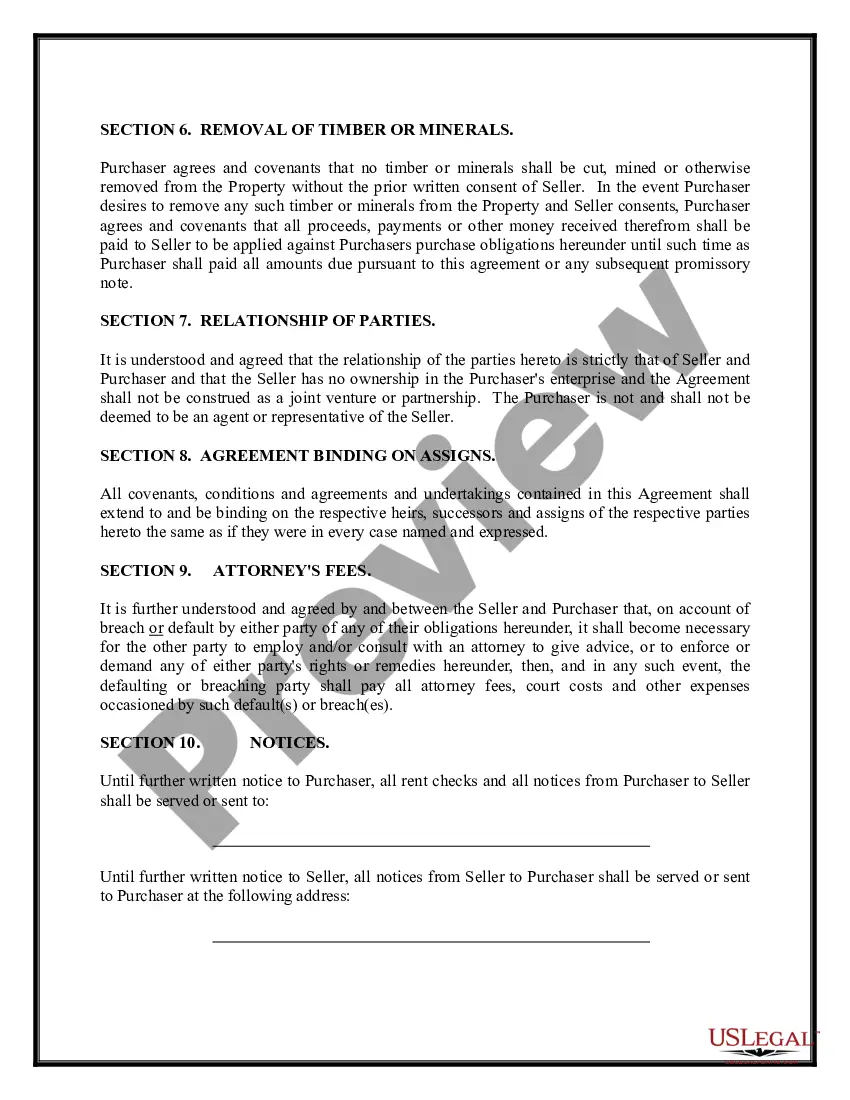
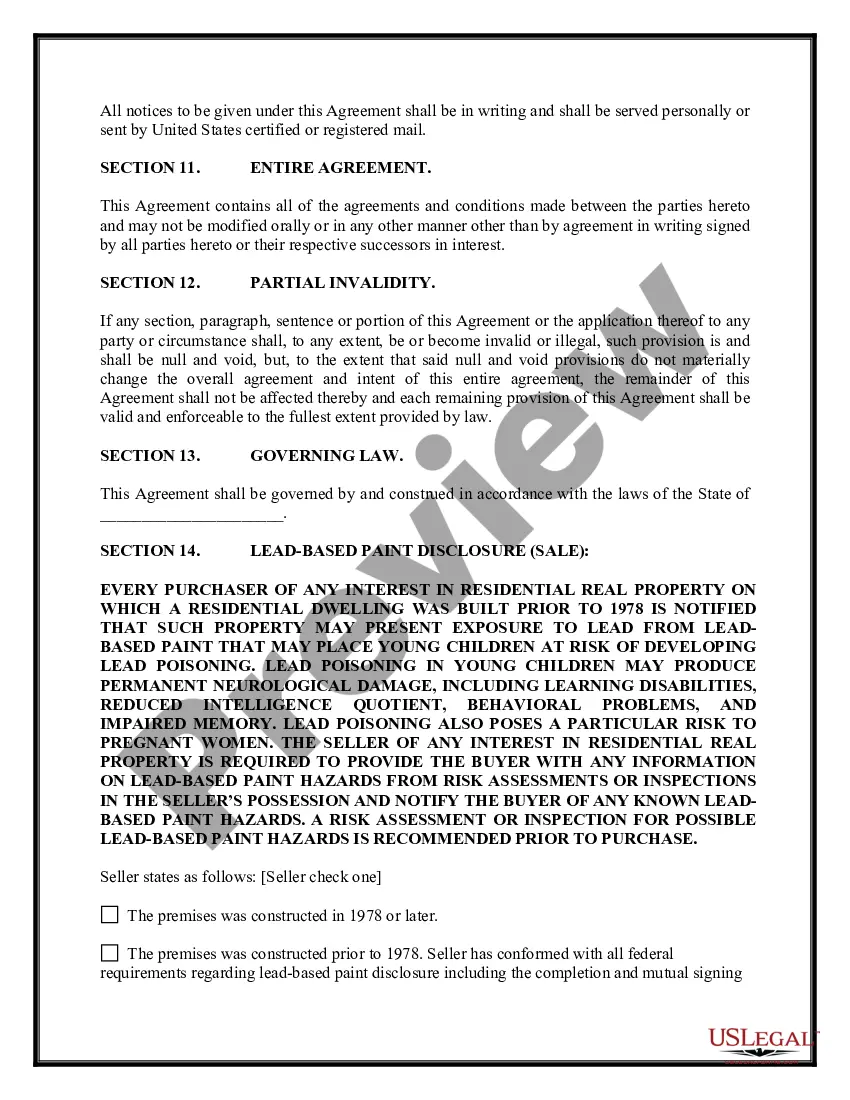
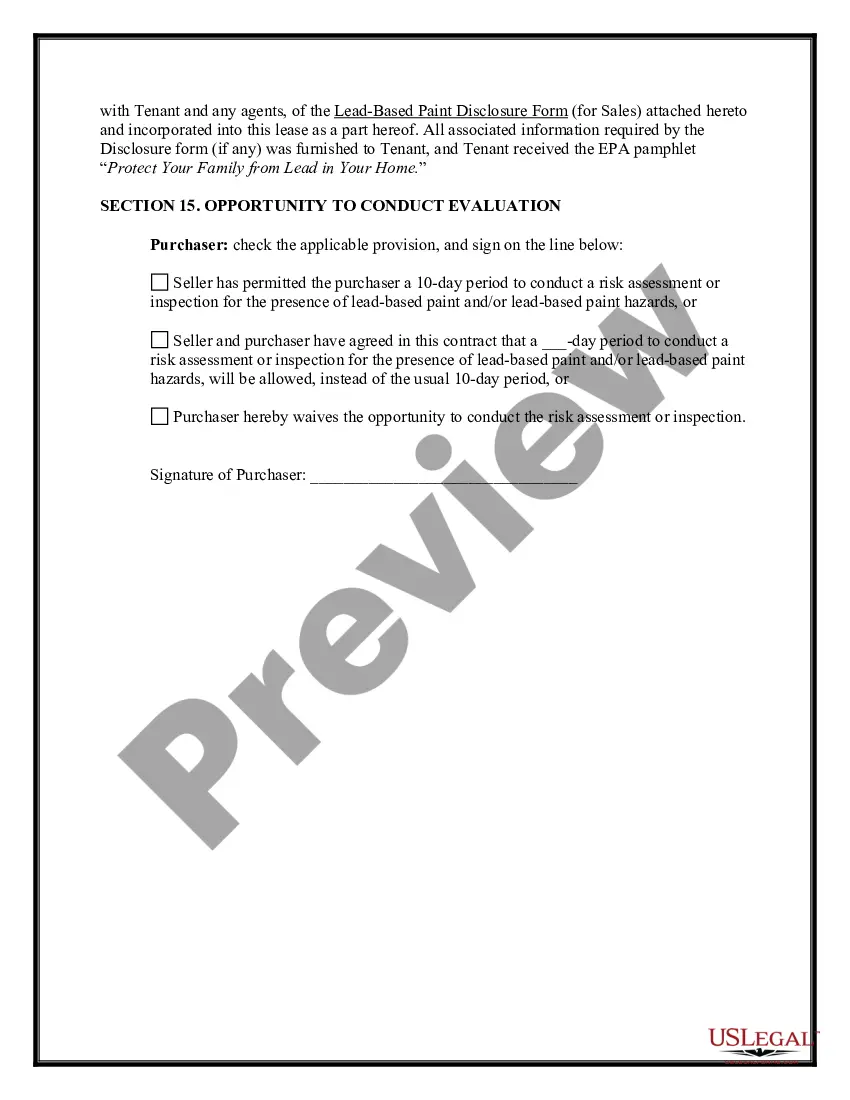
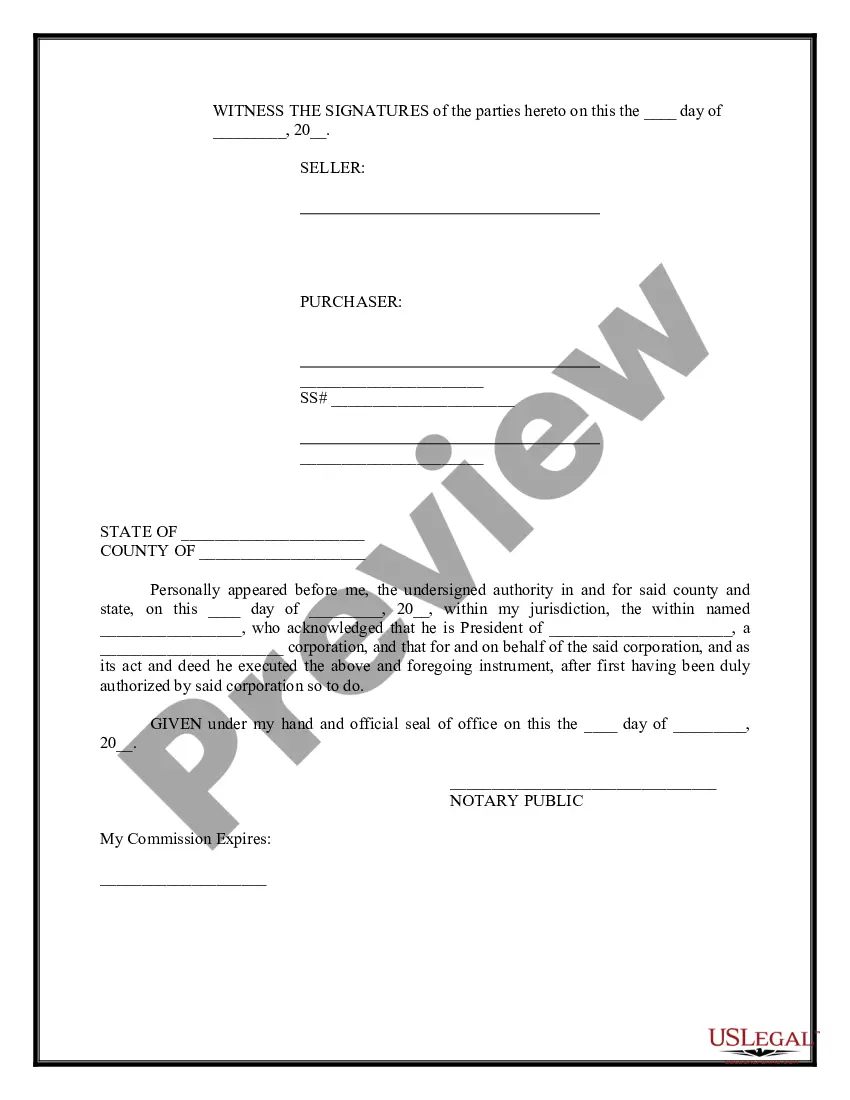
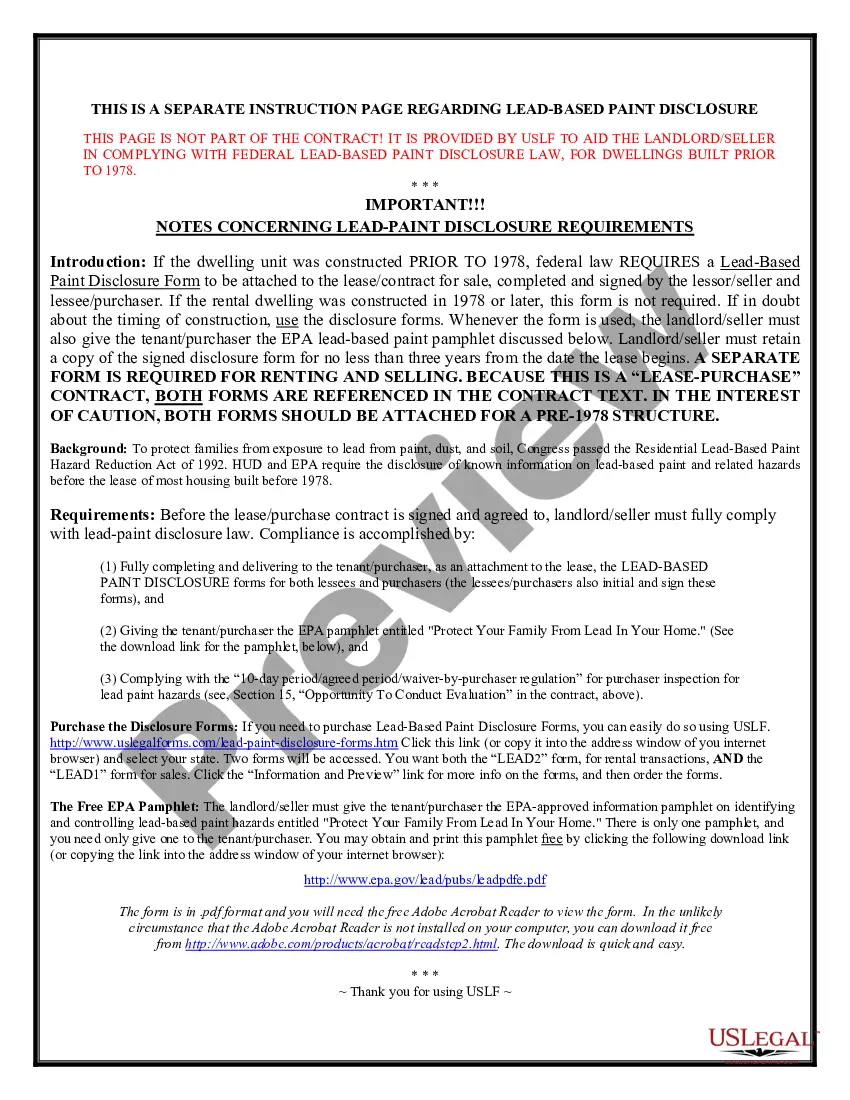
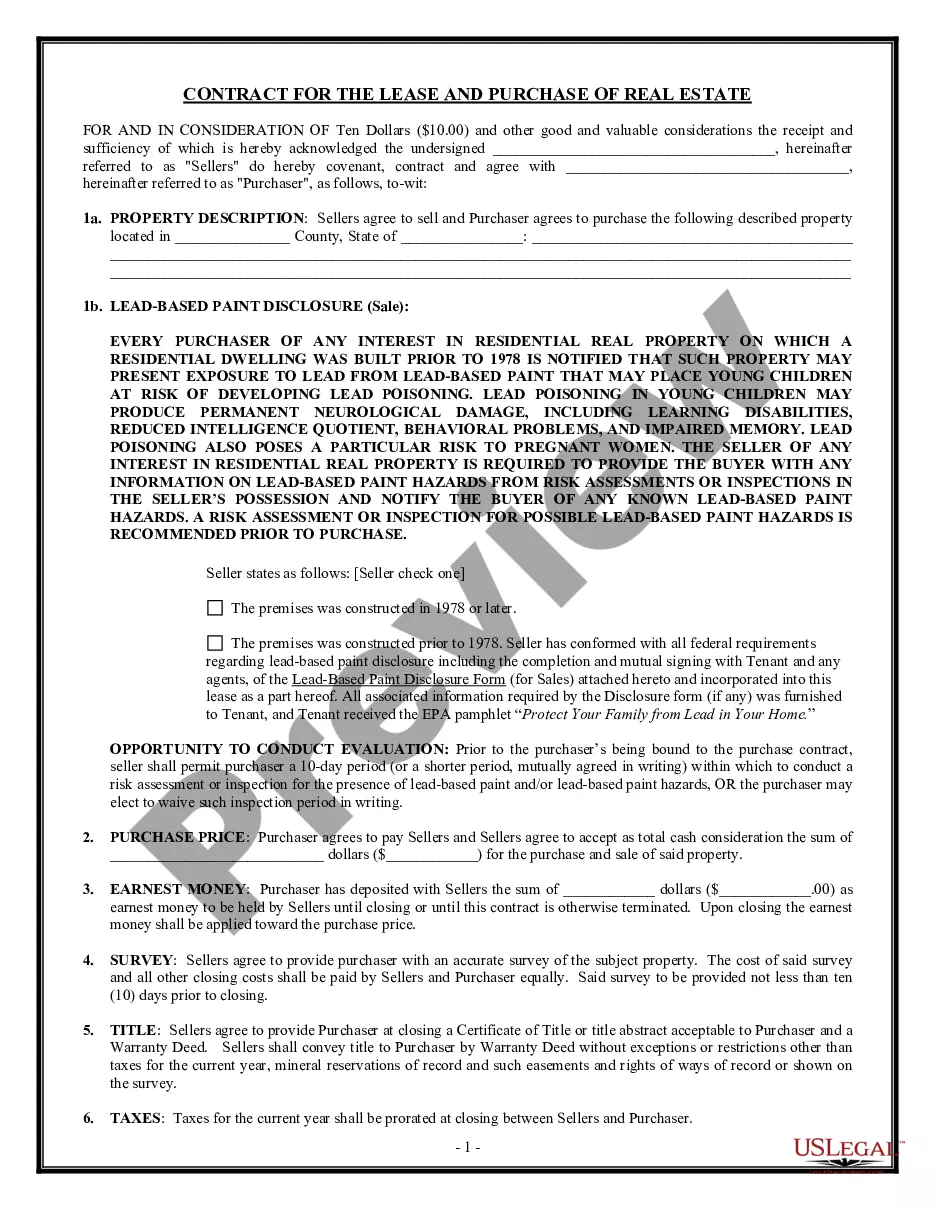
Get your form ready online
Our built-in tools help you complete, sign, share, and store your documents in one place.
Make edits, fill in missing information, and update formatting in US Legal Forms—just like you would in MS Word.
Download a copy, print it, send it by email, or mail it via USPS—whatever works best for your next step.
Sign and collect signatures with our SignNow integration. Send to multiple recipients, set reminders, and more. Go Premium to unlock E-Sign.
If this form requires notarization, complete it online through a secure video call—no need to meet a notary in person or wait for an appointment.
We protect your documents and personal data by following strict security and privacy standards.

Make edits, fill in missing information, and update formatting in US Legal Forms—just like you would in MS Word.

Download a copy, print it, send it by email, or mail it via USPS—whatever works best for your next step.

Sign and collect signatures with our SignNow integration. Send to multiple recipients, set reminders, and more. Go Premium to unlock E-Sign.

If this form requires notarization, complete it online through a secure video call—no need to meet a notary in person or wait for an appointment.

We protect your documents and personal data by following strict security and privacy standards.
Looking for another form?


Form popularity
FAQ
“The Seller is selling the Property in “As-Is” condition, with all faults. The Buyer acknowledges and accepts that Buyer is purchasing the Property in its current condition and without any representations, guarantees, or warranties from Seller, either expressed or implied, as to suitability or condition.”
Many sellers have valid reasons for selling “as is.” For example, the seller may have recently inherited the house, never lived in it and is unaware of any problems or the home's repair history.
Most real estate contracts have a clause which specifies what personal property is included in or excluded from the sale. Sellers and buyers often forget to specify certain items, which leads to arguments at closing.
Xx accepts the Property “As-Is” as of the date of the execution of this Agreement, without any warranties or representations from Seller regarding the use, condition or habitability of the Property.
Condition: Clearly state that the item is being sold in its current condition, "as-is," without any warranties or guarantees of any kind. Use explicit language to emphasize that the buyer is accepting the item with all faults and defects.
The habendum clause is a clause in deed or lease contracts that defines the lessee's rights, types of interest, and other details of ownership. Consisting of basic legal language, they are included in real estate and mineral rights agreements to provide a clear understanding of the contractual terms.
An escalation clause, or escalator, is a section in a real estate contract that states that a prospective buyer is willing to raise their offer on a home should the seller receive a higher competing offer.
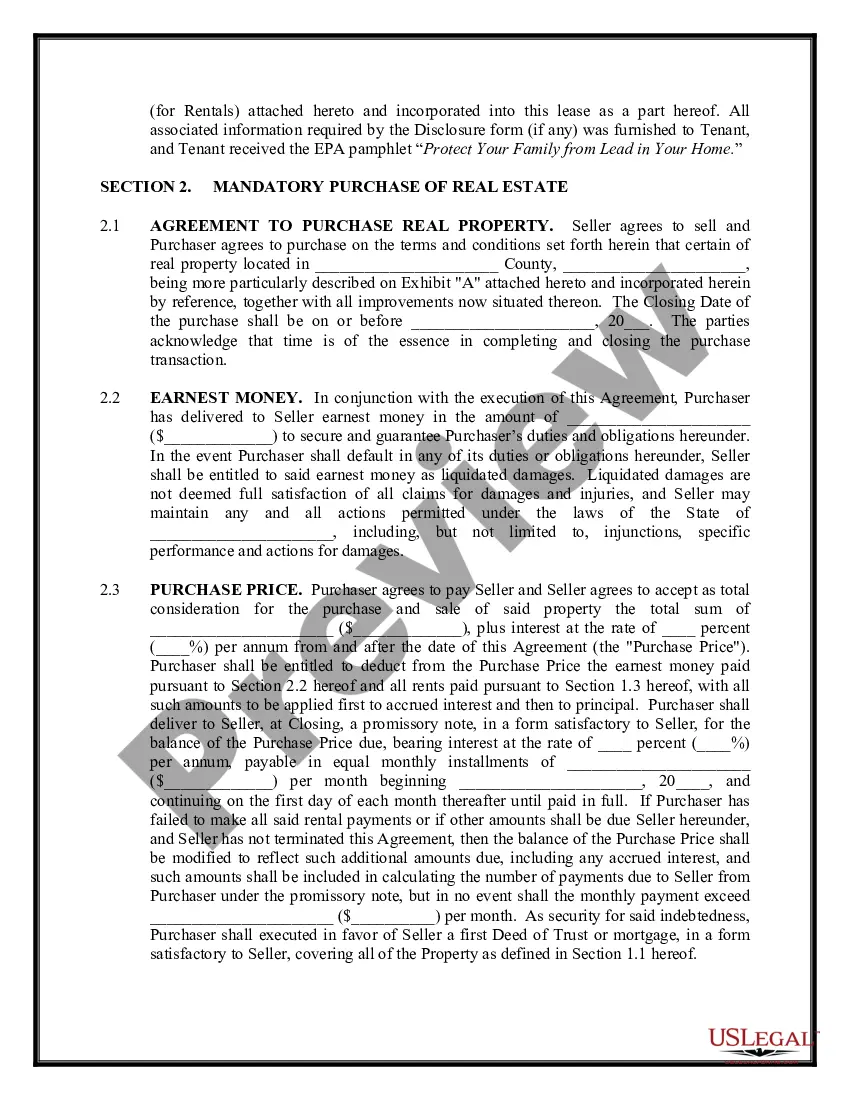
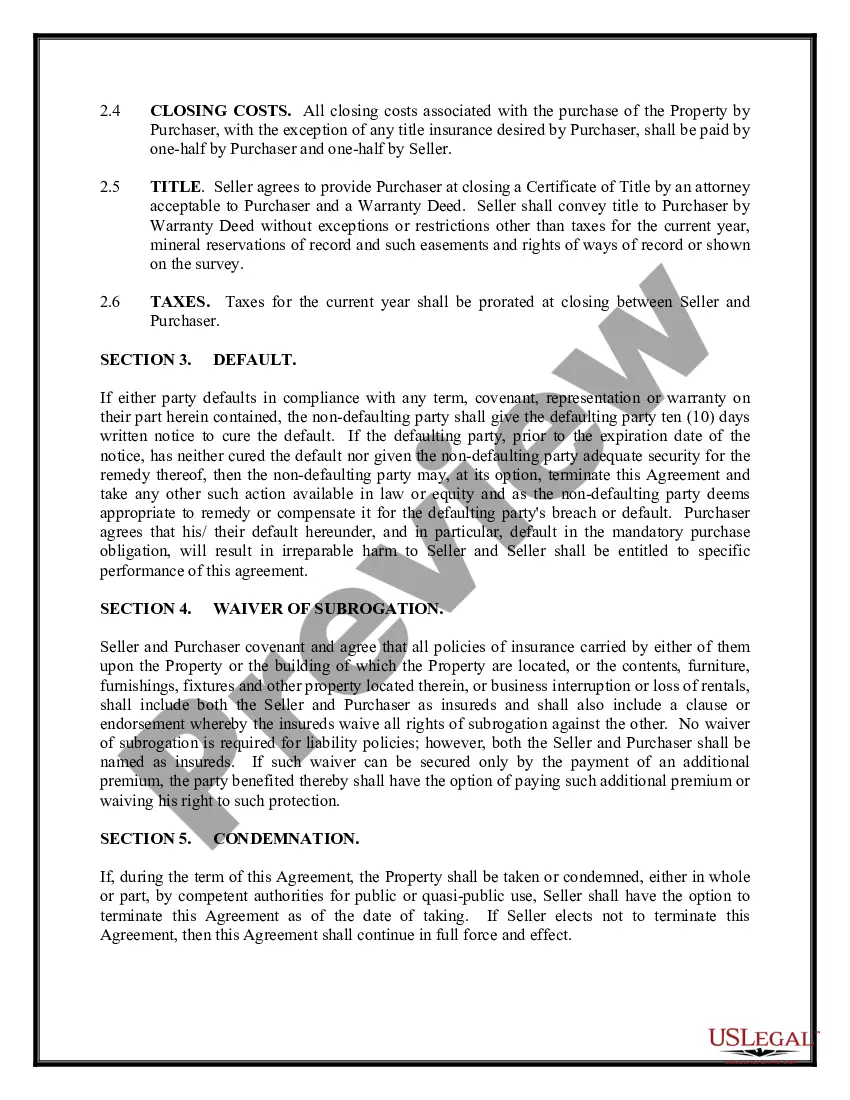
In real estate contracts, there are contract clauses that outline the terms of the agreement and responsibilities of each party. The contract clauses address all aspects of the sale terms and are legally binding once both parties sign the document.
Sample wording: “This agreement may be terminated by either party by providing 30 days written notice to the other party.” Change control clauses: Manage how changes to the contract or project scope are handled. Sample wording: “Any changes to the scope of work must be made in writing and agreed upon by both parties.”
The Congress shall have Power to dispose of and make all needful Rules and Regulations respecting the Territory or other Property belonging to the United States; and nothing in this Constitution shall be so construed as to Prejudice any Claims of the United States, or of any particular State.