Real Estate Clause In A Will In Arizona
Description

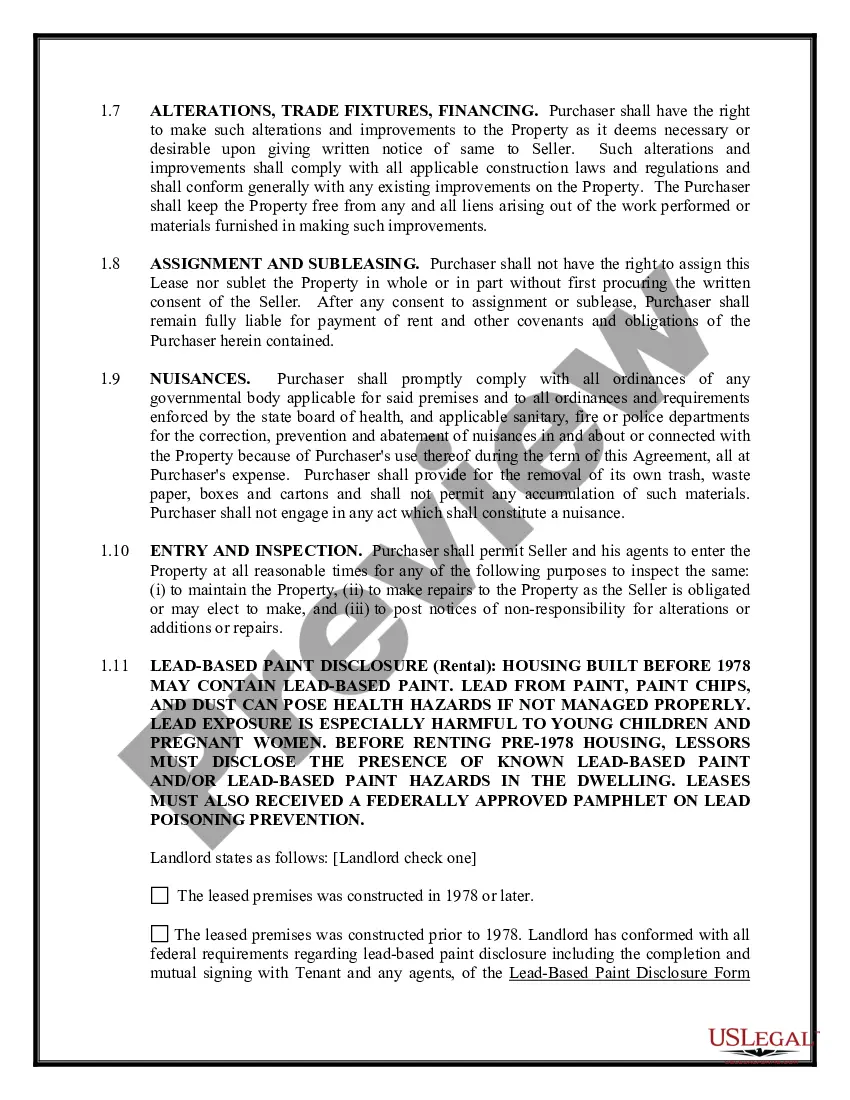
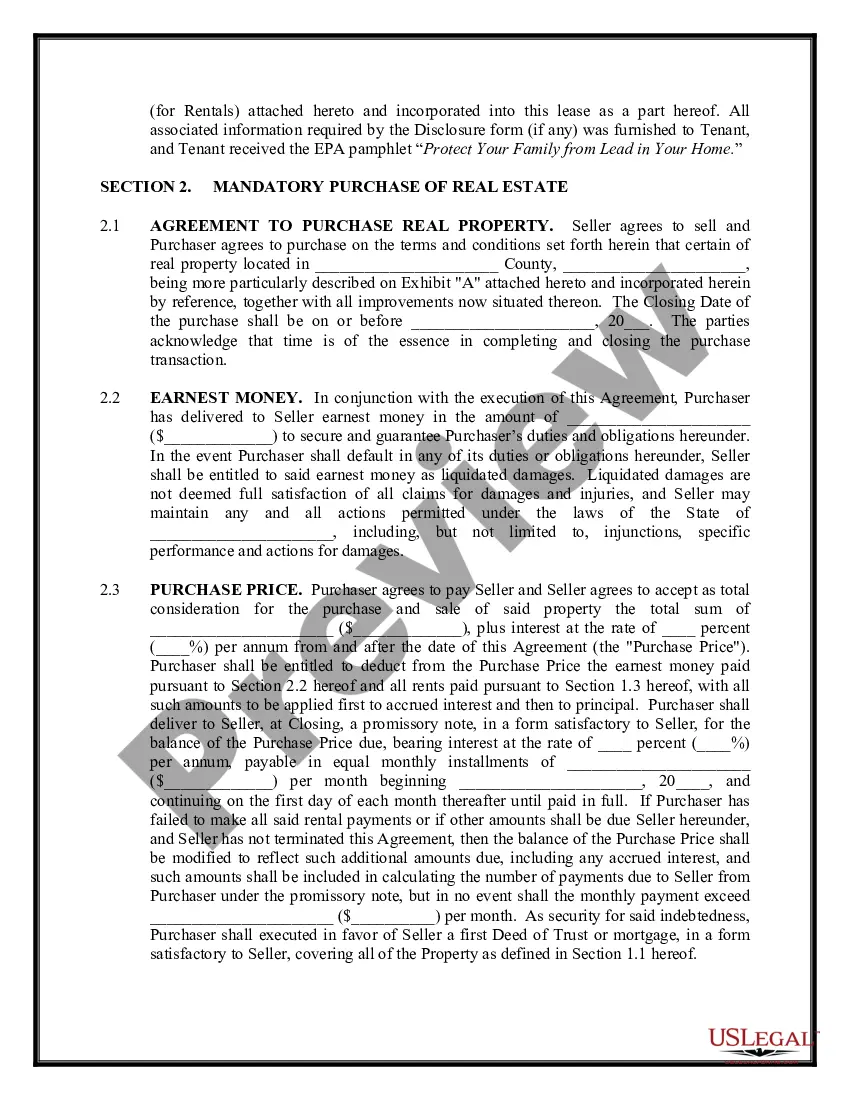
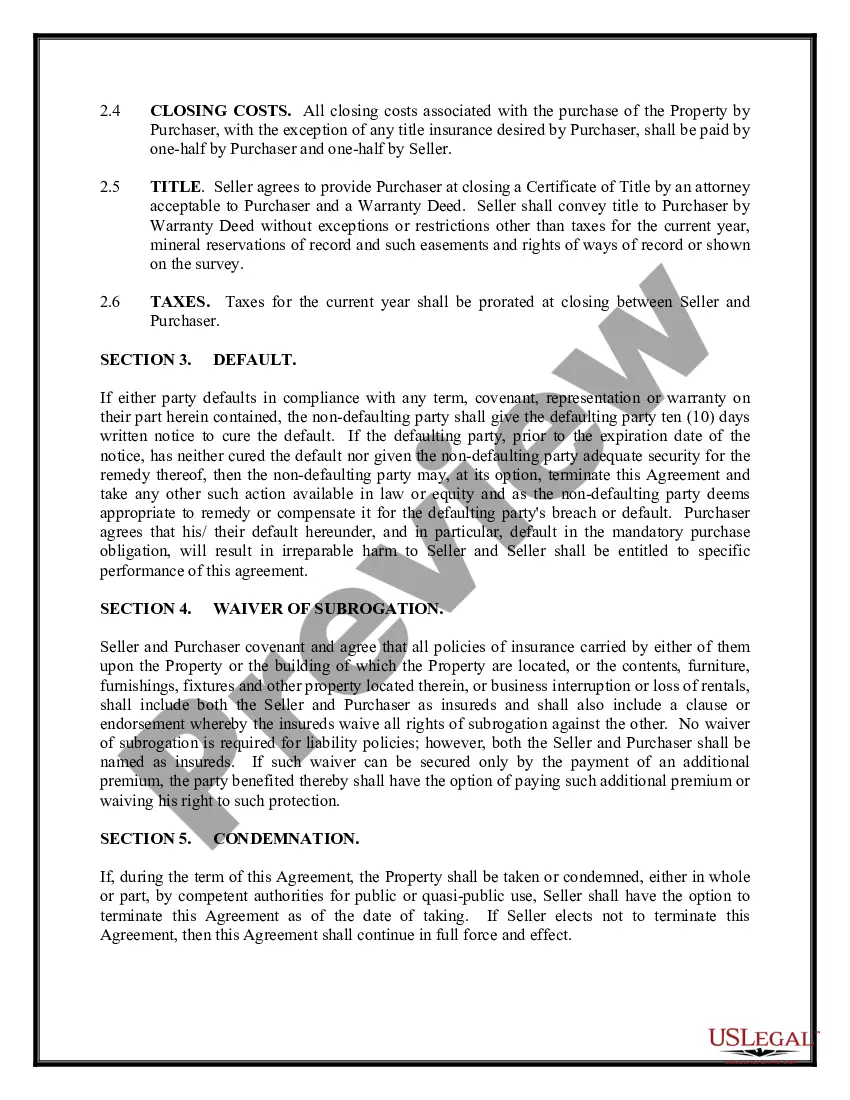
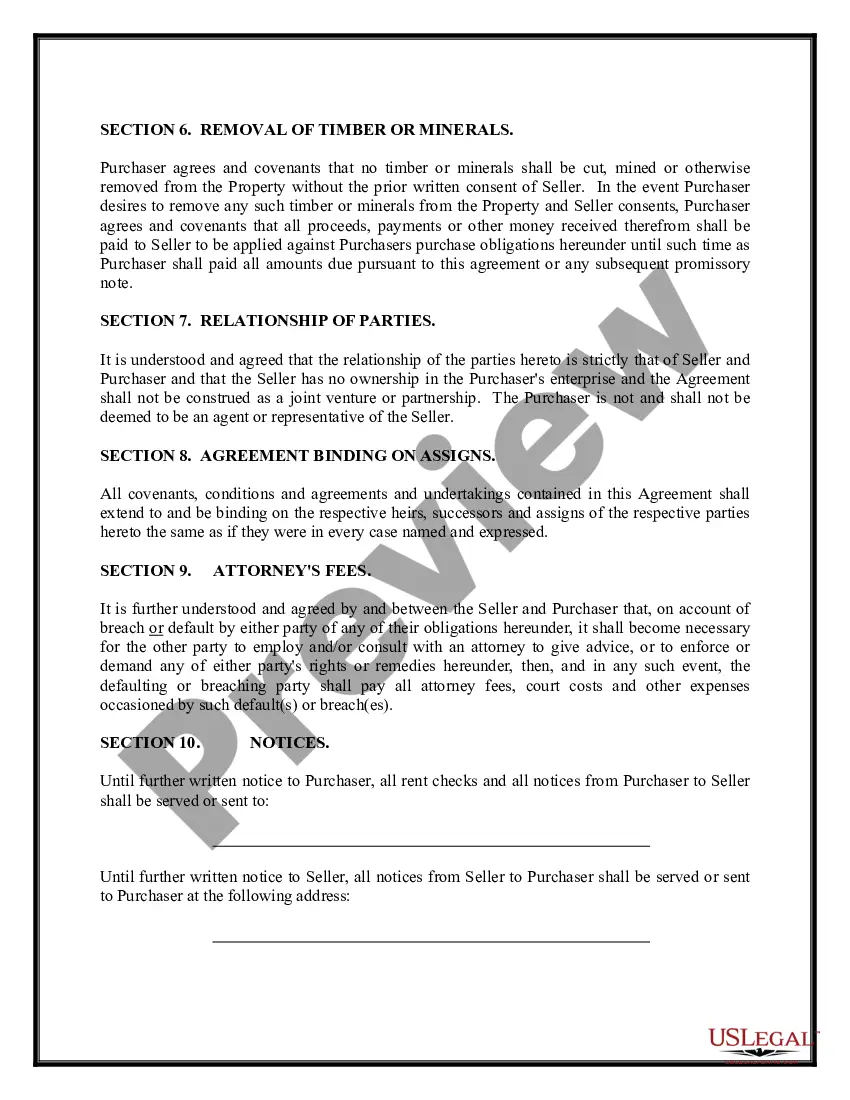
Get your form ready online
Our built-in tools help you complete, sign, share, and store your documents in one place.
Make edits, fill in missing information, and update formatting in US Legal Forms—just like you would in MS Word.
Download a copy, print it, send it by email, or mail it via USPS—whatever works best for your next step.
Sign and collect signatures with our SignNow integration. Send to multiple recipients, set reminders, and more. Go Premium to unlock E-Sign.
If this form requires notarization, complete it online through a secure video call—no need to meet a notary in person or wait for an appointment.
We protect your documents and personal data by following strict security and privacy standards.

Make edits, fill in missing information, and update formatting in US Legal Forms—just like you would in MS Word.

Download a copy, print it, send it by email, or mail it via USPS—whatever works best for your next step.

Sign and collect signatures with our SignNow integration. Send to multiple recipients, set reminders, and more. Go Premium to unlock E-Sign.

If this form requires notarization, complete it online through a secure video call—no need to meet a notary in person or wait for an appointment.

We protect your documents and personal data by following strict security and privacy standards.
Looking for another form?





Form popularity
FAQ
Your land, houses, buildings, fences, or trees—anything permanently attached to the land—are all considered real property.
Appointment of Executor Clause. An appointment of executor clause names the executor, a key part of your will. Digital Assets Clause. In today's digital age, it's important to consider your digital assets when creating your will. Debt Clause & Tax-Appointment Clause. No-Contest Clause. Attestation Clause. Trust Provisions.
There are grounds which, if proven, are typically considered sufficient to invalidate a will or a portion of a will. Those grounds include: The decedent lacked mental capacity when the will was made. There is fraud involved with the will or its creation.
However, many people forget that a beneficiary designation on many documents will override their will.
Age and Capacity: In Arizona, you must be at least 18 years old and of sound mind to create a valid will. The testator's conscious presence is required. Format: Although handwritten (holographic) wills are allowed in Arizona, it is generally better to have a formal (typed) will to avoid potential complications.
If a court finds that an individual is suffering from dementia, is under the influence of drugs or alcohol, or is incapable of understanding the document being executed for some other reason, the court may invalidate the will on the grounds that the individual does not have testamentary capacity.
To be effective, a disclaimer must be in a writing or other record, declare the disclaimer, describe the interest or power disclaimed, be signed by the person making the disclaimer and be delivered or filed in the manner provided in section 14-10012.
More general clauses imposing a survivorship condition on all beneficiaries are also possible though, for example: “Every person who would benefit under this Will but who fails to survive me by 30 days shall be treated for the purposes of the devolution of my estate as having predeceased me.”
Pursuant to A.R.S. § 14-2502, a non-self proving Will, must satisfy the following requirements: In writing. Signed by the testator or in the testator's name by some other individual in the testator's conscious presence and by the testator's direction.
Examples of Residuary Clause Wording “I give, devise, and bequeath all the rest, residue, and remainder of my estate, real and personal, of whatever nature and wherever situated, to Name of Beneficiary, if they survive me.