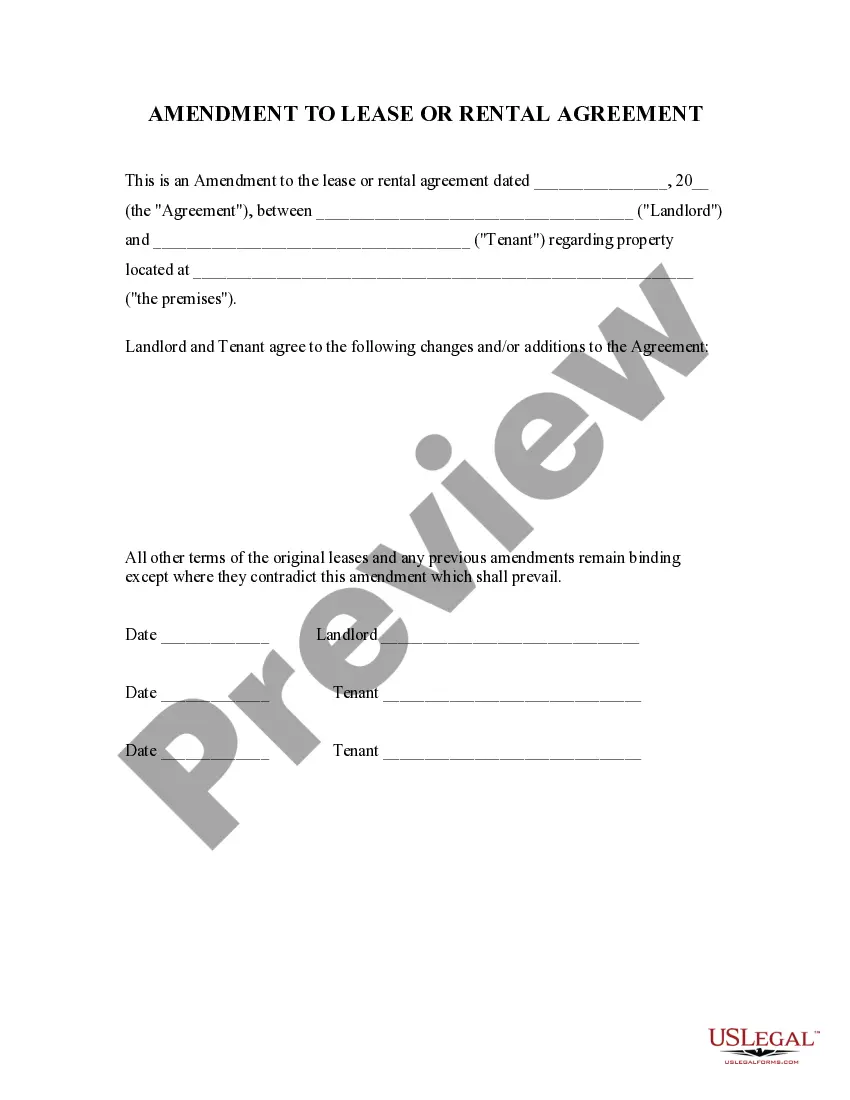
Opposing Counsel In Court In Texas
Description



Get your form ready online
Our built-in tools help you complete, sign, share, and store your documents in one place.
Make edits, fill in missing information, and update formatting in US Legal Forms—just like you would in MS Word.
Download a copy, print it, send it by email, or mail it via USPS—whatever works best for your next step.
Sign and collect signatures with our SignNow integration. Send to multiple recipients, set reminders, and more. Go Premium to unlock E-Sign.
If this form requires notarization, complete it online through a secure video call—no need to meet a notary in person or wait for an appointment.
We protect your documents and personal data by following strict security and privacy standards.

Make edits, fill in missing information, and update formatting in US Legal Forms—just like you would in MS Word.

Download a copy, print it, send it by email, or mail it via USPS—whatever works best for your next step.

Sign and collect signatures with our SignNow integration. Send to multiple recipients, set reminders, and more. Go Premium to unlock E-Sign.

If this form requires notarization, complete it online through a secure video call—no need to meet a notary in person or wait for an appointment.

We protect your documents and personal data by following strict security and privacy standards.
Looking for another form?



Form popularity
FAQ
By far the majority of successful motions to disqualify are brought on the basis of a conflict of interest with a former or concurrent client or imputation, but attorneys should also be aware that successful motions to disqualify have been brought on the following bases, among others: (1) lawyer as witness, (2) ...
If opposing counsel isn't responding: Document your repeated efforts at contact, including your statement of the consequence of continued nonresponse. Wait a reasonable amount of time. To be safe, get a court order authorizing direct contact.
To initiate the disqualification of opposing counsel in Texas, a party must file a motion to disqualify attorney Texas. This procedural step is more than a mere formality; it is a significant move that requires substantial evidence to support the claim for disqualification.
In short, a judge may be recused if only he has some actual interest—personal, familial, or financial—in the outcome of a case, or where he has shown himself to be so prejudiced against one of the parties or the case's subject matter that he cannot be trusted to rule fairly.
Do not engage. Think of her as a course hazard more than an opponent. Aim your words, always, at the judge. Be on time, be reasonable, be flexible to the extent it will not prejudice or harm your client, and do your best to keep all interactions in writing and on the record.
You can prepare the order yourself and submit it to opposing counsel for their approval. If they don't respond within 10 days with any corrections, you can file the order after hearing with the court along with a declaration from you indicating when you sent it to opposing counsel and that they have failed to respond.
In representing a client, a lawyer shall not communicate about the subject of the representation with a person the lawyer knows to be represented by another lawyer in the matter, unless the lawyer has the consent of the other lawyer or is authorized to do so by law or a court order.
To initiate the disqualification of opposing counsel in Texas, a party must file a motion to disqualify attorney Texas. This procedural step is more than a mere formality; it is a significant move that requires substantial evidence to support the claim for disqualification.
A motion to dismiss must be: (a) filed within 60 days after the first pleading containing the challenged cause of action is served on the movant; (b) filed at least 21 days before the motion is heard; and (c) granted or denied within 45 days after the motion is filed.