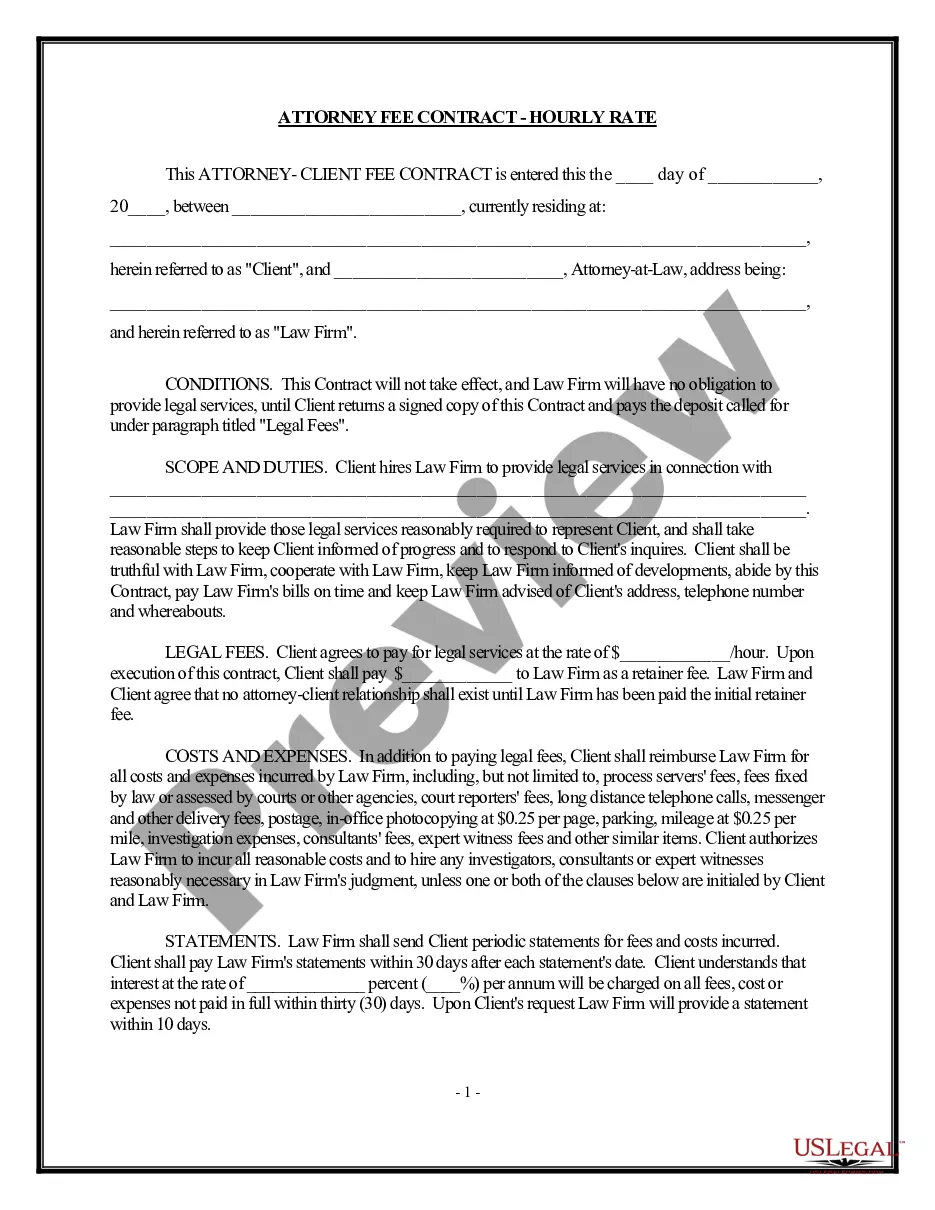
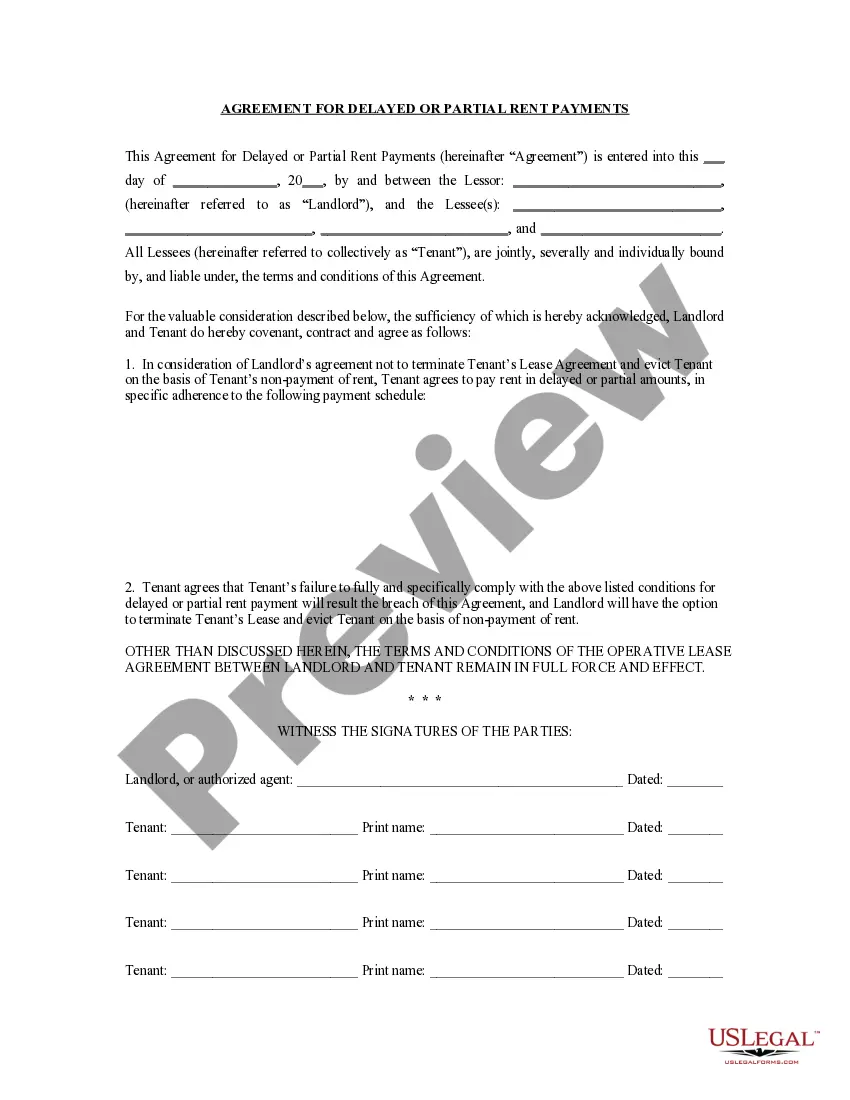
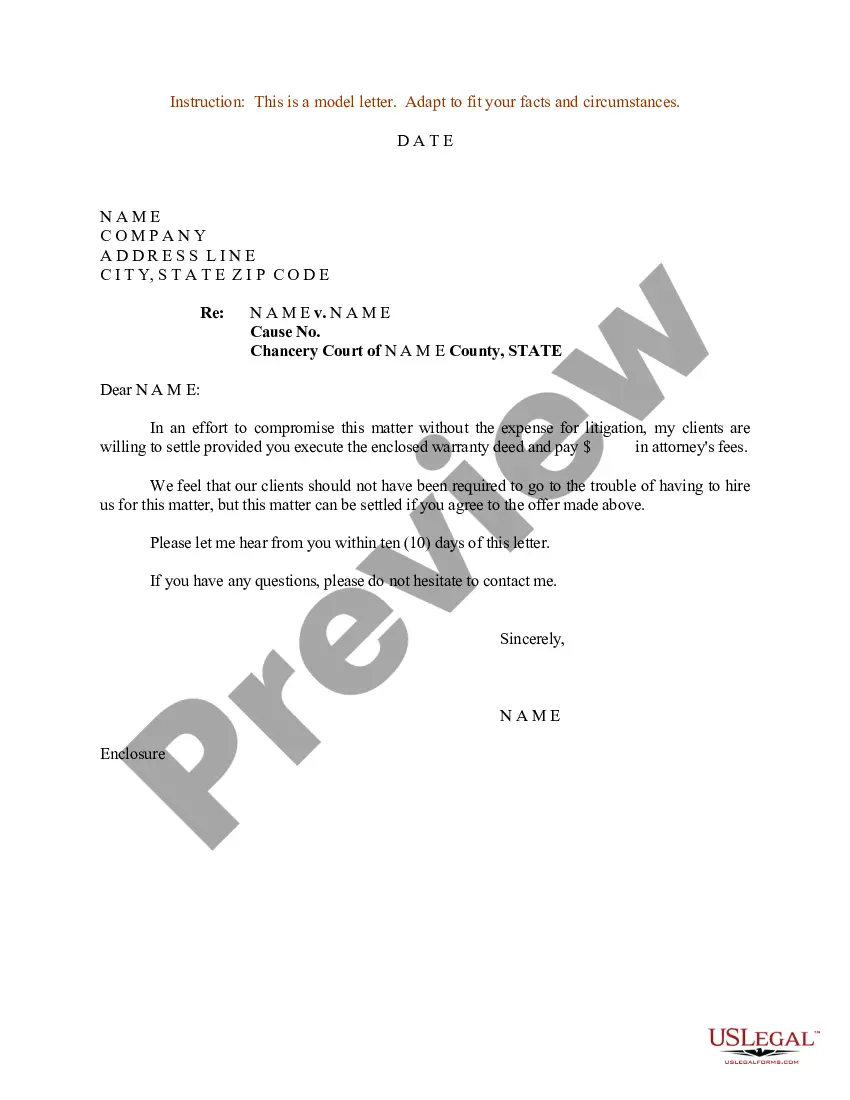
Debt Settlement Letter Sample With Attached Resume In San Bernardino
Description


Get your form ready online
Our built-in tools help you complete, sign, share, and store your documents in one place.
Make edits, fill in missing information, and update formatting in US Legal Forms—just like you would in MS Word.
Download a copy, print it, send it by email, or mail it via USPS—whatever works best for your next step.
Sign and collect signatures with our SignNow integration. Send to multiple recipients, set reminders, and more. Go Premium to unlock E-Sign.
If this form requires notarization, complete it online through a secure video call—no need to meet a notary in person or wait for an appointment.
We protect your documents and personal data by following strict security and privacy standards.

Make edits, fill in missing information, and update formatting in US Legal Forms—just like you would in MS Word.

Download a copy, print it, send it by email, or mail it via USPS—whatever works best for your next step.

Sign and collect signatures with our SignNow integration. Send to multiple recipients, set reminders, and more. Go Premium to unlock E-Sign.

If this form requires notarization, complete it online through a secure video call—no need to meet a notary in person or wait for an appointment.

We protect your documents and personal data by following strict security and privacy standards.
Looking for another form?

Form popularity
FAQ
Treat the following as a set of general guidelines: Gather complete information before you start writing. Describe your injuries and medical treatment. List your medical expenses, lost wages, and non-economic damages. Make a settlement demand. Include a deadline for legal action if you want to, but don't bluff.
Options for debt relief include forgiving a portion of the debt, lowering the interest rate, stretching payments over a longer period, or consolidating multiple debts into a single, lower-interest one. Individuals, businesses, and governments may all seek debt relief when their debts have become unsustainable.
Tip for Drafting an Effective Settlement Letter Be concise. Your letter might be 20-30 pages long if your claim is complex. Be organized. Reread your letter to make sure you haven't said anything that the opposing party can twist around to use against you. Be polite and professional.
Key takeaways Send two payment reminder emails to clients before the due date. Clearly define payment terms and time frames in the contractual agreement before starting to work with a client. When asking for payment, be professional, polite, and persistent through concise emails or phone calls.
I'm reaching out to you to remind you that your payment of payment total for invoice invoice number with us is number of days overdue. ing to our records, you should've received the invoice I'm referring to in the mail on July 5, 2022. This is a courtesy reminder and we understand that you're busy.
Tips for Writing a Hardship Letter Keep it original. Be honest. Keep it concise. Don't cast blame or shirk responsibility. Don't use jargon or fancy words. Keep your objectives in mind. Provide the creditor an action plan. Talk to a Financial Counselor.
I am applying to make a repayment arrangement on the grounds of financial hardship. I assume you will stay all enforcement action while you consider my application. If this is not possible, please let me know immediately in writing. I have been in financial hardship because (give a reason).
Depending on your situation, you might submit documents such as an unemployment notice, medical bills, military orders or a divorce decree. It's also helpful to provide verification of all sources of income (paystubs, W-2s and 1099s) as well as account statements to show your current financial status.
I hope we will be able to agree upon an acceptable debt repayment plan. I have taken a careful look at my financial situation. I have set up a realistic minimum budget for my living expenses and have developed a debt repayment program. I am hoping you will accept a reduced payment of per month.
General Hardship Factors USCIS, through policy guidance and case law, has identified five broad hardship factors,7 or categories, that may support a finding of hardship: Family ties and impact; • Social and cultural impact; • Economic impact; • Health conditions and care; and • Country conditions.