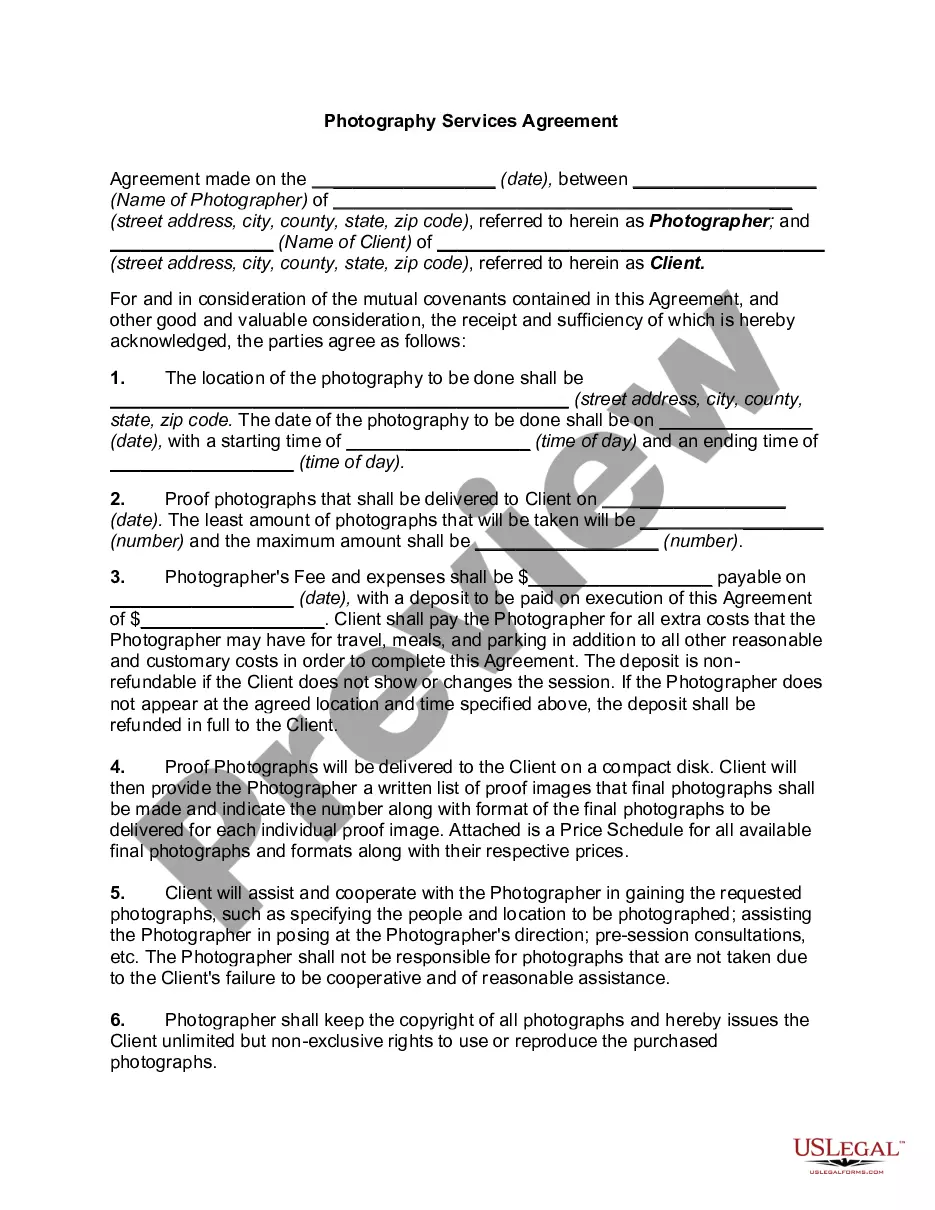
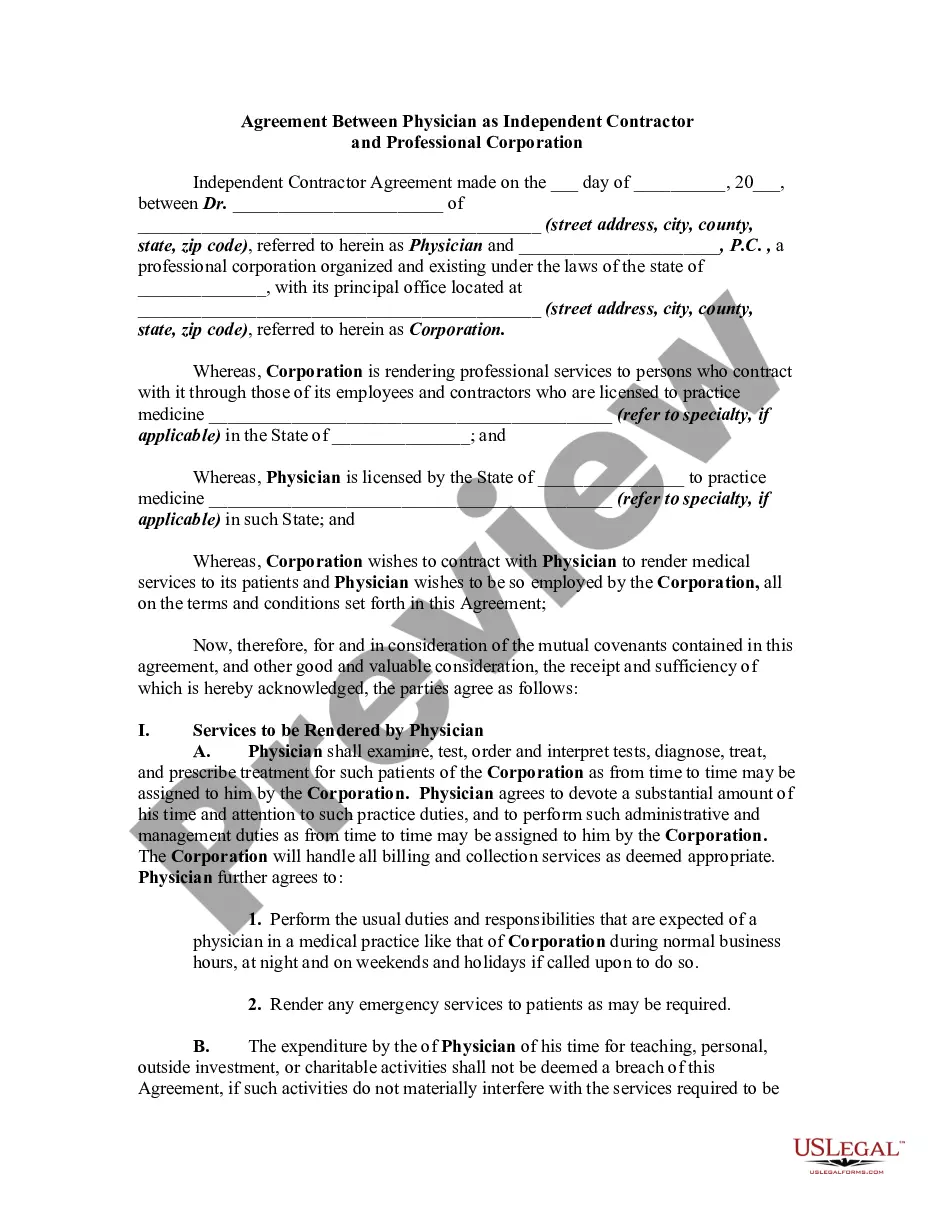
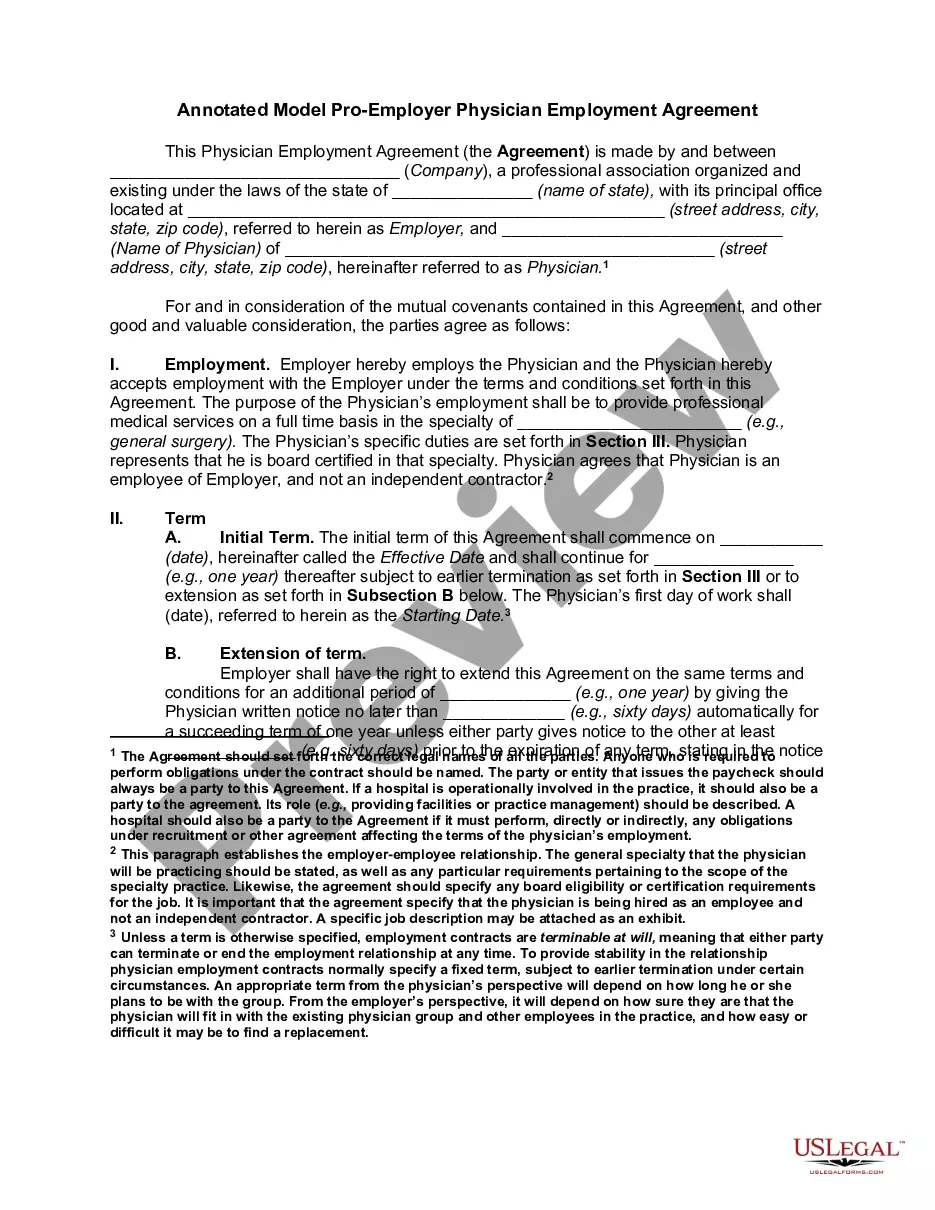
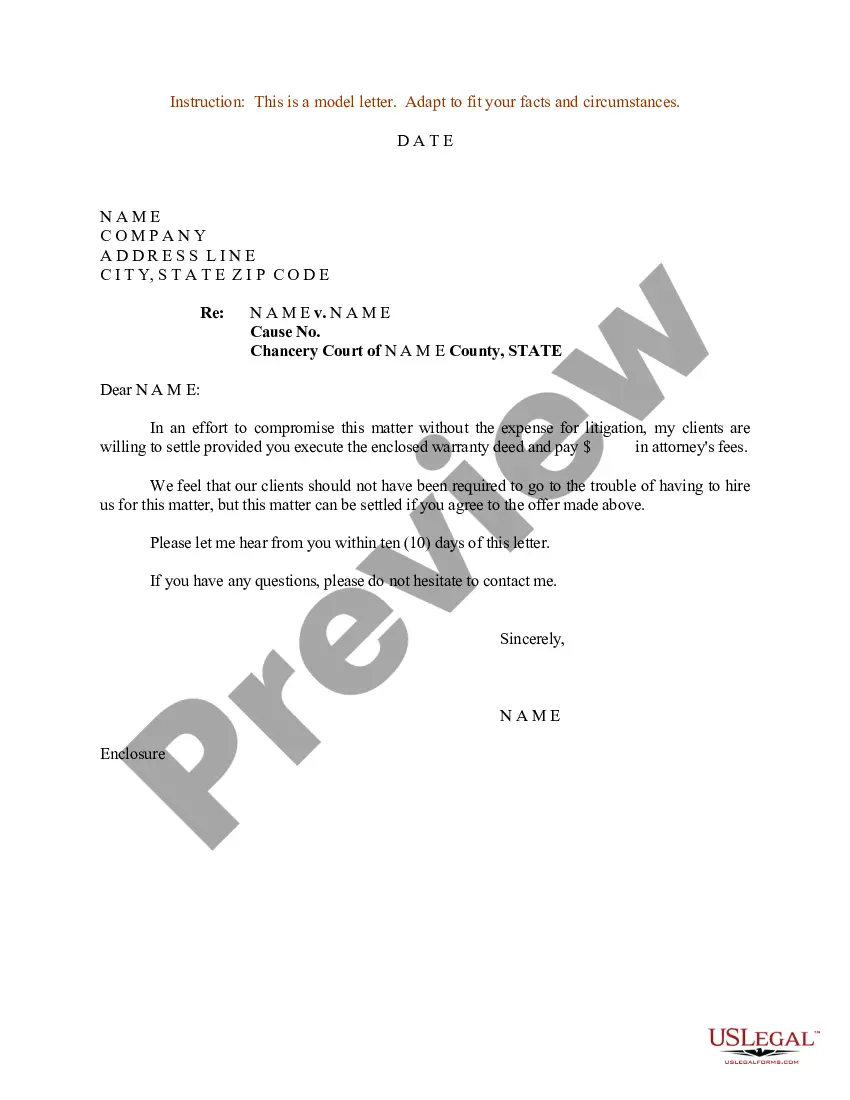
Letters To Lawyers Examples In Riverside
Description


Get your form ready online
Our built-in tools help you complete, sign, share, and store your documents in one place.
Make edits, fill in missing information, and update formatting in US Legal Forms—just like you would in MS Word.
Download a copy, print it, send it by email, or mail it via USPS—whatever works best for your next step.
Sign and collect signatures with our SignNow integration. Send to multiple recipients, set reminders, and more. Go Premium to unlock E-Sign.
If this form requires notarization, complete it online through a secure video call—no need to meet a notary in person or wait for an appointment.
We protect your documents and personal data by following strict security and privacy standards.

Make edits, fill in missing information, and update formatting in US Legal Forms—just like you would in MS Word.

Download a copy, print it, send it by email, or mail it via USPS—whatever works best for your next step.

Sign and collect signatures with our SignNow integration. Send to multiple recipients, set reminders, and more. Go Premium to unlock E-Sign.

If this form requires notarization, complete it online through a secure video call—no need to meet a notary in person or wait for an appointment.

We protect your documents and personal data by following strict security and privacy standards.
Looking for another form?




Form popularity
FAQ
Frequently Asked Questions (FAQ) Type your letter. Concisely review the main facts. Be polite. Write with your goal in mind. Ask for exactly what you want. Set a deadline. End the letter by stating you will promptly pursue legal remedies if the other party does not meet your demand. Make and keep copies.
For California small claims, you don't have to “serve” a demand letter. You just have to send the demand letter. You can send it by mail, email, or hand delivery, or you can text the demand letter.
Demand Letter Components Facts of the case. An outline of what happened. Statement of the issue. A brief description of the problem. Demand. The dollar amount or action necessary to resolve the case. Response deadline. The date by which the recipient must respond. Noncompliance consequences.
Good Demand Letter Copies (not the originals) of the documents that support your story are enclosed. You are polite. You show how the amount that you want was calculated. You point out why it makes sense to settle.
Demand Letter Components Facts of the case. An outline of what happened. Statement of the issue. A brief description of the problem. Demand. The dollar amount or action necessary to resolve the case. Response deadline. The date by which the recipient must respond. Noncompliance consequences.
You can face legal trouble. Going to court can be very expensive and time-consuming. If you ignore both the demand letter and any court notices, the court might even decide against you without you being there.
Letters in legal disputes and lawsuits often serve two purposes: first, to communicate in a clear, professional manner, and second, to document what was said or done for later use in court.
The term esquire, or the abbreviation Esq., gets used most frequently in written legal communications. It offers a sign that you have communicated directly with an attorney rather than a legal assistant, paralegal, or someone else within the office. Most often, Esq.
Legal correspondence. It means legal letters. Four types of legal correspondence. -informative letters. Informative letters. Opinion letters. Confirmation letters. Demand letters. Writing legal correspondence. Written correspondence.
Primary tabs. A demand letter is a letter, usually written by an attorney on a client's behalf, outlining the dispute between the two opposing parties and demanding that the recipient of the letter take or cease a certain action.