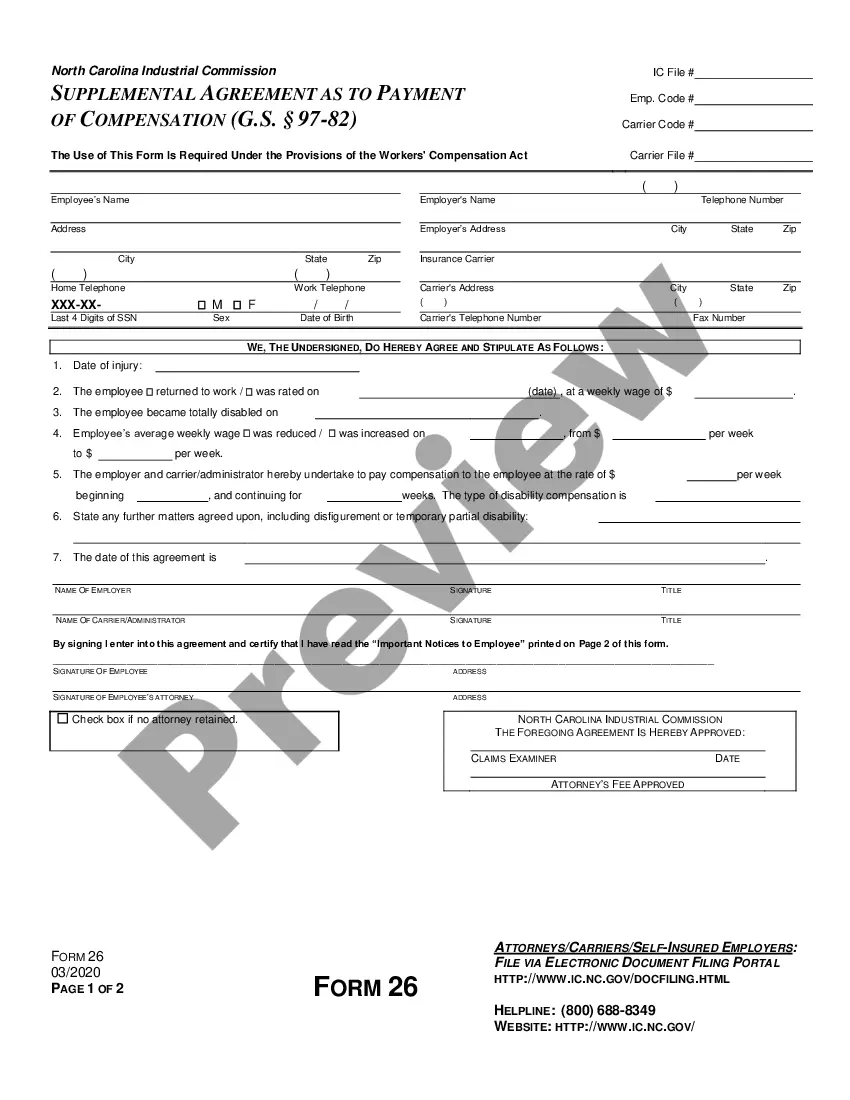
Debt Settlement Letter Sample With Full In Michigan
Description


Get your form ready online
Our built-in tools help you complete, sign, share, and store your documents in one place.
Make edits, fill in missing information, and update formatting in US Legal Forms—just like you would in MS Word.
Download a copy, print it, send it by email, or mail it via USPS—whatever works best for your next step.
Sign and collect signatures with our SignNow integration. Send to multiple recipients, set reminders, and more. Go Premium to unlock E-Sign.
If this form requires notarization, complete it online through a secure video call—no need to meet a notary in person or wait for an appointment.
We protect your documents and personal data by following strict security and privacy standards.

Make edits, fill in missing information, and update formatting in US Legal Forms—just like you would in MS Word.

Download a copy, print it, send it by email, or mail it via USPS—whatever works best for your next step.

Sign and collect signatures with our SignNow integration. Send to multiple recipients, set reminders, and more. Go Premium to unlock E-Sign.

If this form requires notarization, complete it online through a secure video call—no need to meet a notary in person or wait for an appointment.

We protect your documents and personal data by following strict security and privacy standards.
Looking for another form?
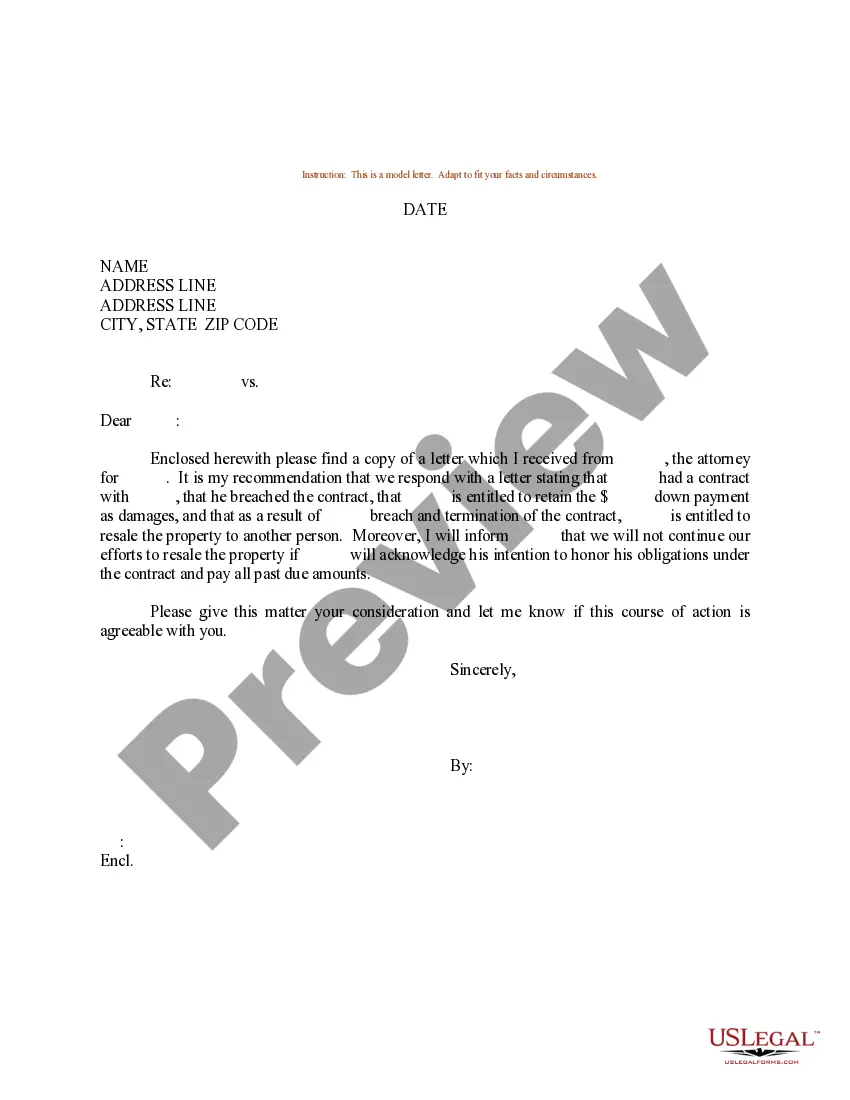







Form popularity
FAQ
Definition: Full settlement refers to the settlement and release of all pending claims between the parties. It is a legal agreement that ends a dispute or lawsuit. For example, if two parties are involved in a legal dispute, they may reach a full settlement agreement to resolve the issue.
An employee must go through the Full and Final Settlement Letter, or FnF settlement, process when they quit or leave their job. Typically, this FnF settlement falls under the purview of the organization's HR division.
How to make a full and final settlement offer Assess your finances. Before making any offer, take a close look at your financial situation. Prepare your offer. Draft a formal letter to your creditor outlining your full and final settlement offer. Negotiate. Get the agreement in writing.
An FnF letter notifies the departing employee that they have received all dues from the company, and that they do not have any grievances against the employer. This letter officially validates the employee's exit from your company. The format of the FnF letter varies from organisation to organisation.
Some collectors want 75%–80% of what you owe. Others will take 50%, while others might settle for one-third or less. So, it makes sense to start low with your first offer and see what happens. And be aware that some collectors won't accept anything less than the total debt amount.