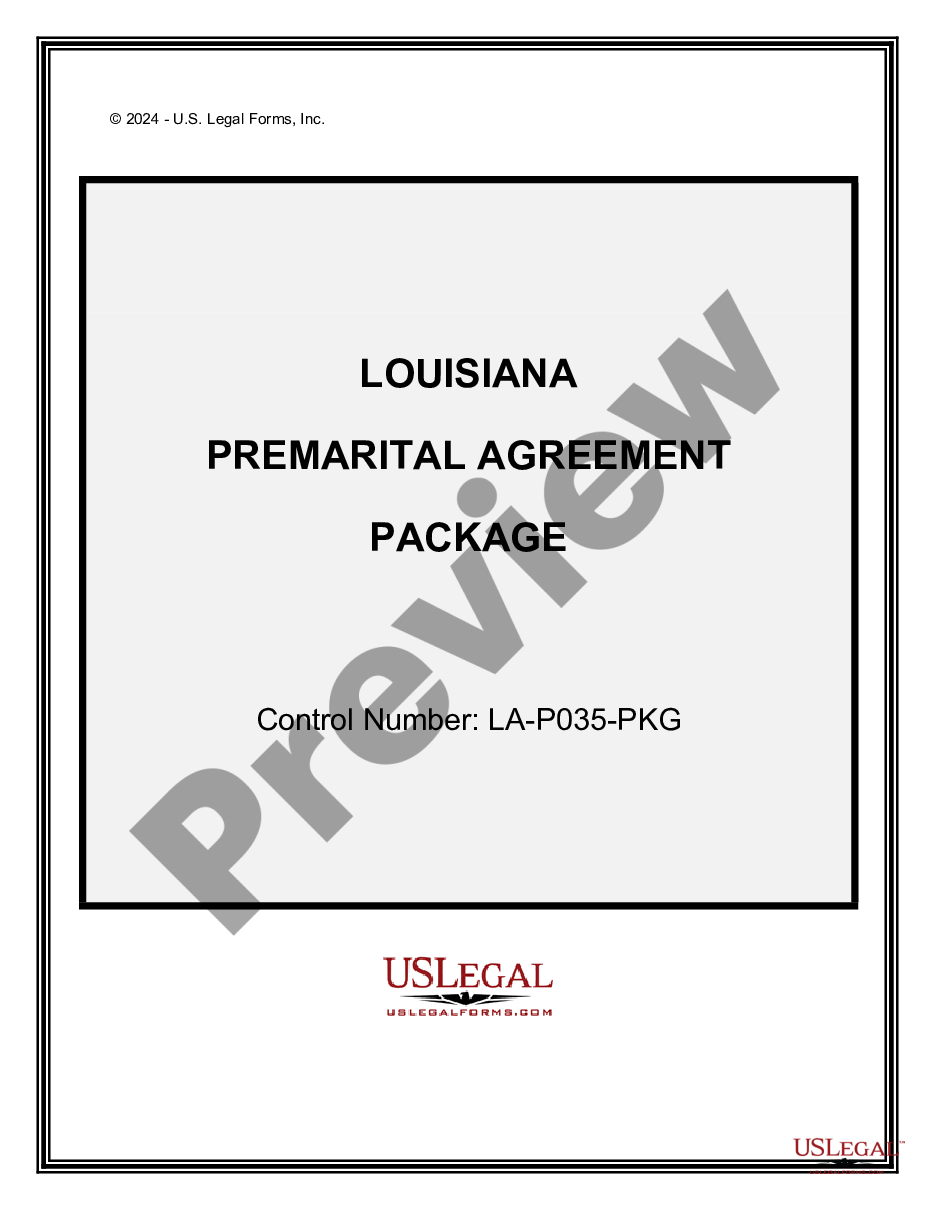
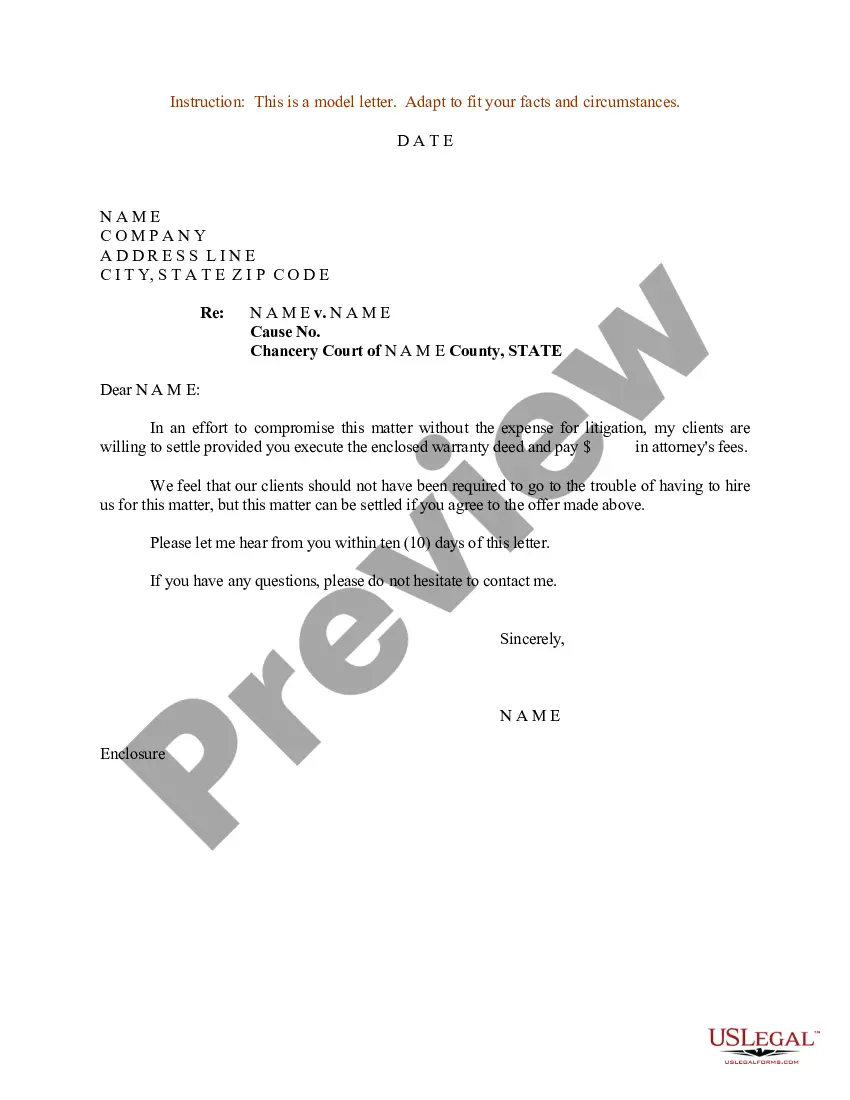
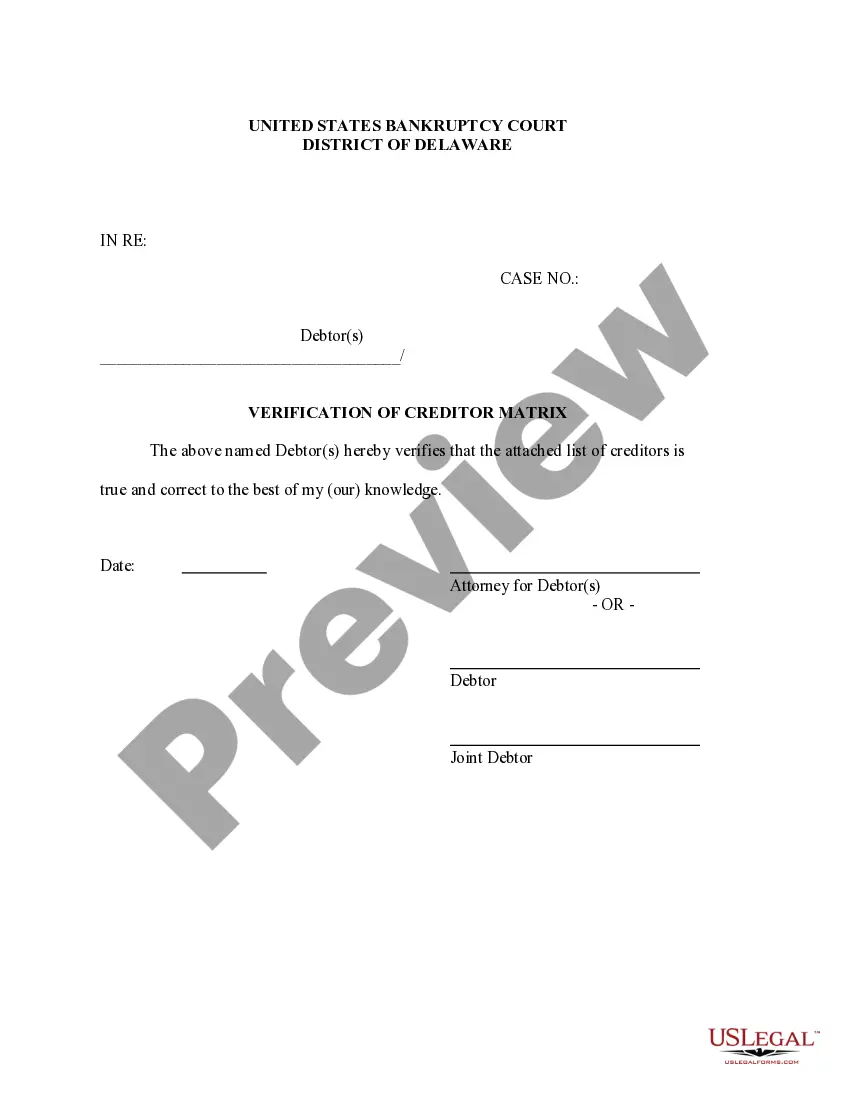
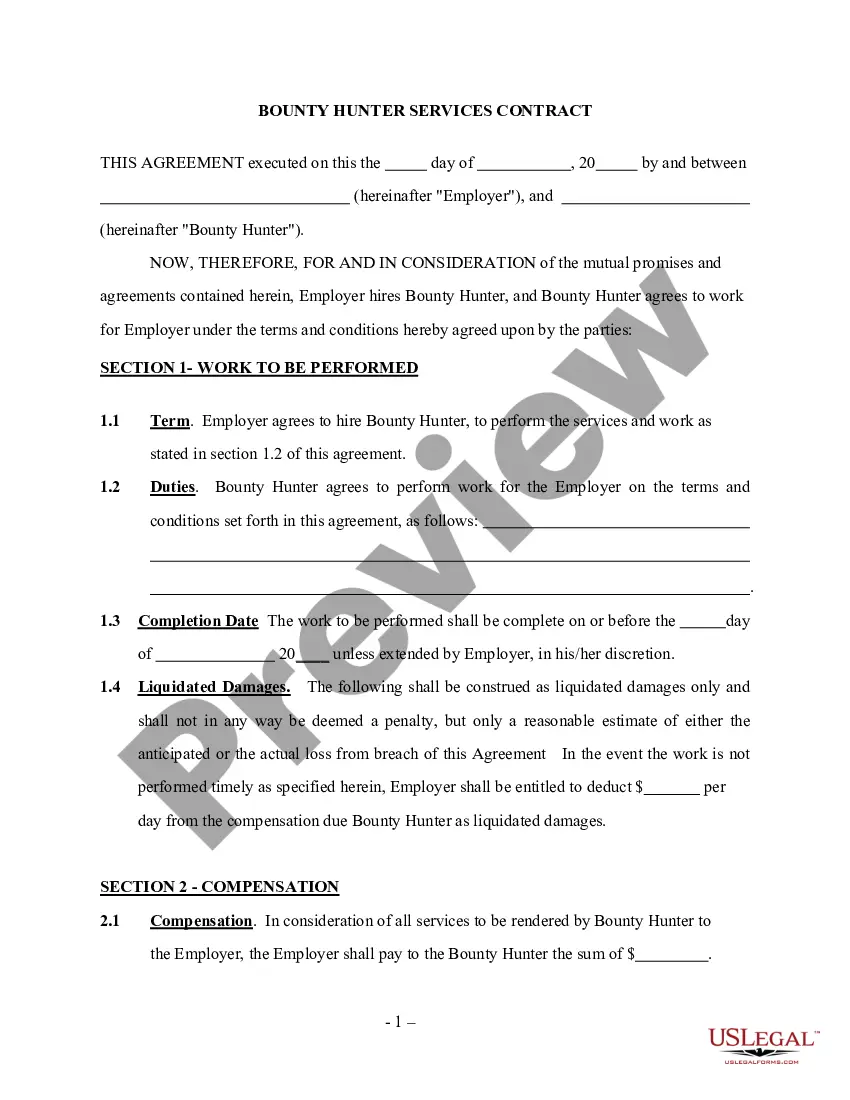
Letters To Lawyers Examples In Fairfax
Description


Get your form ready online
Our built-in tools help you complete, sign, share, and store your documents in one place.
Make edits, fill in missing information, and update formatting in US Legal Forms—just like you would in MS Word.
Download a copy, print it, send it by email, or mail it via USPS—whatever works best for your next step.
Sign and collect signatures with our SignNow integration. Send to multiple recipients, set reminders, and more. Go Premium to unlock E-Sign.
If this form requires notarization, complete it online through a secure video call—no need to meet a notary in person or wait for an appointment.
We protect your documents and personal data by following strict security and privacy standards.

Make edits, fill in missing information, and update formatting in US Legal Forms—just like you would in MS Word.

Download a copy, print it, send it by email, or mail it via USPS—whatever works best for your next step.

Sign and collect signatures with our SignNow integration. Send to multiple recipients, set reminders, and more. Go Premium to unlock E-Sign.

If this form requires notarization, complete it online through a secure video call—no need to meet a notary in person or wait for an appointment.

We protect your documents and personal data by following strict security and privacy standards.
Looking for another form?





Form popularity
FAQ
The circuit court has the authority to hear serious criminal cases called felonies. The circuit court also handles family matters, including divorce. In addition, the circuit court hears cases appealed from the general district court and from the juvenile and domestic relations district court.
The Virginia 19th Judicial Circuit is a circuit court in Virginia. It is home to the Fairfax Circuit Court, which serves Fairfax County and the City of Fairfax.
Decisions in District Courts – both General and J&DR – may be appealed to the Circuit Court. Circuit Courts hear criminal cases involving more serious offenses, called felonies, civil actions involving larger monetary claims, and appeals from District Courts.
The circuit court has the authority to hear serious criminal cases called felonies. The circuit court also handles family matters, including divorce. In addition, the circuit court hears cases appealed from the general district court and from the juvenile and domestic relations district court.
There is a general district court in each city and county in Virginia. The general district court hears traffic violation cases, minor criminal cases known as misdemeanors, and civil cases such landlord and tenant disputes, contract disputes, and personal injury actions.
The Fairfax Circuit Court serves the residents of Fairfax County and Fairfax City. The Fairfax Circuit Court (19th Judicial Circuit) is the trial court of general jurisdiction and is the largest trial court in Virginia, composed of fifteen full-time and five retired trial judges.
And serious misdemeanors. These are crimes that carry a potential punishment of over a year inMoreAnd serious misdemeanors. These are crimes that carry a potential punishment of over a year in prison. But that's not all circuit courts also handle appeals from lower courts.
There is a general district court in each city and county in Virginia. The general district court hears traffic violation cases, minor criminal cases known as misdemeanors, and civil cases such landlord and tenant disputes, contract disputes, and personal injury actions.
Chris Falcon, clerk of the Fairfax County Circuit Court, is transforming how residents access court services through technology and community outreach.