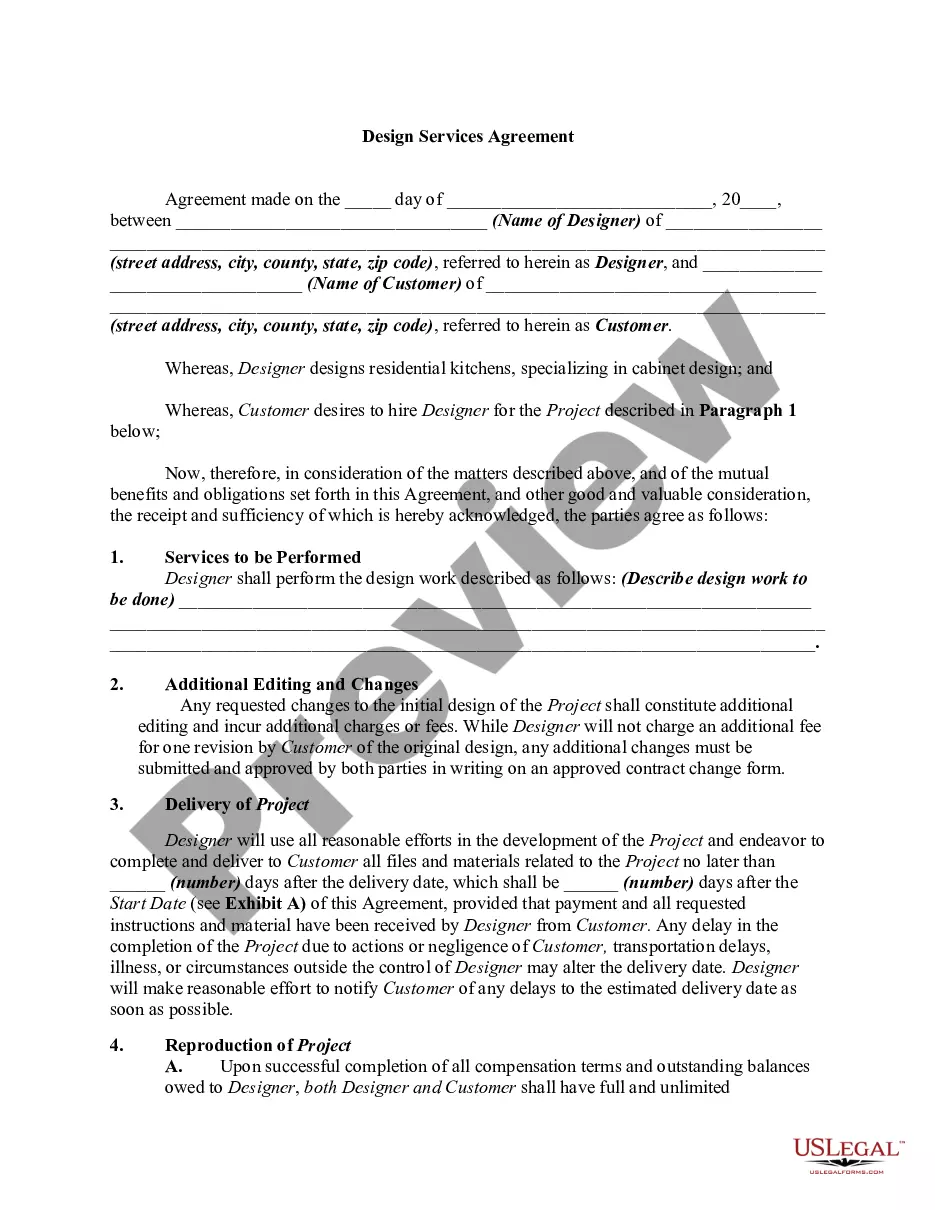
Opposing Counsel Or Council In Alameda
Description



Get your form ready online
Our built-in tools help you complete, sign, share, and store your documents in one place.
Make edits, fill in missing information, and update formatting in US Legal Forms—just like you would in MS Word.
Download a copy, print it, send it by email, or mail it via USPS—whatever works best for your next step.
Sign and collect signatures with our SignNow integration. Send to multiple recipients, set reminders, and more. Go Premium to unlock E-Sign.
If this form requires notarization, complete it online through a secure video call—no need to meet a notary in person or wait for an appointment.
We protect your documents and personal data by following strict security and privacy standards.

Make edits, fill in missing information, and update formatting in US Legal Forms—just like you would in MS Word.

Download a copy, print it, send it by email, or mail it via USPS—whatever works best for your next step.

Sign and collect signatures with our SignNow integration. Send to multiple recipients, set reminders, and more. Go Premium to unlock E-Sign.

If this form requires notarization, complete it online through a secure video call—no need to meet a notary in person or wait for an appointment.

We protect your documents and personal data by following strict security and privacy standards.
Looking for another form?
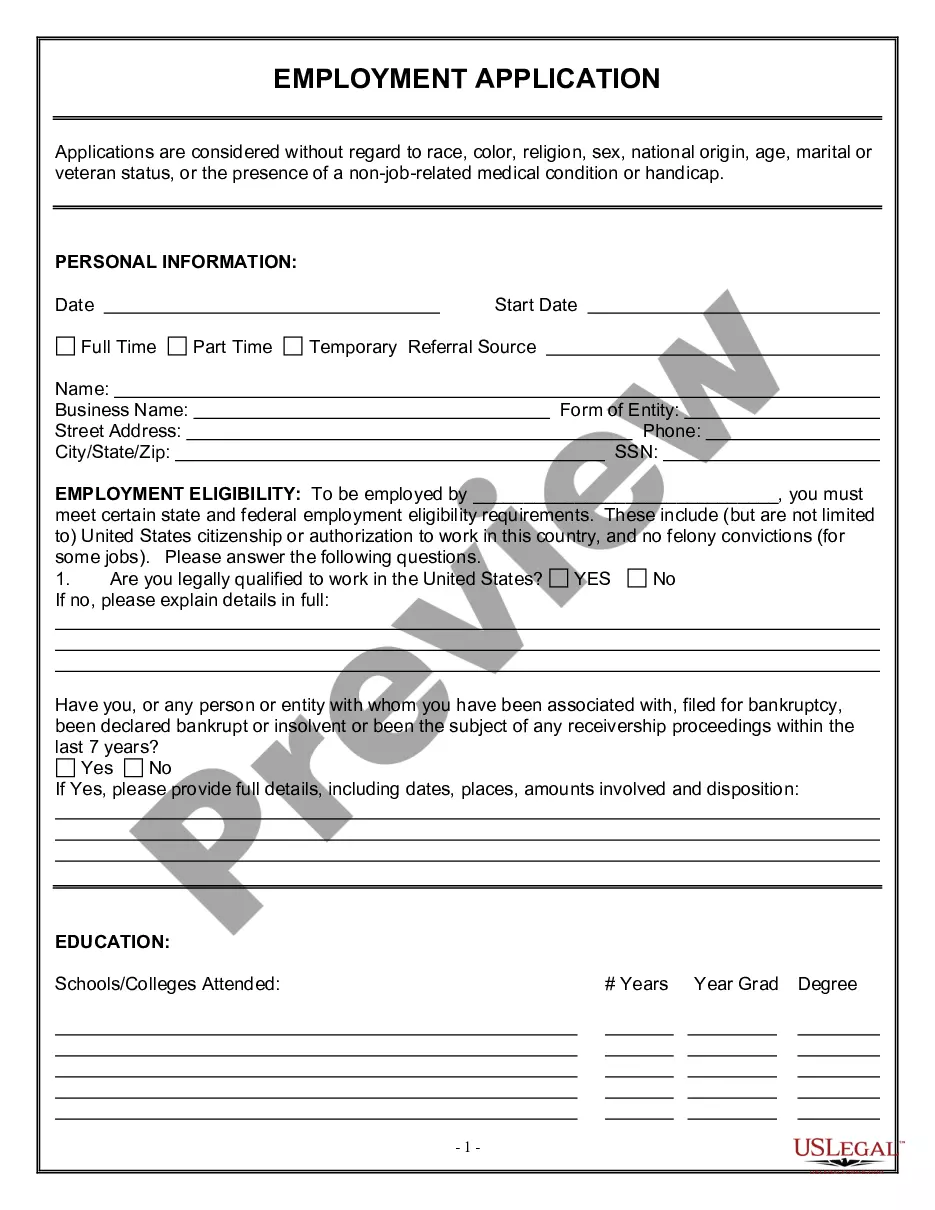


Form popularity
FAQ
Rule 3.31. Unless otherwise authorized by the court, discovery meet and confer obligations require an in-person, telephonic, or video conference between parties.
Related Definitions opposing counsel means the outside trial counsel (including counsel of record) for the Party that will cross-examine the Witness. opposing counsel means counsel for the party that did not notice the remote deposition.
8 Tips for Dealing with Difficult Opposing Counsel Point out Common Ground. Don't be Afraid to Ask Why. Separate the Person from the Problem. Focus on your Interests. Don't Fall for your Assumptions. Take a Calculated Approach. Control the Conversation by Reframing. Pick up the Phone.
There is no rule against your talking to the opposing party, or to the opposing party's attorney. There is a rule, however, that applies to attorneys only, that would prevent opposing counsel from responding to your communication, unless he had permission from your attorney.
Typically, a former client seeking to disqualify a former attorney from representing an opposing party must identify specific, cogent information that the attorney possesses and show that the information is confidential and implicates the duty of loyalty.
The Superior Court of Alemeda County, Local Rules, rule 3.30(c) directs that a filing party must deliver to the clerk in the assigned department “an identical courtesy copy of any paper filed, lodged, or otherwise submitted in support of, in opposition to, or in connection with any motion or application.”
The proposed order relieving counsel must be prepared on the Order Granting Attorney's Motion to Be Relieved as Counsel-Civil (form MC-053) and must be lodged with the court with the moving papers. The order must specify all hearing dates scheduled in the action or proceeding, including the date of trial, if known.
How to ask for an emergency order Contact your court or Self-Help Center to get local rules. Fill out forms. Attach documents to support your request. Give the other person notice and serve request. Make copies of your forms. Submit your forms. Pick up the forms from the clerk.