Arbitration Proceedings For In Virginia
Description

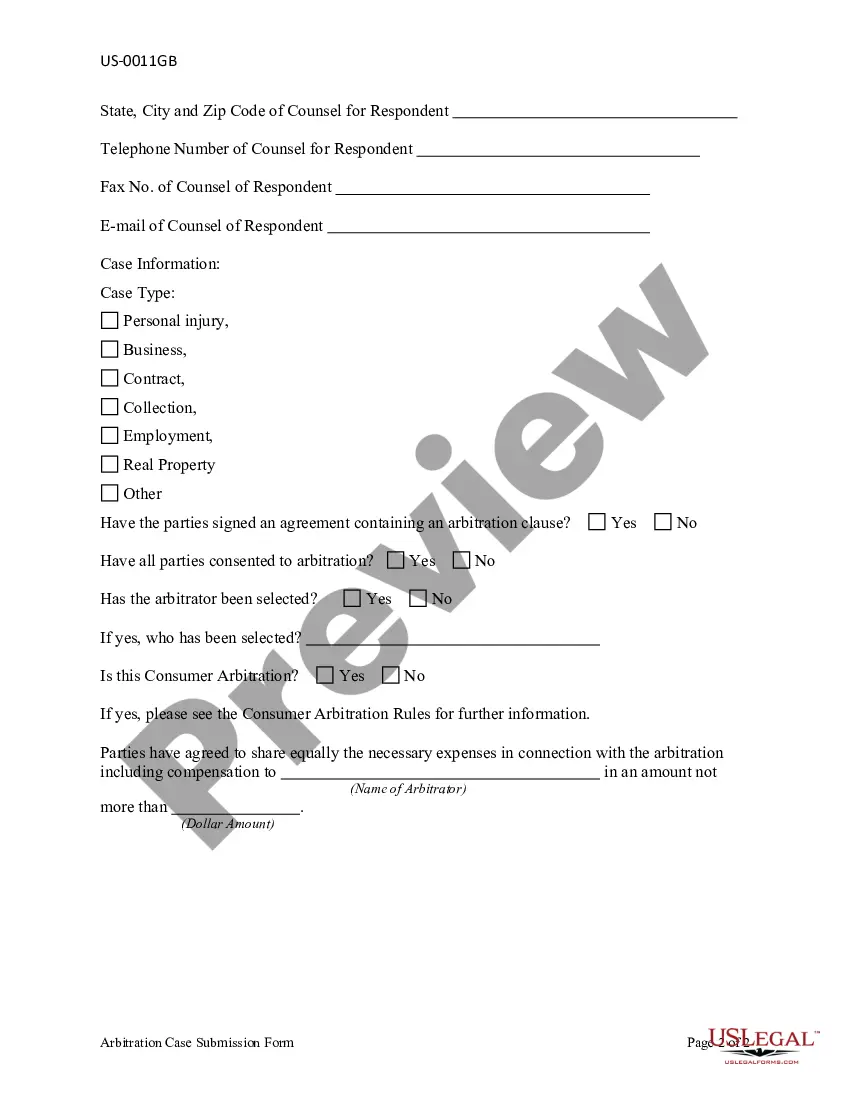

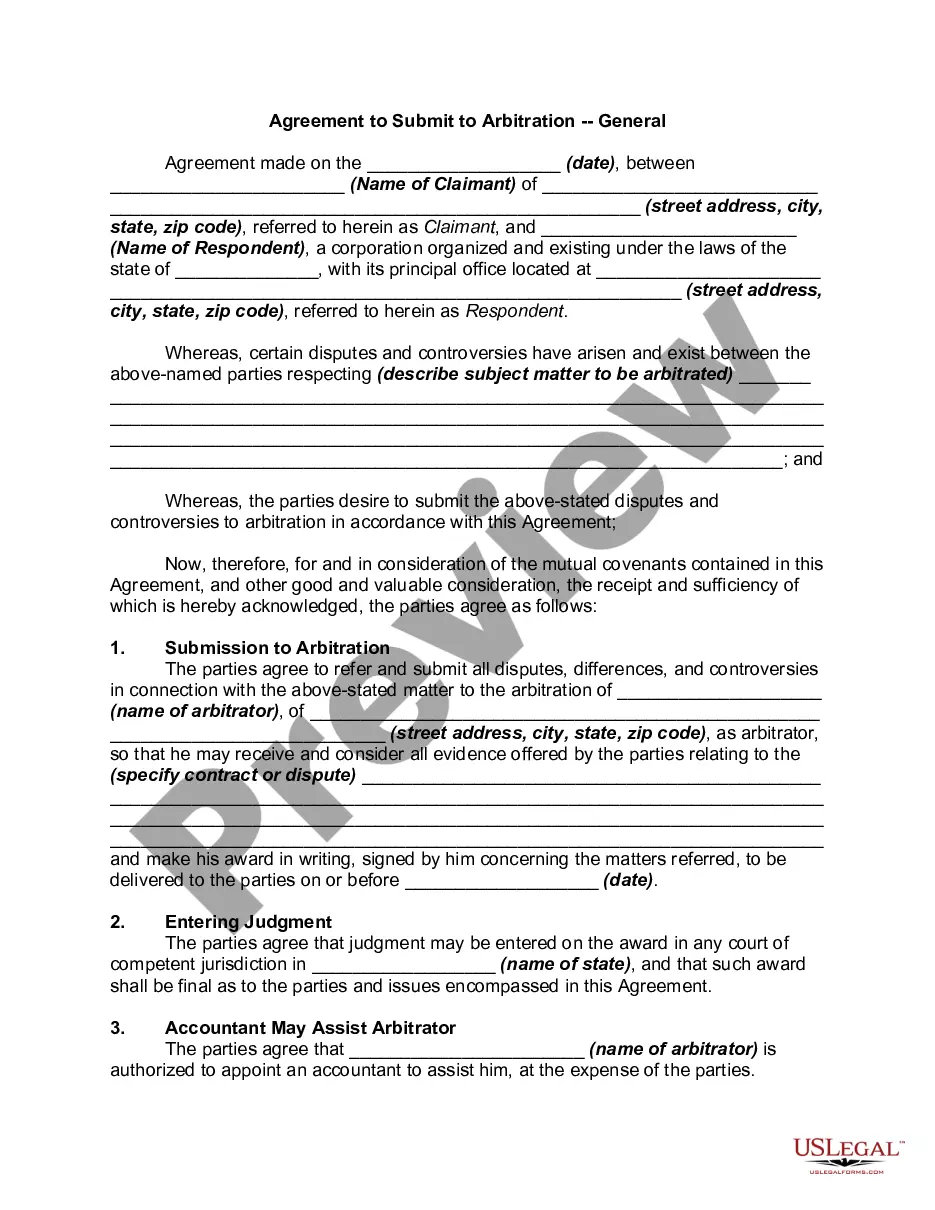

Get your form ready online
Our built-in tools help you complete, sign, share, and store your documents in one place.
Make edits, fill in missing information, and update formatting in US Legal Forms—just like you would in MS Word.
Download a copy, print it, send it by email, or mail it via USPS—whatever works best for your next step.
Sign and collect signatures with our SignNow integration. Send to multiple recipients, set reminders, and more. Go Premium to unlock E-Sign.
If this form requires notarization, complete it online through a secure video call—no need to meet a notary in person or wait for an appointment.
We protect your documents and personal data by following strict security and privacy standards.

Make edits, fill in missing information, and update formatting in US Legal Forms—just like you would in MS Word.

Download a copy, print it, send it by email, or mail it via USPS—whatever works best for your next step.

Sign and collect signatures with our SignNow integration. Send to multiple recipients, set reminders, and more. Go Premium to unlock E-Sign.

If this form requires notarization, complete it online through a secure video call—no need to meet a notary in person or wait for an appointment.

We protect your documents and personal data by following strict security and privacy standards.
Looking for another form?








Form popularity
FAQ
A written agreement to submit any existing controversy to arbitration or a provision in a written contract to submit to arbitration any controversy thereafter arising between the parties is valid, enforceable and irrevocable, except upon such grounds as exist at law or in equity for the revocation of any contract.
Arbitration is a fairer, faster, and less expensive way to resolve disputes than time-consuming and expensive litigation.
Limited Appeal Options: One of the most significant downsides of arbitration is that it offers very limited options for appeal. Once the arbitrator makes a decision, it's usually final unless there was a substantial legal oversight.
Win Rate: Consumers prevailed in 41.7% of arbitrations that terminated with awards compared to 29.3% of litigations that terminated with awards. Employees prevailed in 37.7% of arbitrations that terminated with awards compared to 10.8% of litigations that terminated with awards.
You can always agree to arbitration later if your lawyer advises you it's a good choice in the particular situation you find yourself in. There's no benefit to you in doing so months or years ahead of time.
There are five main stages to the arbitration process: (i) initial pleadings; (ii) panel selection; (iii) scheduling; (iv) discovery; (v) trial prep; and (vi) final hearing.
Virginia law provides that parties to a controversy may agree to submit their differences to arbitration, with the stipulation that the award may be returned to and entered as a judgment of a court of the Commonwealth having jurisdiction over the subject matter of the controversy.
A claimant will typically start arbitration by sending a document known as a “request for arbitration” or a “notice to arbitrate” to its opponent.
There are typically seven stages of the arbitration process: Claimant Files a Claim. Respondent Submits Answer. Parties Select Arbitrators. Parties Attend Initial Prehearing Conference. Parties Exchange Discovery. Parties Attend Hearings. Arbitrators Deliberate and Render Award.